
Need a pet-perfect home? Consider making 7 remarkable renovations
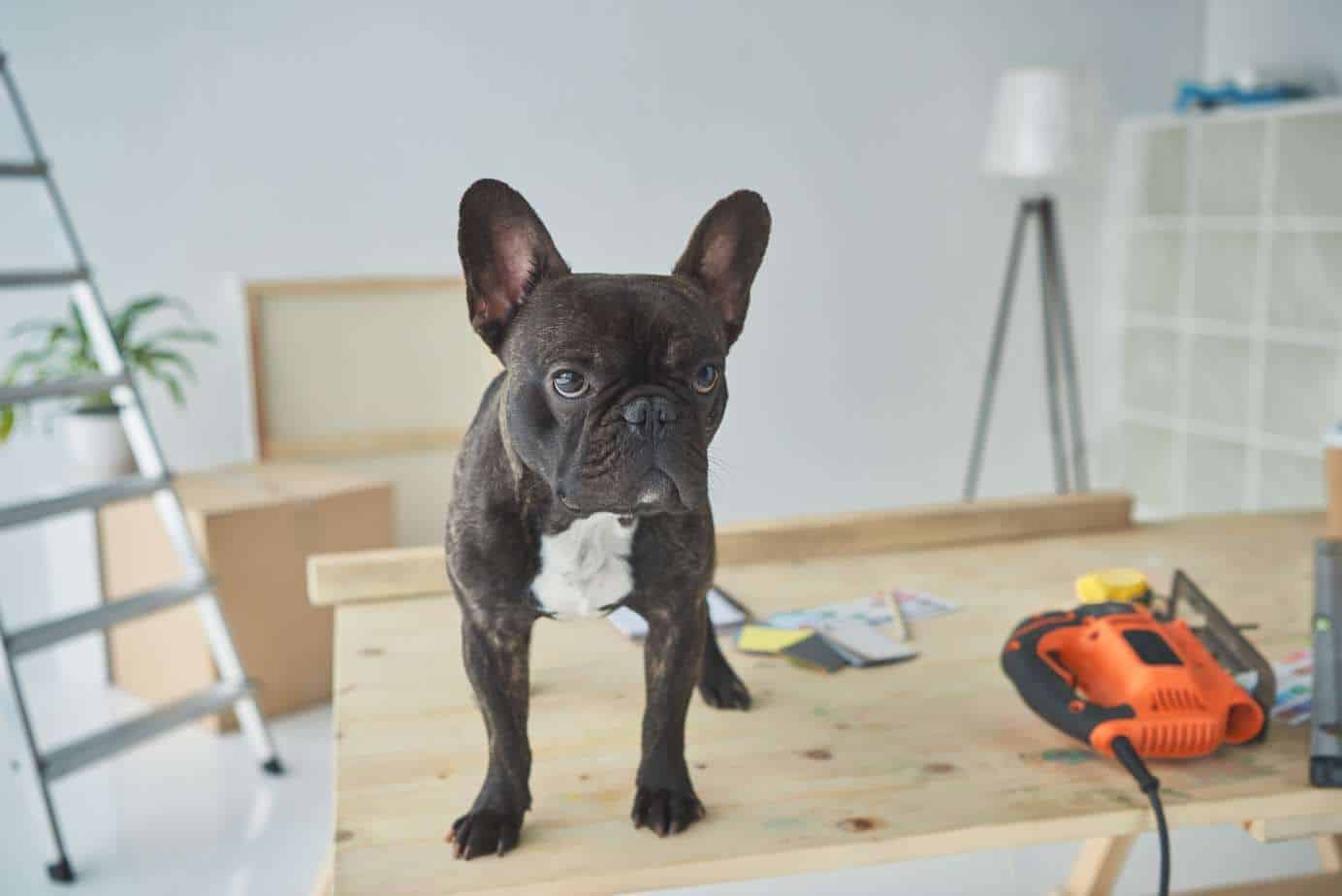
The sky’s the limit when it comes to making dog-friendly home renovations.
Because of the strong bond we share with our dogs, many dog owners consider their dogs far more than pets and treat them as if they were family.
We love sharing everything with our four-legged companions and do our best to make their lives with us as comfortable and fun as possible.
To do that, many dog owners consider making dog-friendly home renovations to pamper their pets.
Popular dog-friendly home renovations
- Popular dog-friendly home renovations
- Understand your dog's needs
- Make your yard safe and fun
- Easy pet-friendly home renovations
- Find experts specializing in dog-friendly renovations
- Stay safe
- Consider eco-friendly and sustainable options
- How to budget for projects
- Prioritize your renovation projects
- Final thoughts on dog-friendly home renovations
Creating a dog-friendly home can enhance both your pet’s happiness and the overall comfort of your living space.
Here are some top remodeling projects to consider, along with potential costs:
Dog washing station
A designated area for washing your dog can help manage the mess that comes with grooming.
It could include a raised tub, accessible storage for grooming supplies, and proper drainage.
You can consider adding a pet washing station to a mudroom or laundry room.
Potential costs: Installing a simple dog washing station can range from $500 to $2,000, depending on the type of plumbing and materials used.
Pet door installation
A pet door allows your dog to go in and out freely, which is especially useful if you have a fenced backyard.
You can choose automatic doors for added convenience.
Potential costs: Basic pet doors start at around $100, while automatic options can range from $300 to $1,200, depending on size and features.
Dog-friendly flooring
Select materials that are resistant to scratches, stains, and moisture.
Options such as luxury vinyl, tile, or sealed hardwood are excellent choices.
Potential costs: Flooring costs can vary widely, but expect to invest anywhere from $3 to $10 per square foot for materials and installation.
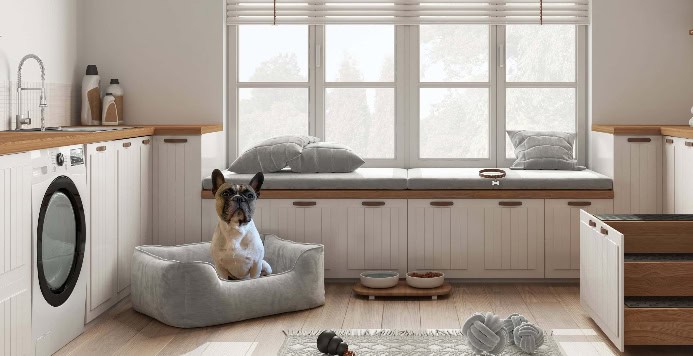
Built-in dog bed
Creating a cozy space for your dog with a built-in dog bed can save space and provide a special retreat for your furry friend.
Potential costs: Custom-built beds can range from $300 to $1,500, depending on the design complexity and materials used.
Fenced outdoor area
Installing a secure fence is crucial for any dog owner.
Visibility for the dog and space for them to run and play will enhance their outdoor experience.
Potential costs: A basic chain-link fence can cost around $1,500 to $3,500, while more decorative wooden or vinyl fencing can range from $3,000 to $8,000.
Designated play area
Creating a dedicated play space in your yard with toys, agility equipment, or even a dog run can keep your pet entertained and engaged.
Potential costs: Depending on the features you include, costs can range from $500 for basic materials to upwards of $2,500 for elaborate setups.
Doggie gates
Installing gates to restrict access to certain areas of your home can keep your dog safe and prevent them from getting into trouble.
Potential costs: A high-quality dog gate can range from $70 to $300, depending on the size and materials.
Understand your dog’s needs
While many dog parents may not realize it, their dogs face numerous dangers both inside and outside their homes.
Soaps and other cleansers that many of us use without a second thought can contain chemicals that are incredibly harmful to dogs, many of which can even cause cancer if overexposed.
Like people, all dogs have unique needs. While care for each pup will be unique, there are some guidelines to follow depending on your dog’s breed.
Working dogs will almost always require significantly more exercise time than companion breeds to maintain a healthy weight.
Large and small breeds will also differ significantly in terms of diet, and grooming requirements vary between those with short and long coats.
If you’ve given a home to a wonderful older dog, you’ll find that their needs are different than their younger counterparts as well.
While you’ll still need to regulate their diet and exercise, you must also consider that senior dogs require significantly more rest and need to be comfortable throughout the day.
Understanding your dog’s unique needs — young or old, big or small — is the first step to creating an environment in which they will thrive.
Make your yard safe and fun
While you should be mindful of the chemicals you’re applying to your lawn that may negatively affect your dog, there are other outdoor dangers you should also avoid.
Outdoor pests, such as foxes, raccoons, and rodents, can often harbor the bacterial disease leptospirosis.
This disease can not only lead to serious health complications for your pet but also spread to humans.
Keeping your lawn and any shrubbery well-maintained reduces the likelihood that these pests will make a home in your yard, making it safe for your dog to run around to their heart’s content.
When modifying your yard with your dog in mind, there are several landscaping dos and don’ts to consider before breaking out the shovel.
Develop a plan beforehand that you can realistically execute within your budget to avoid any stoppages in the landscaping that would prevent your furry friend from using the yard for any longer than they would have to.
When considering which plants to use, lean towards heartier options that can withstand your dog’s running and rummaging.
However, keep in mind what the yard will look like at maturity. After all, it is your lawn too.
After you’ve designed a perfect outdoor area that both you and your dog can enjoy, there is still much more you can do to make it even more pleasing to your pooch.
If you have a senior dog, consider installing pet-friendly ramps on your stairs to make their access to the lawn easier.
For dogs of all sizes and ages, building or purchasing a more luxurious version of a dog house with amenities like heated floors and built-in water bowls is sure to make any dog happy.
Easy pet-friendly home renovations
Making your home more dog-friendly can be as easy or as difficult as you’d like to make it.
Whether you’re only willing to invest in some dog-specific products to make their lives easier or you’re leaning fully into home improvement and taking out a loan to remodel your home, the sky’s the limit when it comes to making your house a dog paradise.
Upgrading your home to be more amenable to your four-legged friend takes time and money, but it’s well worth it when you see your happy pooch playing in it.
Changing up your shared living space can be as simple as purchasing some dog stairs to help small or older dogs access areas that would otherwise be off-limits. You can also consider using a step stool for dogs or a dog ramp.
Options that help with climbing are especially beneficial for short dogs, such as corgis or dachshunds, or small dogs like Shih Tzus or Chihuahuas.
Conversely, you can go all out and implement home upgrades like dog-specific showering areas, built-in water, and food bowls in your cabinetry, or dedicated cubby holes for their dog beds.
Whether you’re simply trying to make your dog’s life easier or pamper them beyond belief, there are nearly endless options at your disposal.
Although it may be tempting to go all out for your dog and completely renovate your home to cater to their every need, consider the cost.
Going into debt to make your furry friend happier might not be the wisest of ideas, but you can make many of the improvements.
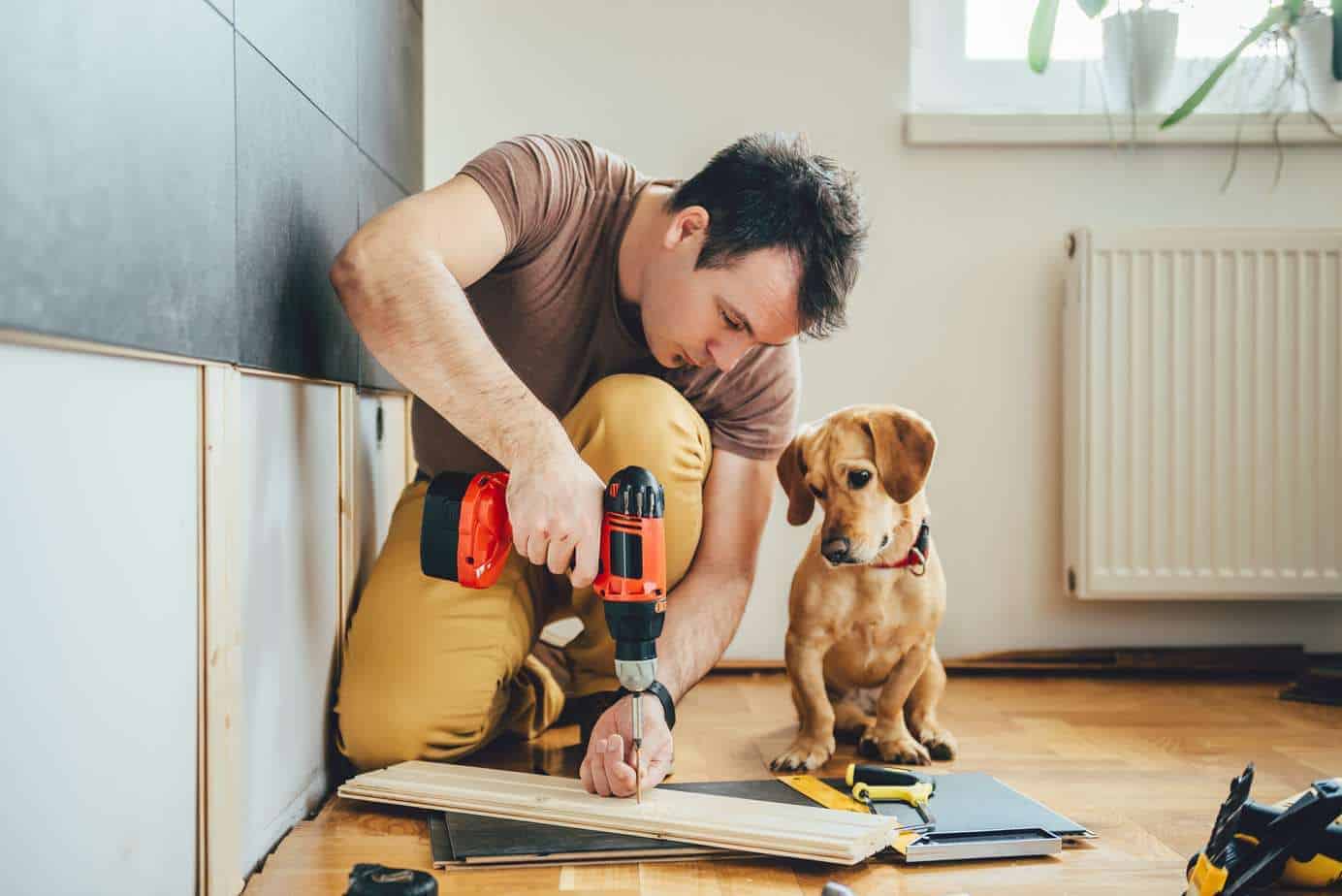
Even then, it is essential to remember that DIY projects can often lead to injury, especially those involving the use of power tools, such as a cordless drill.
Petting your pooch is a lot harder with a few missing fingers.
Find experts specializing in dog-friendly renovations
Here are some strategies to find professionals who specialize in dog-friendly home renovations.
Online research
Begin by searching online for local contractors or companies specializing in pet-friendly renovations.
You can use keywords like “dog-friendly home renovations,” “pet-friendly contractors,“ or “pet-safe remodeling services.“
Websites such as Houzz, Yelp, or Angie’s List can provide reviews and ratings of professionals in your area.
Social media and forums
Engage with pet owner communities on social media platforms like Facebook, Instagram, and Pinterest.
These platforms are great for finding inspiration and may also lead you to professionals who are popular among dog owners.
Forums such as Reddit or specialized pet forums can provide recommendations from fellow pet owners who have undertaken similar projects.
Local pet organizations
Reach out to local animal shelters, pet shops, or veterinary clinics.
These organizations often partner with contractors or have lists of professionals who understand the needs of pet owners.
They may also host workshops or events where you can meet vendors directly.
Referrals from friends and family
If you have friends or family members who have made renovations with pet-friendly features, ask them about their experiences.
Personal referrals can help you find trustworthy professionals who have successfully worked on similar projects.
Attend home improvement shows
Home and garden shows often feature professionals who specialize in various remodeling services.
Attending these events can provide opportunities to speak directly with contractors and see examples of their work.
Consultation services
Many companies offering remodeling services provide initial consultations.
Use this opportunity to discuss your specific needs regarding dog-friendly renovations.
A good contractor should listen to your requirements and offer tailored suggestions that prioritize both your comfort and your pet’s well-being.
Ask for qualifications
When evaluating potential contractors, ask about their experience with pet-friendly home remodeling projects.
Ask for examples of previous work, references, and consider whether they are aware of materials and designs that enhance safety and comfort for dogs.
Check professional associations
Membership in professional associations often signifies a commitment to upholding high standards and engaging in ongoing education in the field.
Look for contractors who are members of organizations like the National Association of the Remodeling Industry or other relevant bodies.

Stay safe
When planning a home remodel project, safety should be a top priority.
Here are key considerations:
Non-toxic materials
Use low-VOC or VOC-free paints, adhesives, and finishes to minimize exposure to harmful fumes.
Select products labeled as pet-safe, ideally with natural or biodegradable components.
Durable flooring
Opt for hard surfaces, such as tile or sealed hardwood, which are scratch-resistant and easy to clean.
Avoid carpets that can trap dirt and odors; if using rugs, opt for natural fibers secured to prevent slipping.
Pet-friendly furniture
Choose scratch-resistant and easy-to-clean materials, such as microfiber or leather.
Ensure furniture doesn’t have small parts that could pose choking hazards.
Secure spaces
Keep construction areas safe by using gates or closed doors to prevent pets from wandering into hazardous zones.
Non-toxic landscaping
When renovating outdoor spaces, choose pet-safe plants to create a safe environment for your dogs.
Consider eco-friendly and sustainable options
Incorporating eco-friendly elements into your renovations aligns with environmentally conscious living.
Here are some options:
Recycled materials
Choose recycled or reclaimed materials for flooring and fixtures to minimize waste.
Sustainable flooring
Consider bamboo or cork, both durable and renewable options that are gentle on pets.
Natural cleaners
Use eco-friendly cleaning products to maintain a safe home environment.
Energy efficiency
Invest in energy-efficient windows and insulation to enhance comfort and lower your energy consumption.
Pet amenities
Include sustainable design features, such as built-in feeding stations or designated play areas, to create a pet-friendly and functional space.
How to budget for projects
When planning home renovations to create a dog-friendly environment, it’s essential to establish a realistic budget to ensure the projects are both practical and financially feasible.
Here are some steps to help you budget effectively for these renovations:
Assess your dog’s needs
Begin by assessing your dog’s individual needs. Consider factors like their size, breed, age, and behavior.
This assessment will help you identify areas of your home that require modification, such as creating safe play spaces, ensuring easy access to the outdoors, or selecting durable flooring options.
Prioritize your renovation projects
List the projects you want to undertake.
Once you have your list, prioritize these projects based on necessity and budget availability.
Research costs
Research the costs associated with each project to determine the most effective approach.
Gather quotes from contractors or assess if you can do the tasks as DIY projects.
Consider the costs of materials, labor, and any necessary permits.
Don’t forget to account for unexpected expenses by setting aside a contingency fund, typically around 10-15% of your overall budget.
Set a realistic budget
With your prioritized list and researched costs, it’s time to set a realistic budget.
Break down the budget by project, allowing some flexibility for adjustments.
Keep in mind that investing in durable and pet-friendly materials might have a higher upfront cost, but can save money in the long run due to their longevity and ease of maintenance.
Consider long-term value
When planning your budget, consider the long-term value of each renovation.
High-quality, dog-friendly options—such as scratch-resistant flooring or outdoor materials that withstand wear and tear—can enhance your home’s value and reduce future maintenance costs.
Track your spending
As you begin your renovations, track your expenses to ensure you stay within your budget.
Create a spreadsheet or use budgeting apps to track costs in real-time. This practice can help you make informed decisions and adjustments as the project progresses.
Plan for the future
Finally, consider future needs when budgeting for renovations. Dogs can change behaviors or develop new needs over time—design spaces and select materials that can accommodate potential changes in your furry friend’s lifestyle.
By following these steps, you can create a comprehensive budget for dog-friendly home renovations that caters to both your needs and those of your beloved pet. This thoughtful approach ensures a safe, comfortable, and enjoyable environment for everyone in your home.
Final thoughts on dog-friendly home renovations
Even if you do everything in your power (and your budget) to make your dog happy, they will always be happiest with you.
So, whether you go big or purchase some items that make your dog’s life easier, they will appreciate the extra love.
As long as you and your dog are together, they will be as happy as can be. Everything else is just a cherry on top.
– Noah Rue