
Alert: 5 odd dog behaviors that could signal serious health risks
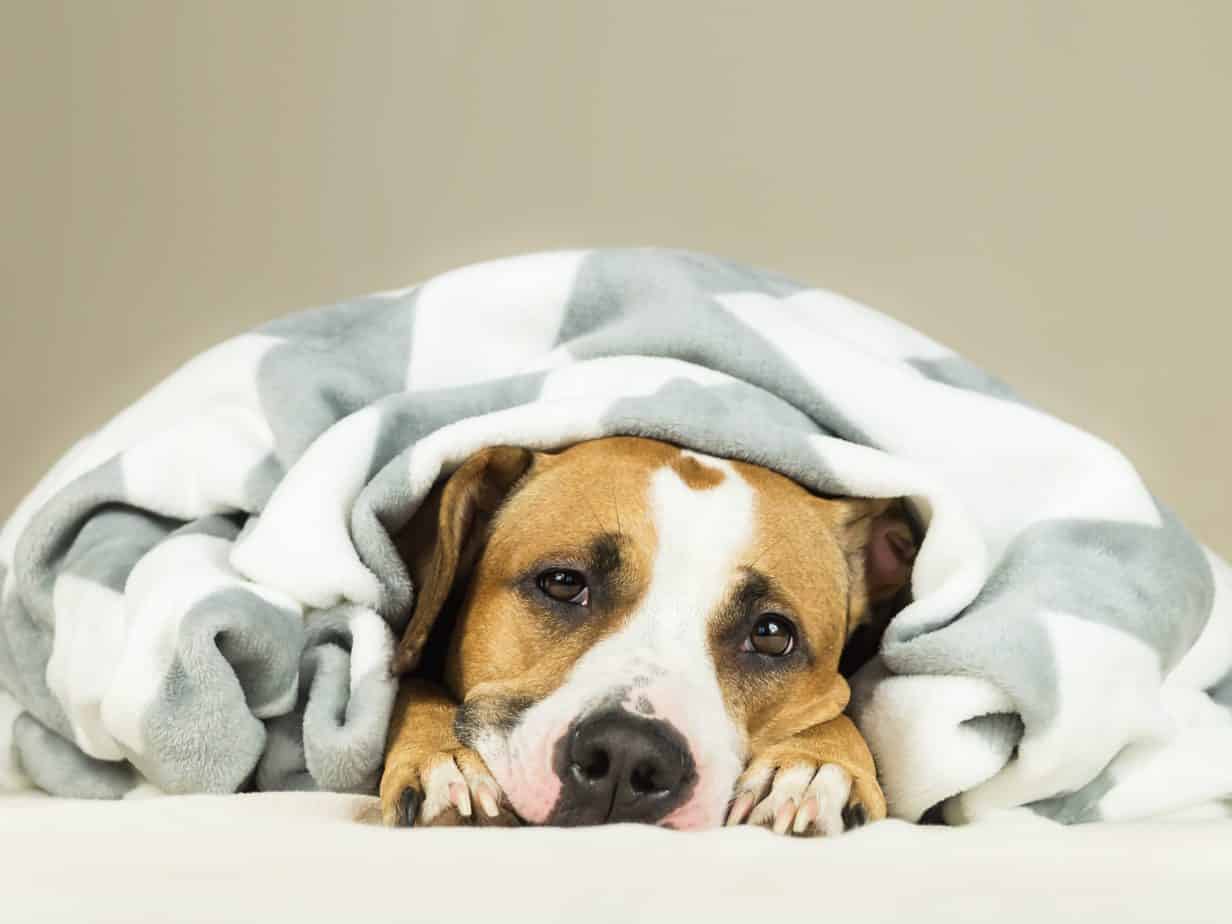
Having pets in your home is both amazing and hectic at the same time. It’s a huge responsibility, but when you see how much your pet loves you, the effort is worthwhile. We all know that our pets don’t speak, but that doesn’t mean that they can’t express what is going on with them.
You’ll be surprised to know that pets, especially dogs and cats, have a fantastic ability to show signs that something is wrong with them through their behavior. Therefore, pet parents need to keep a keen eye out for early warning signs of illness.
Don’t worry that you will fail to detect these early warning signs of illness. This blog will cover the telltale signs that your dog might show if there is something wrong.
Here you go:
A visible change in personality
When puppies or dogs feel sick or have some underlying health issues that you can’t see, it affects their personality and behavior.
Watch for signs of problem behavior like aggression, excessive barking, or separation anxiety that can indicate a sign of a health problem.
Although this odd behavior and change in personality will vary from pet to pet and breed to breed, one common thing is that there will be a visible difference in their personality.
To notice this change, you must pay close attention to your pet for a few days. However, if you don’t spend much time with them due to work, then don’t worry. Cat tracker and dog GPS will help you keep an eye on your pet, and you’ll know instantly if there is something wrong.
Unexplained weight loss
If your pet has always been healthy and suddenly you start noticing an unexplained weight loss, then this is a warning sign of potentially serious medical conditions. Your pet can be in a lot of pain due to any health issue.
Don’t put it off. Instead, take your pet immediately to their vet.
If you can create a detailed chart of their weight loss along with their routine, it’ll help the vet identify the problem, and your paw baby can feel better sooner.
Again, it requires your undivided attention to notice the changes in your pets, so make sure that you are not neglecting them under any circumstances.
New odd eating habits
If your pet starts developing weird or odd eating habits, then this can be an early warning sign of illness.
This is true for both dogs and cats. If your cat or dog has suddenly stopped showing interest in food and water, don’t take it lightly. You need to be concerned about malnutrition.
There is something wrong with your pet, and therefore, they are not eating a healthy amount of food.
If you ignore these early warning signs of illness, then failure to get proper nutrition will make your dog even more ill.
If your pet refuses to eat or consumes very little for more than a day or two, you should take them to the vet.
Always thirsty
In some cases, depending upon the type of illness, your pet will start drinking a lot of water and urinating more. Even if your pet is trained, they may be unable to urinate at the designated place as they lose control.
This can be a sign of a severe health issue.
Rather than giving your dog more water to drink, take your pet to the vet for a check-up before it’s too late.

Become sluggish
If your pet used to be very active and playful, but lately they have lost interest in playing and have become sluggish, it doesn’t mean that they are just not in the mood.
This is another early warning sign of illness. Something may be wrong with their health that is making them weak.
Therefore, you should never ignore signs that your pet is sleeping more than usual or if they have become lazy or uninterested in activities they usually enjoy. That can be a warning sign that illness is depriving them of their energy.
Please pay attention to early warning signs of illness and get your pet the medical care they need.
Monitor your dog’s health
Proactively monitoring your dog’s health is essential for ensuring a long, happy life and preventing potential health issues before they become serious.
Here are some key practices to keep in mind:
Schedule regular check-ups: Schedule routine visits to the veterinarian at least once a year, or more frequently for older dogs or those with pre-existing conditions.
These check-ups allow your vet to perform thorough examinations, update vaccinations, and detect any early signs of health problems. Discuss any changes in your dog’s behavior or routine, as these can be indicators of health issues.
Monitor weight: Keeping an eye on your dog’s weight is crucial, as obesity can lead to various health complications, including diabetes and joint issues.
Weigh your dog regularly and take note of any significant changes. A healthy weight varies by breed, so consult your vet to determine the appropriate weight range for your dog. Adjusting portion sizes and incorporating regular exercise can help maintain a healthy weight.
Provide a balanced diet: Nutrition plays a vital role in your dog’s overall health. Ensure your dog is getting a balanced diet appropriate for their age, size, and activity level.
Consult your veterinarian to choose high-quality dog food that meets their nutritional needs.
Be cautious with treats—opt for healthy options and limit the quantity to prevent overfeeding.
Observe behavior and habits: Pay attention to any changes in your dog’s behavior, such as increased lethargy, changes in appetite, or unusual barking.
These could indicate underlying health issues. Regularly check their fur, skin, teeth, and ears for any signs of problems, such as lumps, excessive itching, or odor.
Exercise: Regular physical activity is essential for your dog’s health.
Tailor the exercise regimen to fit your dog’s breed and energy level—some may require more vigorous activities, while others may do well with light walks.
Getting enough exercise promotes cardiovascular health, helps maintain weight, and keeps your dog mentally stimulated.
Comfort a sick dog
When your dog isn’t feeling well, it’s vital to create a calm and comfortable environment to help them recover.
Create a cozy space: Set up a quiet, comfortable area for your dog to rest. Use their favorite blanket or bed and make sure it’s located in a peaceful part of your home, away from noise and distractions.
Stay calm: Dogs can pick up on our emotions, so try to remain calm yourself. Softly spoken words, gentle touches, and a soothing presence can help ease their anxiety.
Monitor body temperature: A slight fever can indicate illness. Use a dog-specific thermometer to check their temperature. If it’s elevated, consult your vet for further advice on how to help them.
Stay hydrated: Make sure your dog has easy access to fresh water. Hydration is crucial, especially if they’re not eating. You can even consider offering ice cubes or adding a little low-sodium broth to their water to encourage drinking.
Adjust diet: If your dog doesn’t want to eat, try offering bland, easy-to-digest foods like boiled chicken and rice. Always consult your veterinarian before making significant diet changes.
Limit physical activity: Allow your dog to rest and recover without pushing them to play or exercise. Short, gentle walks may be fine if they feel up for it, but prioritize their need for rest.
Use calming aids: Consider using pheromone diffusers, calming collars, or anxiety wraps to help soothe your dog. You might also talk to your vet about natural supplements that can promote relaxation.
Keep your dog occupied: If your dog is awake and alert but still not feeling great, provide them with quiet activities like puzzle toys or soft chew bones to keep their mind engaged without overexerting them.
Consult your vet: If your dog’s discomfort persists or worsens, always reach out to your veterinarian for advice. They can provide guidance specific to your dog’s condition.
Final thoughts on early warning signs of illness
Being a responsible pet owner means being proactive about your dog’s health and well-being.
Regular veterinary check-ups are essential for early detection of potential health issues, and keeping a close eye on your dog’s weight can help you notice any concerning changes before they become serious.
Providing a balanced diet tailored to their specific needs ensures that your pet stays healthy and energetic.
When your dog does show signs of illness, it’s equally important to focus on their comfort and calmness.
Create a quiet space for them to rest, provide familiar bedding, and offer gentle reassurance.
Sometimes, simply spending time together can help alleviate their stress and make them feel more secure.
By being attentive and caring, you can help ensure your furry friend lives a happy and healthy life, and you’ll strengthen the bond you share.
Always remember that recognizing and responding to your dog’s needs is key to their overall health and happiness.