
Why whole food diets can help your dog live longer
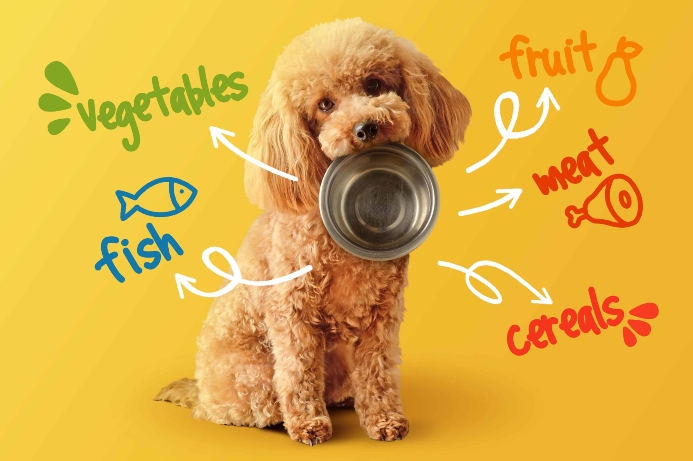
Your dog’s food bowl might be the single biggest lever you have on how long she sticks around.
Not the fancy orthopedic bed. Not the $80 toy she destroyed in four minutes. The bowl.
That’s a big claim, and you should be skeptical of big claims. Skepticism is healthy, especially when it comes to your dog’s health.
But stick with me, because the research on fresh, whole-food diets versus heavily processed kibble isn’t just sales hype cooked up by a boutique pet food startup. It points to something real, and it’s worth understanding before you make any changes.
The stat everyone’s talking about
- The stat everyone’s talking about
- What “whole food” actually means for a dog
- Reading a label like you mean it
- The benefits people notice before the longevity kicks in
- The part nobody wants to talk about: the risks
- How to actually switch without wrecking your dog’s stomach
- Buying it versus making it yourself
- The money question
- So, what now?
Here’s the headline: dogs fed a fresh, whole-food diet have been shown to live roughly two and a half to three years longer than dogs eating a diet built entirely around processed, industrially produced food.
For example, a study by Lippert and Sapy (published in 2003 in The British Journal of Nutrition) observed over 500 dogs and found a significant increase in lifespan among those fed homemade or fresh-ingredient diets compared with those fed only processed food.
Other research, such as studies published in the Journal of Veterinary Medicine and the Journal of Animal Physiology and Animal Nutrition, supports this trend.
One widely cited investigation followed over 500 dogs for five years and found that homemade, fresh-ingredient diets outperformed canned, ultra-processed food by more than 32 months of extra life. Nearly three years.
Let that sink in for a second. Three years is a huge chunk of a dog’s life.
For a medium-sized breed with a 12- to 14-year lifespan, that’s not a marginal improvement. That’s an entire extra chapter. That means more birthdays, more walks, and more mornings where your dog’s still there, tail thumping against the floor, waiting for you to get up.
Now, a fair warning: this research is non-experimental, not a tightly controlled clinical trial with a thousand blinded variables.
It can’t isolate diet from every other factor, like exercise, genetics, or how often a dog sees the vet. Correlation isn’t destiny.
But when multiple studies from different researchers in different countries keep landing in the same neighborhood of “fresh food, longer life,” that pattern deserves your attention.
Rejecting it outright would be just as unscientific as swallowing it whole.
So why does this happen? Why would swapping a bag of brown pellets for something that looks and smells like actual food add years to a dog’s life?
What “whole food” actually means for a dog

Let’s clear something up first, because the term gets thrown around loosely.
A whole-food diet for dogs isn’t a single, rigid formula. It’s a spectrum, and where you land on it depends on your budget, your time, and truthfully, your stomach for handling raw meat in your kitchen.
Here’s the range, from most to least processed:
Fresh, gently cooked food. Real cuts of meat, organs, vegetables, and grains, lightly cooked to preserve nutrients and kill pathogens, then usually frozen. Think of it as meal-prepped dog dinners.
Raw food (often called BARF, biologically appropriate raw food). Uncooked muscle meat, bone, and organs, sometimes blended with fruits and vegetables. This is the most controversial category, and for good reason. It has real benefits and real risks, which we’ll get into.
Pros and cons of raw diets at a glance:
Benefits:
- Potential for shinier coats, cleaner teeth, and smaller stools
- Meals are less processed, with ingredients you can recognize
- Some owners report their dogs have higher energy and better weight management
Risks:
- Higher chance of bacterial contamination, including Salmonella or E. coli if not handled properly
- Dietary imbalances are more common if meals are not formulated correctly
- Potential risk of bones splintering and causing choking or injury
- May not be suitable for puppies, older dogs, or dogs with certain health conditions
Considering these considerations can help you decide if a raw food approach is right for your dog and your household.
Freeze-dried or dehydrated whole food. Raw or lightly cooked food with moisture removed for shelf stability. You rehydrate it before serving. It’s a middle ground between raw and shelf-stable kibble.
Home-cooked meals. You, in your own kitchen, following a vet-approved recipe to make sure the nutritional math actually adds up.
What ties all of these together is what they’re not. They’re not built from rendered meat meal, corn gluten, and a chemical vitamin pack sprayed on at the end to hit a nutritional checklist.
They’re built from ingredients you’d recognize if you found them on a plate.
Reading a label like you mean it
If a full diet overhaul feels like too much right now, that’s fair. Start smaller. Start by actually reading the bag.
Most people flip a dog food bag over, scan for a picture of a happy golden retriever, and call it a day.
But the ingredient list tells the real story, and it’s written in an order that matters. Ingredients are listed by weight, heaviest first.
If the first three ingredients are corn, wheat, and “meat by-products,” you’re not looking at a meat-first diet. You’re looking at a grain-first diet wearing a meat costume.
Look for a named protein source at the top, like “chicken” or “beef,” not the vague and slightly ominous “meat meal.”
Look for whole vegetables and fruits, not just chemical vitamin additives standing in for real nutrition. And be wary of long lists of preservatives you can’t pronounce.
If the ingredient list reads like a chemistry exam, that’s not a great sign.
The dirty dozen: ingredients worth side-eyeing
- BHA and BHT (chemical preservatives linked to potential carcinogenic effects in some animal studies)
- Propylene glycol (a cousin of antifreeze, used to keep food moist)
- Corn syrup (added sugar your dog does not need)
- Meat by-products (vague and inconsistent in quality)
- Artificial food dyes (Red 40, Yellow 5, Yellow 6, purely cosmetic, zero nutritional benefit)
- Rendered fat (unspecified source, quality varies wildly)
- TBHQ (another synthetic preservative under scrutiny)
- Ethoxyquin (a preservative banned in human food in many countries but still legal in some pet food)
- Generic “animal fat” (no named species, no accountability)
- Excessive fillers like cellulose (bulks up the food without adding nutrition)
- Sodium hexametaphosphate (a dental additive that’s more chemistry than food)
- Artificial flavoring (masks lower-quality ingredients underneath)
None of these will drop your dog dead tomorrow. But over years of daily meals, they add up. Diet is a slow drip, not a light switch.
The benefits people notice before the longevity kicks in

Nobody waits three years to see if a diet change is working. The visible stuff shows up fast, and it’s often what convinces skeptical owners to stick with it.
Coats get shinier. Genuinely shinier, not “I think it looks better” shinier, but the kind of change where a friend asks what you switched. Fresh diets tend to be rich in real fats and omega-3s, which show up in skin and coat health within weeks.
Energy levels shift too. Dogs on heavily processed diets frequently run on a kind of sluggish, low simmer.
Owners frequently describe their dogs as “waking up” after a switch to whole foods, more playful, more alert, more like the dog they remember from puppyhood.
Digestion tends to improve as well. Smaller, firmer stools are a genuinely useful signal here. When a dog’s body isn’t working overtime to process fillers and indigestible bulk, less waste comes out the other end, and what does come out tends to be more consistent.
And then there’s weight. Obesity is quietly one of the biggest threats to a dog’s lifespan, arguably bigger than any single ingredient.
Whole foods, with their higher protein and lower filler content, tend to be more satiating, so dogs often self-regulate their intake better than they do on carb-heavy kibble.
None of this proves the three-year stat on its own. But it paints a picture that lines up with it. Better digestion, healthier weight, and lower systemic inflammation are exactly the kinds of things that would, over years, add up to a longer life.
The part nobody wants to talk about: the risks
Here’s where I have to be the person who pumps the brakes just a little, because whole food diets aren’t automatically safe just because they sound wholesome.
“Natural” is not a synonym for “risk-free.” Poison ivy is natural too.
The single biggest danger with home-prepared and raw diets is nutritional imbalance. Dogs need a precise balance of calcium, phosphorus, taurine, and a long list of vitamins and minerals.
Feeding your dog “real food” without accounting for that balance can quietly cause deficiencies or excesses that take months or years to show up as real health problems, things such as skeletal deformities in puppies or heart issues in adult dogs.
A study on homemade diets found that even small imbalances in homemade food could shift outcomes, for better or worse, depending on how it was formulated.
Raw food carries an additional risk: bacterial contamination. Salmonella and E. coli don’t care that you’re doing this out of love.
Raw meat needs to be treated with the same care you’d use for your own dinner: separate cutting boards, careful handwashing, safe storage, and quick consumption.
The fix for both of these problems is the same, and it’s not glamorous. Don’t freelance the nutrition.
Work from a recipe formulated by a veterinary nutritionist, or choose a commercial whole-food brand that’s done the formulation work for you and can back it up with a complete and balanced label claim.
If you need help finding a veterinary nutritionist, start by asking your regular vet for recommendations or checking with a veterinary college in your area. Many universities have clinical nutrition services that work directly with pet owners.
Before you change anything: talk to your vet first, especially if your dog has an existing health condition, is a puppy, is pregnant, or is an older dog. What works beautifully for one dog can be genuinely dangerous for another.
How to actually switch without wrecking your dog’s stomach
Dogs are not fans of sudden change, and their gastrointestinal tracts are even less enthusiastic about it. Switch too fast, and you’ll trade one problem for another, namely a very unhappy, very gassy dog and a carpet that needs cleaning.
The fix is a slow, deliberate transition. Consider it less like flipping a switch and more like turning a dimmer.
| Days | Old food | New food |
| 1–3 | 75% | 25% |
| 4–6 | 50% | 50% |
| 7–9 | 25% | 75% |
| 10–14 | 0% | 100% |
Watch the stool quality as you go. If things get loose, slow down and hold at the current ratio for a few extra days before pressing forward. There’s no prize for finishing early. The goal is a smooth landing, not a fast one.
Here’s a simple transition schedule to follow:
Days 1 to 3: 25 percent new food, 75 percent old food
Days 4 to 6: 50 percent new food, 50 percent old food
Days 7 to 9: 75 percent new food, 25 percent old food
Day 10 and onward: 100 percent new food
If your dog’s stomach seems unsettled at any stage, slow down and stay at that step for a few more days before increasing the amount of new food. Every dog is different, so let their digestion set the pace.
Buying it versus making it yourself

You don’t have to become a canine chef to feed your dog well. Plenty of commercial whole-food brands have already done the hard nutritional math, using human-grade ingredients and formulations reviewed by veterinary nutritionists.
Some reputable brands to start your research include The Farmer’s Dog, Nom Nom, Ollie, and JustFoodForDogs.
These are good examples, not endorsements, and it’s worth reviewing each one to see whether their offerings match your dog’s needs. As you look, compare their recipes against AAFCO nutritional adequacy standards, which is the baseline test for “does this actually meet a dog’s needs.”
If you’d rather cook at home, that’s completely doable, but treat it like a project, not a vibe. A basic vet-approved framework usually includes:
- A named animal protein making up roughly 40 to 50% of the meal
- Cooked vegetables and a small amount of fruit for fiber and micronutrients
- A carbohydrate source like rice or sweet potato, if appropriate for your dog
- A veterinary-approved vitamin and mineral supplement, because meat and veggies alone won’t cover everything
- Calcium, which is easy to overlook and critically important, especially for growing puppies
This isn’t a “wing it and hope” situation.
Recipes matter. Ratios matter. If you’re going to cook for your dog long-term, it’s worth a single consultation with a veterinary nutritionist to build a recipe that’s actually complete, not just well-intentioned.
The money question
Let’s address the elephant in the room: whole-food diets cost more. There’s no spinning that. Fresh and raw diets can cost two to four times as much as mid-tier kibble, and premium commercial fresh brands aren’t cheap either.
But cost isn’t just the sticker price on the bag. It’s the whole equation. Processed diets can be cheaper upfront and more expensive later, in vet bills for weight-related joint issues, digestive problems, or the slow onset of diet-related inflammation.
Whole-food diets may ask for more money now, in exchange for fewer surprises later.
Is that trade worth it for your household? Only you can answer that, and there’s no shame in saying no.
A dog fed a carefully selected, mid-range commercial kibble and given a great life is not being failed.
Perfect is not the standard here. Better is.
So, what now?
You don’t have to overhaul your dog’s entire diet tomorrow. You don’t have to become a raw-feeding evangelist or start a home kitchen operation worthy of a Michelin star.
Start smaller. Flip the bag over. Read the ingredients. Ask a real question: would I recognize this as food?
Small, deliberate upgrades: a better protein source here, fewer fillers there, add up over years the same way small neglects do.
Your dog isn’t asking for perfection. She’s just asking you to notice, and maybe to care a little more about what’s in the bowl than what’s on the label.
That’s not too much to ask. Not for three more years.
Sara B. Hansen has spent 20-plus years as a professional editor and writer. She’s also the author of The Complete Guide to Cocker Spaniels. She decided to create her dream job by launching DogsBestLife.com in 2011. Sara grew up with family dogs, and since she bought her first house, she’s had a furry companion or two to help make it a home. She shares her heart and home with Nutmeg, a Pembroke Welsh Corgi. Her previous dogs: Sydney (September 2008-April 2020), Finley (November 1993-January 2008), and Browning (May 1993-November 2007). You can reach Sara @ editor@dogsbestlife.com.