
The complete guide to Easter dog safety every owner needs
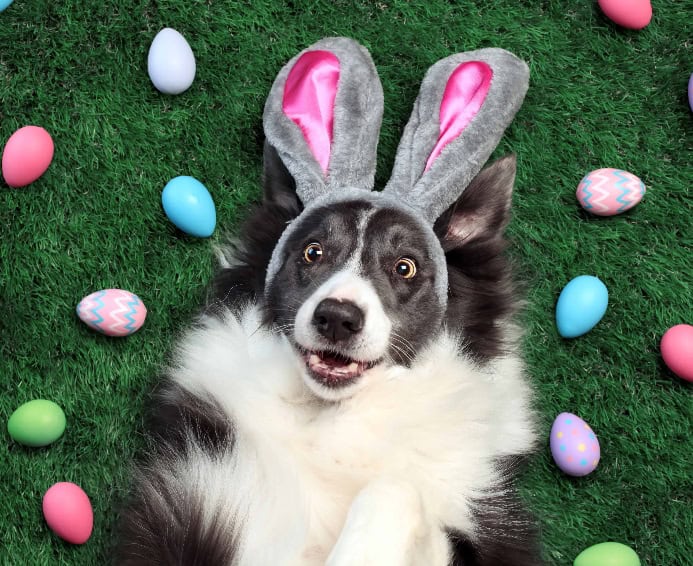
Let’s get real for a second. Easter is a minefield for dogs. You’re juggling family brunch, pastel decorations, and maybe a few hyper kids hopped up on sugar.
Meanwhile, your dog is sniffing around, plotting their next snack attack or toy heist.
It’s adorable—until it’s not. One wrong nibble and your holiday turns into a mad dash to the vet.
Sound dramatic? Maybe. But if you’ve ever googled “can dogs eat chocolate?” at 2 a.m., you know it’s not far from the truth. You want your dog to be part of the fun, not part of a cautionary tale.
Ever catch yourself scanning the room, thinking, “Is that safe for my pup?” Or feeling that pang of guilt when you see Fido eyeing the Easter goodies?
You’re not alone. It’s the anxiety of juggling celebration and responsibility.
And let’s be honest, no one wants to play Easter Bunny and Grim Reaper in the same afternoon.
You want your dog safe, happy, and maybe even a little spoiled. There’s no shame in being overprotective. In fact, it means you’re doing it right. Use this Easter safety for dogs guide to keep your pup safe.
Toxic foods to avoid during Easter
- Toxic foods to avoid during Easter
- Chocolate and its effects on dogs
- Other harmful Easter treats
- Danger of Easter lilies to dogs
- Risks of artificial grass and lawn decorations
- Small toy hazards and choking risks
- Tips for keeping your dog safe during Easter
- Safe Easter treat alternatives for dogs
- Fun Easter activities for dogs
- Spotting stress and anxiety in your dog during Easter chaos
- What to do in case of poisoning or an emergency
- Reminders about outdoor safety
- Emergency contacts and resources you need to know
- Ensure a happy and safe Easter for your dog
Let’s cut to the chase. Easter tables look like heaven to you—ham, casseroles, breads, and sweets galore. But for your dog? It’s a toxic buffet.
Ham and fatty foods can lead to pancreatitis.
Grapes and raisins? Kidney failure territory.
Even that innocent hot cross bun can be loaded with currants, which are dog kryptonite. Casseroles can contain dangerous ingredients, such as onions or chives, which are hazardous even in small amounts.
It’s almost like Easter was designed to keep your dog’s vet in business. So, before you turn your back on that plate or offer any table scraps, ask yourself: Would you let your dog eat it if it came with a warning label?
Chocolate and its effects on dogs
Let’s talk chocolate—the crown jewel of Easter baskets. Kids love it. Adults crave it.
Dogs? Well, their bodies can’t handle the party. Theobromine, the fancy chemical in chocolate, is basically a canine enemy.
Doesn’t matter if it’s white, milk, or dark chocolate. All chocolate is bad news.
Symptoms can sneak up fast: vomiting, hyperactivity, tremors, even death. Not to sound like a broken record, but there’s no “safe” amount. That Hershey’s Kiss could land your dog in the ER.
So, keep those baskets high and out of reach, no matter how much those puppy eyes plead.
Other harmful Easter treats
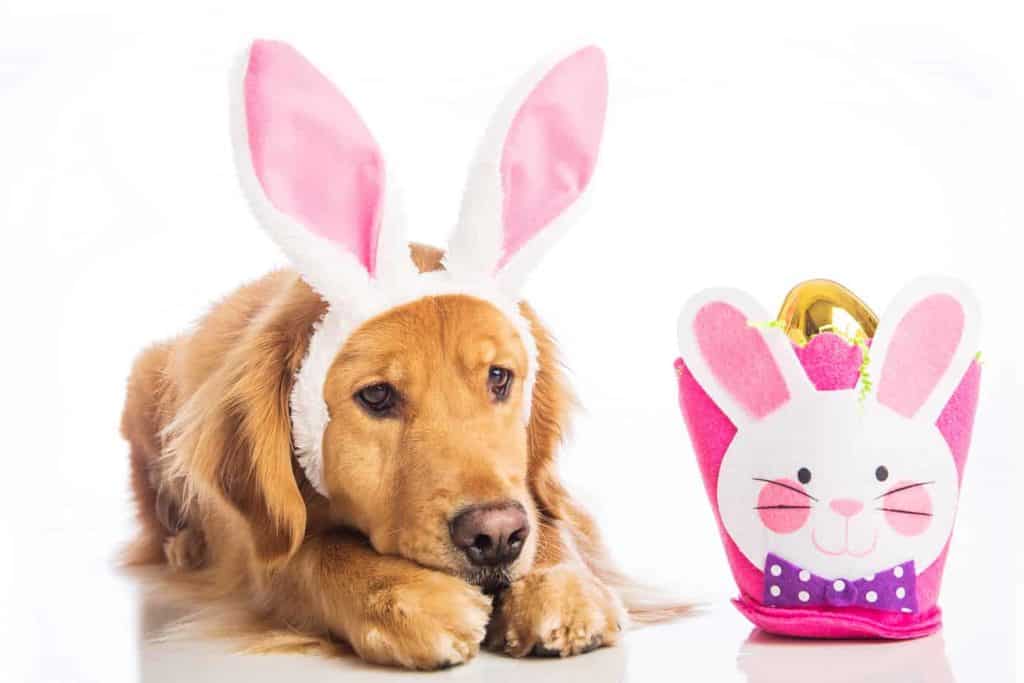
Think Easter chocolates are the only villain?
Think again. Sugar-free candies and gums often contain xylitol. This artificial sweetener is a silent assassin for dogs—causing a dangerous drop in blood sugar and, sometimes, liver failure.
Then there are macadamia nuts , another common snack that’s toxic to pups.
Even marshmallow chicks aren’t harmless; they’re sugar bombs that can upset your dog’s gut, leading to digestive issues and diarrhea.
And don’t get me started on desserts with caffeine or alcohol.
Your dog has zero tolerance for holiday cheer in edible form.
Danger of Easter lilies to dogs
You’d think flowers would be safe.
But Easter lilies? They’re gorgeous, fragrant, and deadly.
They’re famous for being toxic to cats, but dogs aren’t off the hook.
Chewing on leaves, petals, or licking pollen can cause stomach upset, vomiting, and, in severe cases, organ damage.
You love a pretty centerpiece, but it’s not worth the risk. If you must have lilies, keep them far from sniffing snouts.
Risks of artificial grass and lawn decorations
Plastic grass looks festive in baskets, right? Too bad your dog thinks it’s a snack. Easter grass can’t be digested, leading to intestinal blockages and a world of pain.
The same goes for dangerous decorations like plastic eggs, chicks, and plastic bunnies. If you wouldn’t eat it, neither should your dog.
And let’s not forget: windblown lawn decor can quickly become a chewing hazard.
Easter yard displays are fun—until you’re fishing plastic out of your dog’s mouth.
Small toy hazards and choking risks
Easter egg hunts are a blast. But those tiny toys, coins, and candies? Choking hazards in a pastel shell.
Dogs are experts at finding what they shouldn’t. A split-second, and that plastic egg is halfway down the hatch.
Small pieces can get stuck in the throat or cause gut blockages.
Don’t assume your dog “knows better.” Spoiler: curiosity always wins.
Tips for keeping your dog safe during Easter
You don’t have to bubble-wrap your house. Just get strategic:
- Keep all food out of reach—not just chocolate.
- Set up a dog-safe zone away from the chaos.
- Brief your guests. One “just a little treat” can have big consequences.
- Supervise egg hunts. Collect all the eggs (real and fake) before your dog does.
- Skip the lilies and opt for pet-safe flowers like sunflowers or roses.
- Toss the plastic grass—go for paper or fabric instead.
- Have your vet’s number handy, just in case.
You’re not being dramatic. You’re being prepared. And your dog will thank you—eventually.
Safe Easter treat alternatives for dogs
Let’s be honest—part of the fun is spoiling your dog rotten, but doing it smart. Skip the chocolate and sugar bombs. Instead, reach for safe fruits and vegetables:
- Carrot sticks: Crunchy, sweet, and packed with vitamins. Most dogs dig them.
- Apple slices (no seeds): A little fruity, a little tart, and totally safe. Just ditch the seeds—they’re not dog-friendly.
- Blueberries: Like doggie candy, but full of antioxidants.
- Cooked sweet potato cubes: Soft, sweet, and easy on the stomach.
- Cucumber rounds: Cool, refreshing, and low-calorie—perfect for pudgy pups.
- DIY puppy Easter eggs: Mix plain canned pumpkin with a spoonful of xylitol-free peanut butter. Roll into small balls or stuff into a food puzzle toy. Chill for an extra treat.
Want to get fancy?
Bake your own dog biscuits with oat flour, banana, and a little unsweetened applesauce.
Or freeze plain Greek yogurt with berries for a cool, festive snack.
Bottom line: if you wouldn’t eat it—or if it belongs in a candy store—your dog doesn’t need it.
Spoil with love and real food, not regrets.
Fun Easter activities for dogs

Dogs deserve some Easter fun, too—and no, they don’t have to miss out on the games.
Try a scent hunt: hide pieces of kibble or their favorite treats around the yard (or inside, if the weather’s not cooperating).
Let your dog use that superstar nose to sniff out the goodies. It’s like an egg hunt, but safer (and way more exciting for your dog).
Not feeling crafty? Pick up a bunny-shaped chew toy or a tough fabric egg that squeaks.
There are plenty of Easter-themed dog toys that are festive and safe. Skip anything small enough to swallow or with plastic bits that could break off.
Want to make it social? Set up a “bobbing for treats” game with a shallow water bowl and floating apple slices—supervised, of course.
Or just let your dog chase bubbles in the yard. Simple, safe, and guaranteed to get tails wagging. Including your dog in the festivities keeps them happy and out of trouble.
Plus, you get all the photo ops you could ever want.
Spotting stress and anxiety in your dog during Easter chaos
Let’s face it—Easter can get loud, crowded, and just plain overwhelming, even for the chillest of dogs.
All that excitement? It’s a lot to take in.
So, how do you know if your pup’s not loving the party?
Watch for the telltale signs: panting when it’s not hot, pacing like they’re training for a marathon, hiding under the table, pinned-back ears, yawning, licking lips, or flat-out refusing to join the fun.
If your dog’s giving you the side-eye from the hallway, believe them—they’re stressed.
Here’s the move: set up a doggie safe space.
Think quiet room, cozy bed, maybe a favorite toy. Some dogs dig soothing music or a white noise machine—yes, really.
Keep guests from crowding them, and let your dog decide when they’re ready to mingle. It’s not coddling, it’s smart.
You’d want a break from the chaos, too. Their emotional well-being matters just as much as their physical safety. Show your dog you get it.
What to do in case of poisoning or an emergency
Accidents happen. If your dog eats something suspicious, don’t play the waiting game. Call your vet or an emergency animal clinic right away.
Be ready to say what your dog ate, when, and how much. If you have packaging, bring it with you.
Don’t try to make your dog vomit unless your vet says so. Time is everything. The sooner you act, the better the odds.
Reminders about outdoor safety

Easter is prime time for backyard fun, but outdoor hazards can sneak up fast.
Before you let your pup loose in the yard, do a quick sweep.
Spot any old lawn chemicals or fresh fertilizer? Give those areas a wide berth—most garden products are a big no-no for dogs.
Check for sharp garden stakes, forgotten tools, or tangled decorations hiding in the grass.
And after an egg hunt, make sure there aren’t any leftover eggs (real or plastic) or deep holes that could trip up a sprinting dog.
Rabbit holes are cute—ankle sprains and tummy aches are not. A few extra minutes of vigilance now can save you a world of trouble later.
Emergency contacts and resources you need to know
No one wants to think about emergencies, but having the right numbers at your fingertips can make all the difference.
On top of your vet’s info, keep these contacts close:
- ASPCA Animal Poison Control Center: 1-888-426-4435. Available 24/7 (a consultation fee may apply).
- Pet Poison Helpline: 1-855-764-7661. Open 24/7 (fee applies).
- Local emergency animal hospital: Save their number in your phone now—don’t wait until you’re panicking.
Quick action saves lives.
Don’t hesitate to call if you’re even a little worried about what your dog got into.
You’ll never regret being over-prepared.
Ensure a happy and safe Easter for your dog
You want memories, not mayhem. Easter can be magical for your family and your best furry friend—if you stay one step ahead.
Ignore the eye rolls from family when you’re on “dog patrol.” You’re not being extra. You’re being a hero in a bunny costume.
Keep the treats for the humans, play it safe, and give your dog what they really want: your time, your love, and maybe a squeaky toy that doesn’t double as a choking hazard.
Here’s to a safe, happy, and totally uneventful Easter for you and your dog.
Sara B. Hansen has spent 20-plus years as a professional editor and writer. She’s also the author of The Complete Guide to Cocker Spaniels. She created her dream job by launching DogsBestLife.com in 2011. Sara grew up with family dogs, and since she bought her first house, she’s had a furry companion or two to help make it a home. She shares her heart and home with Nutmeg, a Pembroke Welsh Corgi. Her previous dogs: Sydney (September 2008-April 2020), Finley (November 1993-January 2008), and Browning (May 1993-November 2007). You can reach Sara @ editor@dogsbestlife.com.