Everything you need to know to manage an allergic reaction to dogs
What many of us don’t realize is that allergies can be managed – you don’t have to consider giving up on the family dog. Start by identifying the problem.


Dogs suffer from allergies like humans. They most often react to flea bites, food, and medicine. Treatment options vary but start by eliminating the source.
Warning signs: Itching, swelling often indicate your dog is allergic to something.
Excessive scratching can be a sign of food allergy: Ingredients in commercial food such as corn, soy, dairy, fish, chicken, eggs, and wheat can trigger allergies.
Relieve pet dander allergy: A pet dander allergy can be frustrating. But you don’t have to give up your dog. Instead, learn to manage allergy symptoms.

What many of us don’t realize is that allergies can be managed – you don’t have to consider giving up on the family dog. Start by identifying the problem.
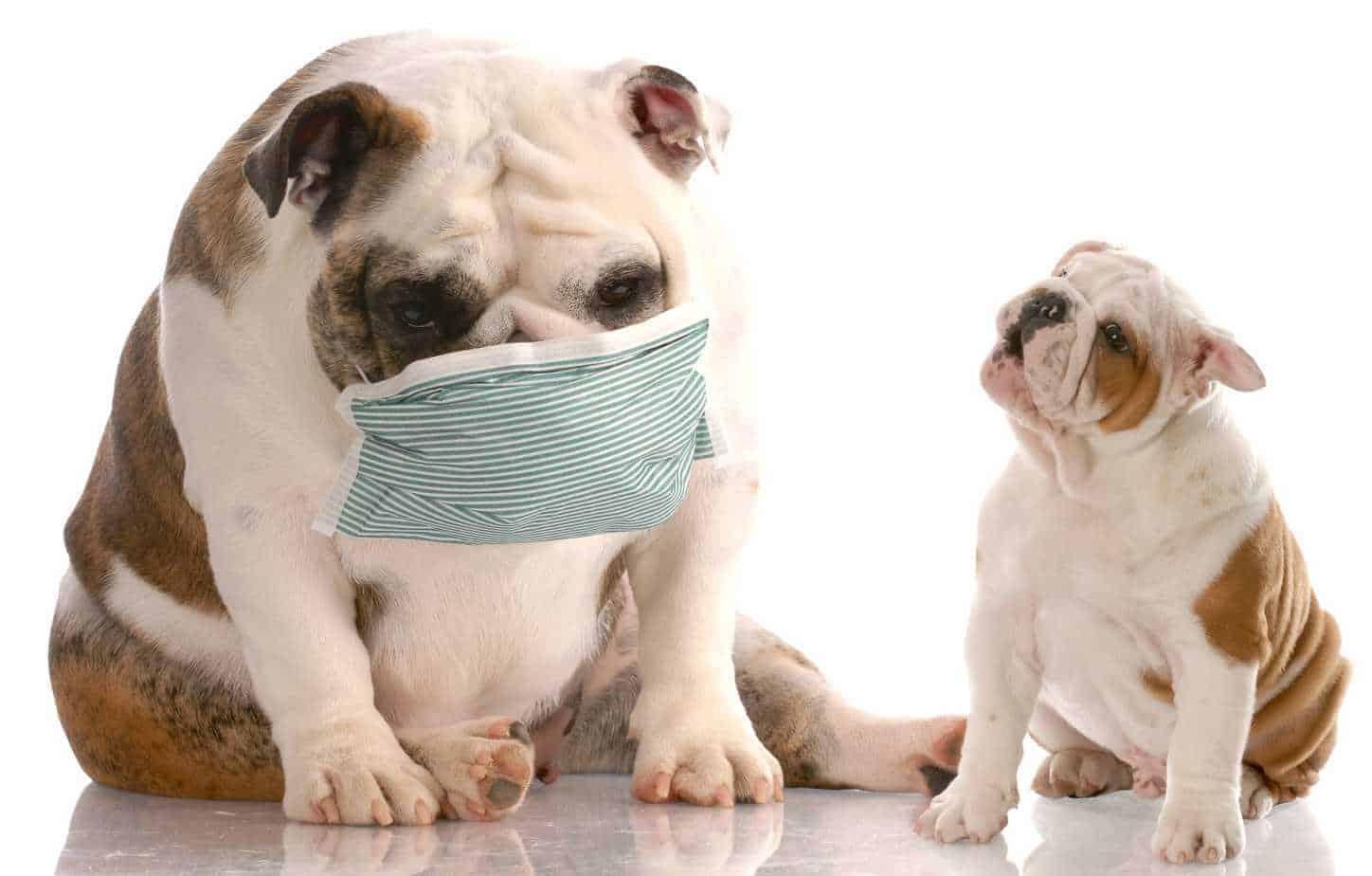
Changing HVAC filters is especially important in homes with dogs who have been diagnosed with allergies. Their powerful noses make them more sensitive.

Vet warning signs: Take your puppy to be checked if he exhibits warning signs including skipping meals, excessive thirst, sluggish behavior, or vomiting.

Many dogs suffer spring-time allergies and hot spots each year. Flea bites, pollen, dust and mold can trigger allergic reactions.

By Nancy Cope Many canines suffer from dog allergies and hot spots each year. Owners often wonder how to tell if their dog is allergic to something. Dogs have skin reactions when allergic on top of watery itchy eyes. So if your dog is scratching too much they could just have an allergy or…

Keep your dog-friendly home clean by brushing your dog, vacuuming regularly and taking your dog outside often.
[mc4wp_form id=”13217″]