Roadmap to optimal dog health: Navigate from A to Z with confidence
Discover expert dog health guides covering nutrition, exercise, common conditions, preventive care, and mental wellness.

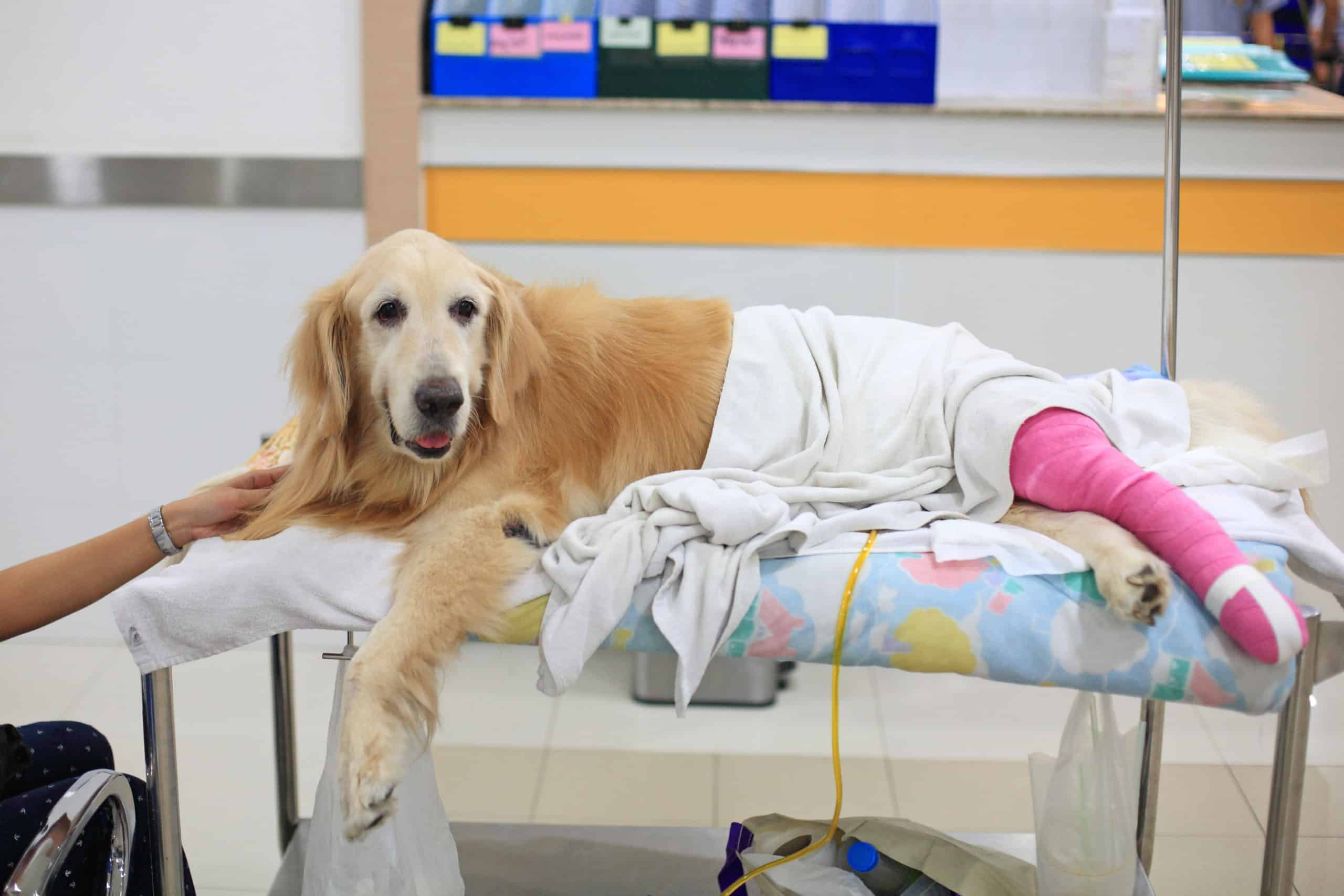
Hip dysplasia is a painful, crippling orthopedic disease. It’s usually caused by sloppy breeding of two parents prone to the disease.
Larger breeds most often suffer from hip dysplasia, but smaller breeds also are susceptible.
Hip dysplasia occurs in the “ball and socket” joint when the “ball” does not fit tight in the “socket.”
That poor fit then causes friction, inflammation, cartilage damage, and pain. The condition often causes crippling arthritis.
The disease is labeled as acute and chronic. Acute or early-onset is seen in young dogs and is marked by severe pain and limited mobility. Chronic is diagnosed in older dogs. But it also can appear in dogs less than a year old. The condition is painful and limits the dog’s range of motion and has caused arthritis to set in.
Surgery often can help correct the condition.
Warning signs: lameness or limping after exercise or walks, waddling or swaying gait, difficulty standing up, stiffness especially on cold, damp days, moodiness, unenthusiastic to move, protective of the hip area, and decreased range of motion around hips. Being overweight adds extra pressure to the hips and can exacerbate the condition.

Discover expert dog health guides covering nutrition, exercise, common conditions, preventive care, and mental wellness.

Discover the adorable behavior of dog splooting, its significance in emotional well-being, and the breeds most prone to it.
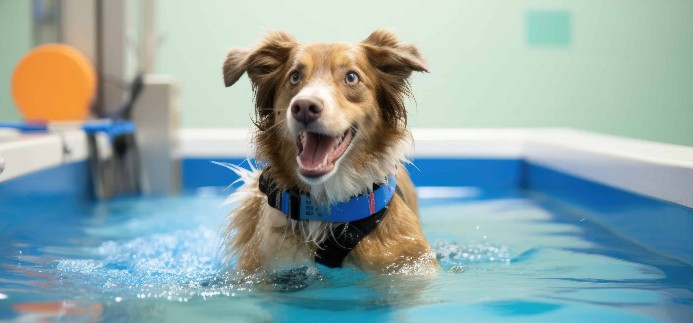
Dog hydrotherapy utilizes water’s healing properties to enhance mobility, alleviate pain, and support rehabilitation.
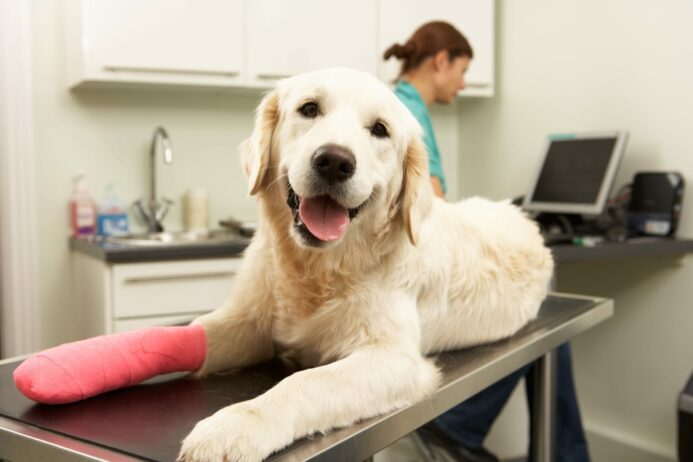
Use our guide to learn how to identify and address the causes of your dog’s limping. Determine the severity and discover home remedies.
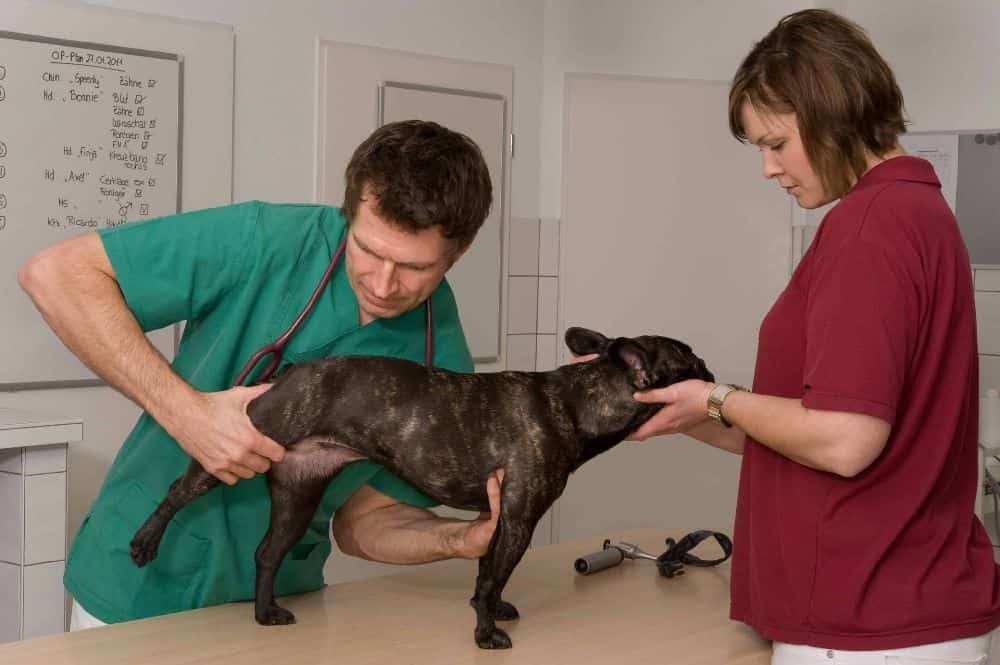
Early detection of hip dysplasia symptoms can help to manage this condition and reduce the need for more invasive treatments such as surgery.
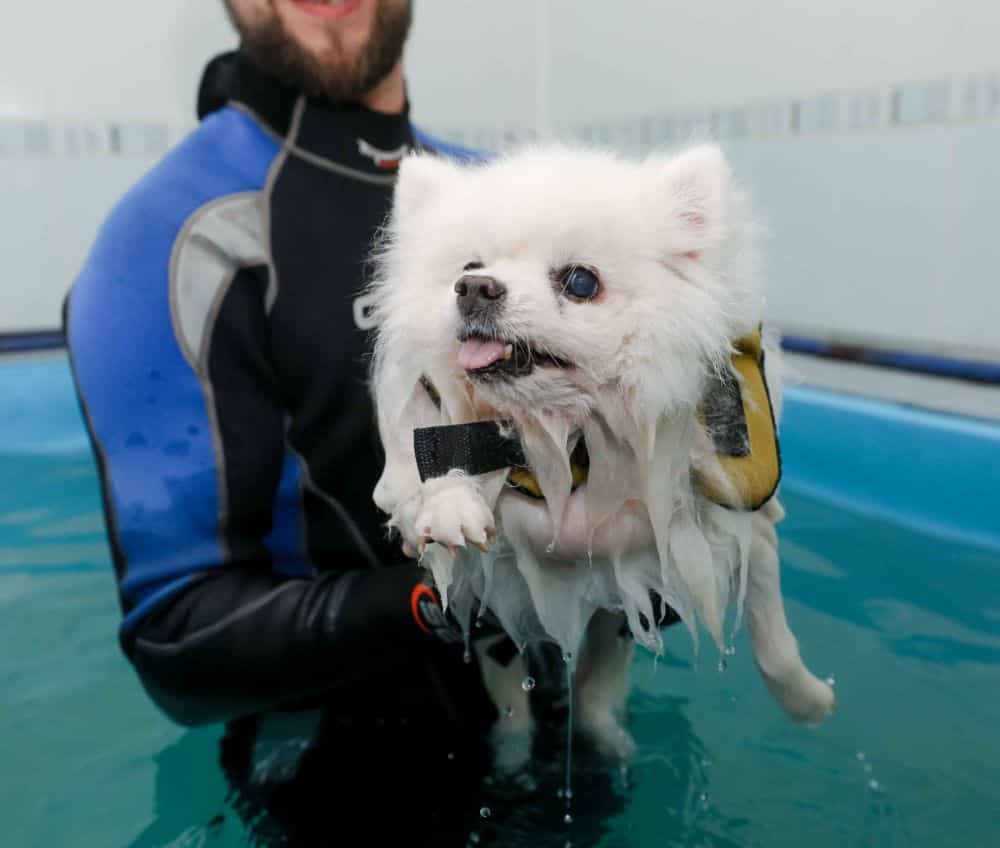
If you’re a dog parent, you want the most excellent for your canine companion. In case your pooch is experiencing health problems like joint inflammation or stress, you might want to explore various remedies to enhance their well-being. A contemporary approach that is becoming more popular is canine hydrotherapy, which utilizes water to assist dogs…
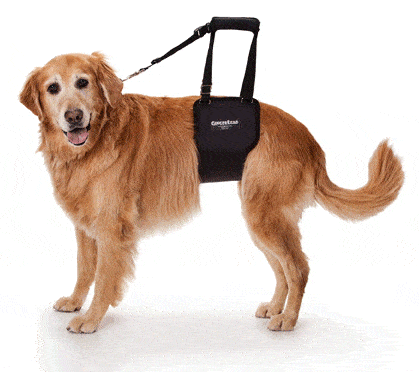
Barry Rubenstein’s GingerLead support slings are designed to help owners support and control dogs recovering from knee, hip or back surgery.
Hip dysplasia is frequently a painful, crippling genetic, developmental orthopedic disease that can strike dogs when they are very young.
[mc4wp_form id=”13217″]