The first 5 things to teach your puppy
Teach your puppy: Start with his name, socialization, potty training, basic commands, and his safe spaces.

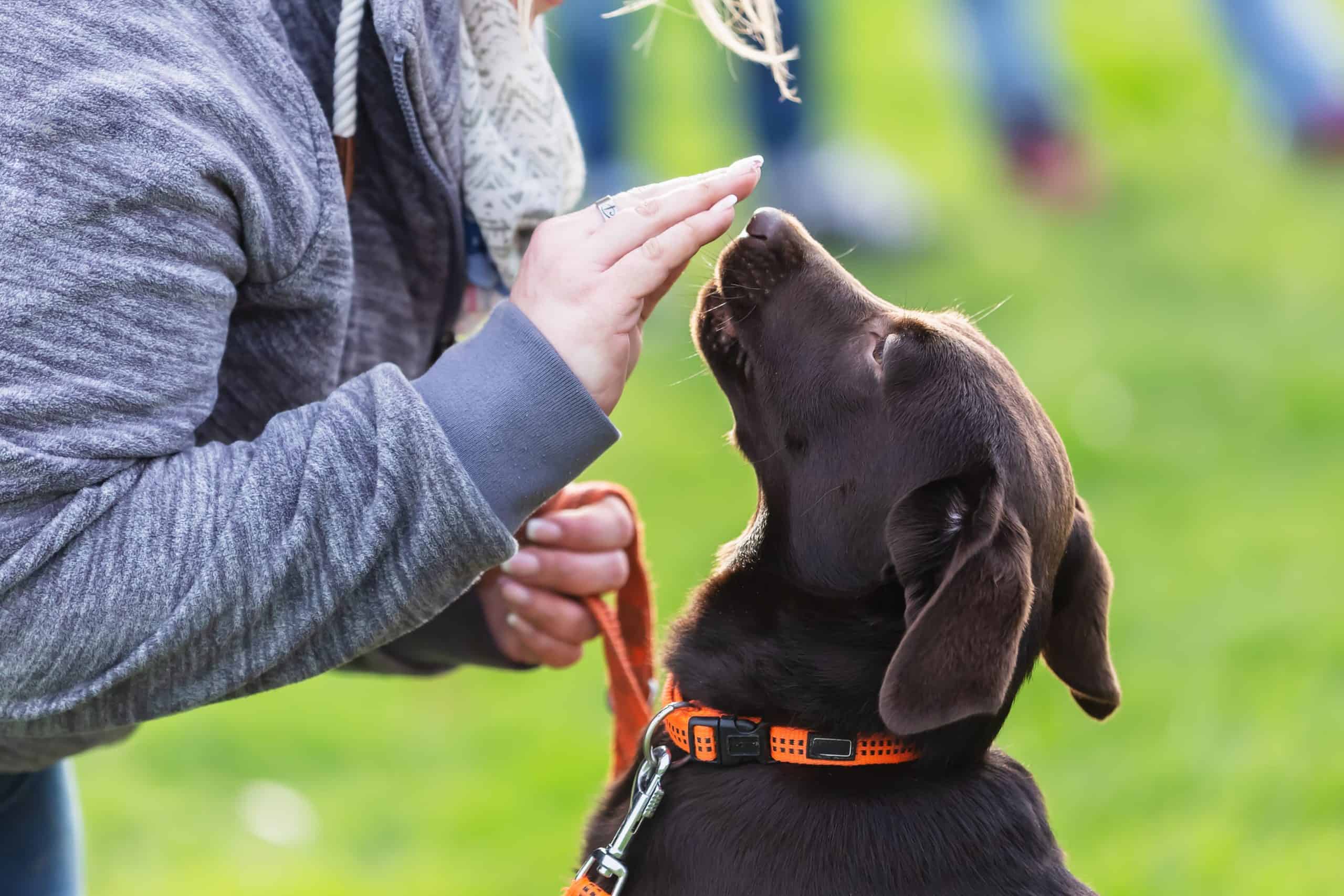
Training your dog takes time and effort. And it needs to start the day you bring your puppy or dog home.
Dog training should be a lifelong project for you and your dog. Make it fun and mix playtime with dog training.
To be successful, use these dog training tips: Be a leader, be firm, humane, and praise.
Dogs are social, pack-oriented animals who respond best to a leader figure, whether dog or human. The best pack leaders are the ones who are the most consistent. Dogs react to consistency because they know they can trust the consistent leader. Consistent leaders don’t invite the dog onto the couch one day and punish him the next when he jumps on the couch without permission.
Good leaders are firm without being harsh. A good leader tells the dog to do something. He or she doesn’t shout at the dog, plead with the dog or scream at the dog to obey. The punctuation at the end of a good leader’s command is merely a period.
Third, a good leader is compassionate. He or she doesn’t punish the dog for mistakes made by the leader.
When the dog does something praiseworthy, deliver approval immediately. A good leader does not praise unwanted behaviors, no matter how unintentional the recognition may be.
If the dog shows fear, aggressiveness, or timidity, the good leader either ignores the behavior or tells the dog to knock it off. The good leader doesn’t praise and, therefore, encourage the response by stroking the dog, telling him it’s OK, you’re a good boy, etc., while the dog is acting out.

Teach your puppy: Start with his name, socialization, potty training, basic commands, and his safe spaces.
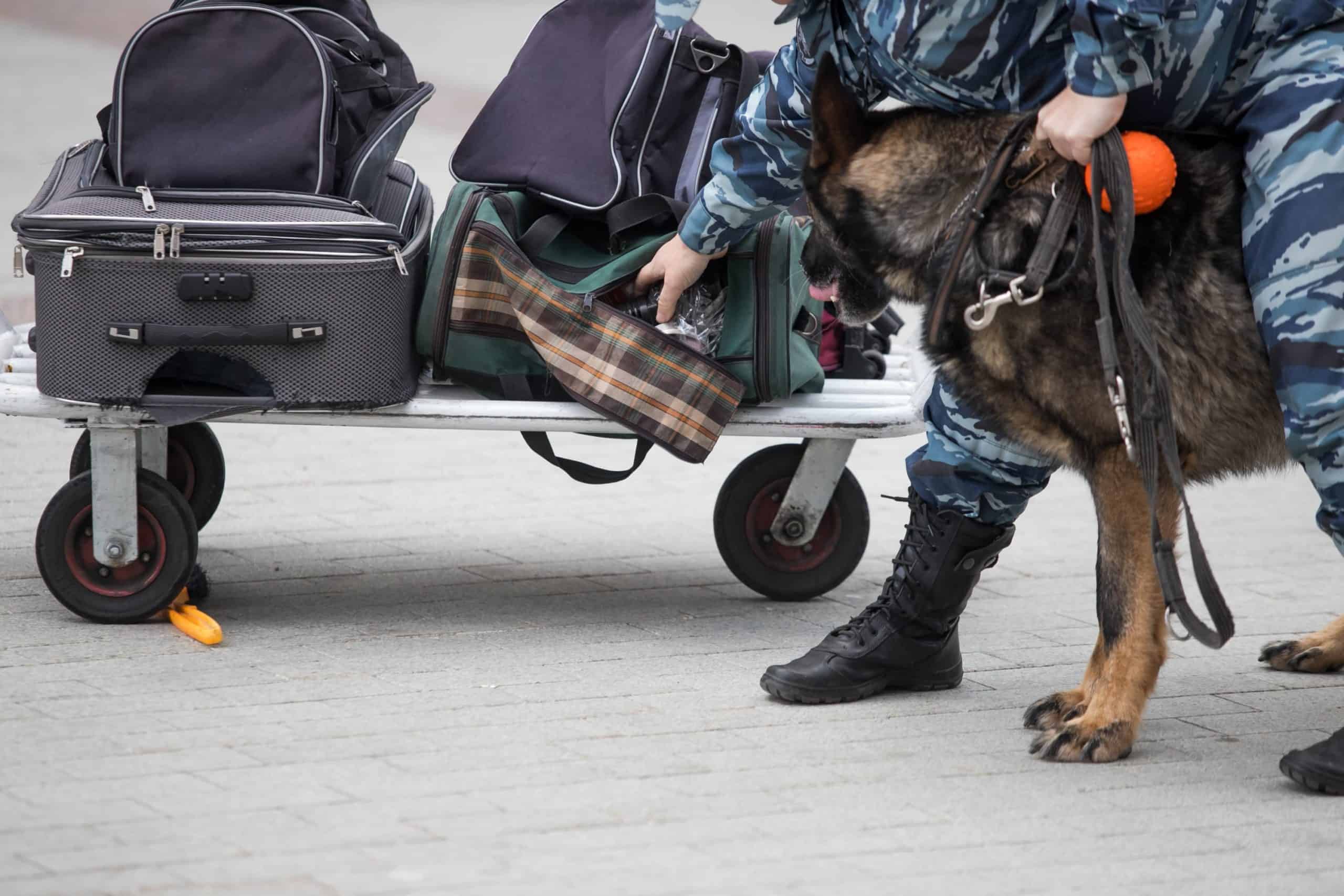
Nose work for dogs uses canines powerful scent receptors to fight crime, track poachers, save avalanche victims, and find truffles.
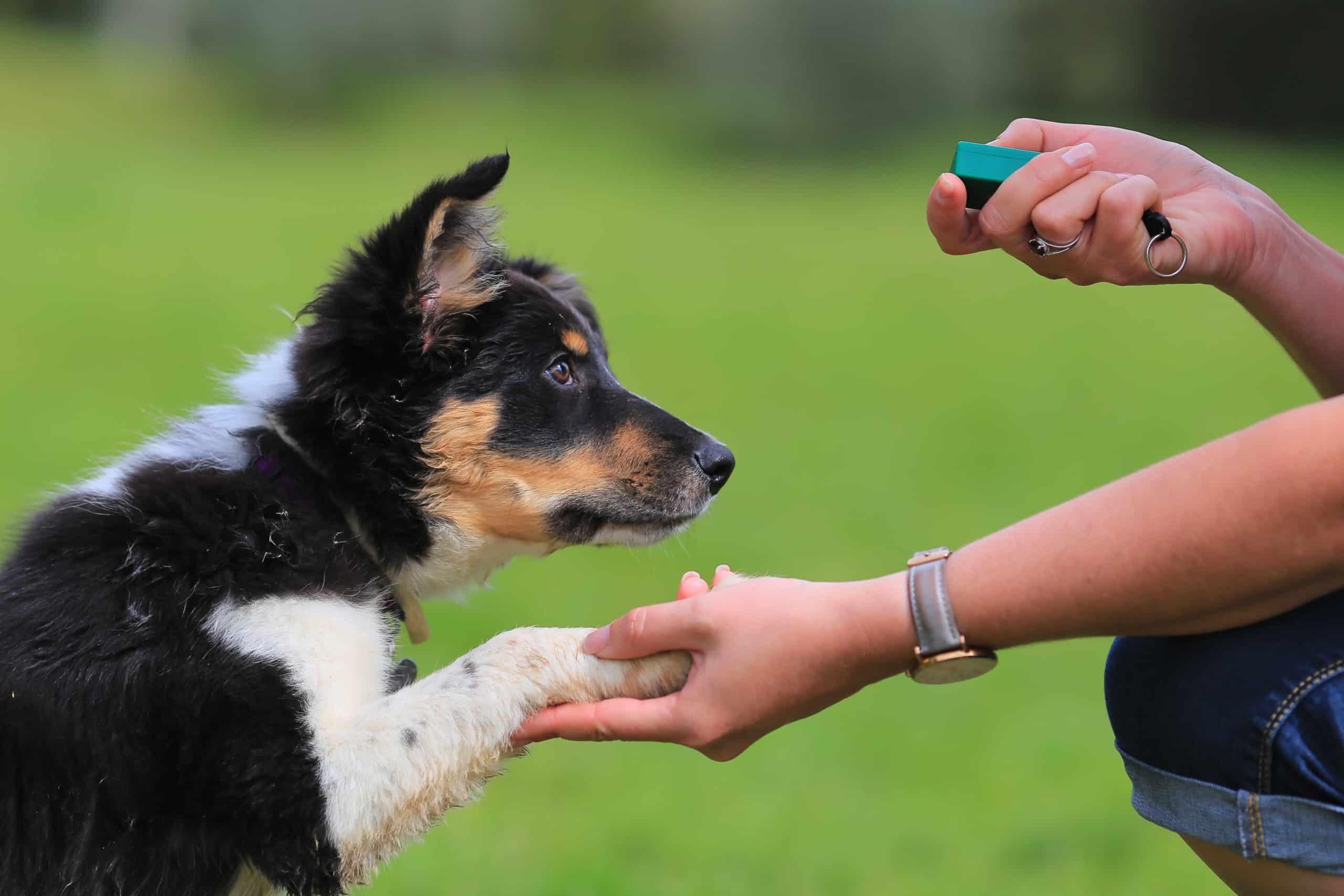
If your dog is not motivated by food, it’s not the end of the world. You just have to get a little more creative in how you reward your dog.

Stop dogs digging by modifying your dog’s behavior. Most dogs dig because they are bored. Provide exercise and mental stimulation.

Bring your pet to college to help you manage your homesickness and the stress of college life. Make sure you have time to care for your dog.

Follow these training tips to help your puppy establish good behavior traits. Set a schedule and stick to it. Focus on house training.
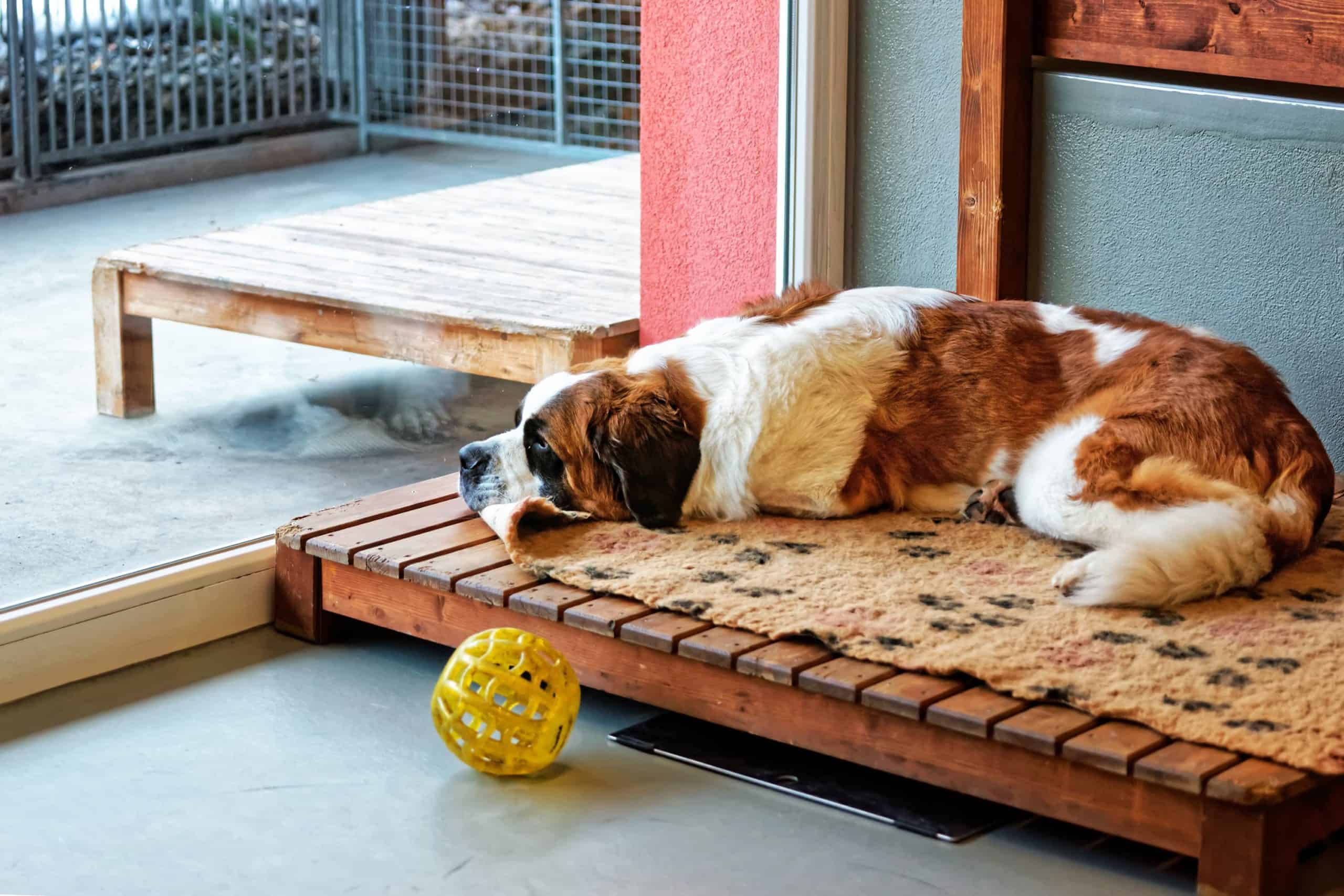
Using dog kennels helps boost your dog’s physical, mental, and emotional well-being. Boarding your dog helps improve socialization skills.

Napoleon Complex: Small dogs without training and appropriate boundaries try to dominate and exhibit bad behavior including aggression, nipping and jumping.
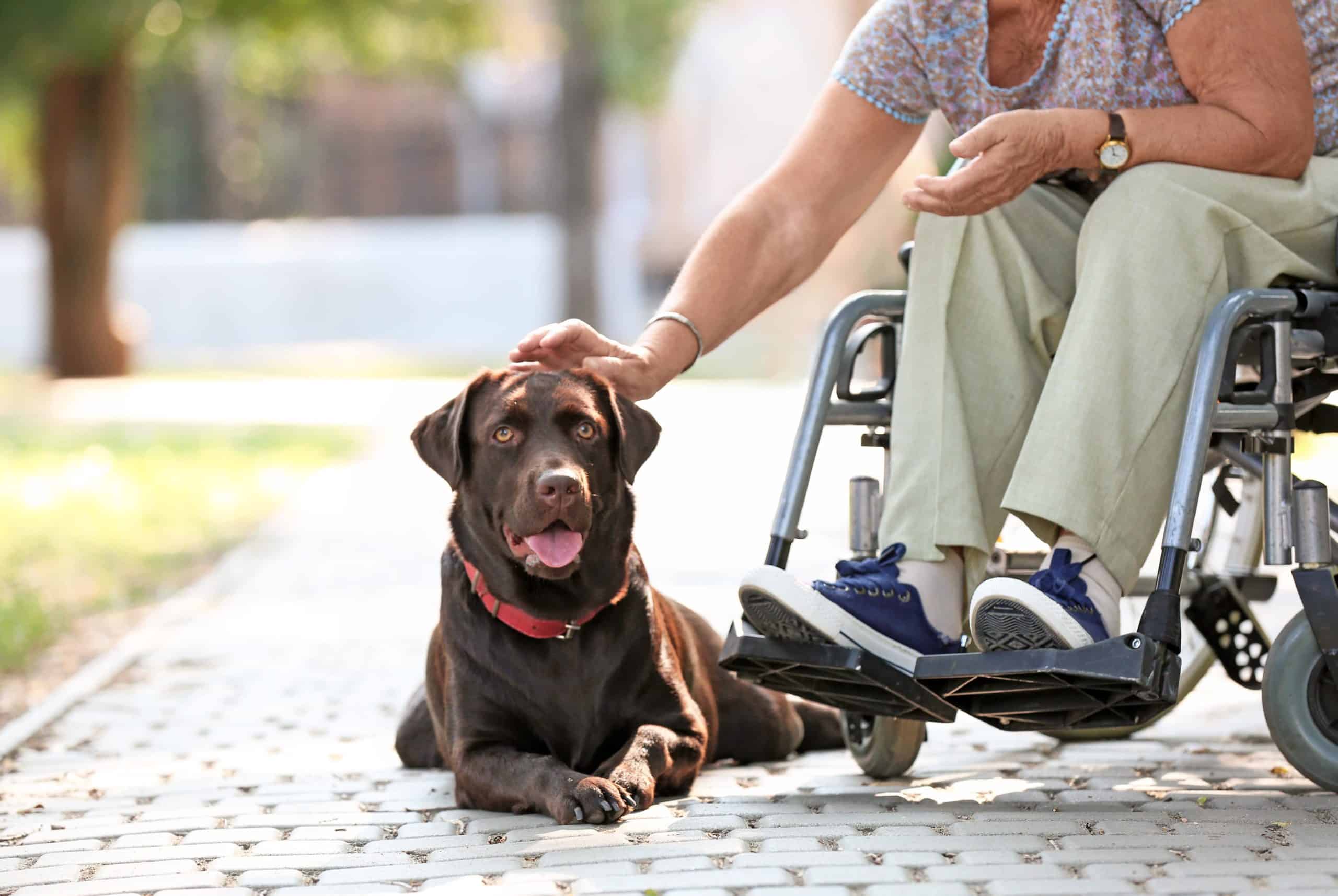
While you don’t legally need to certify your dog, it’s easier to show documentation rather than get into a legal argument about service dogs.

To calm an aggressive dog, start by determining what’s causing the aggression so you can develop strategies to help your dog.
[mc4wp_form id=”13217″]