
Ultimate guide: How to know when dog drooling becomes dangerous
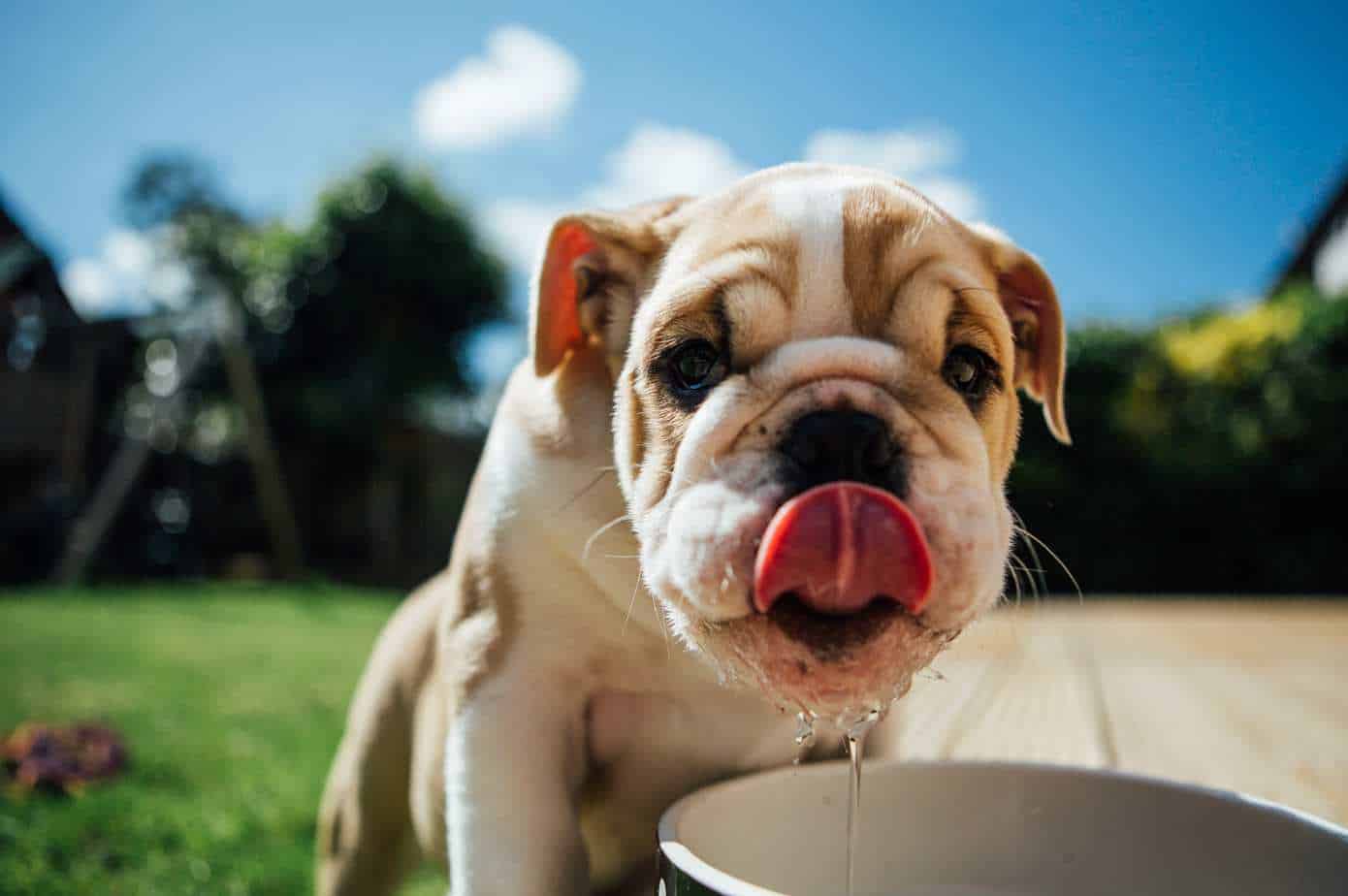
Have you noticed that your dog has recently begun to drool excessively? While it is normal for dogs to salivate, mainly when being fed, excessive dog drool or hypersalivation can indicate that something is wrong.
As a dog owner, you must understand the common reasons for excessive dog drool. And be sure to take your dog to the vet if you notice unusual conditions like excessive dog drool.
Inadequate dental health
You might not be aware of this, but tartar accumulation on teeth can lead to hypersalivation. You need to inspect your pet friend’s teeth and gums. Gum disease can lead to tooth loss, affecting the overall quality of life.
The obvious solution is to clean your pet’s teeth daily using a special brush. Professional cleaning is also recommended, as the doctor will use modern-generation equipment to eliminate all of the tartar from the teeth. The vet can also prescribe the right treatment for gum disease, improving your dog’s oral health.
Motion sickness
Dogs can be just as affected by motion sickness as humans. Due to nausea, dogs will breathe and drool excessively. It is important to recognize that your dog is not feeling well when in a car and take the necessary measures to improve its comfort.
Pet harnesses and canine seat belts can be used for dogs suffering from motion sickness. You should also pay attention to your driving and avoid sudden brakes or aggressive turns. The vet can prescribe additional remedies against car sickness.
Chronic conditions
Whether we want it or not, dogs age, and their bodies begin to deteriorate. When a dog suffers from a chronic condition, such as a disease affecting the liver or kidneys, it might salivate excessively. This is just one of the symptoms of organ disease in dogs, so it is essential to watch out for other signs.
Aging dogs should be taken to the vet twice per year so that the vet can diagnose any dangerous conditions at an early stage. For older dogs, it is essential to provide the best possible comfort and ensure there are no additional stressors making things worse. The vet can prescribe symptomatic treatment to reduce excess salivation.
Eating poisonous substances or plants
Dogs are curious creatures by nature. They are especially drawn to plants, so you need to be careful about such matters. Not only can certain plants, such as azaleas, tulips, and chrysanthemums, make your dog drool in excess, but they can also cause additional symptoms, requiring emergency intervention.
The same goes for any other poisonous substance in your home. It is best to keep insecticides, various cleaners, and other potentially harmful substances locked up. You should also place poisonous plants where your dog cannot reach them.
Upper respiratory tract infection
Excessive drooling can be a symptom of a respiratory infection affecting the upper tract. Your dog might also have breathing difficulties and experience a state of general malaise. These infections are easily picked up at the park, primarily if your pet has interacted with other dogs.
In this situation, you must take your pet to the vet and get an accurate diagnosis. The vet can recommend suitable treatment and methods for your dog to recover faster. You will be advised to keep him indoors, avoid contact with other pets, and avoid excessive physical effort while he is sick.
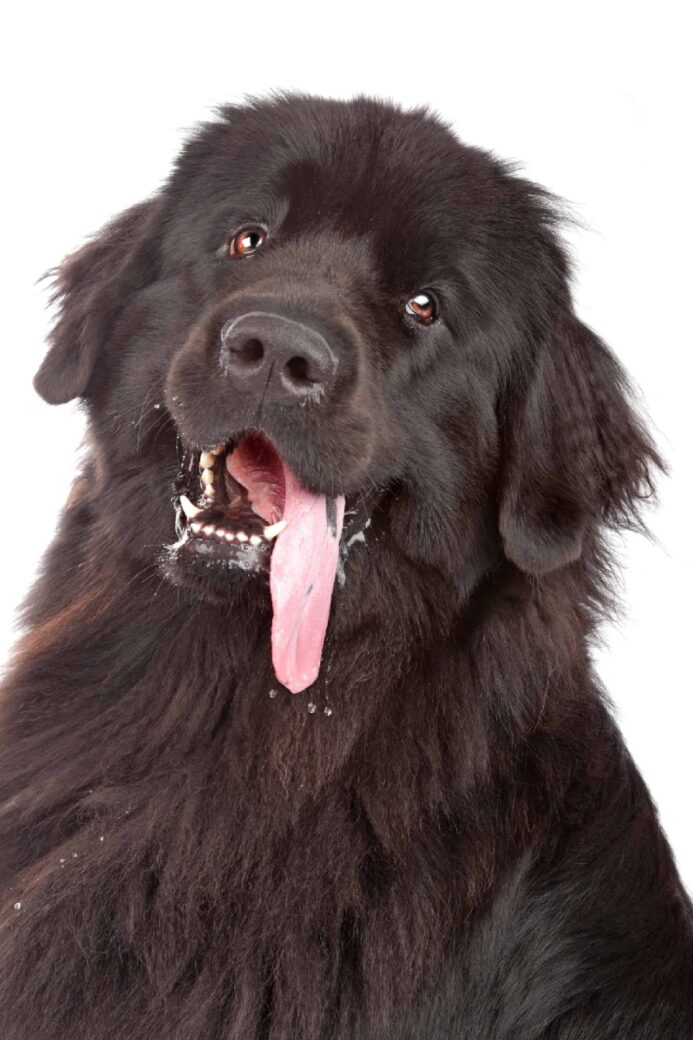
Understand genetics
Certain breeds are predisposed to higher saliva production due to their anatomical features, which their inherited traits may influence.
For example, breeds like the St. Bernard, Bloodhound, and Mastiff are known for their loose skin and jowls, often resulting in excessive dog drooling. This is due to their mouth structure and salivary gland configuration.
Furthermore, genes can affect the overall health and function of a dog’s salivary glands. Some genetic conditions can lead to an overproduction of saliva or hinder the ability to swallow it properly.
For instance, dogs with certain inherited disorders may struggle with controlling their saliva flow, leading to more noticeable drooling.
Moreover, pedigree and lineage can also shed light on drooling tendencies. Dogs bred from lines known for excessive drooling might carry those traits, leading to a higher likelihood of similar behavior in their offspring.
In addition to physical traits, genetics can influence a dog’s overall temperament and stress levels, indirectly affecting drooling.
Stress or anxiety can lead to increased saliva production, meaning a genetically predisposed dog may drool excessively in stressful situations.
Understanding a dog’s genetic background can provide insights into its drooling tendencies and help owners manage this behavior more effectively.
How to help a dog that drools excessively
Excessive drooling in dogs can be a common issue, but there are effective strategies pet owners can implement to help manage it.
Here are some tips to consider:
Maintain a healthy diet
Feed your dog a high-quality, balanced diet suitable for its age, size, and breed. Certain foods can cause jaw and mouth irritation, which may cause increased salivation. Consult your veterinarian to choose the best diet for your furry friend.
Pay attention to food allergies or sensitivities, as these can also trigger excessive drooling. If you notice changes when introducing new foods, it might be worthwhile to adjust their diet accordingly.
Provide regular exercise
Regular physical activity can help reduce stress and anxiety in dogs, which commonly causes excessive drooling. Aim for daily walks, playtime, and interactive games that keep your dog active.
Mental stimulation is equally important. Puzzle toys or training exercises can keep their mind occupied and reduce the likelihood of stress-related drooling.
Regular health check-ups
Schedule regular visits to the veterinarian to monitor your dog’s health. Drooling can sometimes indicate dental problems, oral infections, or other health issues.
Early detection can prevent more serious conditions.
Keep an eye on your dog’s oral hygiene. Regular teeth brushing and appropriate dental chews can help maintain healthy gums and teeth, reducing the risk of drooling.
Hydration
Ensure your dog has access to fresh water at all times. Dehydration can sometimes cause increased salivation, and keeping hydrated can help regulate saliva production.
Manage excitement
Recognize situations that may trigger drooling, such as mealtime, playtime, or exposure to other pets.
Training your dog to stay calm can help minimize excitement-related drooling.
Avoid heat exposure
Dogs can drool excessively when they are overheated. Ensure your dog has a cool, shaded place to rest, especially during hot weather. Always provide plenty of fresh water and avoid strenuous exercise during peak heat.
Maintaining a proper diet, ensuring regular exercise, and keeping up with health check-ups can significantly reduce your dog’s likelihood of excessive drooling and enhance its overall well-being and comfort.
Consider collapsible dog bowls
A collapsible dog bowl can offer your pet food or water, regardless of location.
These are compact and easy to fold, occupying little space (especially when traveling).
They are made from high-quality materials, so your pet can enjoy food or water without risks. To learn more, check out these collapsible dog bowl reviews.
A final word on excessive dog drool
If your dog has started to salivate excessively, it is essential to take him to the vet and obtain an accurate diagnosis.
Only a trained professional can determine the underlying condition and recommend a suitable treatment. In such situations, you might have to make specific changes in your home, especially regarding plants and their accessibility.
You should also check for inflammation around the mouth besides the excessive drooling.
If your pet refuses to eat or has behavioral changes, you should visit the vet immediately.