
How to beat summer dog shedding: Your ultimate step-by-step solution
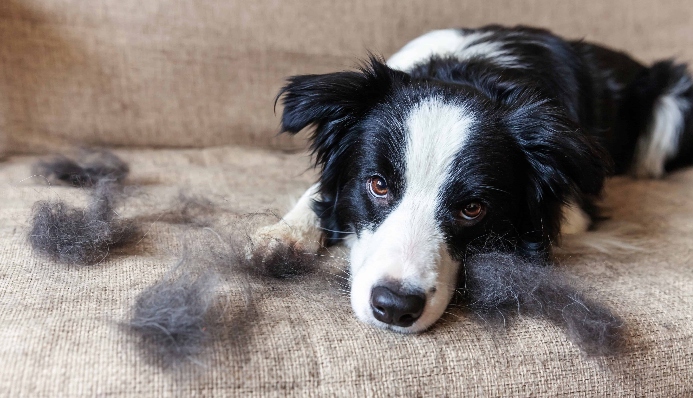
Your floors look like a crime scene. Your Roomba has filed for early retirement. You pull a sweater out of the dryer, and it now belongs to your Husky.
If this is your life right now, welcome to shedding season, and you’re not alone.
Every spring and early summer, millions of dog owners get blindsided by the sheer volume of fur their dogs shed. It’s not a malfunction. It’s biology.
And once you understand what’s actually happening, you can stop losing the summer dog shedding battle and start managing it like a pro.
Why dogs shed more in summer
- Why dogs shed more in summer
- Double-coat vs. single-coat: totally different problems
- The blow-out timeline: what’s normal, what’s not
- The shedding triage framework
- Best tools for each coat type
- Bathing strategy during shedding season
- Diet and supplements that reduce shedding
- When shedding signals a health problem
- Breed-specific shedding cheat sheet
- You can win this
- Ready to take action? Here’s your quick shedding season checklist
The short answer: your dog isn’t broken; your dog is responding to the sun.
Dogs shed in response to changes in daylight, not just temperature. This is called photoperiod sensitivity.
While days grow longer in spring and early summer, your dog’s body gets a signal to dump the heavy winter coat and replace it with a lighter one for warmer months.
So running the AC nonstop won’t stop your dog from shedding. The light cues still come through the windows. It’s a hormonal and neurological process, not just a thermostat problem.
Shedding peaks in two windows: spring into early summer, and again in fall as dogs prepare for winter growth. But for double-coated breeds, the spring shed is something else entirely.
Double-coat vs. single-coat: totally different problems
Not all shedding is equal. Knowing your dog’s coat type changes everything about how you handle it.
Double-coated breeds
Two layers: a dense, insulating undercoat and a protective outer layer of guard hairs.
Breeds such as the Golden Retriever, Labrador, Siberian Husky, German Shepherd, Shiba Inu, Corgi, Bernese Mountain Dog, and Australian Shepherd fall into this category.
When warm weather arrives, these dogs go through what groomers call a “coat blow,” and it’s truly dramatic.
Clumps of undercoat detach from the skin and work their way out through the guard hairs, creating tumbleweeds of fur that accumulate in every corner of your home.
Single-coated breeds
Poodles, Maltese, and Shih Tzus shed far less because they lack that dense undercoat. They still shed, but it’s a trickle compared to a flood.
If you have a Doodle, your dog’s coat behavior depends on which parent genes dominate.
Wire-coated breeds
An Airedale Terrier or Border Terrier has a different shedding pattern altogether. Their wiry outer coat doesn’t shed so much as it “blows” seasonally, and hand-stripping (not clipping) is the appropriate grooming method.
The mistake most owners make is treating all shedding the same. What works for a Labrador’s coat blow is completely wrong for a Poodle and may even damage a wire coat.
The blow-out timeline: what’s normal, what’s not
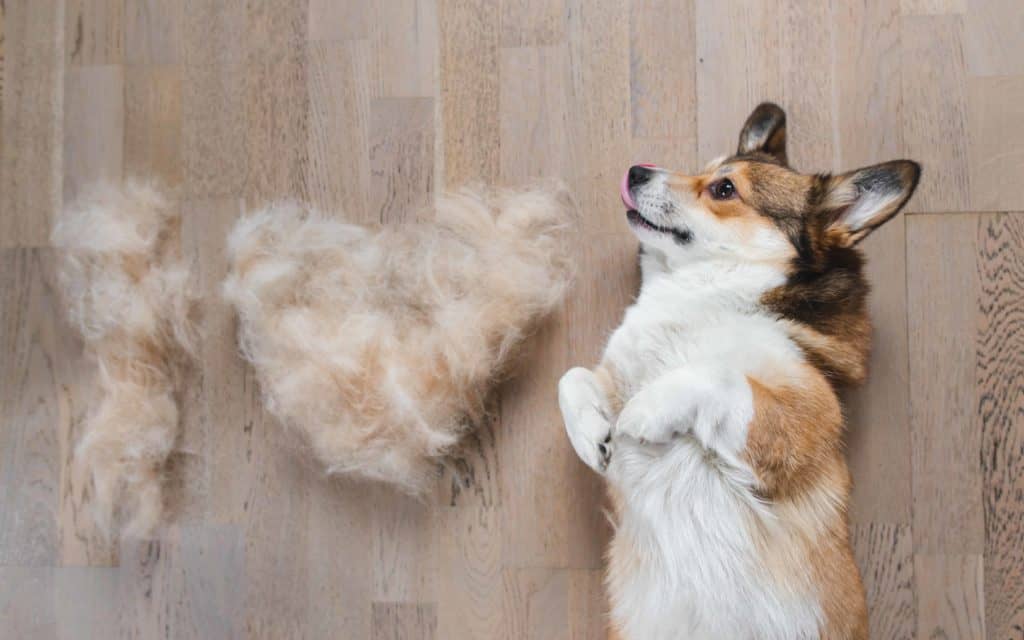
A coat blow in a double-coated breed typically lasts three to eight weeks. It starts with loose tufts coming out in patches, then moves into a period of heavy, all-over shedding, and finally settles down as the new coat grows in.
During peak blow, you’ll pull out fistfuls of undercoat at every brushing session. That’s normal.
What’s not normal:
- Shedding continues at high levels past 10 weeks without any sign of slowing
- Bald patches, especially symmetrical ones
- Skin that looks red, flaky, or irritated underneath the coat
- Shedding accompanied by excessive scratching, licking, or biting at the skin
- A coat that looks dull, brittle, or grows back unevenly
Any of those signs means it’s time to call your vet. Shedding is normal; hair loss is different.
The shedding triage framework
If you’re staring at a house full of fur and don’t know where to begin, here’s a simple framework to cut through the mess.
Step 1: Assess your dog’s coat type. Double-coated or single-coated? That determines your tools and technique.
Step 2: Establish a brushing frequency. During shedding season, double-coated breeds need to be brushed at least once every 1 to 2 days.
Single-coated breeds can go three to four days between sessions. For puppies, older dogs, or dogs with sensitive skin, start slow and use a gentler hand or softer brush.
Shorter, more positive sessions a few times a week can help them adjust and ward off discomfort. Always watch your dog’s responses and adjust your routine if they seem stressed or irritated.
Step 3: Get the right tool for the job. (See the next section.)
Step 4: Add one targeted bath at peak shed. A deshedding bath with the right shampoo can release weeks’ worth of undercoat in a single session.
Step 5: Evaluate diet. Nutrition plays a direct role in coat health and shedding volume.
Step 6: Rule out health issues. If diet and grooming don’t improve things within four to six weeks, see your vet.
That’s it. Five steps. You don’t need to solve everything at once. Start with the brush.
Best tools for each coat type
The wrong tool wastes your time and frustrates your dog. Here’s what actually works.
Double-coated breeds
- Undercoat rake: The MVP for any double-coated dog. It reaches through guard hairs to pull out loose undercoat without cutting the topcoat. Use it first.
- Slicker brush: Good for finishing and surface smoothing, not for pulling undercoat.
- Deshedding tool (like the Furminator): Highly effective on thick undercoats, but use it with a light hand. Overdoing it can damage the guard coat. Two to three passes per area, not 10.
- High-velocity dryer: If you’re serious about managing a double coat, a forced-air dryer blows loose undercoat out before you even start brushing. Groomers use these for a reason. It cuts your brushing time significantly.
For single-coated breeds
- Bristle brush: Gentle and effective for most single-coated dogs.
- Rubber curry brush: Great for short single coats like Boxers or Weimaraners. The rubber teeth massage the skin and efficiently pull surface shedding.
For wire-coated breeds
- Stripping comb or hand stripping: The breed-appropriate approach. Hand-stripping involves plucking out dead topcoat hair by hand or with a special stripping knife, encouraging healthy new growth and keeping the coat’s inherent texture and color intact. It may sound intimidating, but for wire-coated breeds, this process is necessary for coat health because it prevents matting, retains the correct wiry feel, and helps the skin breathe. Clipping, by contrast, cuts the hairs rather than removing them, and over time this can soften the coat and dull its color. If you’re not sure how to hand-strip, ask a groomer who specializes in terriers.
Bathing strategy during shedding season

A bath at the wrong time traps shed fur against the skin. A bath at the right time releases it all at once, dramatically reducing the mess afterward.
The ideal approach: brush out as much shedding fur as possible before the bath. Then use a deshedding shampoo and conditioner, products formulated to release undercoat and moisturize the skin.
Work the shampoo all the way down to the skin, not just through the topcoat. Rinse thoroughly. Then use a forced-air dryer or a regular dryer on a cool setting to blow out what’s left.
You’ll be amazed at how much fur comes out during the bath and dry process. This one session can cut your daily brushing workload for the next week or two.
Avoid bathing too frequently during shedding season. More than once every two to three weeks strips the skin of its natural oils, which, ironically, leads to more shedding.
Diet and supplements that reduce shedding
What goes in directly affects what comes off. A poor diet shows up in the coat before it shows up anywhere else.
A few things to look for and try:
Omega-3 fatty acids are the single most supported supplement for coat health. Fish oil (specifically EPA and DHA from marine sources) reduces inflammation, moisturizes the skin, and results in a coat that sheds less overall. Look for a dog-specific fish oil product with clear dosing guidelines, or talk to your vet about appropriate amounts for your dog’s size.
Protein quality matters. The coat is almost entirely protein (keratin). If your dog’s food uses low-quality protein sources or doesn’t list a named animal protein as the first ingredient, the coat will reflect it. A high-protein, named-ingredient food often produces visible improvements in coat quality within six to eight weeks.
Hydration. Chronically dehydrated dogs shed more. Make sure fresh water is always available, and consider a wet food topper if your dog is a reluctant drinker.
For more on nutrition and coat health, check out DogsBestLife.com’s nutrition guide for brand-specific recommendations and ingredient breakdowns.
When researching supplements, you can start by looking at reputable dog-focused omega-3 fish oil brands like Grizzly Pet Products or Zesty Paws.
For high-protein foods, brands such as Orijen, Wellness, and Blue Buffalo often receive positive reviews from dog owners for coat quality and ingredient transparency. Always check with your vet before introducing a new supplement or switching foods.
When shedding signals a health problem
and flea allergies all cause hair loss.
Shedding is natural. Hair loss is a symptom. Knowing the difference protects your dog.
Conditions that can cause excessive or abnormal shedding include:
Hypothyroidism: An underactive thyroid leads to a dry, brittle coat, symmetrical hair loss, weight gain, and lethargy. It’s one of the most common endocrine disorders in dogs and is very manageable with medication once diagnosed.
Cushing’s disease: Excess cortisol causes a pot-bellied appearance, thinning skin, symmetrical hair loss, and increased thirst and urination. More common in middle-aged to older dogs.
Allergies: Environmental and food allergies can cause itching, leading to scratching and secondary hair loss. The shedding itself may look normal, but the skin underneath tells the real story.
Parasites: Fleas, mites, and lice cause intense itching and patchy fur loss. Check the skin during your brushing sessions.
Stress: A major life change, a new pet, a move, or prolonged anxiety can cause a stress shed. This typically resolves once the stressor is removed.
If your dog’s shedding seems extreme, looks patchy rather than all-over, comes with skin changes, or doesn’t improve with consistent grooming and a quality diet, get a vet appointment.
Blood panels can catch thyroid and adrenal disorders early.
Breed-specific shedding cheat sheet
| Breed | Coat type | Shedding level | Key tool |
| Siberian Husky | Double | Extreme | Undercoat rake + forced-air dryer |
| Golden Retriever | Double | Heavy | Slicker brush + deshedding tool |
| German Shepherd | Double | Heavy | Undercoat rake + slicker |
| Labrador Retriever | Double | Heavy | Rubber curry + deshedding tool |
| Corgi | Double | Heavy | Undercoat rake |
| Shiba Inu | Double | Heavy (seasonal) | Deshedding tool |
| Border Collie | Double | Moderate-heavy | Slicker + rake |
| Poodle | Single (curly) | Minimal | Slicker brush + professional grooming |
| Maltese | Single | Minimal | Bristle brush |
| Boxer | Single (short) | Moderate | Rubber curry |
| Airedale Terrier | Wire | Low (seasonal blow) | Hand stripping |
| Beagle | Short double | Moderate | Rubber curry + deshedding mitt |
| Bernese Mountain Dog | Double | Heavy | Undercoat rake + slicker |
| Australian Shepherd | Double | Heavy | Undercoat rake + deshedding tool |
You can win this
Shedding season feels like a siege, but it has an end date. The coat blow runs its course. The tumbleweeds stop accumulating. Your Roomba gets a second chance.
The key is not to panic, not to skip brushing sessions when it gets overwhelming, and not to assume there’s something wrong with your dog when there isn’t. Consistent grooming, smart bathing, solid nutrition, and the right tools turn a brutal six-week stretch into something manageable.
Your dog doesn’t shed because they’re trying to ruin your life. They shed because they’re healthy, seasonal animals doing exactly what their biology designed them to do.
Work with it, and shedding season becomes something you manage instead of something that manages you.
Ready to take action? Here’s your quick shedding season checklist
1. Identify your dog’s coat type (double, single, or wire).
2. Set a brushing frequency based on their coat.
3. Use the recommended tools for best results.
4. Schedule a targeted bath during peak shedding.
5. Review your dog’s diet and consider adding omega-3s.
6. Watch for signs that may require a vet’s input.
Bookmark or print this list to stay on track.
Sara B. Hansen has spent 20-plus years as a professional editor and writer. She’s also the author of The Complete Guide to Cocker Spaniels. She created her dream job by launching DogsBestLife.com in 2011. Sara grew up with family dogs, and since she bought her first house, she’s had a furry companion or two to help make it a home. She shares her heart and home with Nutmeg, a Pembroke Welsh Corgi. Her previous dogs: Sydney (September 2008-April 2020), Finley (November 1993-January 2008), and Browning (May 1993-November 2007). You can reach Sara @ editor@dogsbestlife.com.