
Do large dogs need special joint care? Here’s what you need to know
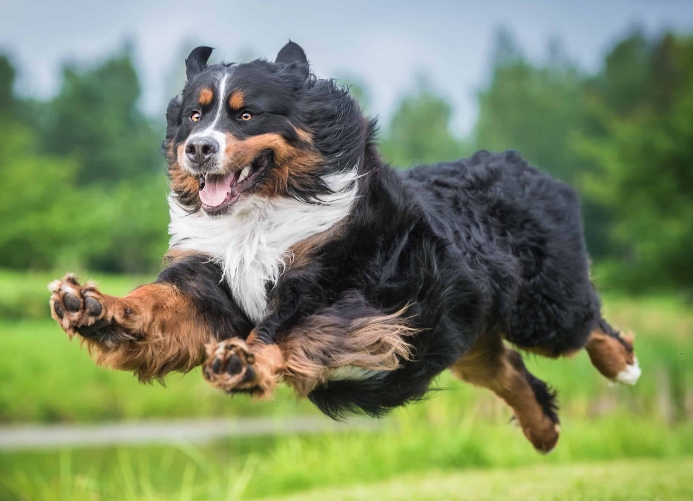
Large breed dogs bring a lot of joy. They also bring a particular set of physical considerations that smaller dogs do not face.
Their size, weight, and the demands they put on their joints over a lifetime mean that joint health is one of the most important areas of focus for anyone caring for a big dog, and the earlier you start thinking about it, the better.
This guide covers what large-breed owners need to know to support joint health throughout their dog’s life, from the breeds most likely to need extra attention to the supplements, lifestyle habits, and practical adjustments that make a real difference.
Which breeds are most affected
Joint health concerns are significantly more common in large and giant breed dogs than in their smaller counterparts.
Breeds including German Shepherds, Golden Retrievers, Labrador Retrievers, Rottweilers, Great Danes, Bernese Mountain Dogs, and Saint Bernards are among those that experience joint-related changes earlier and more frequently than smaller breeds.
A peer-reviewed study examining over 15,000 dogs across four large breeds found that weight and joint laxity were significant risk factors for degenerative joint changes across all breeds studied, and that German Shepherd Dogs showed a particularly elevated susceptibility compared to the other breeds.
The research also found that the risk increased with age across all breeds, underlining why proactive joint support is more valuable than reactive care.
This is not to say that every large breed dog will develop significant joint issues. Still, the odds are higher that the choices made during a dog’s younger years, around nutrition, weight, exercise, and supplementation, have a meaningful effect on how they fare as they age.
The role of weight in joint health
Body weight is one of the most directly controllable factors in a large dog’s joint health. Every extra pound a dog carries adds load to joints that are already managing significant demands from their size alone. Over the years, that additional load accelerates the natural wear that joints experience with age.
Maintaining a healthy weight is one of the most impactful things an owner can do for their larger breed’s long-term comfort and mobility. This means feeding appropriate portions based on their size and activity level, avoiding excessive supplementation with calorie-dense additions to meals, and working with your veterinarian to assess body condition at regular checkups.
Dogs should have a visible waist when viewed from above and ribs that can be felt without pressing hard, but not seen. If you are unsure whether your dog is at a healthy weight, your vet is the best resource for an honest assessment.
Exercise consistency
Regular exercise supports joint health in larger breeds by keeping the muscles around the joints strong and maintaining a healthy range of motion. The keyword here is consistent. Long, sporadic bursts of intense exercise followed by days of inactivity are harder on joints than moderate daily activity.
For most large-breed dogs, two walks per day at a comfortable pace, combined with some off-leash time to move freely at their own pace, provide a good foundation. Low-impact activities like swimming are excellent for dogs who need joint-friendly movement, as the water supports their weight while still allowing full-body exercise.
As dogs age and their mobility changes, so do the types and duration of exercise. Shorter, frequent outings work better than one long walk for older dogs. Paying attention to how your dog moves during and after exercise, whether they seem stiff getting up afterward or reluctant to go out, gives you useful information about how their joints are feeling.
Supplements that support joint health

Joint supplements are widely used in large-breed dogs, and for good reason. A study from the Dog Aging Project found that older, larger dogs and those who had been overweight were significantly more likely to receive joint supplements, reflecting the prevalence of joint health concerns in this population.
Glucosamine and chondroitin are the best-established joint supplements for dogs, with a long track record of supporting cartilage health and joint comfort. Omega-3 fatty acids, typically sourced from fish oil, support overall joint wellness and are often recommended alongside glucosamine and chondroitin as part of a comprehensive approach.
CBD for dogs has gained significant attention as a supplement for joint wellness, especially when formulated with CBDA, a compound found in raw hemp that works alongside CBD through the body’s endocannabinoid system to help maintain balance across multiple systems, including mobility and comfort.
What’s more, certain CBD chews for dogs come combined with glucosamine and chondroitin to support joint wellness further. As with any supplement, speak with your veterinarian before adding anything new to your dog’s routine.
Home and car adjustments that help
The environment your dog lives in has a greater effect on their joints than most owners realize. Hard flooring, stairs, and getting in and out of cars are all daily challenges that add up for a dog managing joint changes.
A few practical items, such as orthopedic dog beds, provide better joint support than standard beds and are worth the investment for large breeds, particularly as they age.
You can place area rugs or yoga mats on slippery floors to give dogs better traction and reduce the effort required to get up and lie down. Or you could consider baby gates to limit access to stairs if your dog is having a harder day or recovering from increased activity.
For car travel, ramps or steps designed for dogs allow them to get in and out of vehicles without the jarring impact of jumping. This is particularly relevant for SUVs and trucks, where the vehicle’s height makes jumping a significant physical demand. A ramp takes some getting used to for most dogs, but it’s a worthwhile addition with a little patient introduction.
Starting early makes a difference
The most effective joint care programs for large-breed dogs are the ones that start before problems become obvious.
Keeping weight in a healthy range from puppyhood, building a consistent exercise routine, making thoughtful home adjustments, and incorporating appropriate supplementation during the middle years of a dog’s life all contribute to better mobility and comfort in the years that follow.
Get started with your veterinarian, who is your best partner in building a plan that fits your specific dog’s breed, age, and individual needs.
Caecilia Mediana writes about dogs and the people who love them. She covers behavior, training, and everyday pet care. Her goal is to make complex topics easy to understand. She believes that informed owners make better companions for their dogs.