
How to save your dog’s paws from spring’s hidden dangers
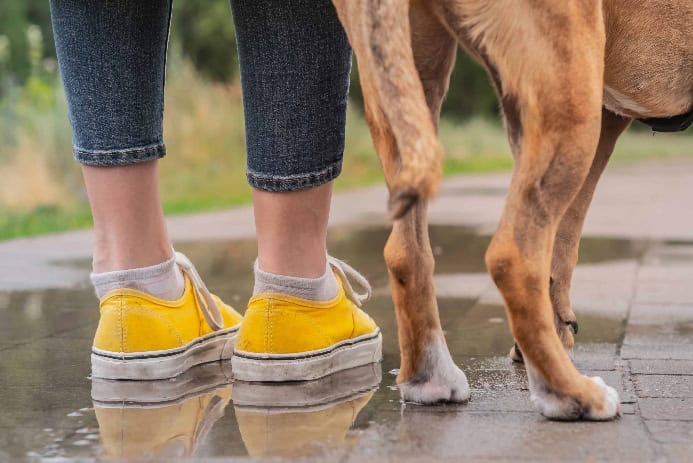
Your dog relies on you every step of the way, whether on grass or sidewalks.
That responsibility matters. That’s why you’re here.
Yet, many owners unintentionally do more harm than they realize.
It happens out of love, not neglect, and often because owners don’t know what’s under their dog’s paws each spring.
Let’s change that via understanding spring paw care.
Understand common springtime hazards for dog paws
- Understand common springtime hazards for dog paws
- The importance of paw care during spring
- Clean and inspect your dog’s paws regularly
- Protecting paws from allergens and irritants
- Paw care myths, debunked
- Use paw balms and moisturizers for sensitive paws
- Safe springtime adventures
- Avoid sharp objects and rough terrain
- Tips for trimming paw hair and nails
- Emergency paw first aid
- When to consult a veterinarian for paw issues
- Additional seasonal care tips
- Final thoughts on spring paw care
- Quick-reference paw care checklist
You survived winter. Your dog survived winter. But spring doesn’t wipe the slate clean.
The road salt and chemical de-icers spread across sidewalks all winter linger long after the snow melts on pavement, in grass, and along your dog’s usual routes.
They can burn paw pads on contact and cause stomach upset if your dog licks their feet afterward. Stick to grassy areas when you can, avoid heavily trafficked roads, and consider dog boots for extra protection.
Spring brings its own hazards, too. Rain leaves muddy, irritated paws, and the thawing ground exposes rocks, glass, and sharp debris that were buried all winter. It’s a beautiful season, but it’s full of hidden dangers.
The importance of paw care during spring
Think of your dog’s paws as the foundation of everything they do. Dog paws do more than carry your pup from place to place. They are essential for balance, traction, and overall comfort.
Despite feeling rough, your dog’s paws are sensitive.
Beneath the tough outer skin of each pad lies a cushion of fat tissue that does a lot of quiet work: absorbing the impact of every step, gripping uneven ground, and shielding your dog from rough or sharp surfaces.
When paw pads crack or burn, every step becomes painful and discouraging.
If you wouldn’t ignore a cracked, bleeding heel on your own foot, don’t ignore it on your dog’s paws either.
Clean and inspect your dog’s paws regularly
You know that look your dog gives you when you come home? That wild, tail-wagging, full-body-wiggle greeting?
That’s the best moment to do a quick paw check. They’re already focused on you. Use it.
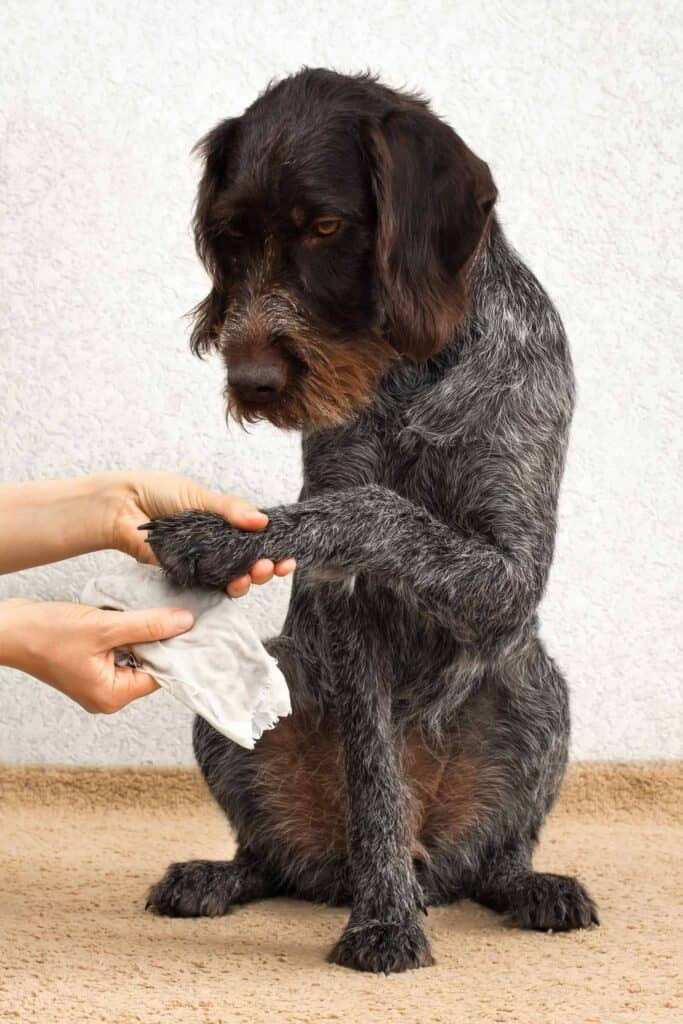
Every time you come back inside, make paw cleaning your first move.
A warm, damp microfiber cloth or a dog-safe paw wipe is all you need to clear away salt, mud, and chemical residue before your dog gets a chance to lick it off. Once the paws are clean, take ten seconds to look them over for redness, small cuts, or early signs of cracking.
Make paw checks a daily ritual to protect your dog from unnecessary pain.
Use warm water and a soft cloth or paw-cleaning wipes to remove dirt and debris. Rinse your dog’s paws well, especially after walks in muddy or salted areas, and dry them completely to help prevent infections.
What are you looking for?
Look for redness between the toes, swelling, cracks, or anything that looks raw or inflamed. If the pads become cracked, they can collect dust and debris, which can cause injury.
Catching problems early makes a big difference.
Protecting paws from allergens and irritants
Dogs don’t show seasonal allergies the way people do.
Instead of sneezing, pets show it through their skin — itchy paws, inflamed ears, and relentless licking are the giveaways.
That’s because dogs pick up allergens through direct contact: every walk coats their paws, belly, and coat with pollen, mold, and dust.
Fertilizers add to the problem. Keep your dog off treated grass for 24 to 48 hours after application, and wipe down their paws and coat after every walk.
Paw care myths, debunked
Myth: Vaseline is a safe paw moisturizer.
Fact: Vaseline isn’t toxic in small amounts, but it offers little real protection and isn’t made for paw pads. More importantly, dogs lick their paws, and ingesting petroleum jelly regularly can cause digestive issues. Use a balm or paw wax made specifically for dogs.
Myth: All dogs will tolerate booties.
Fact: Some dogs adapt to boots quickly; others never do. Forcing the issue can cause stress and affect how your dog walks. If the dog shoes aren’t working, focus on thorough post-walk cleaning and balm application instead.
Myth: Tough paw pads mean healthy paw pads.
Fact: Hardness isn’t the same as health. Extremely rough or calloused pads are often a sign of dryness and neglect, not resilience. Well-moisturized pads are supple, not rock-hard.
Myth: Dogs only need paw care in winter.
Fact: Spring is arguably harder on paws than winter. Lingering chemicals, new allergens, exposed debris, and drying air make it one of the most demanding seasons for paw health.
Myth: Paw licking is just a habit.
Fact: Occasional licking is normal. Persistent licking — especially focused on one paw or between the toes — usually signals irritation, an allergen, or a foreign body. It’s worth a closer look.
Use paw balms and moisturizers for sensitive paws

This is the one thing most dog owners skip. And it’s the one thing that could prevent the most damage.
Winter leaves paw pads dry, tight, and prone to cracking — and early spring doesn’t offer much relief. The ground is still hard, the air is still dry, and your dog’s pads are already worn down.
Applying a dog-specific paw balm before and after walks gives the skin a chance to recover and builds a barrier against further damage.
The best balms use ingredients like beeswax, shea butter, and vitamin E, which help soften cracked pads and create a light, protective layer that helps prevent moisture loss and surface irritants.
Use balms made specifically for dogs. Don’t use Vaseline, which your dog could ingest when it licks its paws, and cause stomach upset.
Paw pads need to stay moisturized to handle rough surfaces.
Think of it like sunscreen; you wouldn’t apply it just once and forget about it.
Safe springtime adventures
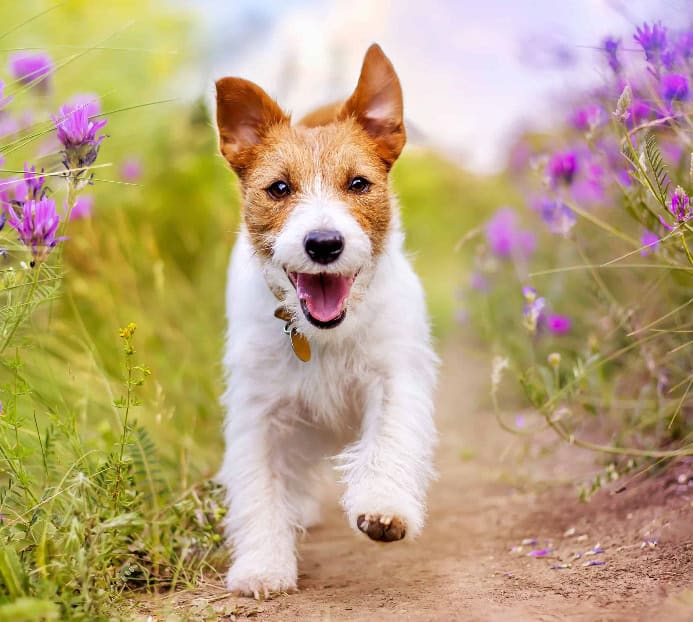
Not all spring terrain is created equal. These options give your dog the outdoor time they need without the hazards:
Nature trails with packed earth or grass: Softer ground is gentler on pads than concrete or gravel, and less likely to harbor salt or chemical runoff.
Dog-friendly parks with maintained grass: Look for parks that post fertilizer and pesticide schedules so you can plan around treatment days.
Early-morning or evening walks: Pavement heats up quickly in the spring sun. Cooler times of day mean more comfortable paws and less chemical evaporation from treated surfaces.
Shallow, clean-water areas: Streams and dog-friendly beaches let paws cool off and rinse naturally. Dry them thoroughly afterward to prevent moisture buildup between the toes.
Your backyard: After a quick debris check, a fenced yard is one of the safest spring environments for free movement and play.
Avoid sharp objects and rough terrain
Spring often reveals everything that winter hid. As the ground thaws, pavements crack, parks get messy, and construction debris can show up unexpectedly.
Your dog doesn’t know to look down. That’s your job.
The best way to test it is to ask yourself if you would be comfortable walking barefoot on that ground. If not, it’s best not to let your dog walk on it either.
Spring paths are full of things that don’t belong in a paw: sharp stones, thorns, burrs, splinters, and broken glass are the most frequent culprits.
So it’s worth checking your yard too, not just the street. A quick walk around your yard before letting your dog out can prevent a painful afternoon.
Avoid paths with hazards, and don’t forget to routinely check your yard to keep it safe.
If your dog steps on something, stay calm but don’t ignore it.
If something is visible on the surface, you can try flushing it away gently with clean water. But don’t probe or dig — anything embedded in the tissue needs to come out at the vet’s office, not at home.
Deep foreign bodies should only be removed by a veterinarian.
Tips for trimming paw hair and nails
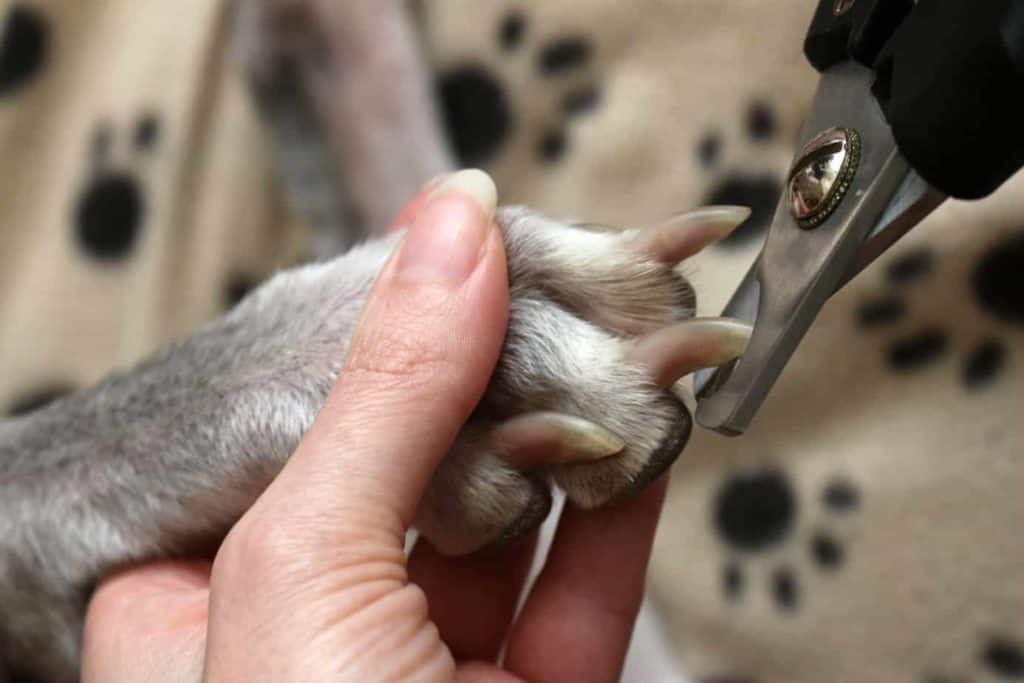
This is the part that makes most dog owners nervous, and that’s understandable. The idea of accidentally cutting too deeply and causing pain is a real fear.
If your pup has long fur, trimming the hair between their toes can prevent debris from forming uncomfortable clumps. Less fur also makes it easier to keep the paw area clean and dry.
Use small, blunt-tipped scissors and go slowly. If your dog won’t hold still, stop. Try again tomorrow. It’s not a race.
Nails deserve the same attention as the pads. Overgrown nails shift how your dog distributes their weight with every step, which strains joints over time and, in serious cases, can cause lasting structural damage.
A dog’s nails shouldn’t grow past the toe pads when they’re standing. The best way to tell if they’re too long is to listen.
If you hear the nails tapping on hard surfaces, it’s time for a trim.
Trim just the tip, straight across, and don’t forget the dewclaws on the inner paw. Stop before the nail curves — go further, and you’ll hit the quick, which bleeds and hurts.
If you accidentally cut the nail too short, don’t panic. Apply a small amount of styptic powder to the end of your dog’s nail to stop the bleeding. If you don’t have styptic powder, flour, or cornstarch can work as well.
And if it all feels too overwhelming? Take them to a groomer or your vet. That’s not failure. That’s good judgment.
Emergency paw first aid
Injuries happen fast. Knowing what to do in the moment helps keep your dog calmer and prevents a minor wound from worsening before you reach the vet.
Cut or laceration: Rinse gently with clean, lukewarm water to clear debris. Apply light pressure with a clean cloth until bleeding slows. Wrap loosely with a bandage or clean sock, and head to the vet if the cut is deep, won’t stop bleeding, or may still have debris inside.
Chemical burn: Rinse the paw thoroughly with lukewarm water for several minutes. Don’t scrub. Dry gently and check for redness or blistering. Call your vet, especially if your dog is licking excessively or limping.
Embedded object: Keep your dog calm and still. If the object is clearly on the surface, flush with water to try to dislodge it. Do not use tweezers or attempt to dig it out. Cover the paw loosely and get to a vet.
Overheated pads: Move to a cool surface immediately and rinse with cool (not cold) water. Check for blistering or peeling, and contact your vet if you notice any.
Nicked quick: Apply styptic powder directly to the nail tip. Cornstarch or flour works in a pinch. Hold gentle pressure for a minute. Bleeding usually stops quickly and rarely requires a visit to the vet unless the nail is badly damaged.
When to consult a veterinarian for paw issues
Some things can’t wait.
Head to the vet if you notice:
- Deep cuts
- Burns
- Bleeding
- Swelling or oozing
- Limping which lingers
- Cracks that are severe enough to affect how your dog walks.
If something looks wrong, trust that instinct.
Your vet would always rather see a dog that didn’t need treatment than miss one that did.
Additional seasonal care tips
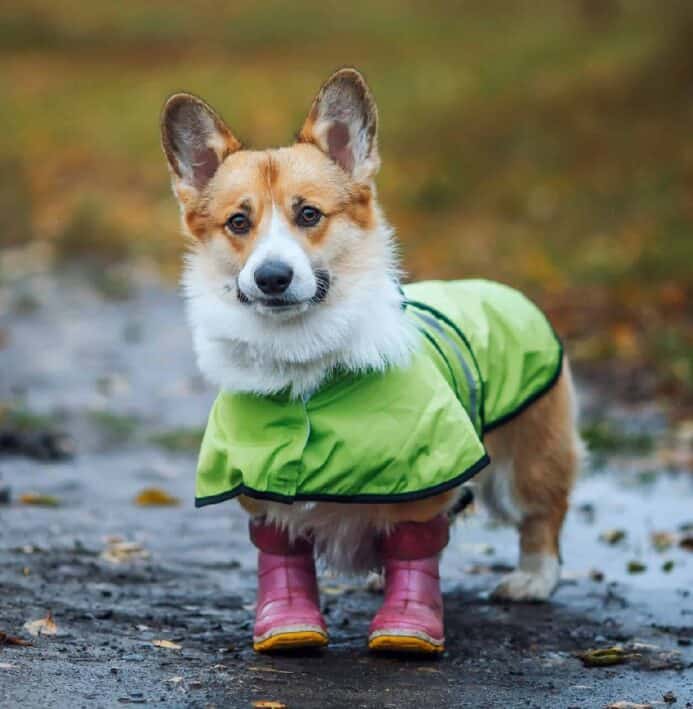
Paw care doesn’t happen in isolation. It’s part of a bigger picture. A dog with healthy skin and a strong immune system has paws that are more resilient.
Diet plays a direct role in paw health. Omega-3s from sources like fish oil or salmon reduce inflammation and keep skin supple, while enough protein ensures the pads maintain the keratin they need to stay tough and resist cracking.
Hydration matters too. Keep fresh water available at all times, especially as the weather warms up. It can be tricky to figure out whether your dog’s paw trouble is caused by allergies or by an injury.
Allergies often show up as itchiness, excessive licking or chewing at the paws, redness, and sometimes mild swelling—usually on more than one paw. Paw injuries, on the other hand, are more likely to cause limping, visible cuts, bleeding, or pain isolated to a specific area.
Final thoughts on spring paw care
If your dog has been struggling with paw issues that just will not resolve, or if you notice limping, bleeding, or signs of infection, it is time to consult your vet. They may recommend allergy testing to confirm environmental sensitivities and offer treatment options such as antihistamines or topical therapies.
Spring should be a joyful time. For your dog, it can be with the right care. Just spend thirty seconds checking all four paws after every walk and use a tube of dog-safe balm. That’s the foundation. Everything else builds on that.
Your dog doesn’t need perfection. They just need you to pay attention. And clearly, you already are.
Quick-reference paw care checklist
After every walk, run through this before your dog settles in:
Clean: Wipe all four paws with a warm, damp cloth or dog-safe wipe to remove salt, mud, pollen, and chemical residue.
Inspect: Check between the toes and across each pad for redness, cuts, cracks, swelling, or anything embedded.
Moisturize: Apply a dog-specific paw balm, especially in early spring when pads are still dry from winter.
Trim: Keep fur between the toes short and nails at a length that doesn’t click on hard floors.
Sara B. Hansen has spent 20-plus years as a professional editor and writer. She’s also the author of The Complete Guide to Cocker Spaniels. She created her dream job by launching DogsBestLife.com in 2011. Sara grew up with family dogs, and since she bought her first house, she’s had a furry companion or two to help make it a home. She shares her heart and home with Nutmeg, a Pembroke Welsh Corgi. Her previous dogs: Sydney (September 2008-April 2020), Finley (November 1993-January 2008), and Browning (May 1993-November 2007). You can reach Sara @ editor@dogsbestlife.com.