
Summer paw safety guide: Learn to protect your dog from pavement burns
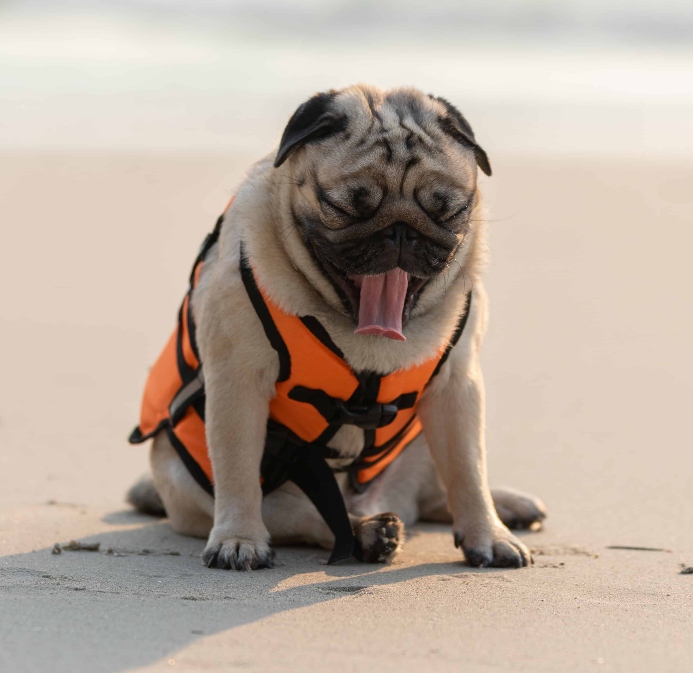
Here’s something most dog owners learn the hard way: when the air temperature hits 77°F, asphalt can reach 125°F. That is hot enough to fry an egg.
It is also hot enough to give your dog serious paw burns in under 60 seconds. Just one short walk, one scorching parking lot, or one moment of not thinking about it can leave you with a dog limping on blistered paws and a vet bill to match.
Summer is supposed to be the best season for dogs. More walks, more adventures, more time outside together. However, the heat hiding in sidewalks, sand, and blacktop is genuinely dangerous. Most people do not realize this until they are dealing with the fallout.
So let’s talk about what is actually happening to those paws, how to prevent it, and what to do if things go wrong.
The 7-second pavement test (and why you should do it every single walk)
- The 7-second pavement test (and why you should do it every single walk)
- How fast paw burns actually happen, and what they look like
- The best times of day for summer walks
- Dog booties and paw wax: do they actually work?
- First aid for burned paws
- Beach-specific hazards: it’s not just the sand
- Breeds with extra-sensitive paws
- Keep those paws happy all summer long
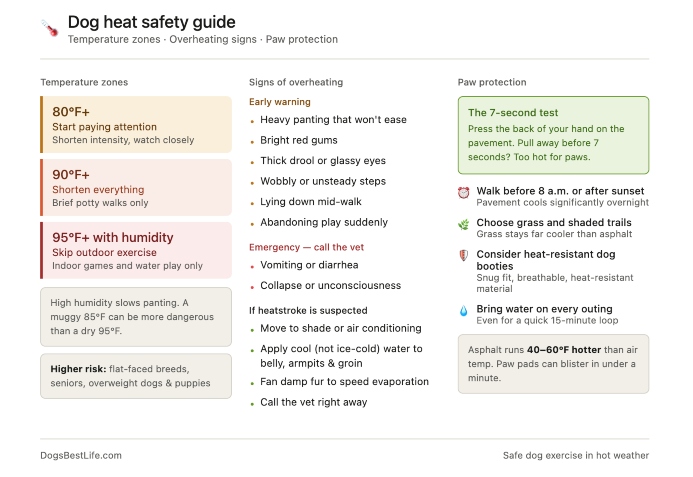
Before you leash up your dog on a hot day, press the back of your hand firmly against the pavement. Hold it there for seven seconds. If it’s too hot for your hand, it’s too hot for your dog’s paws. Simple. Free. Takes less time than clipping a leash.
Here’s the breakdown of what those temperatures actually mean:
- 77°F air temp: Asphalt hits roughly 125°F. Paw pad tissue starts to break down.
- 86°F air temp: Pavement can reach 135°F. Burns happen in seconds.
- 95°F air temp: Blacktop can exceed 158°F. At this point, you’re looking at full-thickness burns almost immediately.
The danger is not limited to summer afternoons. Pavement absorbs heat throughout the day and holds it. Even at 7 p.m., a road that has been baking since noon can still be dangerously hot. Dark asphalt is worse than concrete, and both are worse than grass. When you are unsure, keep your dog on the grass or do the hand test first.
How fast paw burns actually happen, and what they look like
Burns do not always announce themselves dramatically. Dogs do not yelp and immediately sit down. They keep moving because they are excited. They want to stay with you because their instinct is to push through discomfort. That is part of what makes this so tricky.
The signs to watch for during and after a walk:
- Limping or refusing to walk
- Licking or chewing at the paws obsessively
- Paw pads that look red, raw, or darker than normal
- Blisters or visible peeling
- Pads that feel soft or mushy when you touch them (healthy pads are firm)
By the time you see blistering, the damage is already done. The goal is always to catch it before it gets to that point. Check your dog’s paws after every summer walk. Make it part of the routine, like filling the water bowl.
The best times of day for summer walks
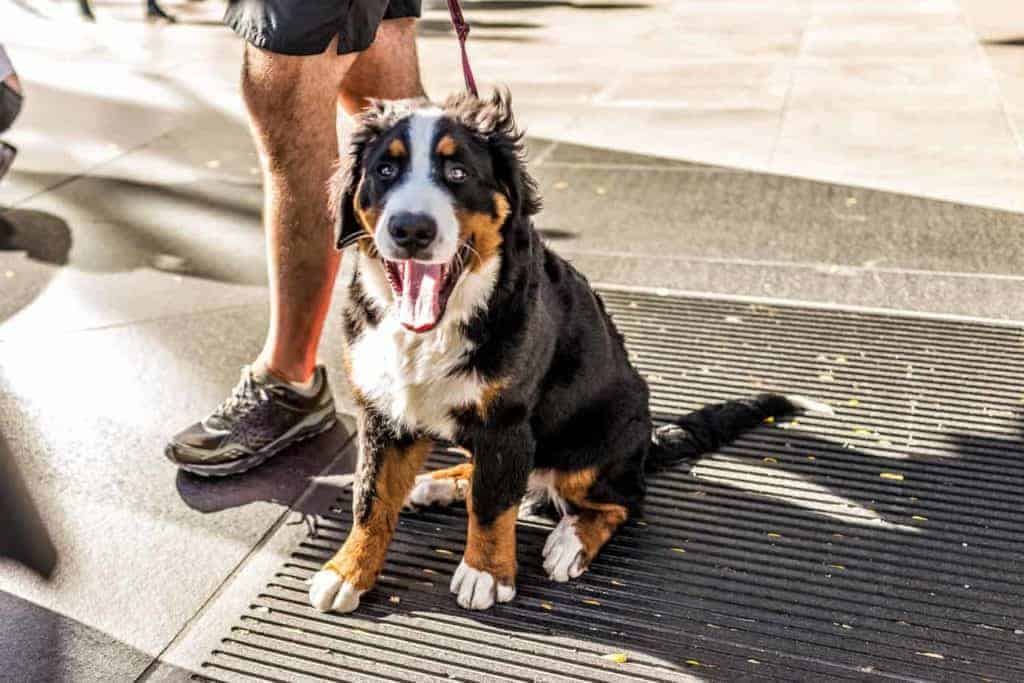
Morning and evening. Full stop.
Before 10 a.m. and after 6 p.m. are your safest windows during a heat wave. Midday and early afternoon are when pavement temperatures peak, and that heat lingers longer than most people expect.
If you’ve got a schedule that makes early-morning walks tricky, look for shaded routes through parks or along trails with natural ground cover. Grass, dirt, and wood chips stay significantly cooler than pavement. A route through a tree-lined park is a completely different world from the same distance on sidewalks.
Short walks in the shade beat long walks in the sun, very time.
Dog booties and paw wax: do they actually work?
Yes, but with some important caveats.
Dog booties are the most reliable protection available. A quality pair creates a physical barrier between paw pads and hot ground.
The catch? Many dogs need a real adjustment period before they’ll tolerate them. If your dog does the classic “high step” routine or refuses to move entirely, that’s normal.
Start practicing indoors well before summer hits. Reward heavily. Give it time. You can find dog booties at most local pet stores or from reputable online retailers that specialize in pet safety gear.
Look for listings with detailed sizing information and good customer reviews so you know you’re getting a pair that fits well and actually protects.
Look for booties with:
- Reflective or light-colored material (dark material heats up faster)
- Rubber or neoprene soles
- A secure velcro or strap closure that won’t slip off mid-walk
Paw wax is a useful supplement, not a complete solution.
Products like Musher’s Secret or similar waxes create a protective coating that helps with minor abrasion and adds a bit of moisture retention. They won’t prevent burns on genuinely dangerous pavement, but they’re useful for shorter exposures and for keeping pads conditioned and healthy overall.
Apply it before walks, and let it absorb for a minute or two. For best results, reapply paw wax after long walks, after swimming, or anytime you notice it has worn off.
During active summer days, check your dog’s paws often and refresh the wax as needed to maintain protection.
Think of paw wax as sunscreen and booties as proper shoes. You would not rely on sunscreen alone if you were walking across a parking lot barefoot.
First aid for burned paws
If you suspect your dog has burned paws, move quickly and stay calm.
Step one: Get your dog off the hot surface immediately. Carry your dog if needed.
Step two: Cool the paws with cool (not cold) water. Hold them under a gentle stream for several minutes. Cold water or ice can cause additional tissue damage, so avoid it.
Step three: Don’t let your dog lick the affected paws. Licking introduces bacteria and slows healing. Wrap the paws loosely in clean cloth if needed to prevent this.
Step four: Call your vet. Mild redness might resolve with rest and monitoring, but blistering, raw tissue, or a dog that won’t put weight on their feet needs professional care. Burns are prone to infection, and more significant injuries may require antibiotics, bandaging, and pain management.
If you cannot reach your vet right away, keep your dog calm and indoors on a clean, cool surface. Prevent your dog from licking or walking on the affected paws. Gently wrap the paws in a clean, damp cloth to soothe and protect the area.
Refresh the cloth if it gets warm, but avoid using ointments or home remedies unless your vet has instructed you to.
Watch for signs of swelling, worsening pain, or infection, such as oozing or a foul odor. Seek emergency care as soon as possible if any of these symptoms develop.
Don’t put butter, oil, or human burn creams on the paws. Stick to cool water until you can get professional guidance.
Beach-specific hazards: it’s not just the sand

The beach feels like a relief from the city heat, and in many ways it is. However, it comes with its own set of paw hazards that are easy to overlook when everyone is having a good time.
Sand heat: Dry sand in direct sun can reach temperatures rivaling pavement. The lighter color helps a little, but not enough. Wet sand near the water is much cooler and much safer. Keep your dog close to the waterline when possible, and watch for the same limping and licking signs you’d look for on the sidewalk.
Saltwater: Saltwater itself isn’t dangerous for paws, but prolonged exposure can dry out and crack pads over time. Rinse your dog’s paws with fresh water after every beach session. It takes 30 seconds and saves a lot of cracked, uncomfortable pads throughout the summer.
Jellyfish: This risk is often underestimated. Washed-up jellyfish can still sting hours after they have beached. Dogs are naturally curious and will sniff, step on, or even try to eat them.
Check the sand ahead of your dog’s path and steer clear. If your dog does get stung, remove any visible tentacle material without touching it directly (use a stick or shell), rinse the area with saltwater (not fresh), and contact your vet for guidance on next steps.
Hidden debris: Shells, broken glass, fish hooks, and sharp rocks all live on beaches, often hidden under dry sand or shallow water. Check your dog’s paws after every beach trip, even when everything seems fine.
Breeds with extra-sensitive paws
All dogs are vulnerable to pavement burns, but some feel the effects faster and more severely than others.
Short-nosed breeds (bulldogs, pugs, Boston terriers, French bulldogs) overheat more quickly overall, which compounds the risk of exposure to hot surfaces. Their tolerance window is narrower than that of other dogs.
Dogs with thinner skin or finer coats (Whippets, Greyhounds, Weimaraners, Vizslas) tend to have less pad thickness and can burn faster than stockier breeds.
Senior dogs and puppies both have more vulnerable paw pads than healthy adult dogs. Puppies haven’t fully developed the tougher pad tissue that comes with years of walking, and older dogs may have thinner, drier pads that crack more easily.
Lighter-colored dogs with pink paw pads have less melanin, which offers slightly less natural protection from heat and UV exposure.
None of this means these dogs can’t enjoy summer. It means you adjust the plan. Shorter walks, earlier starts, more grass, more water, more frequent paw checks.
Know your individual dog’s limits and let them guide you.
For sensitive breeds, watch especially for unique warning signs: flat-faced dogs may start panting harder or seem restless well before they limp, while very lean or light-coated breeds might lift their paws, pause often, or stop to lick sooner than others.
Young puppies and older dogs are less likely to whine or stop walking, so watch for subtle hesitations or slower pace. Learning how your breed expresses discomfort is key to spotting trouble before it becomes a problem.
Keep those paws happy all summer long
The best part? Every bit of this risk is entirely preventable. With a quick 7-second test, smart walk timing, the right gear, and a consistent habit of checking your dog’s paws, you can sidestep injuries and enjoy every summer adventure together.
A few extra seconds of awareness is all it takes to keep paws safe and tails wagging.
Your dog counts on you, and with these simple steps, you’ll have peace of mind all season long.
Sara B. Hansen has spent 20-plus years as a professional editor and writer. She’s also the author of The Complete Guide to Cocker Spaniels. She created her dream job by launching DogsBestLife.com in 2011. Sara grew up with family dogs, and since she bought her first house, she’s had a furry companion or two to help make it a home. She shares her heart and home with Nutmeg, a Pembroke Welsh Corgi. Her previous dogs: Sydney (September 2008-April 2020), Finley (November 1993-January 2008), and Browning (May 1993-November 2007). You can reach Sara @ editor@dogsbestlife.com.