
Learn to protect your dog from 6 deadly spring plants

Every spring, gardens erupt with color, and longer walks lift our spirits. Yet, this joyful season can also be one of the most dangerous for your dog.
The flowers you plant, place on your windowsill, or display in a vase could put your dog at risk. Most people rarely consider this danger.
Why spring plants can be dangerous to dogs
Consider how your dog explores the world: nose first, mouth second. Dogs sniff, lick, chew, and dig, often without knowing what’s harmful.
They don’t have an alarm system or an instinct to avoid danger. If something is within reach, they’ll likely investigate.
Spring increases this risk. Bulbs are planted, new shoots appear, and flower beds are turned over, so there’s suddenly a lot of tempting, toxic material at your dog’s level.
It’s not just your garden, either. Parks, roadsides, and neighbors’ yards are full of spring plants too.
Maybe you’re thinking, “My dog’s been fine so far.” Fair enough. But plant poisoning doesn’t give you a warning. It doesn’t build up over time so that you can catch it early. One unattended moment, one curious chew, and things can escalate fast.
If you feel worried about your dog getting hurt, that’s the right instinct. Trust it and use it. Here’s what every dog owner should know before spring is in full swing.
Daffodils

These bright, star-shaped flowers symbolize spring and are a common cause of dog poisoning.
All parts of the daffodil plant are toxic, containing lycorine; the bulb is the most harmful. Dogs may be poisoned by eating flowers or bulbs, or even by drinking water from a vase of daffodils.
Signs of daffodil poisoning include diarrhea, lethargy, drooling, trembling, abdominal pain, vomiting, and, in severe cases, death. Even rubbing against the plant can cause skin irritation. If you have daffodils in your garden or in a vase at home, consider changing your setup.
Tulips
Tulips, found in most spring gardens, are an easy threat to overlook for dog owners.
Tulip poisoning in dogs most often results in oral irritation, drooling, nausea, and sometimes vomiting. The bulb is the most toxic part. Digging dogs face even greater risk from newly planted bulbs.
Even the water in a tulip-filled flowerpot can be poisonous to dogs. Keep potted tulips out of reach and pay attention to what your dog is sniffing in the garden.
Azaleas

Azaleas, popular for their pink, red, or white blooms, are common in spring landscaping and can be dangerous for dogs.
Classed as either rhododendron or azalea, this brightly colored plant is highly poisonous to dogs. All parts of the plant are toxic, and even a small amount can make your dog very unwell.
Azalea poisoning typically causes mouth irritation, vomiting, and diarrhea. More severe cases can lead to lowered blood pressure, coma, or death. Contact your vet immediately if your dog eats any part of an azalea.
Lilies

Lilies have trumpet-shaped flowers in various colors. Not all are equally toxic, which can be confusing.
Dogs exposed to poisonous lilies, such as Calla, Peace, Rain, and Lily of the Valley, usually show vomiting, drooling, and difficulty swallowing. Some types can also cause tremors, slow heart rate, or seizures.
Other possible symptoms in severe cases include digestive and mouth irritation, seizures, slowed heart rate, and even death. Lily of the Valley, in particular, is especially dangerous for dogs and can cause life-threatening heart issues.
Although it is not a true lily, it can cause heart problems and stomach upset. It may look harmless, but it is dangerous for dogs.
Hyacinths
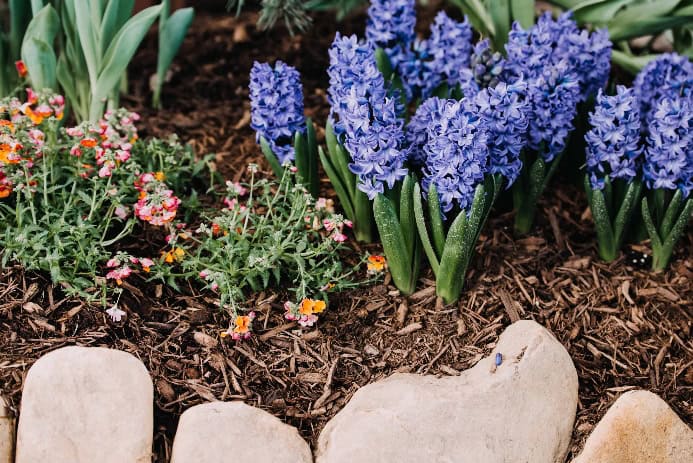
Hyacinths, known for their colorful spikes, are common in spring gardens but can be dangerous for dogs.
Symptoms of hyacinth poisoning in dogs are usually intense stomach upset, depression, tremors, and increased heart rate. Bulbs are the most toxic part. Prevent digging to reduce risk.
All parts of the hyacinth plant contain toxins, but the bulbs are the most dangerous for dogs. If your dog likes to dig, hyacinths in the garden are a real hazard.
Foxglove
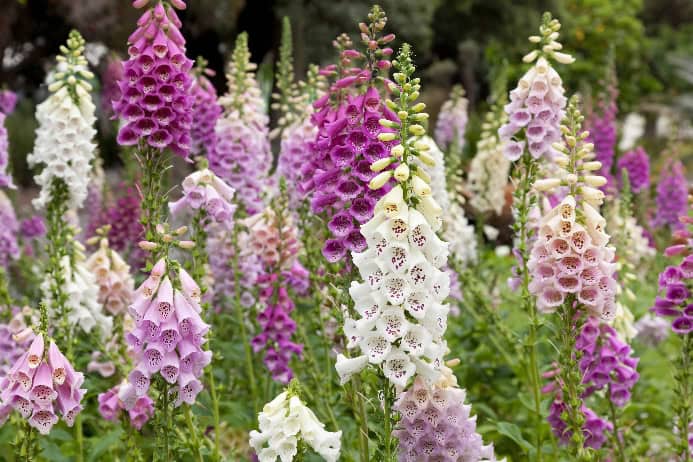
Foxglove has tall stems with tubular flowers in shades of purple to white, but it’s highly dangerous for dogs.
All parts of the foxglove plant, including the leaves and even the water it sits in, are highly toxic. They contain natural cardiac glycoside toxins that can disrupt the heart muscle’s electrolyte balance.
Signs of foxglove poisoning in dogs usually include irregular heartbeat, vomiting, diarrhea, and weakness. Advanced cases may cause heart failure or death. Foxglove poisoning is an emergency. Exercise caution if it’s present in your garden or on walks.
Symptoms of plant poisoning in dogs
It’s important to know which plants are dangerous, but it’s just as important to recognize the signs of poisoning.
Watch for vomiting, diarrhea, drooling, loss of appetite, lethargy, restlessness, confusion, tremors, seizures, difficulty breathing, rapid heart rate, or pale gums. These are all possible symptoms of plant poisoning in dogs.
Symptoms can be delayed with some plants, so act fast even if you’re unsure. Repeated vomiting, persistent lethargy, or refusal to eat are red flags that need immediate veterinary attention.
Puppies are at higher risk than adult dogs. Their smaller body weight means even a small amount of toxin has a stronger effect. They are also more likely to chew on things. Small breeds face the same risk. If you have a young or small dog, be extra careful in the garden and on walks.
What to do if your dog ingests a toxic plant
First, try to stay calm. Second, act quickly.
Contact your vet, emergency vet, or the Pet Poison Helpline (855-764-7661) for accurate advice. If you aren’t sure what your pet ate, you can also call the ASPCA’s Animal Poison Control Hotline at 888-426-4435. They’re available 24 hours a day, 365 days a year, and can tell you how toxic the plant is and whether you need to seek immediate care.
Try to identify the plant by taking a sample, a photo, or by collecting any vomit in a plastic bag. When you reach the vet or helpline, provide as much information as possible, including the suspected plant and the time of ingestion, your dog’s weight, and any symptoms your dog is showing.
One important thing to remember: never try to make your dog vomit unless your vet tells you to. Different plant poisons need different treatments, and vomiting can sometimes make things worse. It’s tempting to try to fix it yourself, but always call the professionals first.
Tips for keeping your garden dog-safe this spring
A few simple changes can make a big difference.
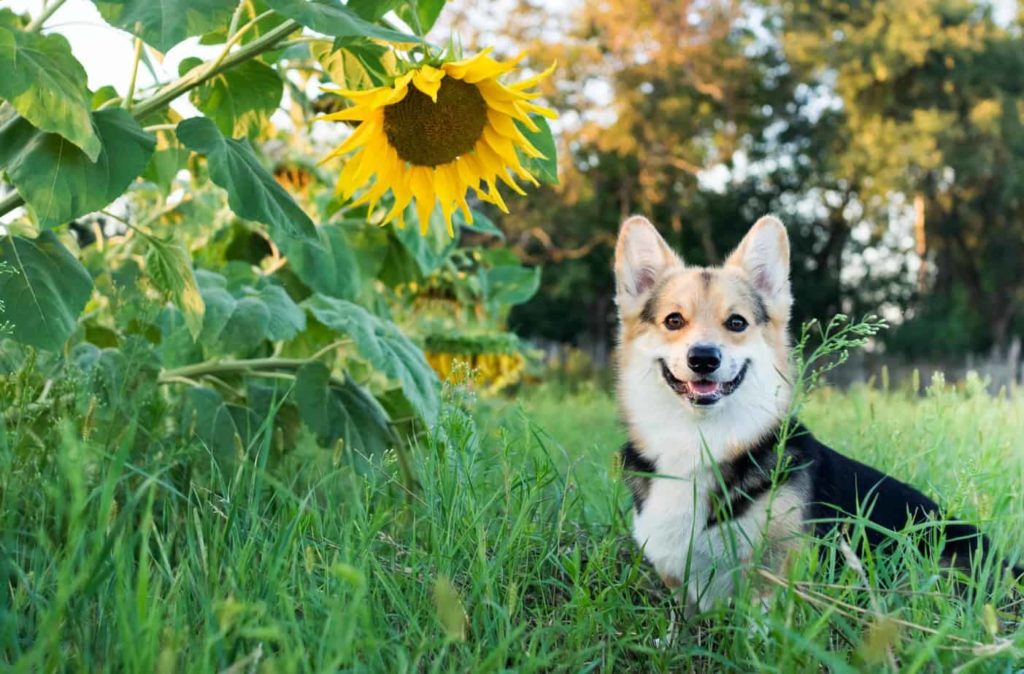
Remove risks where possible. Swap toxic plants for dog-safe options like marigolds, snapdragons, sunflowers, zinnias, or petunias. Herbs such as basil, sage, and thyme are practical and pet-friendly too. You can have both a beautiful garden and a safe dog if you make smart plant choices.
Create barriers. Use a dog playpen, keep your dog on a leash in the yard, or place plants on stands out of reach.
Use deterrent sprays. Bitter apple sprays can discourage chewing. Look for products labeled pet-safe and non-toxic, test on a small area of your plant first, and check with your vet if your dog has sensitive skin or allergies.
Research before you plant. Before adding anything new to your home or garden, check that it’s safe for pets. A quick search can prevent a serious incident.
Keep your dog engaged. Regular walks, puzzle feeders, and playtime help prevent boredom, and a less bored dog is much less likely to chew on the flower beds.
Be alert on walks. Toxic plants grow in parks, on roadsides, and in neighbors’ yards, too. Keep an eye on what your dog is sniffing and chewing beyond your own garden gate.
Final thoughts: Protect your dog from toxic plants
Spring brings beauty, but it also brings real danger for dogs. Many plants that make gardens and homes look their best, such as daffodils, tulips, azaleas, lilies, hyacinths, and foxgloves, contain toxins that can seriously harm or even kill a dog.
These aren’t the only ones to know about. Bluebells, snowdrops, crocuses, irises, and wisteria are all capable of causing serious harm, too. Crocus ingestion has been linked to severe gastrointestinal distress and organ damage. Bluebells contain compounds that put strain on the heart. The more you look into it, the longer the list becomes.
Make it a habit to research any plant you don’t recognize. Contact your vet whenever you are unsure about your dog’s safety. Take preventive steps to prevent incidents and keep your dog protected.e.
A healthy garden and a safe dog can absolutely coexist. Stay informed, check your plants’ safety regularly, and consult your vet for advice to ensure your dog’s well-being.
Even if your dog appears to have bounced back from a mild poisoning episode, don’t let your guard down in the weeks after.
Certain toxins, especially those that affect the liver, kidneys, or heart, do not always show their full impact right away. Watch for ongoing tiredness, changes in eating habits, increased drinking or urination, or anything else unusual. It’s a good idea to arrange a follow-up appointment with your vet after any poisoning incident, even if your dog seems fully recovered.
Take some time this spring to walk through your garden with fresh eyes. Think about what’s within your dog’s reach and whether any modifications are needed. Store the Pet Poison Helpline number in your phone now, before you ever need it: 855-764-7661.
Preparation is protection. Act is before something goes wrong.
Sara B. Hansen has spent 20-plus years as a professional editor and writer. She’s also the author of The Complete Guide to Cocker Spaniels. She created her dream job by launching DogsBestLife.com in 2011. Sara grew up with family dogs, and since she bought her first house, she’s had a furry companion or two to help make it a home. She shares her heart and home with Nutmeg, a Pembroke Welsh Corgi. Her previous dogs: Sydney (September 2008-April 2020), Finley (November 1993-January 2008), and Browning (May 1993-November 2007). You can reach Sara @ editor@dogsbestlife.com.