
How to read your dog’s secret pain language because they can’t speak up

Many dog owners expect pain to be obvious — limping, whining, or visible injury. But in reality, discomfort often starts with quiet, subtle shifts in behavior or movement that are easy to overlook.
Dogs don’t communicate pain as humans do. Instead of clear distress, they often adjust, compensate, or quietly withdraw. These minor changes can seem like personality quirks, which is why discomfort often goes unnoticed until it’s serious.
Recognizing these early signals can make a meaningful difference.
When owners notice what’s slightly “off,” they can step in sooner. This reduces prolonged stress and supports their dog’s overall well-being.
Why pain in dogs often goes unnoticed
Dogs are naturally inclined to mask discomfort. This instinct stems from survival behavior: showing vulnerability could make them a target in the wild. Even in a safe home environment, that tendency hasn’t disappeared.
As a result, many dogs eat, walk, and interact normally, even while experiencing low-level pain. Calm or well-trained dogs are especially easy to misread, as their quiet nature can hide discomfort.
Another reason pain often goes unnoticed is that many owners expect pain to be obvious and dramatic. This means subtle signs, like small changes in movement or behavior, are often missed or dismissed.
Without obvious signs—like limping or distress—small changes are dismissed as age-related, mood-related, or fatigue-related.
Discomfort builds gradually, so learning to spot these early signals is key to preventing bigger problems.
The early signals most owners overlook
The first signs of discomfort are rarely dramatic.
Instead, they tend to show up as small shifts in how a dog moves, behaves, or engages with their environment — subtle enough to blend into everyday routines.
You might notice your dog hesitating before jumping onto furniture, taking slightly longer to sit or lie down, or adjusting their posture in ways that seem minor but different from usual.
Other subtle everyday examples include a reluctance to climb stairs, stopping partway up or down steps, or choosing a different route to avoid them entirely.
You might also see your dog standing with their tail lower than usual, tucked slightly, or held more stiffly.
Sometimes, a dog might pause before getting into the car, seem unsure about certain movements, or shift their weight more to one side when walking or standing. These small moments are easy to miss, but they can offer important clues that something isn’t quite right.
Early changes are often inconsistent, making them easy to overlook or dismiss — especially if you’re unfamiliar with basic dog body language.
Grooming behavior can also offer important clues. Dogs may begin licking or chewing a specific area more frequently — a paw, joint, or the base of the tail.
While occasional grooming is normal, repeated focus on one spot can signal irritation or discomfort beneath the surface.
Energy and engagement often shift as well.
A dog that once eagerly walked or played may seem less enthusiastic, tire quickly, or disengage sooner. This isn’t always obvious fatigue — sometimes it’s quiet avoidance.
Attention and responsiveness can shift, too. Dogs in discomfort may seem distracted, respond more slowly, or show less interest.
This is not stubbornness—it’s often their physical state taking priority.
When behavior changes indicate physical discomfort
One of the most common misunderstandings in dog care is assuming that behavior changes are purely behavioral — when, in many cases, they’re actually physical.
A dog that becomes irritable, withdrawn, or less responsive may not be acting out — they may be coping with discomfort they can’t clearly express.
For example, a dog that avoids being touched in certain areas might not be “moody,” but is protecting a sensitive spot.
A normally social dog that withdraws may be conserving energy or avoiding situations that increase discomfort.
In some cases, dogs may even appear stubborn or uncooperative.
They might hesitate to follow cues or resist activities they once enjoyed. While this can feel frustrating, it is often rooted in physical limitations rather than a lack of training.
When the body is strained, behavior shifts. What looks like attitude is usually the body communicating in its only way.
Dogs don’t suddenly “change” — they adapt to what they’re feeling.
Recognizing this connection allows owners to respond more effectively—with observation and support rather than correction.
Hidden sources of discomfort that are easy to miss
Not all causes of discomfort are visible or obvious. In fact, some of the most common sources of pain in dogs develop quietly, without clear external signs.
Joint stiffness, especially in small or aging dogs, can begin as mild discomfort before affecting mobility. Digestive sensitivities may also cause internal discomfort that changes appetite, energy, and behavior — often without obvious symptoms.
Skin irritation is another frequently overlooked factor. Allergies, dryness, or minor infections can cause persistent discomfort that dogs try to manage by licking or scratching.
There are also more specific conditions that tend to go unnoticed until they become more uncomfortable.
For example, smaller breeds like Dachshunds can be prone to anal gland issues. These may show as scooting, excessive licking, or restlessness.
In cases like these, understanding lesser-known issues can help you recognize what your dog may be trying to communicate. Larger breeds have their own tendencies.
For instance, breeds like Labradors or German Shepherds are more prone to joint pain or early arthritis. This might show up as stiffness after rest or reluctance to climb stairs.
Certain breeds, such as Bulldogs or Pugs, may have respiratory discomfort. This can manifest through altered breathing or exercise intolerance.
Considering breed-specific health tendencies can help you stay alert. This way, you can notice subtle pain signals that are common for your dog.
These subtle cues are often the first sign of bigger health problems. Acting on them early can mean less suffering for your dog.
Because these sources of discomfort aren’t always visible, noticing patterns and small changes over time becomes especially important.
What to do when you notice these subtle signs
When something feels “slightly off,” it’s worth paying attention — even if the changes seem minor.
Observe patterns. Is the behavior consistent, or does it increase over time?
Does it appear in specific situations, like after activity or during rest? Small details like this can offer clues about what your dog might be experiencing.
Avoid jumping to correction. If your dog is slower to respond, less engaged, or behaving differently, pushing them to perform or comply can add pressure rather than resolve the issue.
Instead, consider adjusting their environment and expectations. In many cases, small, practical changes can help reduce strain while you assess what’s going on.
Try shorter, gentler walks, provide softer bedding, or make it easier for your dog to reach favorite spots— like adding ramps or steps next to furniture.
Make water and food bowls easy to reach. Try rearranging the furniture so your dog can move more easily. These simple adjustments offer comfort and make it easier for you to notice what helps.
- Shorten walks or high-energy activities
- Allow more rest and recovery time
- Reduce physical or environmental demands
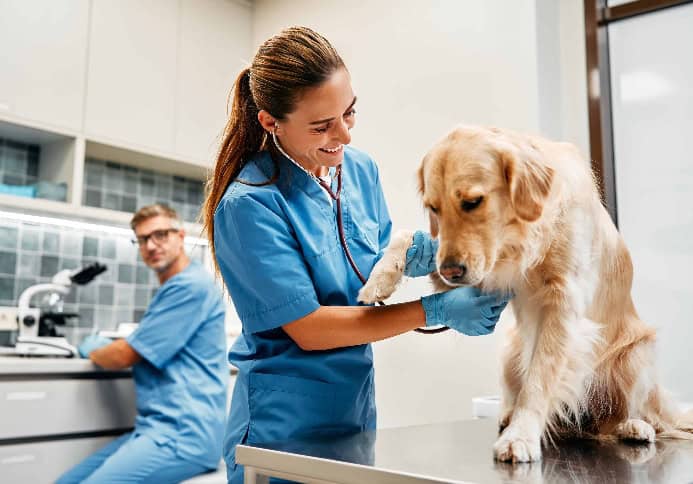
If the signs persist or become more noticeable, consulting a veterinarian is important. Early evaluation can help identify underlying causes before they develop into more serious concerns.
Always call your vet if you notice persistent limping, significant loss of appetite, repeated vomiting or diarrhea, sudden difficulty standing or moving, noticeable swelling or heat in a limb, repeated licking or chewing in one spot, or a sudden behavioral change that does not resolve after a day or two.
Trust your instincts — if your dog suddenly seems unwell, is in apparent pain, or you are uncertain about their symptoms, seeking veterinary advice is always the safest choice.
The goal isn’t to overreact to small changes, but to stay alert enough to recognize what deserves closer attention.
Awareness is the real prevention
One of the most effective ways to protect your dog’s health is simply knowing what’s normal for them.
Every dog has a baseline. You can note how they move, rest, eat, and interact on a typical day. When you know that baseline, even small changes are easier to notice.
This kind of awareness allows you to respond earlier, often before discomfort develops into more obvious pain or behavioral challenges. It also helps build trust, as your dog learns that their signals are noticed and respected.
This creates a supportive relationship where your dog feels understood. Key takeaway: consistent awareness leads to better trust and quicker help when needed.
Final thoughts on recognizing signs of pain
Because pain in dogs is often subtle, sharpening your awareness of early signs is the best way to protect your dog’s health and happiness.
By paying attention to these changes, owners can respond sooner, reduce discomfort, and prevent more serious issues from developing.
Dogs may not communicate pain in obvious ways, but they are always communicating. The more we learn to notice those signals, the better we can care for them — with understanding, patience, and timely support.
Kartikey Swami is the founder of DoxieNest.com, a dog care and education platform focused on Dachshunds and small-breed dogs. He writes research-informed, experience-based content on canine behavior, emotional well-being, and overlooked health signals that affect everyday life. His work helps dog owners better understand subtle communication cues and build calmer, more confident relationships with their dogs.