
Transform holiday leftovers into 9 tasty meals for your dog
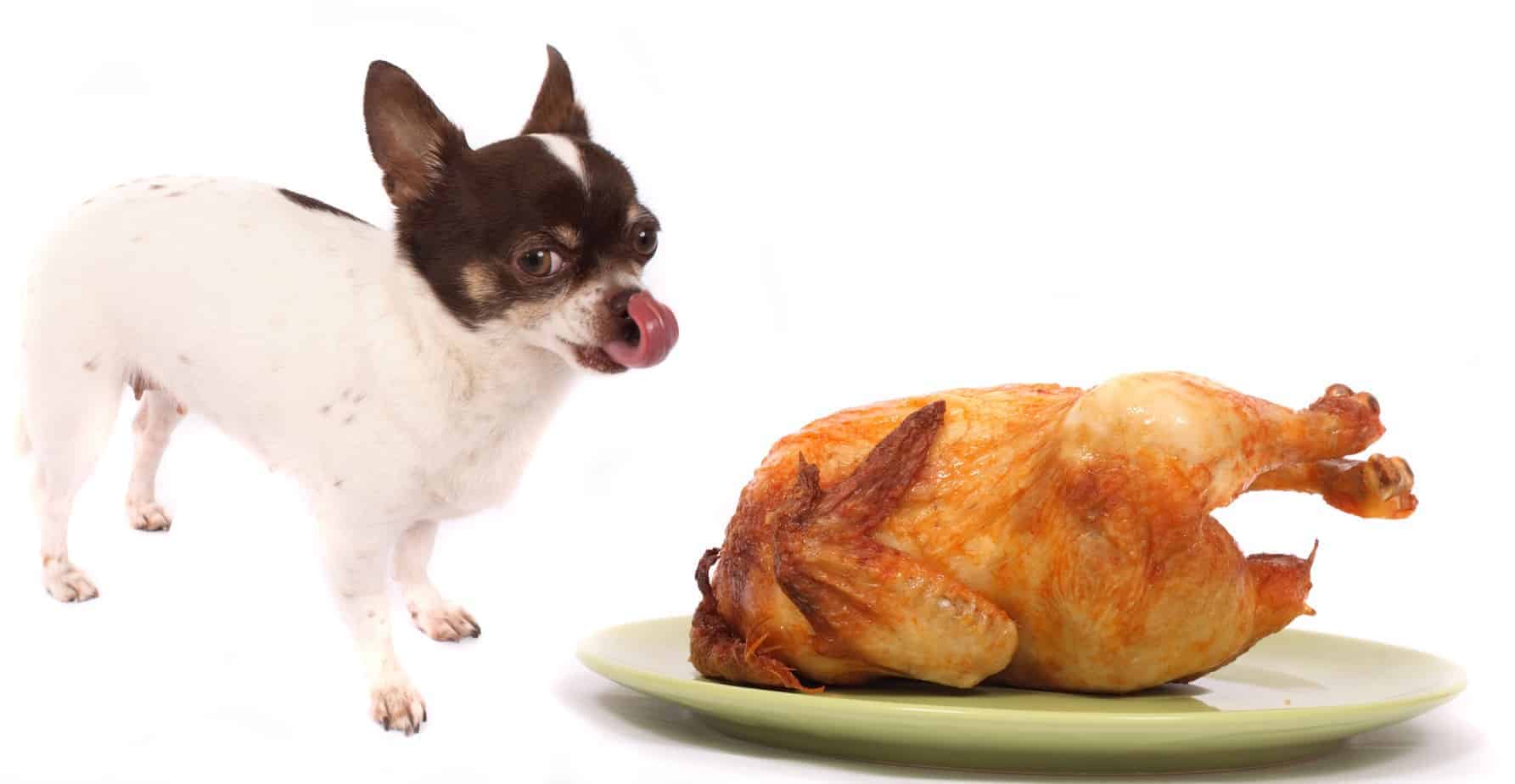
The holidays are a “ruff” time for your pet. With so many new houseguests and activities, their routine gets disrupted. And you may not have as much time to spend with them as you prepare for the big day.
However, your puppy’s main problem is the plethora of delicious smells wafting around. There are plates and plates of delectable foods, but they’re stuck with dry dog food?!
This year, you can give in to those puppy eyes. Instead of allowing your pup a few table scraps here and there, make a special meal just for them. Turn your holiday leftovers from your Thanksgiving feast or Christmas dinner into pet food.
The good news is that you don’t have to guess which foods are safe for them — Personal Creations did the work for you.
This comprehensive guide covers everything from which meats and vegetables are safe to share with your dog to which you should avoid.
Five healthy holiday dog food recipes
Make the most of your holiday leftovers by whipping up some tasty and nutritious meals for your furry friend.
Here are five healthy dog food recipes that make your pup drool.
Turkey and veggie stew
Ingredients:
2 cups shredded cooked turkey (without bones or skin)
1 cup carrots, chopped
1 cup green beans, chopped
1/2 cup peas (fresh or frozen)
2 cups low-sodium chicken broth
Instructions:
1. Combine ingredients in a large pot.
2. Bring to a boil, then reduce heat and simmer for 30 minutes.
3. Cool before serving.
Sweet potato and apple mash
Ingredients:
2 cups cooked, mashed sweet potatoes
1 cup chopped apples (no seeds)
1/2 cup low-sodium chicken broth
1 tablespoon olive oil
Instructions:
1. Mix the sweet potatoes, apples, and olive oil in a large bowl.
2. Slowly add broth until you reach the desired consistency.
3. Serve warm or at room temperature.
Cranberry and pumpkin snack bites
Ingredients:
1 cup canned pumpkin (not pie filling)
1/2 cup chopped fresh or frozen cranberries
2 cups whole wheat flour. If your dog is gluten intolerant, use oat flour.
1 egg
Instructions:
1. Preheat oven to 350°F (175°C)
2. Combine all ingredients to form dough in a mixing bowl.
3. Roll into small balls or flatten them to create shapes, then place them on a baking sheet lined with parchment paper.
4. Bake for 15-20 minutes or until firm. Let cool before serving.
Green bean and turkey casserole
Ingredients:
2 cups cooked, shredded turkey meat
1 cup green beans (fresh or canned, drained)
1 cup cooked brown rice
1/2 cup chicken broth
Instructions:
1. Preheat oven to 350°F (175°C).
2. Combine turkey, green beans, rice, and chicken broth in a large mixing bowl.
3. Pour the mixture into a baking dish and bake for 30 minutes.
4. Cool before serving, and store leftovers in the refrigerator.
Pumpkin and carrot muffins
Ingredients:
1 cup canned pumpkin (not pumpkin pie filling)
1 cup grated carrots
2 eggs
2 cups whole wheat flour. if your dog is gluten intolerant, use oat flour.
1/2 teaspoon cinnamon
Instructions:
1. Preheat oven to 350°F (175°C) and line muffin tin with liners.
2. Blend pumpkin, grated carrots, and eggs in a mixing bowl. You can mix by hand or use a food processor or blender.
3. Gradually add flour and cinnamon, mixing until well combined.
4. Fill muffin cups and bake for 20-25 minutes. Let muffins cool before sharing them with your pup.
These recipes use your holiday leftovers and provide a delicious and nutritious treat for your furry companion.
Always consult your veterinarian if you need clarification on specific ingredients or to tailor recipes to your dog’s dietary needs.
Want more options?
Avoid toxic foods such as artificial sweetener xylitol, onions, garlic, raisins, and grapes when turning holiday leftovers into pet food. You should also avoid giving your dog cooked poultry bones because they can splinter and cut your dog’s mouth or gastrointestinal tract.
You can make slow-cooker meals or bake special delicious treats or cakes for your pup.

Safely prepare homemade dog food
Creating homemade dog food can be a rewarding way to treat your furry friend, but it’s essential to prioritize safety during the preparation process.
Here are some essential tips to ensure that your homemade food is nutritious and safe for your dog:
Choose fresh ingredients
Always select fresh, high-quality ingredients. Check that vegetables, meats, and grains are free from mold, spoilage, or any signs of decay.
Wash ingredients thoroughly
Wash all fruits and vegetables to remove pesticides, dirt, and harmful bacteria. Peeling can also help minimize exposure to chemicals.
Follow safe cooking methods
Cook meat thoroughly to eliminate harmful bacteria and parasites. Use methods like boiling, baking, or steaming, and avoid frying, which adds unnecessary fats that may be unhealthy for your dog.
Avoid toxic foods
Be sure you know which foods are toxic to dogs, such as onions, garlic, grapes, chocolate, and avocados. Always double-check any ingredients you’re uncertain about.
When in doubt, leave it out.
Balance nutrition
Ensure that any meals you prepare are nutritionally balanced. Incorporate a variety of proteins, vegetables, and carbohydrates to meet your dog’s dietary needs.
Consult your veterinarian for guidance on balanced diets.
Serve appropriate portions
Consider your dog’s size, age, and activity level when determining portion sizes.
Overfeeding can lead to obesity and related health issues.
Monitor your dog for allergic reactions
When introducing a new homemade meal to your dog’s diet, watch for any signs of allergies or digestive upset.
Call your veterinarian immediately if you notice vomiting, diarrhea, or itching.
Consult your veterinarian
Discuss your plans with your veterinarian before making significant changes to your dog’s diet or introducing homemade meals.
The vet can provide valuable guidance to ensure you meet your dog’s nutritional needs.
Safely store homemade dog food
Properly storing homemade dog food is essential to maintaining its freshness and ensuring the safety of your furry friend.
Here are some tips on how to store it safely:
Cool before storing
Allow your homemade dog food to cool completely before transferring it to storage containers.
Cooling helps prevent condensation, which can lead to mold growth.
Use airtight containers
Store food in airtight containers to keep it fresh and protect it from bacteria and pests.
Glass or high-quality plastic containers make ideal choices.
Label and date
Clearly label each container with its contents and the date it was made.
This practice helps track how long you’ve stored the food and ensures you use older batches first.
Refrigerate
You can store most homemade dog food in the refrigerator for 3 to 5 days. To keep the food safe, ensure your refrigerator is set at 40°F (4°C) or lower.
Freeze for long-term storage
If you make a larger batch, consider freezing portions for later use. Portion the food into serving sizes before freezing to thaw what you need. Homemade frozen dog food can last 2-3 months.
Thaw safely
When ready to serve, thaw the frozen dog food in the refrigerator for several hours or overnight.
Avoid thawing at room temperature, which can promote bacterial growth.
Reheat gently
Before serving, gently reheat refrigerated or thawed food in the microwave or on the stovetop.
Ensure it’s warmed to a safe temperature (not hot), and let it cool slightly before serving to avoid burning your dog’s mouth.
Check for odors
Always inspect the stored food for any off smells, discoloration, or signs of spoilage before giving it to your dog.
When in doubt, throw it out.
Health benefits of homemade dog food
Ingredient quality: Homemade pet food allows pet owners to choose high-quality, fresh ingredients, avoiding preservatives, additives, and by-products commonly found in commercial food.
Customization: Owners can tailor diets to meet their pets’ unique needs, accommodating allergies or health conditions, which can enhance overall health.
Digestibility: Many pets experience better digestion and stool quality on homemade diets, thanks to the absence of artificial additives and lower carbohydrate levels.
Weight management: Homemade meals can be precisely portioned to prevent overfeeding, helping maintain a healthy weight and promote a healthier lifestyle.
Increased vitality: A balanced homemade diet can lead to improved energy levels, a stronger immune system, and better overall health.
While homemade pet food offers benefits, it’s crucial to consult with a veterinarian or pet nutritionist to ensure a balanced diet.
Final thoughts on how to turn holiday leftovers into pet food
The holiday season can be challenging for your pet, but with a little creativity and care, you can also make it a joyful experience.
By transforming your holiday leftovers into delicious and nutritious meals, you will satisfy your furry friend’s cravings and strengthen your bond.
These recipes offer a variety of flavors and nutrients, ensuring that your dog gets a wholesome, delicious treat while you enjoy your festive meals. Remember to prioritize safety and balance in your dog’s diet, and always consult your veterinarian if you have any concerns.
With these thoughtful preparations, you can make your pet feel included in the holiday spirit, leading to a happier, healthier season for everyone.