Why is my dog biting?
Dog biting: Understand the common reasons why your dog might bite including playfulness, anxiety, illness, or defending their territory.

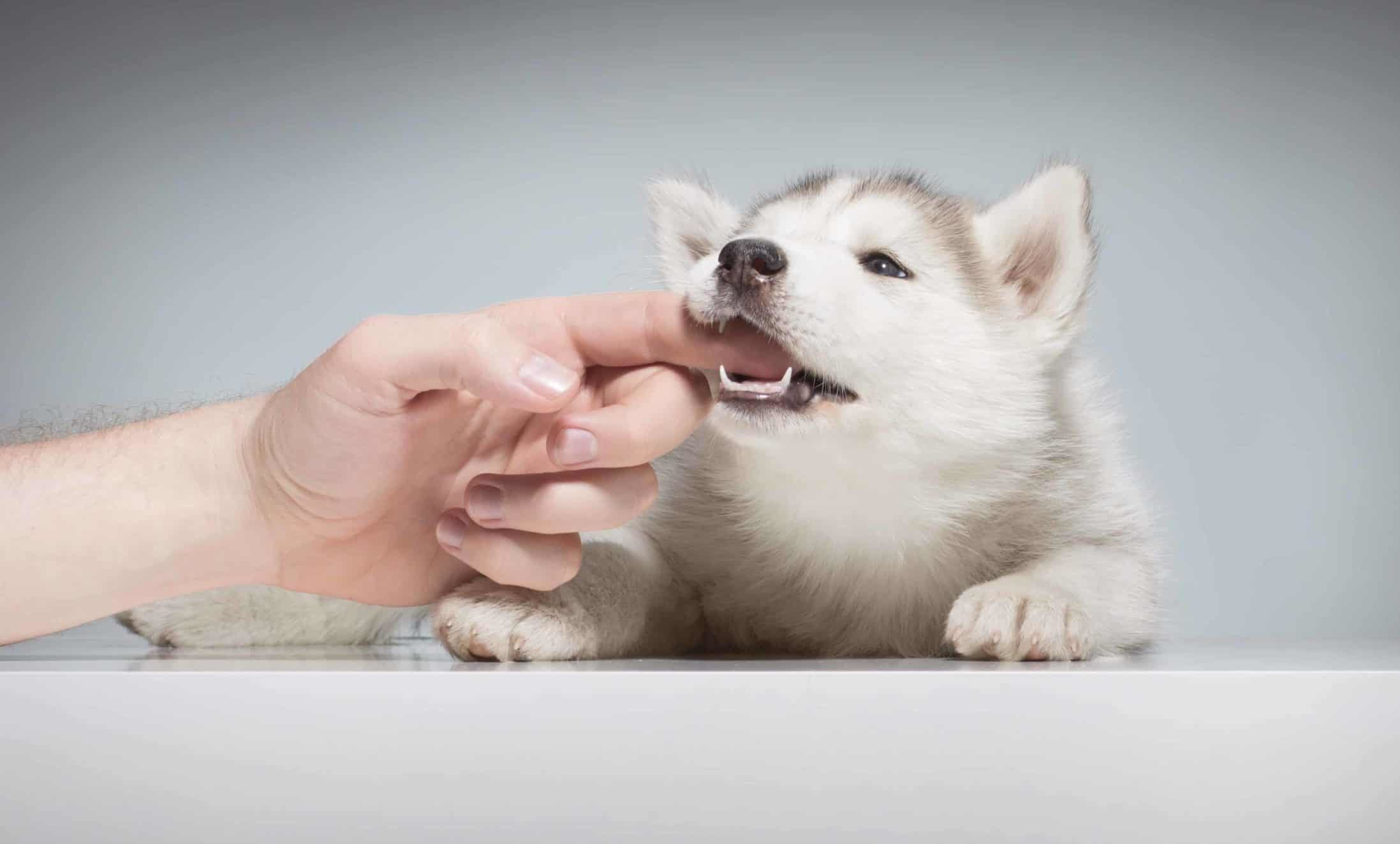
Biting can be a hard habit to break. Use training to prevent your dog from developing this habit.
First, let the puppy know he is hurting you. Rather than reprimanding, removing, or restraining your pup, it is usually more effective to make the dog immediately realize they have hurt you by giving a voluble yelp or crying “OUCH.”
Usually, the dog will back off and learn this behavior is inappropriate. It’s important to teach your dog good canine manners.
If the dog doesn’t, you may have to remove yourself. Stop playtime and turn your back on the puppy. Be fair, firm, and consistent. Eventually, your puppy will associate the force of their bite, determines the number of interruptions in playtime.
If your dog starts obsessively biting his tail, you should consult your veterinarian. The behavior usually begins when the dog is still a puppy.
If you ignore tail biting or tail chasing, it can become a severe behavior disorder. Allergies or fleas can cause the condition. It also can be caused when the dog doesn’t get enough exercise or mental stimulation.
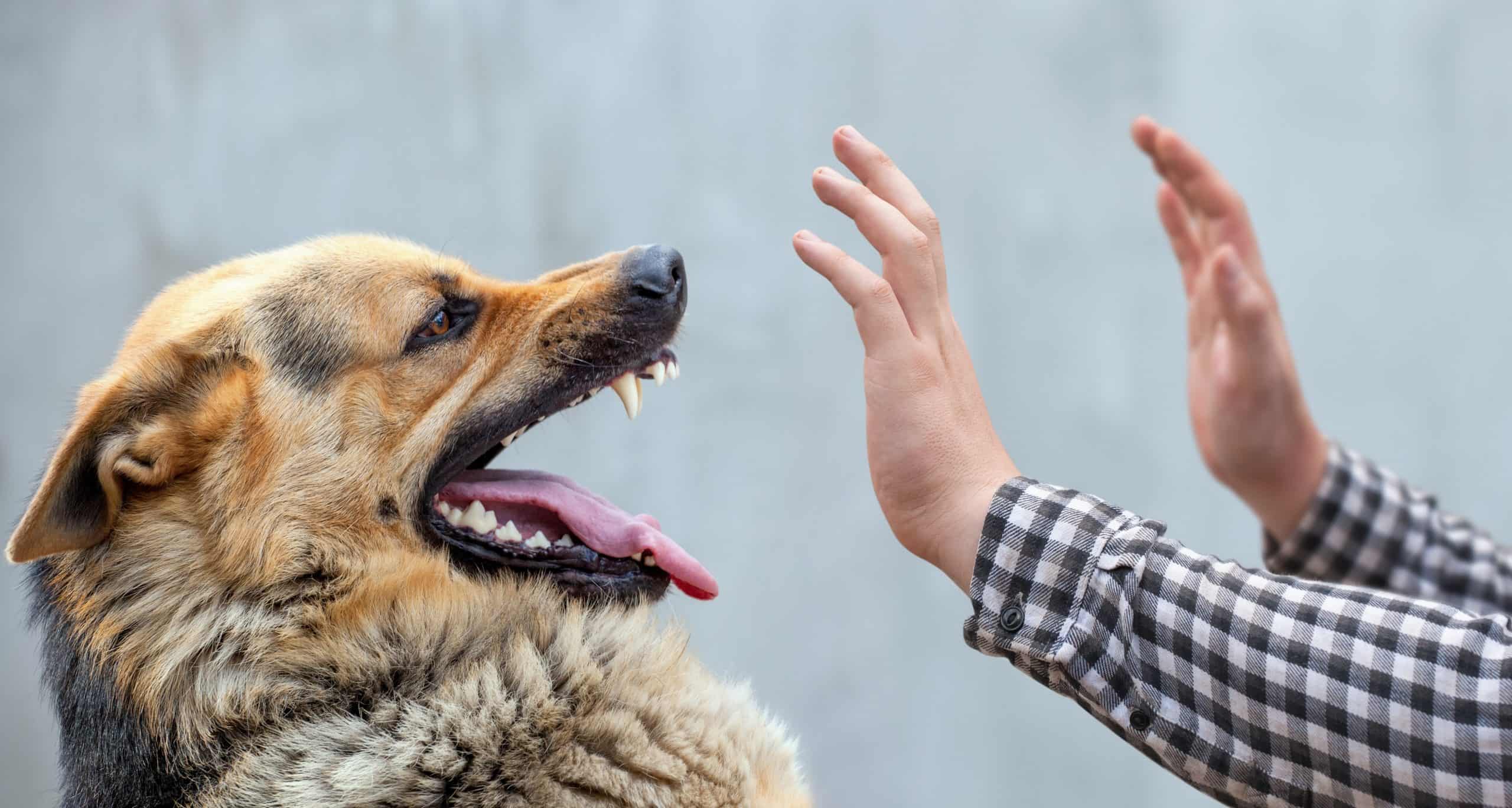
Dog biting: Understand the common reasons why your dog might bite including playfulness, anxiety, illness, or defending their territory.
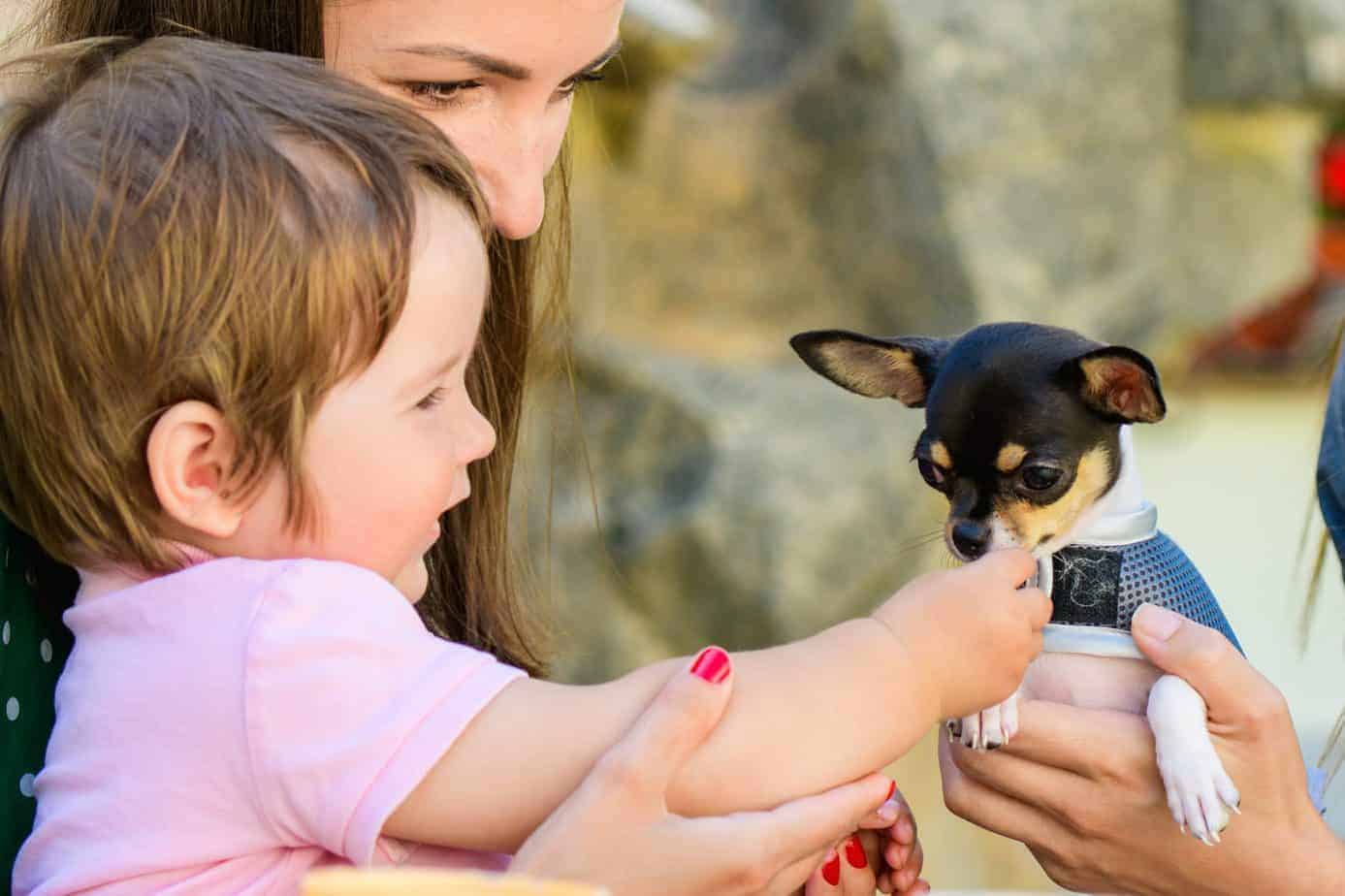
Teach children to minimize dog bite risks and remember the rules as an adult. Ask for permission before petting a dog, don’t poke or prod.
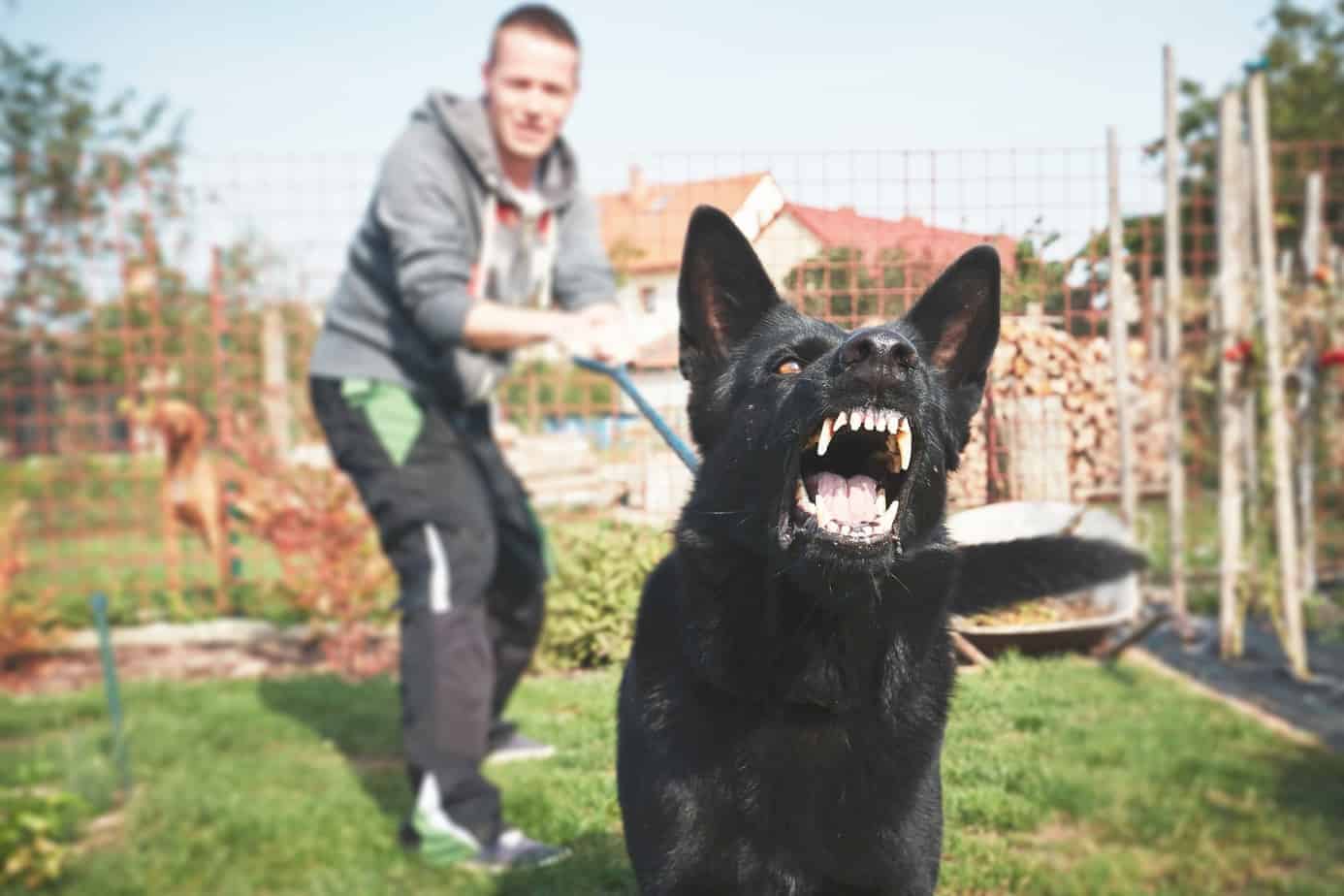
Train a dog not to bite: Watch for behavior changes, redirect puppy bites, and reduce frustration with exercise, and mental stimulation.
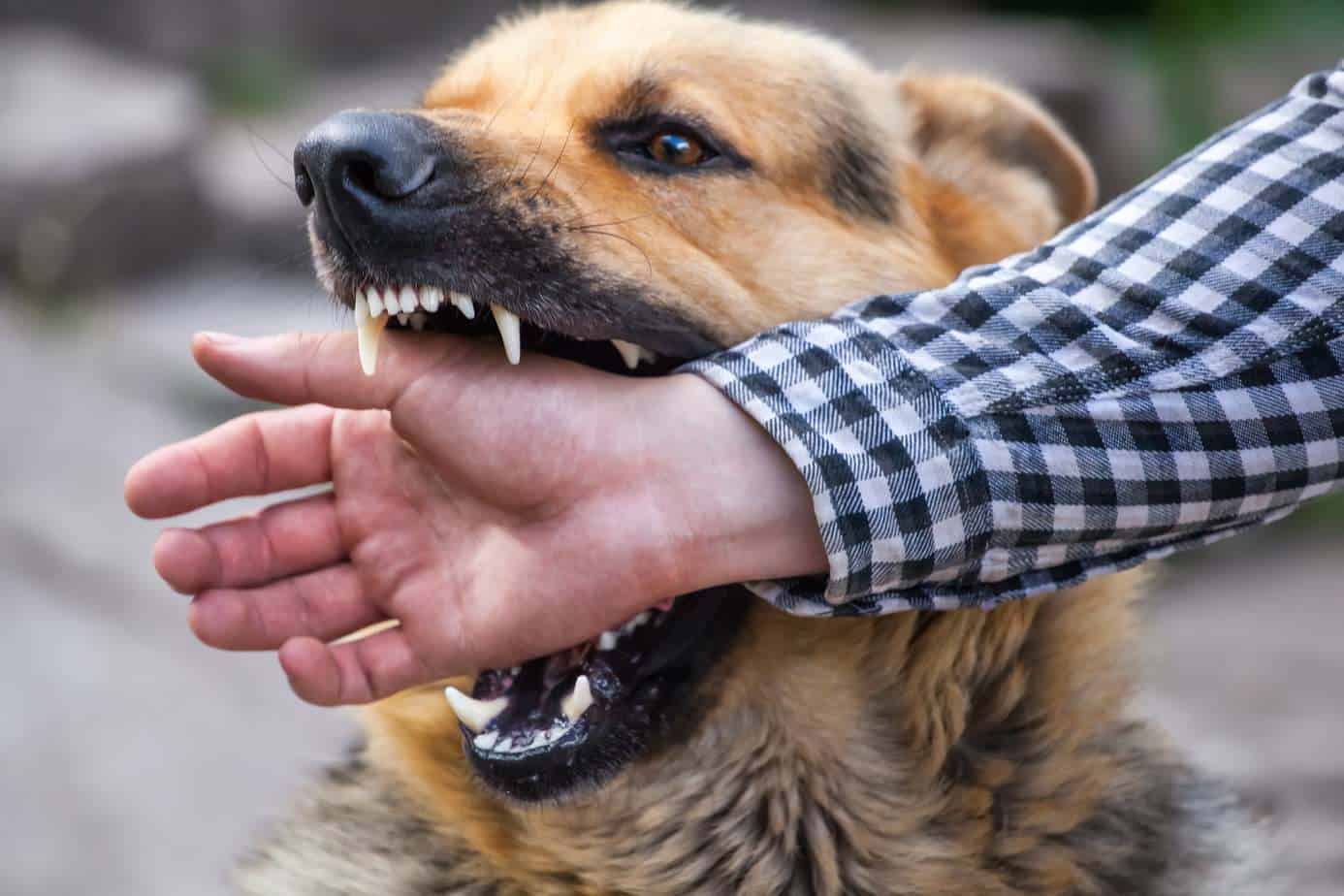
Avoiding future dog bites is possible with the right training and discipline. Prevent dog bites. Stress can trigger bites. Use training to prevent them.

Use patience, education and positive reinforcement to make sure your pup has good dog manners. Don’t allow jumping, begging or mouthiness.
[mc4wp_form id=”13217″]