How to train an adopted greyhound
The greyhound is a loving dog, but because most adopted greyhounds are racing retirees they need training to adapt to living with a family.

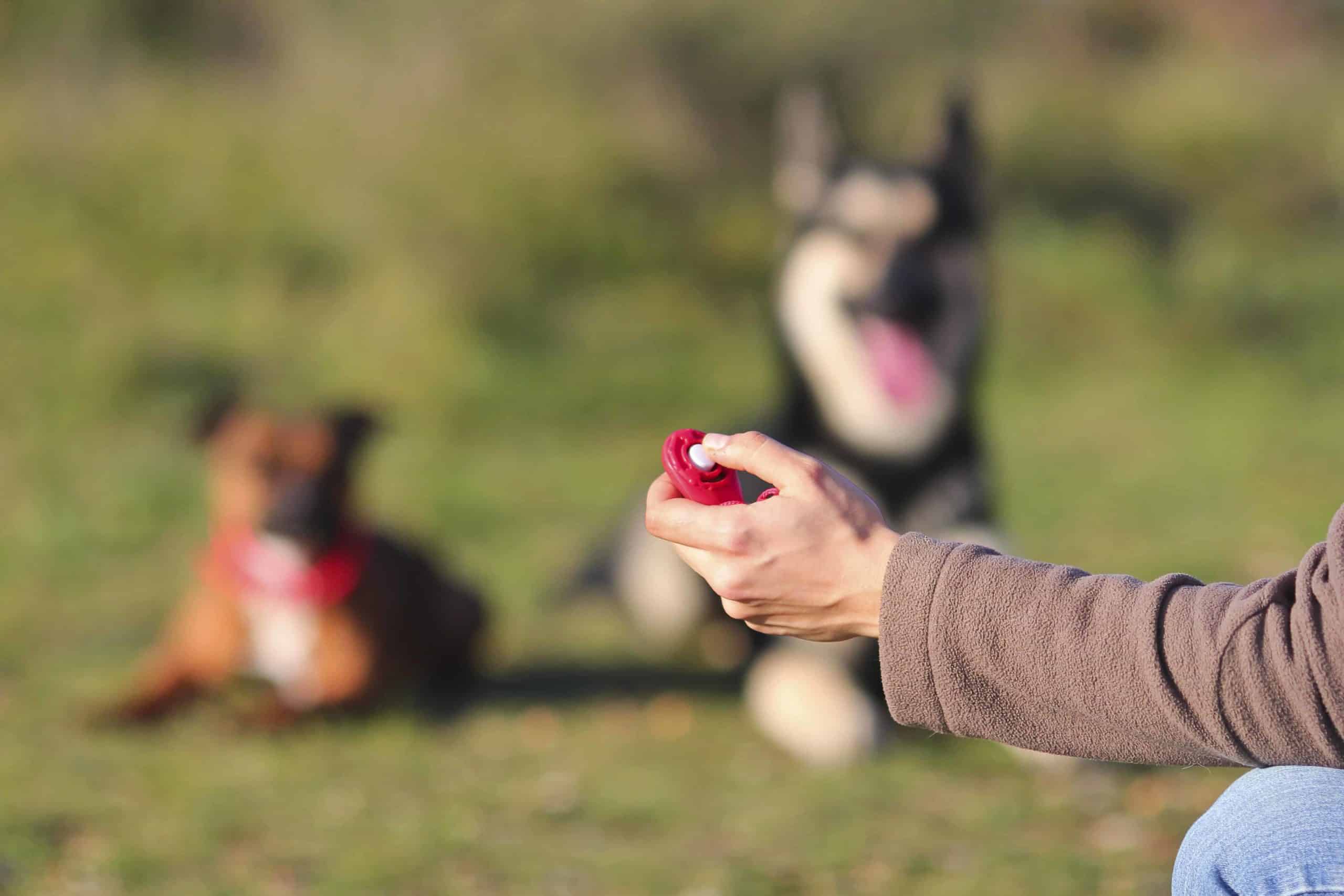
Dog training takes time and effort. To be successful, use these dog training tips: Be a leader, be firm, be humane and give praise.
Dogs are social, pack-oriented animals who respond best to a leader figure whether dog or human. The best pack leaders are the ones who are the most consistent. Dogs react to consistency because they know they can trust the consistent leader. Consistent leaders don’t invite the dog onto the couch one day and punish him the next when he jumps on the couch without permission.
Good leaders are firm without being harsh. A good leader tells the dog to do something. He or she doesn’t shout at the dog, plead with the dog or scream at the dog to obey. The punctuation at the end of a good leader’s command is merely a period.
Third, a good leader is compassionate. He or she doesn’t punish the dog for mistakes that were made by the leader.
When the dog does something praiseworthy, deliver approval immediately. The good leader does not praise behaviors that are unwanted, no matter how unintentional the recognition may be.
If the dog is showing fear, aggressiveness, or timidity, the good leader either ignores the behavior or tells the dog to knock it off. The good leader doesn’t praise, and, therefore, encourage the response, by stroking the dog, telling him it’s OK, you’re a good boy, etc., while the dog is acting out.
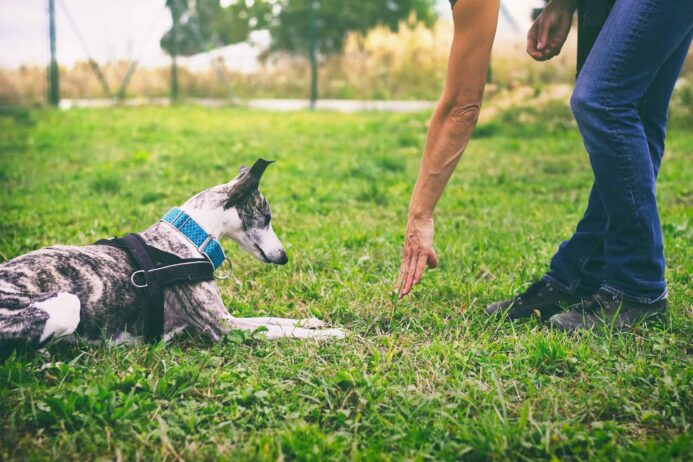
The greyhound is a loving dog, but because most adopted greyhounds are racing retirees they need training to adapt to living with a family.
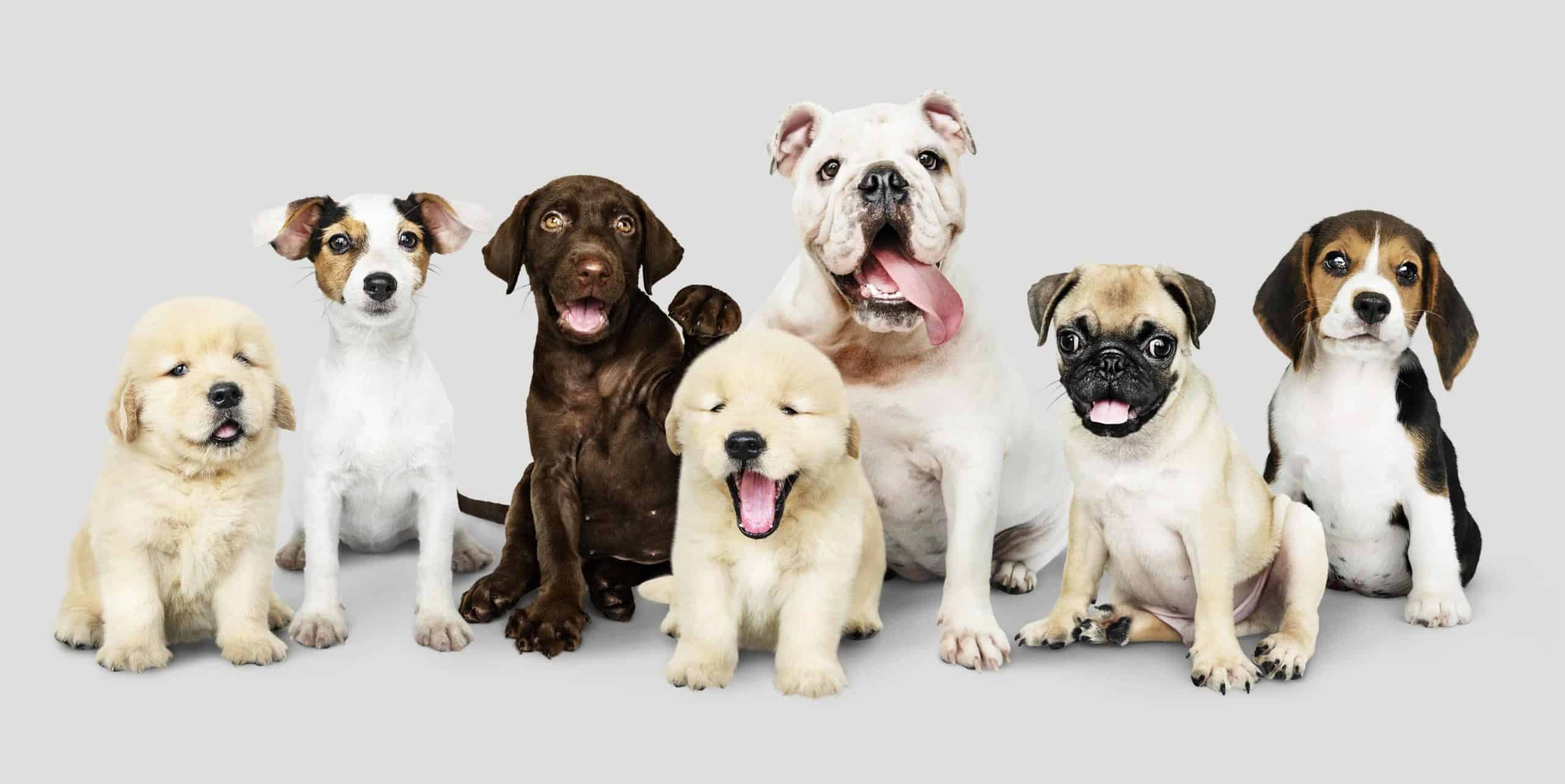
Bringing home a puppy is a big responsibility. Use these first-week puppy tips to establish a strong, healthy relationship with your puppy.
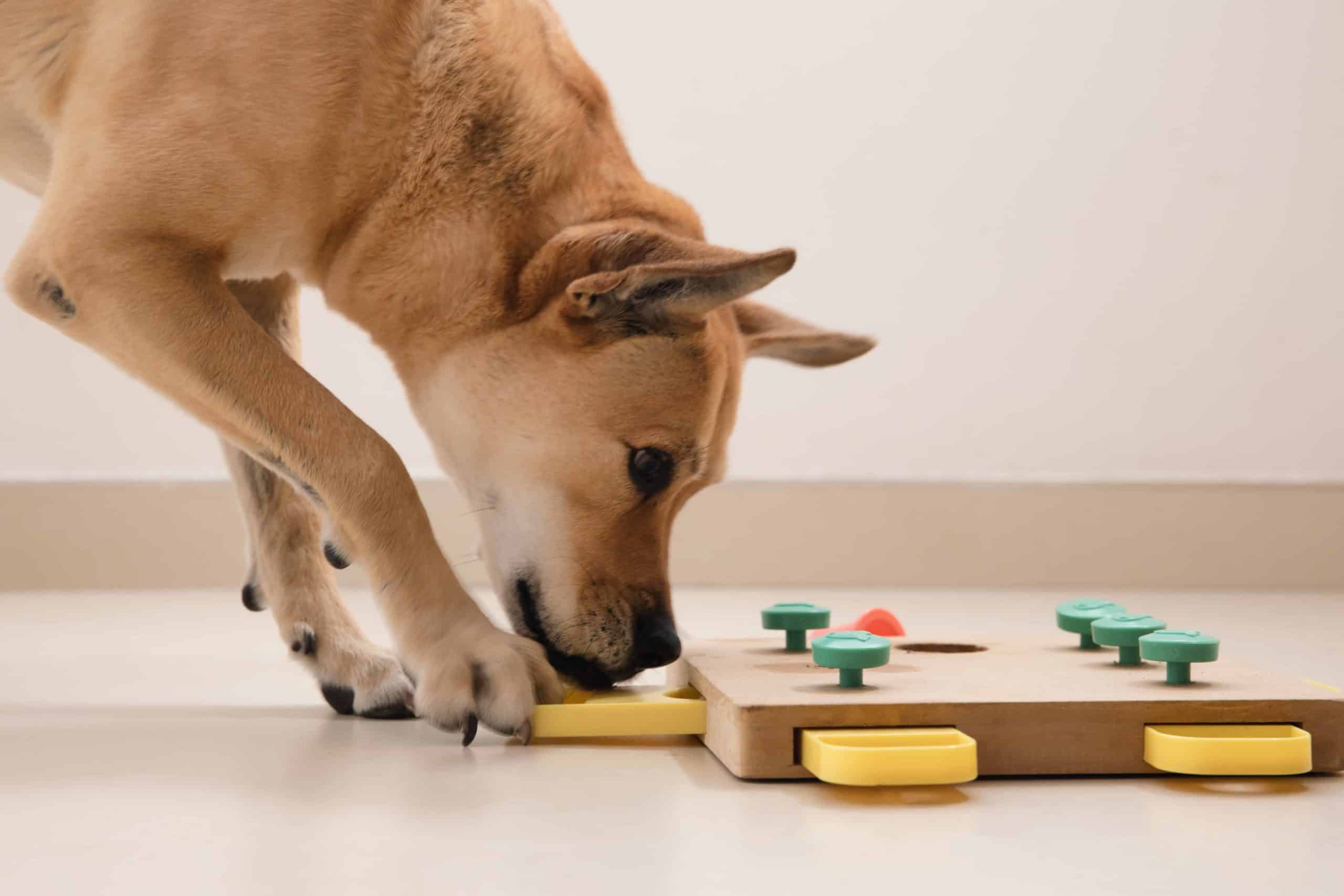
Use seven pro tips to create a well-behaved dog: Use treats for training, keep sessions fun, start on day one and stick to a schedule.

During virtual pet training, trainers provide interactive pet training and learning activities online in private lessons or group classes.
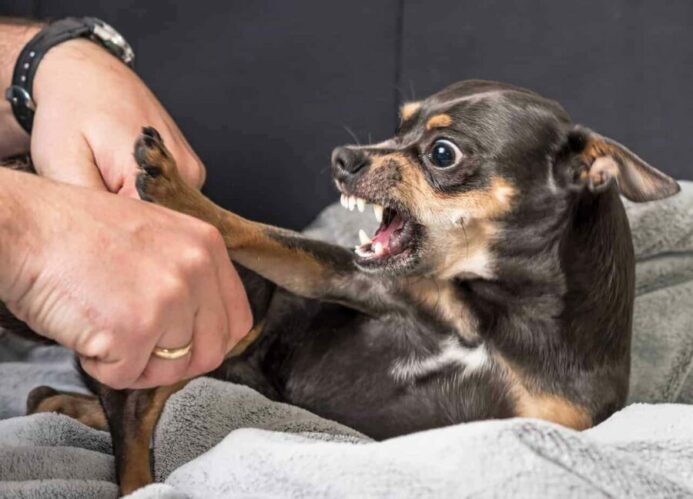
Training can modify dog aggression by desensitizing the dog to stimuli that pump adrenaline making them fearful, angry and out of control.
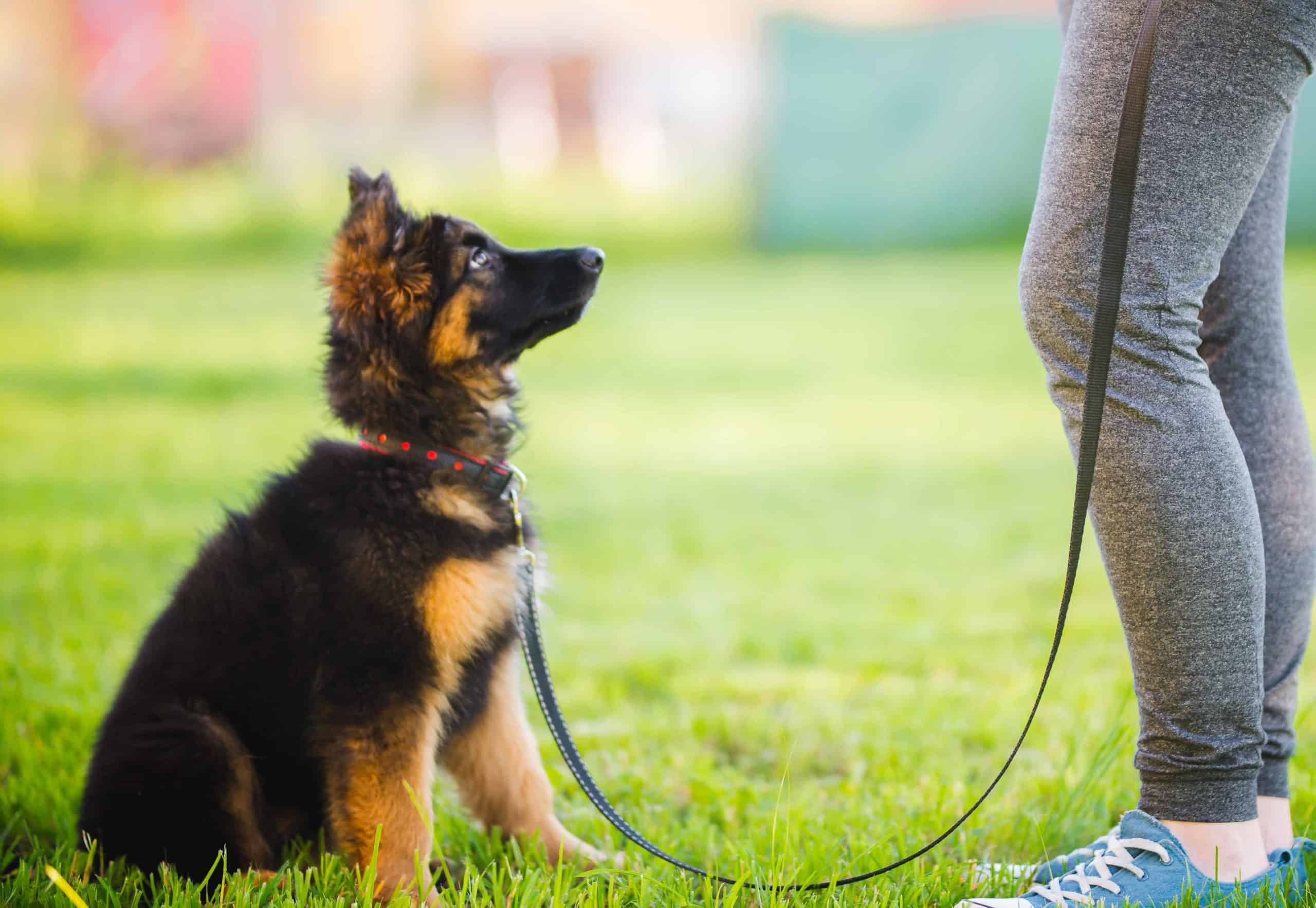
Large dog training may not be as challenging as it sounds if you begin early. A poorly trained or untrained big dog can be dangerous.

One popular dog trick you can teach your dog is leg weaving: a trick where your dog goes between your legs in a figure-eight pattern.

Do you know what to expect and how to cope when your puppy becomes a difficult teenager? Dogs may assert independence and stop obeying.
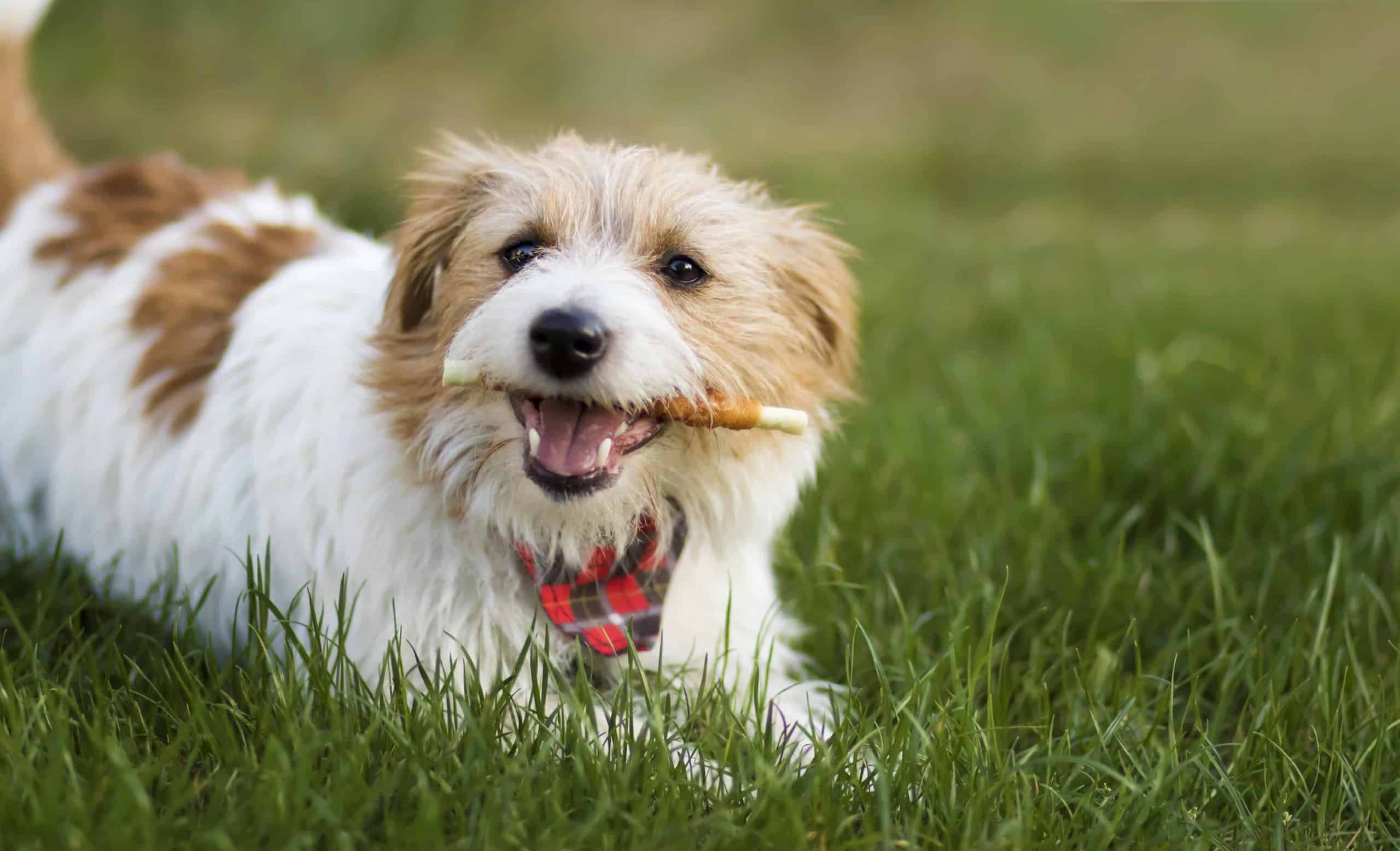
Dog treats are an important part of your dog’s diet, so it is vital that you include treats in your calorie calculation for the day.

Teach your puppy not to bite while playing while the dog is young. Encourage your puppy to play with toys and reward him for doing just that.
[mc4wp_form id=”13217″]