5 dos and don’ts for Golden Retriever training
For successful Golden Retriever training, incorporate training daily using short, fun exercises and lots of healthy treats.

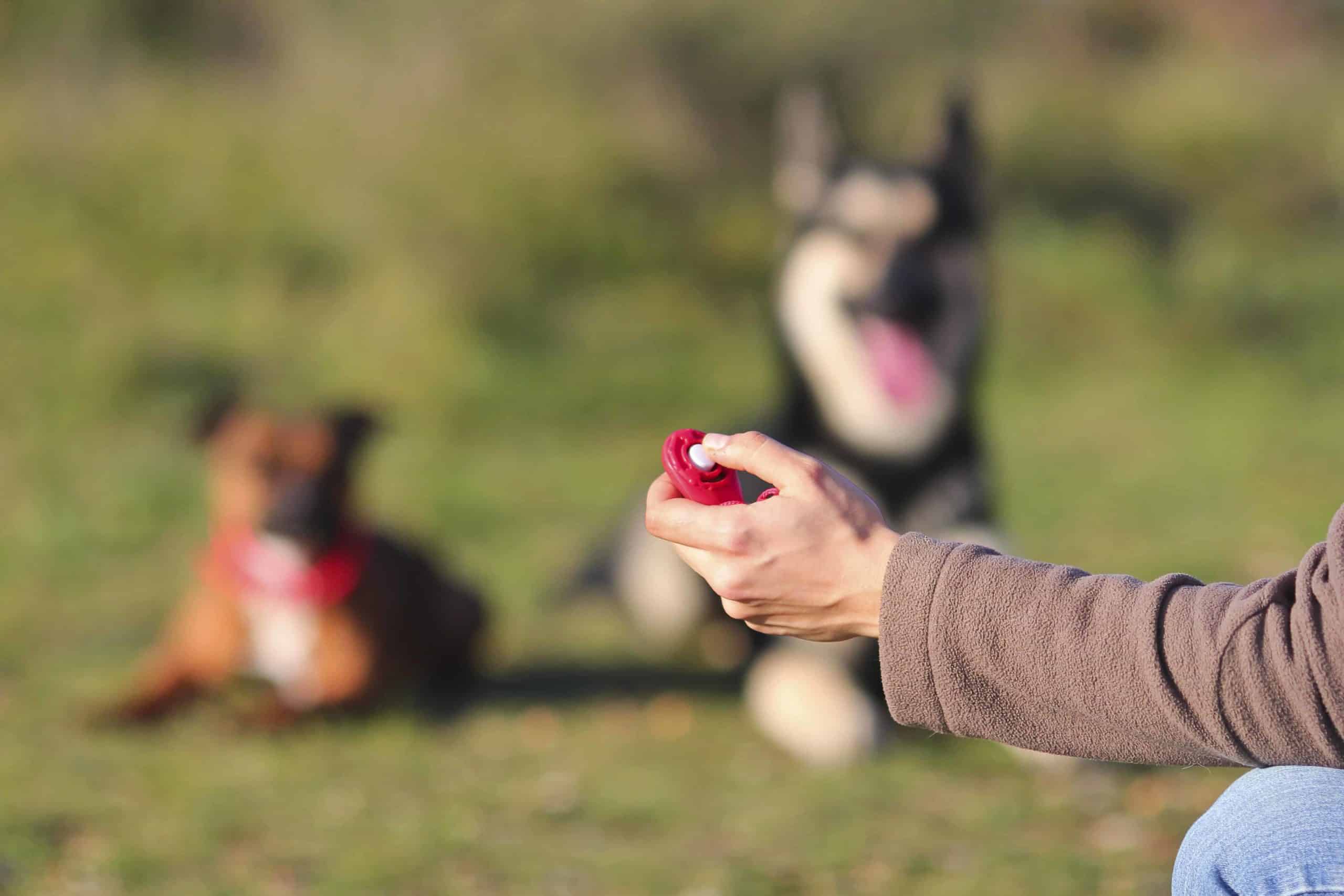
Dog training takes time and effort. To be successful, use these dog training tips: Be a leader, be firm, be humane and give praise.
Dogs are social, pack-oriented animals who respond best to a leader figure whether dog or human. The best pack leaders are the ones who are the most consistent. Dogs react to consistency because they know they can trust the consistent leader. Consistent leaders don’t invite the dog onto the couch one day and punish him the next when he jumps on the couch without permission.
Good leaders are firm without being harsh. A good leader tells the dog to do something. He or she doesn’t shout at the dog, plead with the dog or scream at the dog to obey. The punctuation at the end of a good leader’s command is merely a period.
Third, a good leader is compassionate. He or she doesn’t punish the dog for mistakes that were made by the leader.
When the dog does something praiseworthy, deliver approval immediately. The good leader does not praise behaviors that are unwanted, no matter how unintentional the recognition may be.
If the dog is showing fear, aggressiveness, or timidity, the good leader either ignores the behavior or tells the dog to knock it off. The good leader doesn’t praise, and, therefore, encourage the response, by stroking the dog, telling him it’s OK, you’re a good boy, etc., while the dog is acting out.
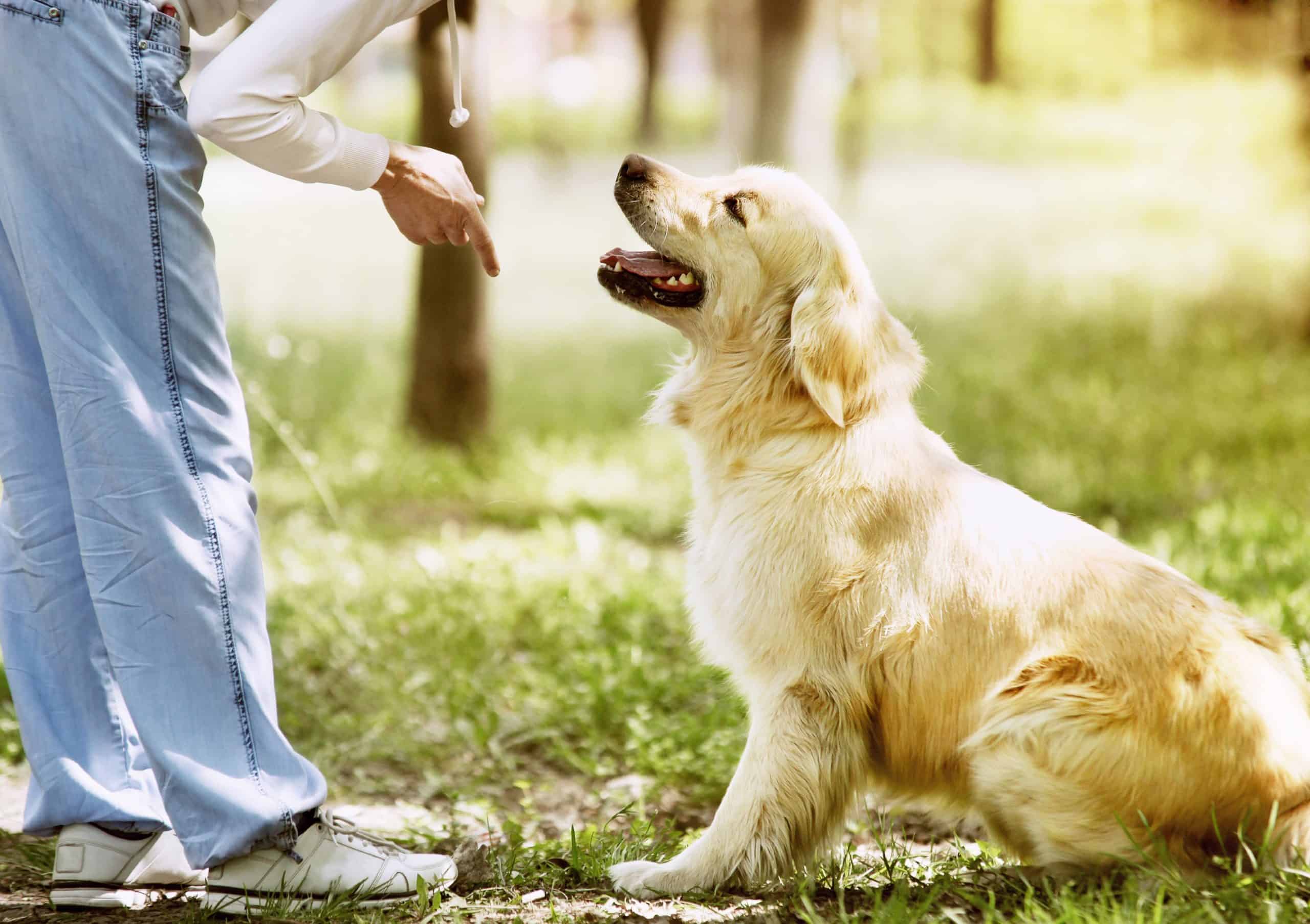
For successful Golden Retriever training, incorporate training daily using short, fun exercises and lots of healthy treats.
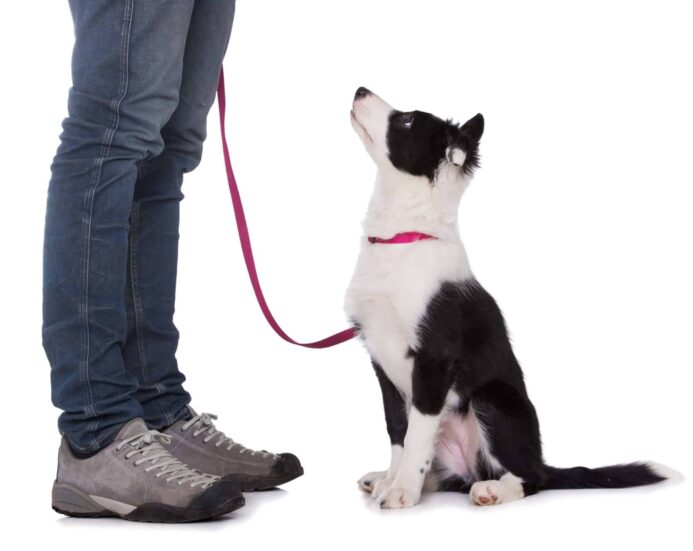
Make dog training easier by choosing a quiet spot and using the appropriate tools and treats. Be sure to socialize your dog.
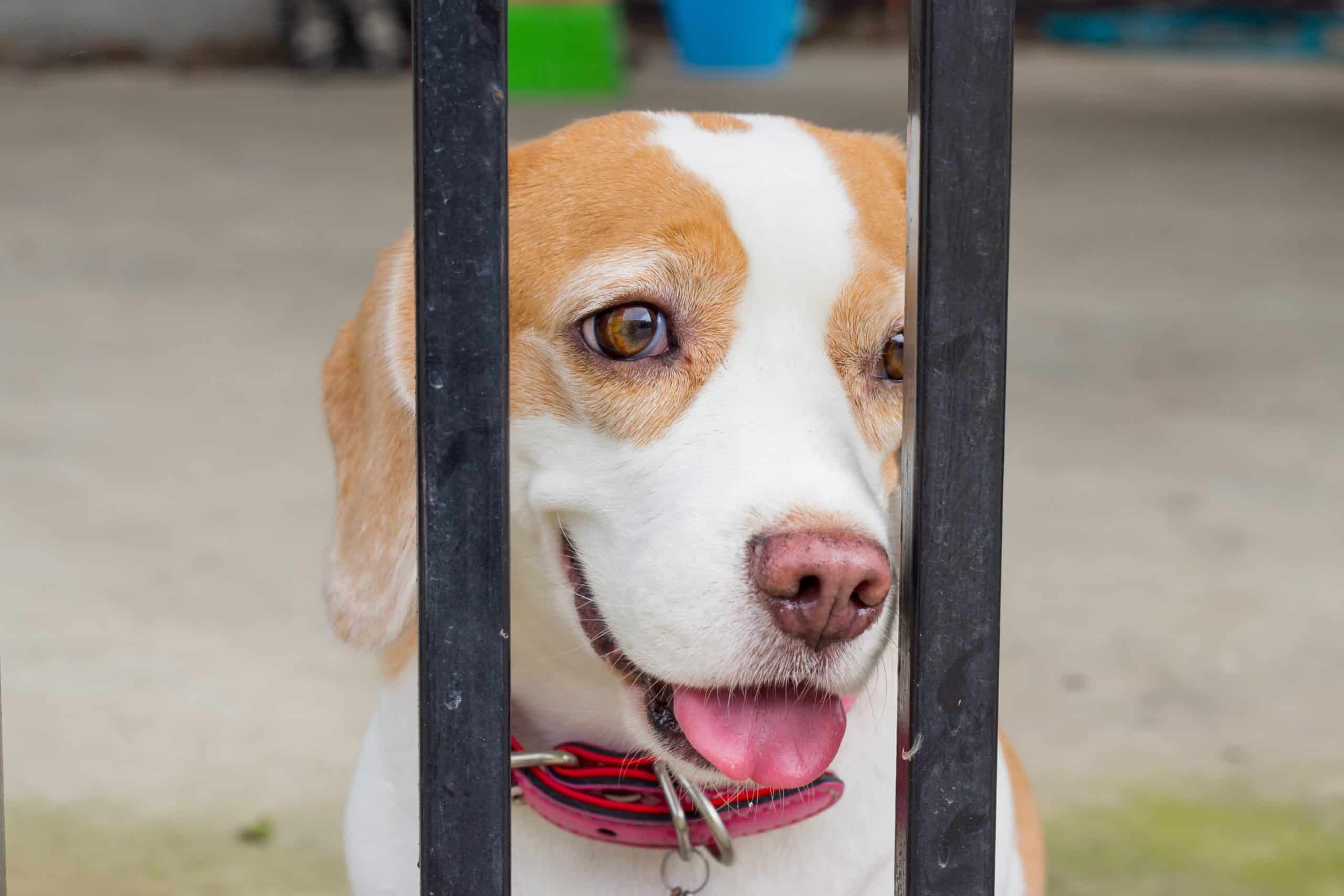
Dogs want to escape for a variety of reasons including finding the perfect spot to poop or chasing the neighbor’s cat.
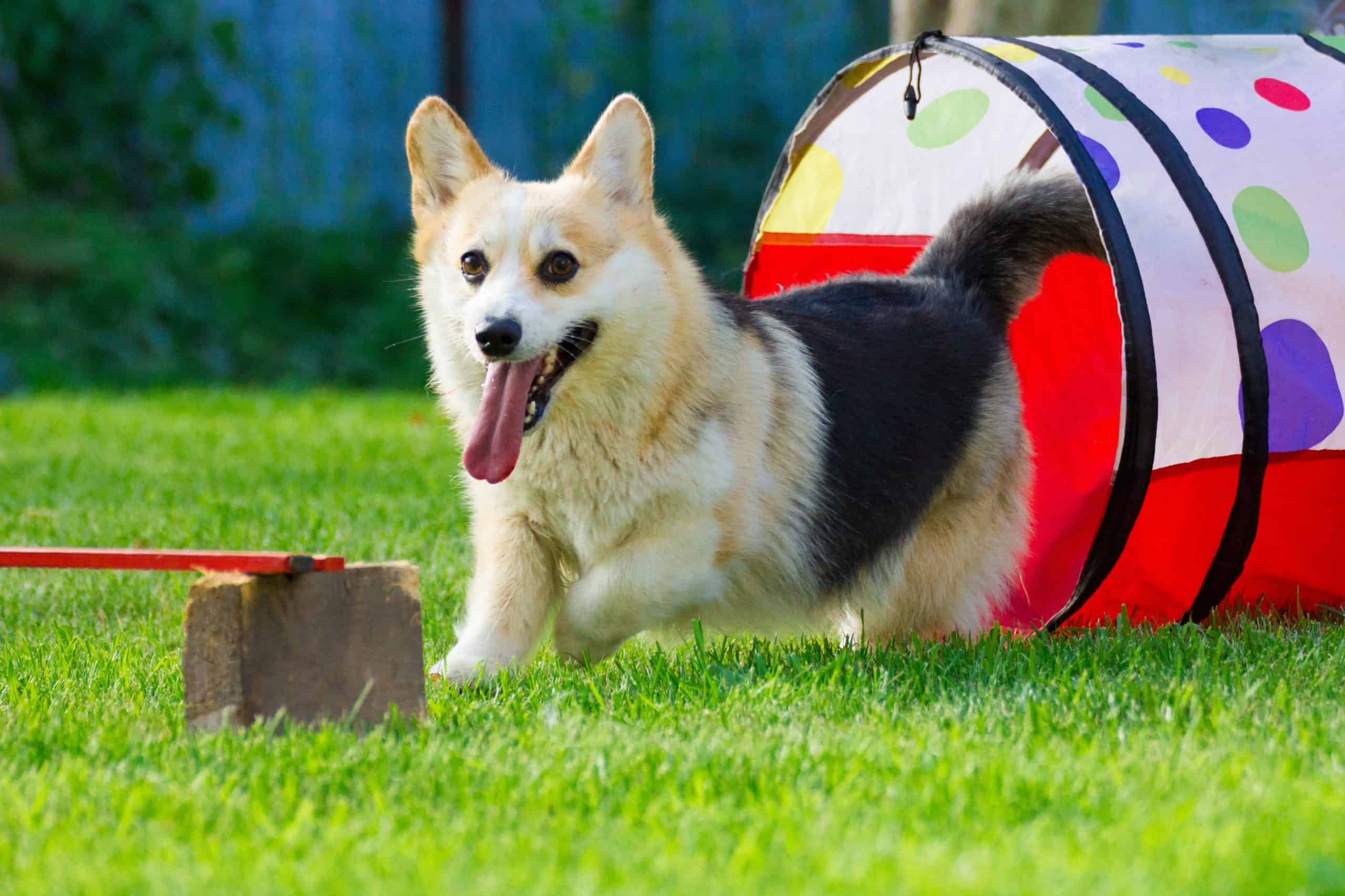
Dog agility training benefits you and your dog. The training challenges your dog mentally and physically. it also enhances your bond.
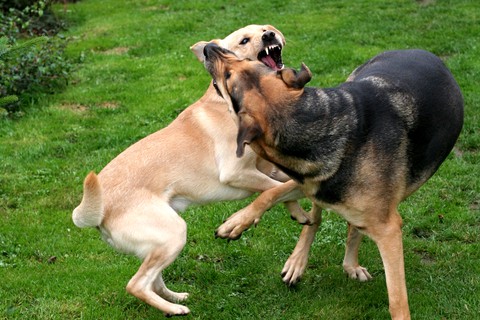
Prevent dog fights by watching for situations that may trigger them. If you sense a dangerous situation, remove your dog immediately.
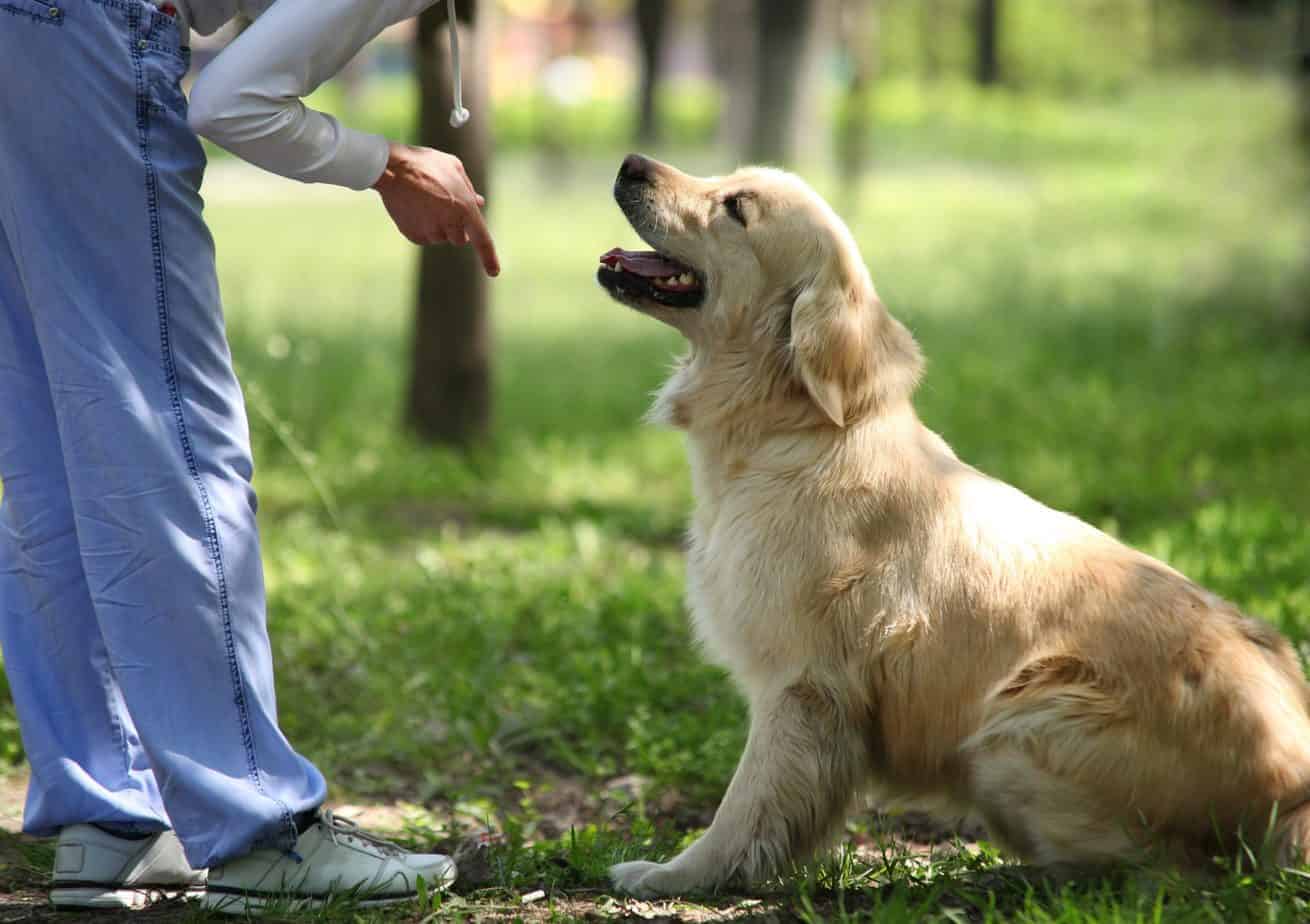
Training your dog is an excellent opportunity for puppy and owner to bond and establish a power dynamic so your pup learns to respond to commands.
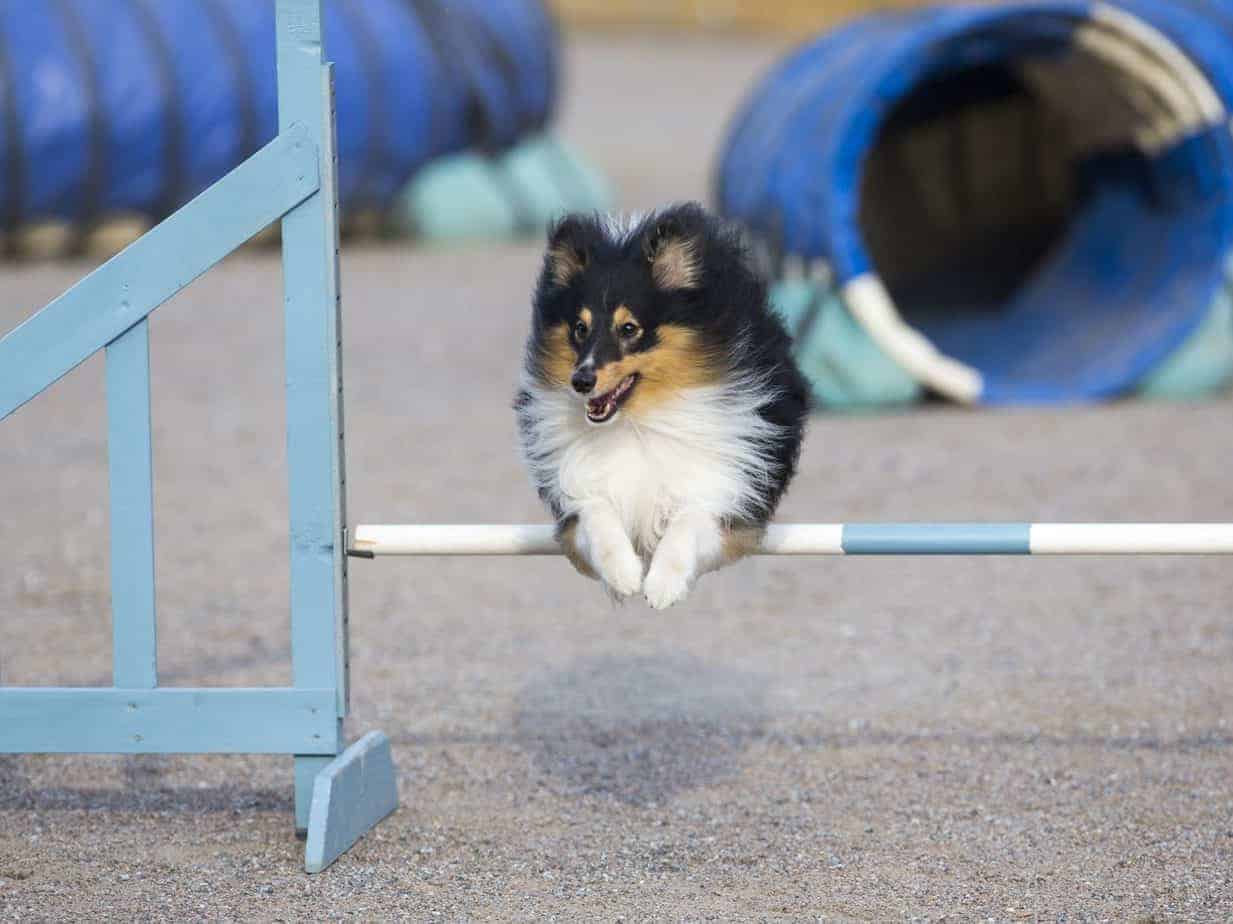
Agility training helps dogs build confidence and learn to pay attention to their handlers. The training includes activities such as jumps and tunnels.
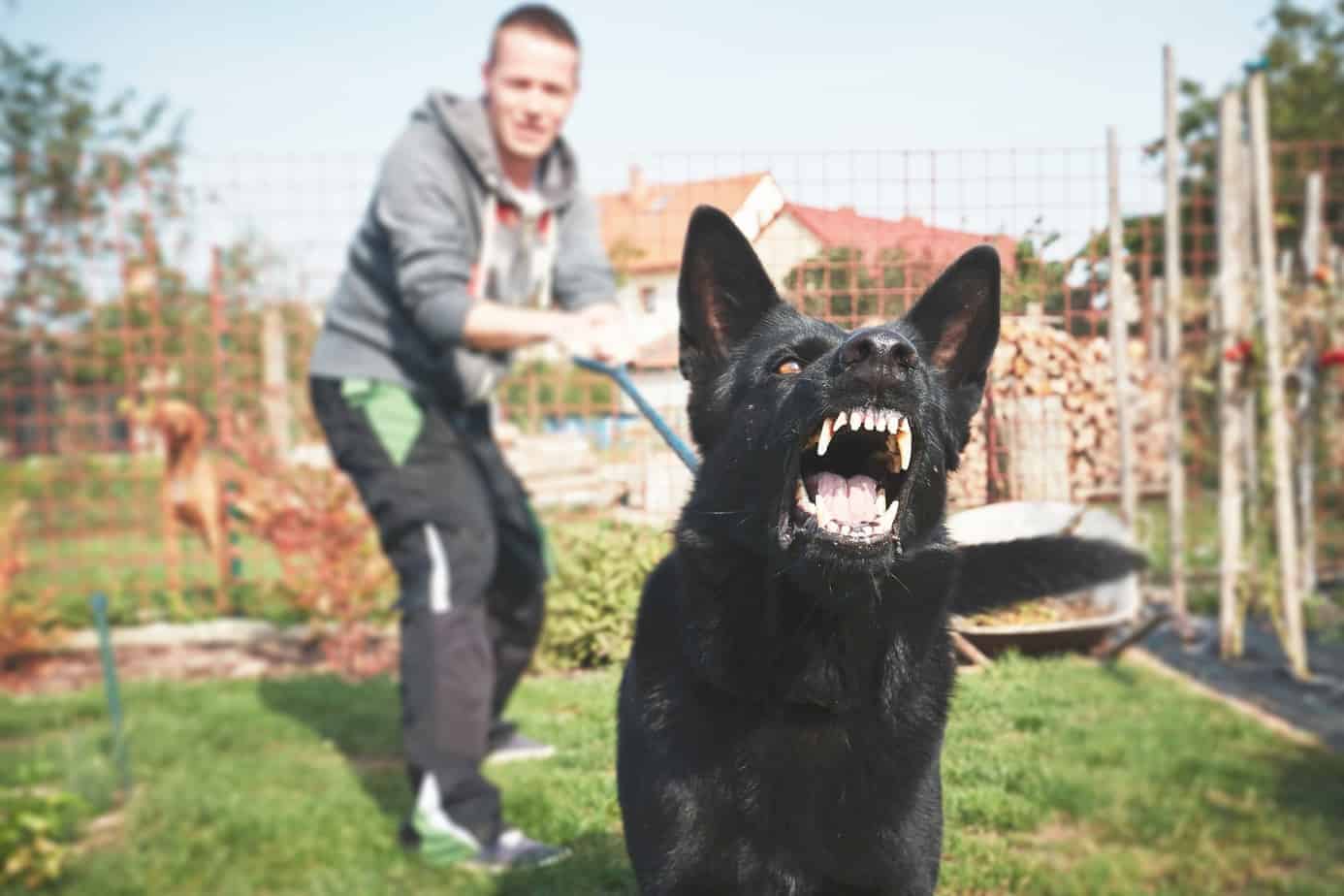
Train a dog not to bite: Watch for behavior changes, redirect puppy bites, and reduce frustration with exercise, and mental stimulation.
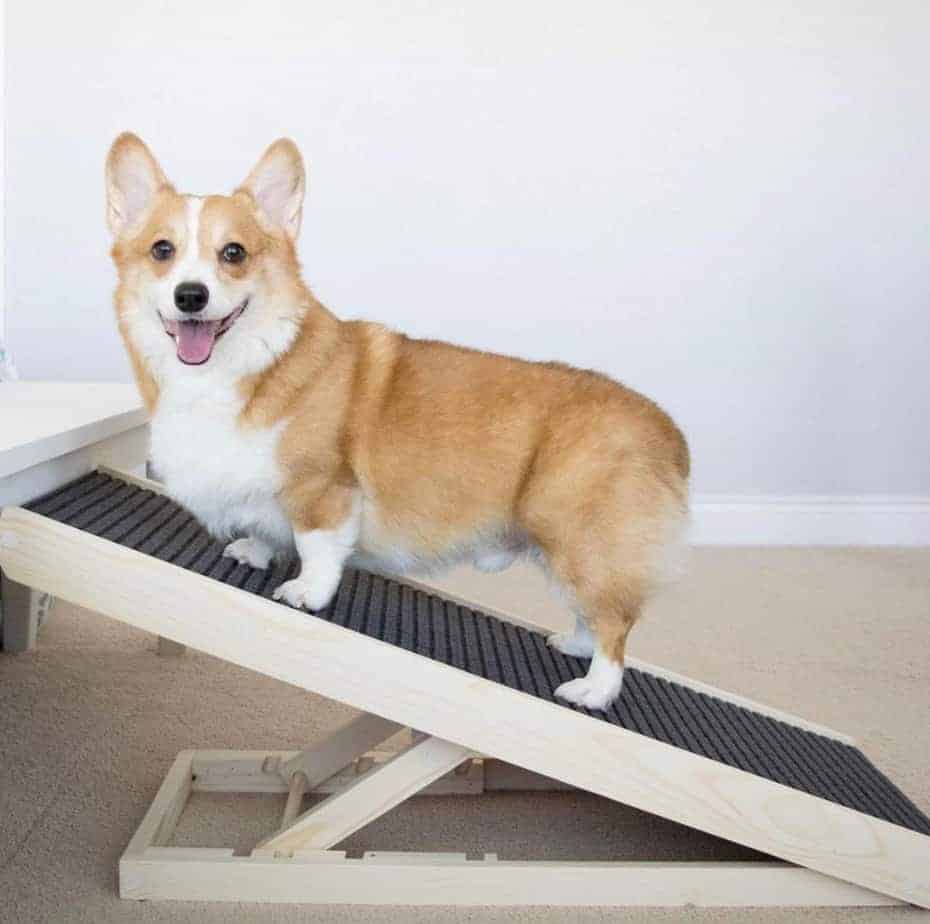
Start dog ramp training by placing the ramp at a low height setting. After your dog gets used to the ramp, encourage him to walk up it with a treat or toy.

With advanced treat dispensing dog cameras, you can monitor your pets and talk to them whenever you want to while flinging rewarding treats in between.
[mc4wp_form id=”13217″]