5 crucial roles service dogs fulfill
Service dogs detect seizures and allergies, sense diabetes, and support people with autism and mental health issues.

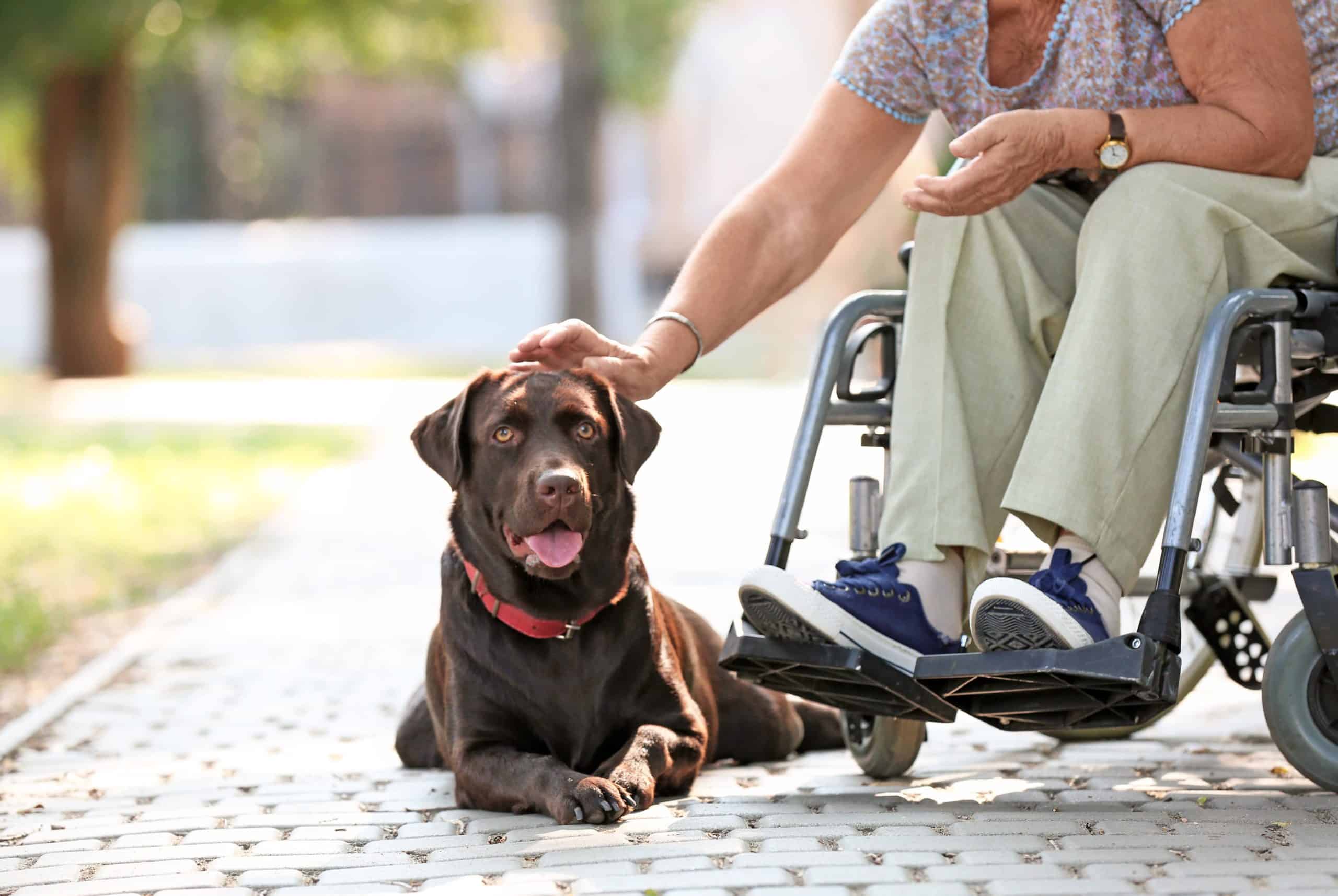
Service dogs are a great way to get the help you need while having a furry friend to rely on. But did you know that there are a few different types of service dogs? Do you know the difference between service dogs, therapy dogs, and emotional support dogs?
Service dog training: There are a series of tests that your service dog should pass. Your service dog should have basic obedience mastered before moving on to service dog-specific training. There isn’t a set requirement for hours in the U.S., but over a period of 6 months, most dogs complete 120 hours.
Where can you take your service dog? Places you can take a registered service dog include work, hotels, restaurants, planes, stores, rental properties, and the beach.
Take your service dog to work: The ADA requires businesses to include reasonable accommodations for people working with disabilities. One of those accommodations includes using service animals in the workplace.

Service dogs detect seizures and allergies, sense diabetes, and support people with autism and mental health issues.

Therapy dogs help improve the lives of people living in assisted care facilities, special needs homes, nursing homes, or prisons.
While you don’t legally need to certify your dog, it’s easier to show documentation rather than get into a legal argument about service dogs.

When you train your pet for college, scope out your living situation to make sure it’s suitable for the animal’s size and nature.
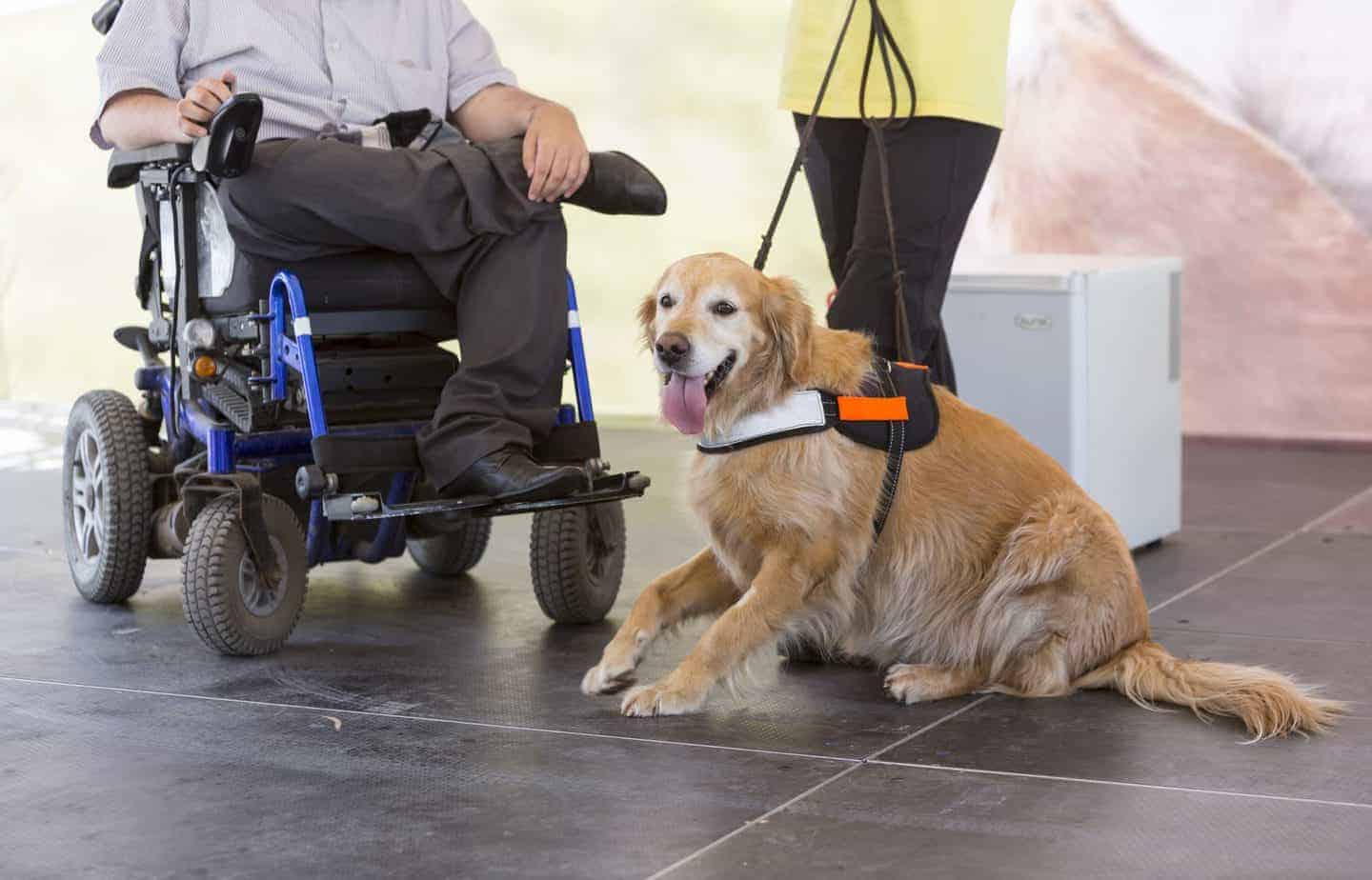
The ADA requires businesses to accommodate service animals in the workplace. Service dogs help people with a variety of disabilities daily.
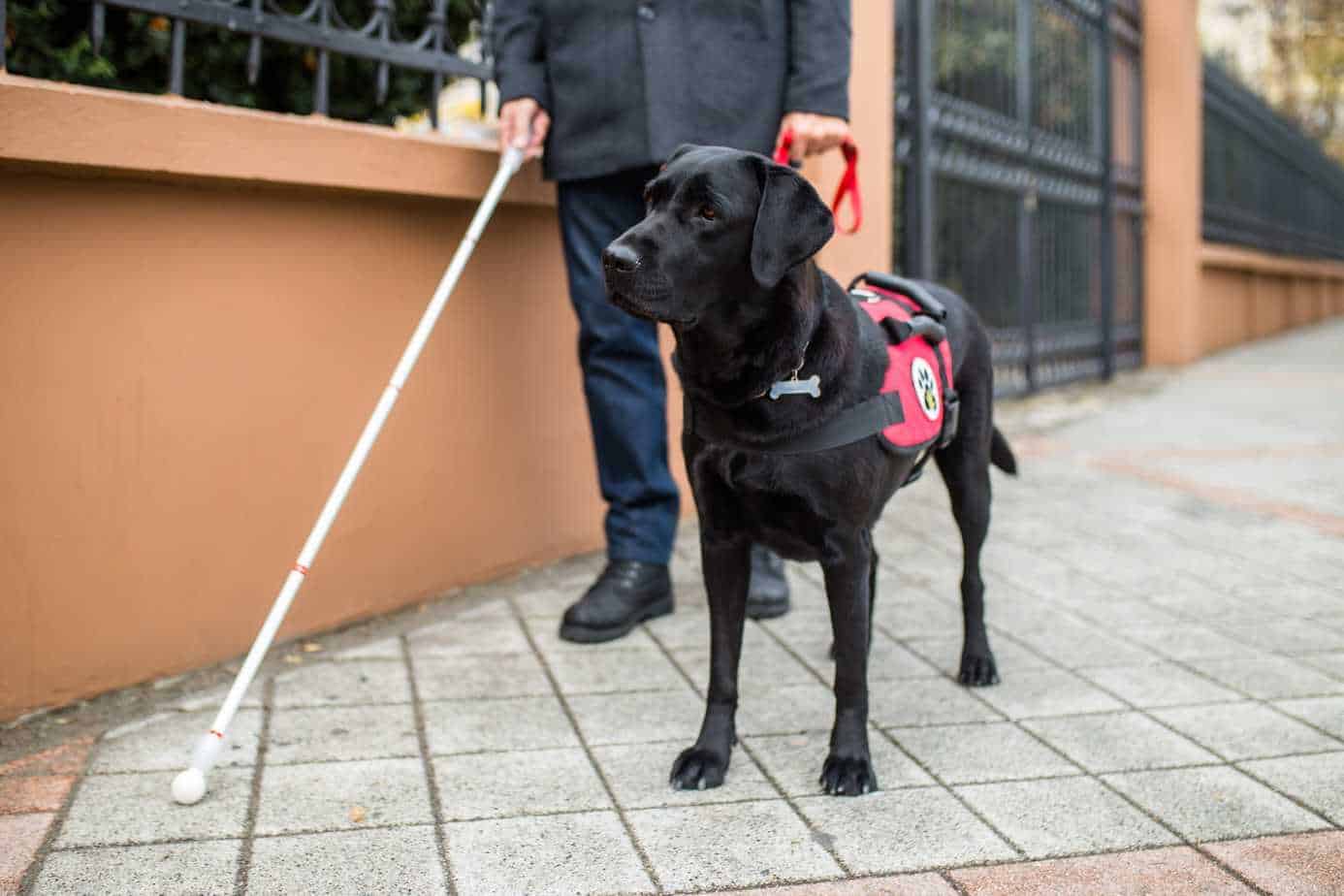
A registered service dog provides more flexibility. The registration process is relatively short and free of hassle, with quick results.
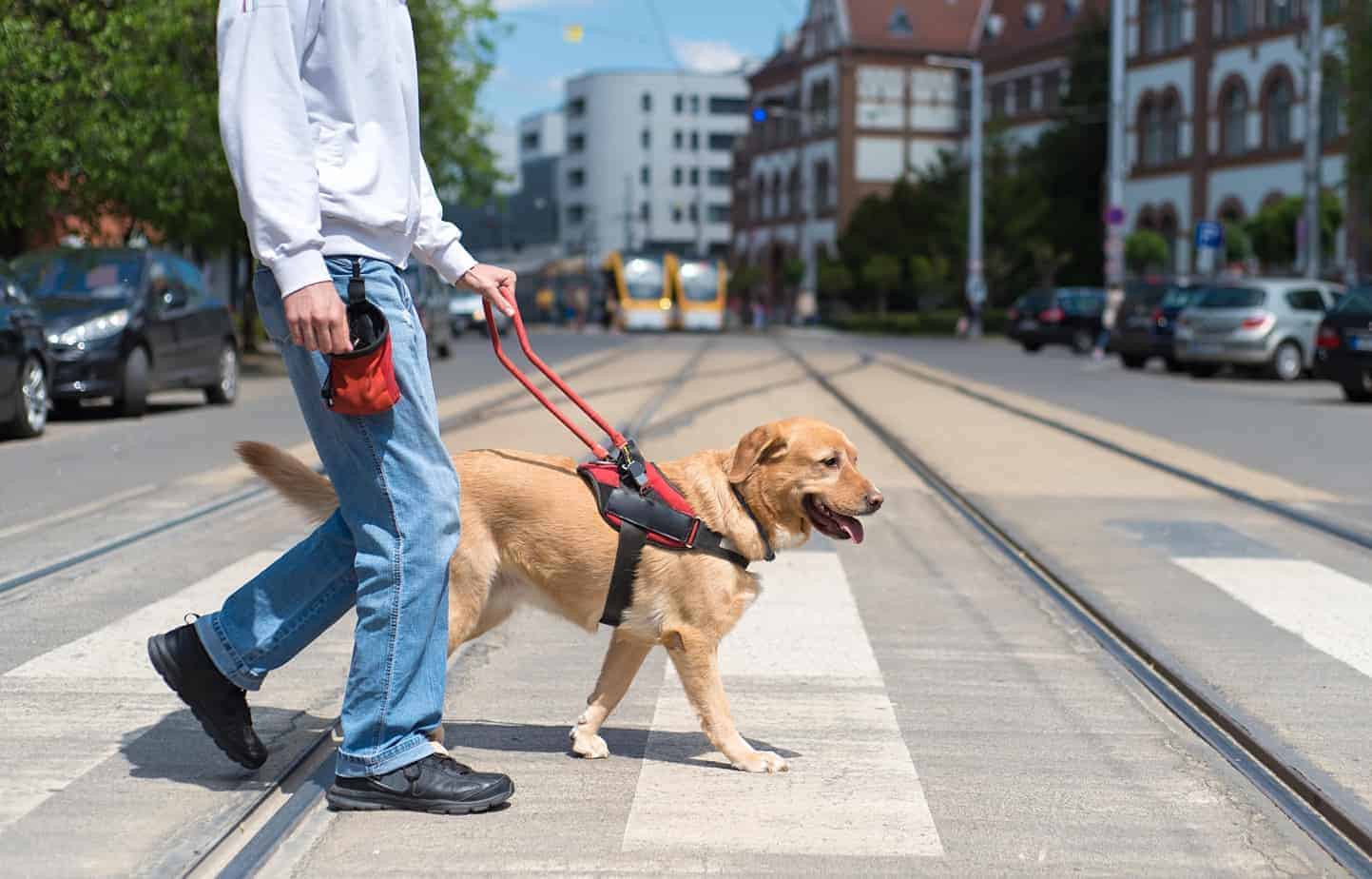
Service dog training requirements include training to pass obedience and public access tests. Then you need to secure a service dog certificate.

If you have an ESA, know that there are emotional support animal regulations to protect your need for your pet, if you follow the rules.
[mc4wp_form id=”13217″]