How to know your dog is cut out to be an Emotional Support Animal (ESA)
Emotional support animals must be healthy, friendly, well-trained, bonded with their owners, and have an even temperament.


Emotional support dogs can provide daily structure and emotional stability for people who experience depression, anxiety, PTSD, autism, or other emotional or mental health disorders.
Register your emotional support dog: Every dog owner feels happier because of the love they share with their furry friends. However, some people reap actual health benefits from the emotional support of their canine companions. With the help of a licensed mental health professional, emotional support animal registration is quick and easy.
Laws regulate emotional support dogs: The laws, rules, and regulations can be confusing. Service animals are highly trained for people with a disability, and therefore a lot of laws protect them. Emotional support animals are not the same, but some statutes also protect them. Understanding these laws is vital to prevent discrimination against legitimate emotional support animals, service dogs, and those living with disabilities.
More scam than therapy? Service dogs are highly trained to provide assistance to their handlers who may have a wide range of disabilities, including visual or hearing impairment, PTSD, other psychiatric problems, and physical limitations. They also alert people with epilepsy of an oncoming seizure or severe diabetics of low blood sugar.
An emotional support dog does not need specific training and is not required to perform certain tasks. An emotional support animal is a companion pet that a doctor or other medical professional has determined provides a therapeutic benefit to people with mental illness. Unlike a service animal, an emotional support animal is not granted automatic entry to public places.

Emotional support animals must be healthy, friendly, well-trained, bonded with their owners, and have an even temperament.

A mental health professional can help you secure an ESA pet letter for housing if you live in a place that’s not pet-friendly.

Securing an ESA Letter for Housing can be easy. Use this guide to complete the process in the most convenient and affordable way possible.

An ESA letter provides documentation that you have the right to use an emotional support animal. Mental health professionals write letters.

Therapy dogs help improve the lives of people living in assisted care facilities, special needs homes, nursing homes, or prisons.

If your doctor determines you qualify, he’ll write a letter or ESA certificate to recognize your dog as an emotional support companion.

People with emotional or mental health issues can qualify for emotional support dogs. Veterans and military members are also prime candidates.

If you have an ESA, know that there are emotional support animal regulations to protect your need for your pet, if you follow the rules.

Emotional support pets provide daily structure for their human companions. They also improve emotional stability and help reduce stress.
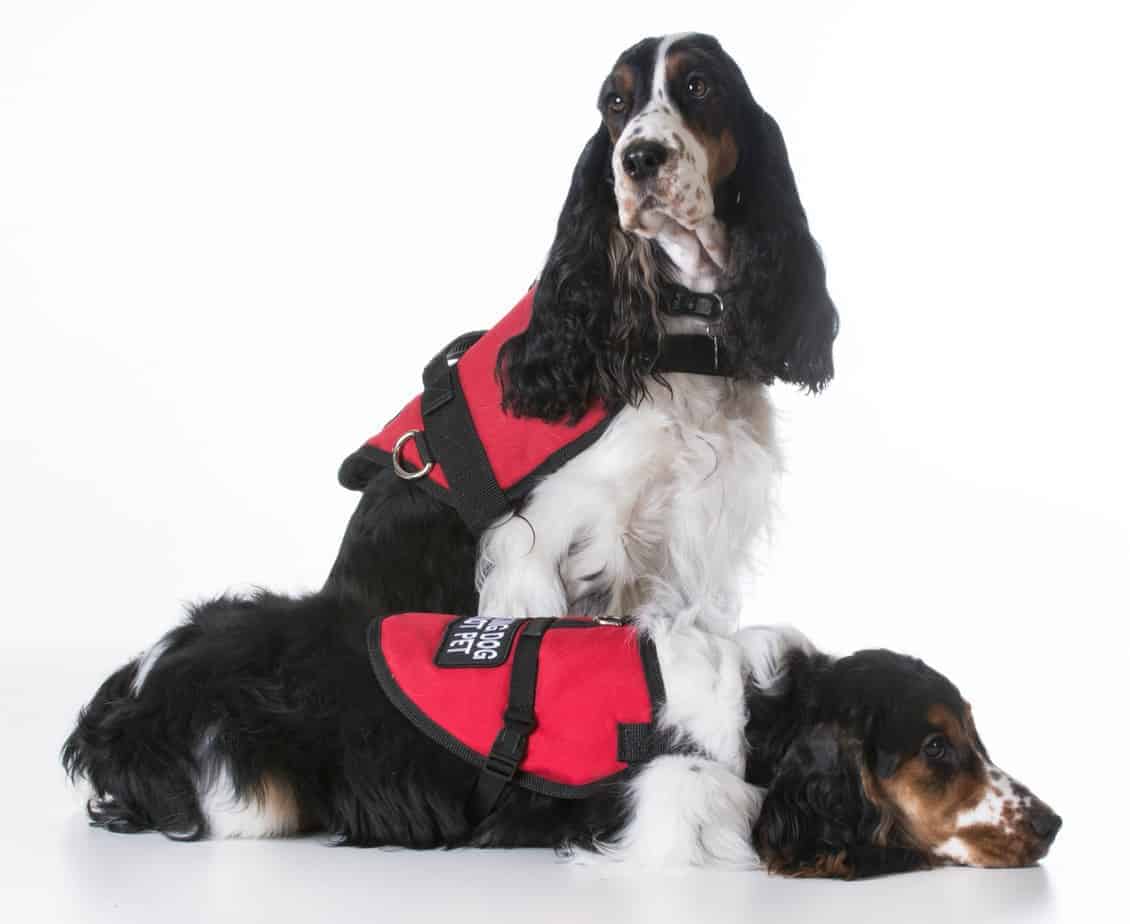
Fake emotional support animals undermine the value of real service animals. Service dogs perform specific tasks for their handlers and are trained to do their jobs and behave in public.
[mc4wp_form id=”13217″]