
Why dog adoptions fail: 7 simple mistakes you can avoid

This goes far beyond just time and money; it’s a profound emotional journey.
A new pet is a significant change, considerable responsibility, and a lifelong commitment. While you might not think there’s a wrong way to go about the adoption process, you can make some serious mistakes, and it’s in your best interests to avoid them.
If you want to ensure you don’t have any regrets down the line, take note of the most common adoption mistakes new owners make when adopting their first (or fifth!) puppy.
Not researching or planning ahead
- Not researching or planning ahead
- Underestimating the financial commitment
- Ignoring training and socialization
- Neglecting stimulation
- Underestimating the emotional commitment
- Choosing the wrong shelter or rescue
- Failing to prepare family members
- Setting unrealistic expectations
- Avoid adoption mistakes
Planning and researching aren’t steps only for buying a home or car — you must also research your new pet; not doing so is a common adoption mistake
. All dog breeds differ slightly in their needs and temperament, so you’ll need to ensure your lifestyle aligns with their care.
Aside from researching, it would be best to plan for the new arrival by purchasing essential items and puppy-proofing your home by hiding loose wires and installing an electric pet fence to keep your pup safe.
Underestimating the financial commitment
Another critical factor is the money. Many people make the common adoption mistake of jumping into the process without fully understanding the costs of pet ownership.
There’s a lot more to consider than just the adoption fees and buying dog food every week. Your pup will be expensive upfront — vet checks and shots, neutering, and buying all the essentials like food bowls, beds, and toys.
However, it doesn’t stop there. You’ll need to consider ongoing medical bills, pet insurance, food, treats, grooming supplies, and more!
Ignoring training and socialization
Many new dog owners are unaware of how essential training and socialization are for a puppy. Training them while they’re young will help you solidify habits and behaviors early on — remember the saying, “You can’t teach an old dog new tricks!”
Ensure that you make dedicated time for training every day. Teach your pup to listen, potty train them, and guide their behavior around other dogs and people.
Getting your dog accustomed to socializing will make your life much easier later when your dog knows the right way to behave around guests.
Taking this step early on will help your dog adjust to a new environment and thrive.
Neglecting stimulation

You might go for walks every morning and evening, but your dog needs brain training, too! Failing to challenge your dog mentally is a common adoption mistake.
Puppies and dogs of all ages need mental stimulation alongside their daily physical activity, and it’s your responsibility to ensure they’re getting it.
Mental stimulation for dogs can come in many forms. You could enroll them in puppy classes, engage in a training session at home, or perhaps purchase a few toys that allow them to use their noggins – like a treat trapped inside a ball.
Not every day needs to look like this, though. Sometimes, simply engaging with your pup and spending time with them will do the trick.
Mental stimulation is vital to help your dog thrive and avoid separation anxiety.
Underestimating the emotional commitment
When adopting a dog, one of the most important considerations is the emotional commitment required. This goes far beyond just time and money; it’s a profound emotional journey.
Adopting a dog is a long-term commitment. You’re welcoming a new family member, and you’re committed to providing that little being a quality life.
There are incredible highs, like the moments of bonding and joy when your pup learns a new trick or cuddles up with you after a long day.
However, there will also be lows, such as training setbacks or health issues. It’s crucial to be patient and understanding during these times.
By recognizing and preparing for the full spectrum of experiences that come with pet parenthood, prospective dog owners can better embrace the rewarding and sometimes challenging journey ahead.
Watching your dog grow and develop not only strengthens your bond but also brings immense satisfaction, making the emotional investment worthwhile.
Choosing the wrong shelter or rescue
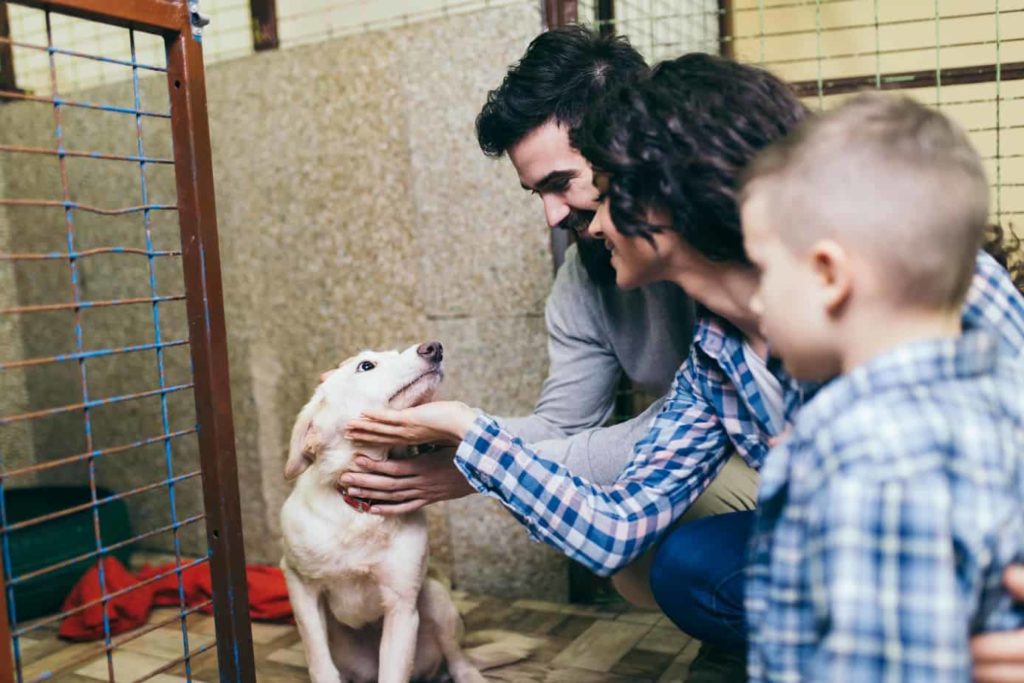
Selecting the right shelter or dog rescue is crucial to a positive experience with your new pet. Here are some tips to help you choose a reputable organization, ask the right questions, understand the dog adoption fee, and identify healthy pups.
Choose reputable shelters or rescues
Research local organizations: Use websites, social media, and community boards to identify shelters and rescues in your area and assess their reputation.
Check reviews and ratings: Online reviews and community feedback can highlight positive experiences with the shelter.
Visit the shelter: A clean, well-maintained facility indicates a reputable organization.
Verify ethical practices: Ensure the organization spays/neuters pets, offers vaccinations, and provides necessary veterinary care.
Ask the right questions
What is the dog’s history? Understanding its background helps with behavioral insights.
What medical care did the puppy receive? Inquire about vaccinations and any health concerns.
How is the puppy socialized? Ask about exposure to various environments, people, and animals.
What evaluations were conducted? Ensure behavioral assessments are performed to gauge temperament.
What post-adoption support is offered? A good organization should provide training resources and a clear return policy.
Spot healthy, well-socialized pups
Physical appearance: Look for a clean coat, clear eyes, and healthy skin, free from mites or fleas.
Behavior: Well-socialized pups are friendly and curious, not excessively fearful or aggressive.
Energy levels: Young puppies are typically playful and eager to explore.
Interactivity: A well-adjusted puppy engages with toys and interacts positively with people and other dogs.
Failing to prepare family members
When preparing for a family transition, such as bringing in a new dog, it’s vital to involve everyone to ensure a smooth process as your new dog adjusts to its new home.
Here are some key tips for including all family members, including kids and pets:
Open communication: Discuss the upcoming change openly, explain the rationale, and outline what to expect. This inclusion helps alleviate anxiety.
Involve kids in planning: Assign age-appropriate tasks to give them a sense of ownership and control over the transition.
Schedule a family meeting to share thoughts and feelings. This fosters a supportive environment and addresses any concerns.
Prepare kids: If adding a dog, involve kids in the preparations. Discuss how they can help care for the new pet and the routine changes that might occur.
Establish routines: After the transition, create new routines together to help both children and pets adapt easily.
Celebrate the change: Plan a small celebration, like a family dinner, to create positive associations with the transition.
Reassure and support: Be attentive to emotional needs, encourage open discussions about feelings, and reassure family members that a range of emotions is normal.
Involving everyone in this process can foster unity and make transitions smoother.
Setting unrealistic expectations
Welcoming a new puppy or adopted adult dog into your home requires setting realistic expectations regarding behavior and training.
Many new pet owners hope for a perfectly obedient companion from the start, but both puppies and adult dogs come with unique quirks and challenges that demand patience and understanding.
Embracing your pet’s imperfections is vital. Each dog has its own personality, meaning they may not conform to the behavior standards you envision.
Accidents during house training, unexpected barking, and unusual habits are common and can test the patience of even experienced dog owners.
Recognizing these potential challenges helps you approach training with a growth- and adjustment-focused mindset rather than a perfectionist mindset.
Seeking help from professionals, such as dog trainers or behaviorists, is a strength, not a weakness. These experts can provide personalized strategies for managing specific issues, ultimately strengthening your bond with your pet.
Creating a supportive environment and remaining open to guidance can significantly enhance your experience as a pet owner.
Setting realistic expectations helps reduce frustration and enriches your experience with your dog. It fosters patience and encourages a love that embraces every moment, making the experience of living with your furry friend all the more rewarding.
Avoid adoption mistakes
Adopting a dog is a rewarding and fulfilling experience, but it requires careful thought and preparation to ensure a smooth transition for both you and your new furry friend.
By avoiding common mistakes—such as neglecting research, underestimating financial and emotional commitments, ignoring training and socialization, and failing to prepare your family—you can set yourself and your dog up for a successful, happy life together.
Embrace the responsibilities that come with pet ownership, stay committed to your dog’s needs, and remember that the effort you put into this journey will lead to countless joyful moments and lifelong companionship.
Your thoughtful planning will not only enrich your life but also give your dog the loving environment they deserve.