Stop dog begging: 10 easy tips
The easiest way to stop dog begging is to not let it start. Don’t tolerate it from your dog or let any people encourage it.

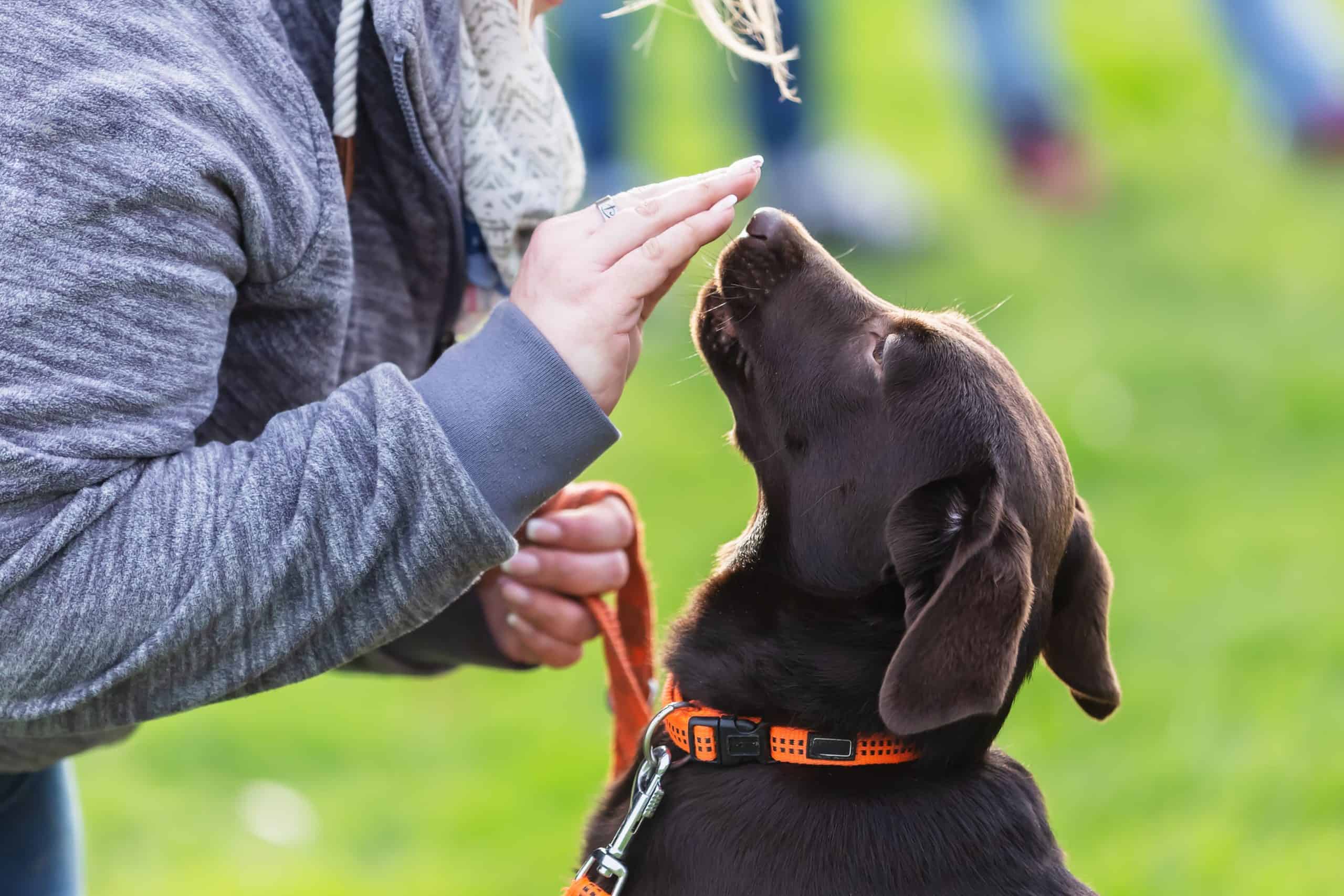
Training your dog takes time and effort. And it needs to start the day you bring your puppy or dog home.
Dog training should be a lifelong project for you and your dog. Make it fun and mix playtime with dog training.
To be successful, use these dog training tips: Be a leader, be firm, humane, and praise.
Dogs are social, pack-oriented animals who respond best to a leader figure, whether dog or human. The best pack leaders are the ones who are the most consistent. Dogs react to consistency because they know they can trust the consistent leader. Consistent leaders don’t invite the dog onto the couch one day and punish him the next when he jumps on the couch without permission.
Good leaders are firm without being harsh. A good leader tells the dog to do something. He or she doesn’t shout at the dog, plead with the dog or scream at the dog to obey. The punctuation at the end of a good leader’s command is merely a period.
Third, a good leader is compassionate. He or she doesn’t punish the dog for mistakes made by the leader.
When the dog does something praiseworthy, deliver approval immediately. A good leader does not praise unwanted behaviors, no matter how unintentional the recognition may be.
If the dog shows fear, aggressiveness, or timidity, the good leader either ignores the behavior or tells the dog to knock it off. The good leader doesn’t praise and, therefore, encourage the response by stroking the dog, telling him it’s OK, you’re a good boy, etc., while the dog is acting out.

The easiest way to stop dog begging is to not let it start. Don’t tolerate it from your dog or let any people encourage it.
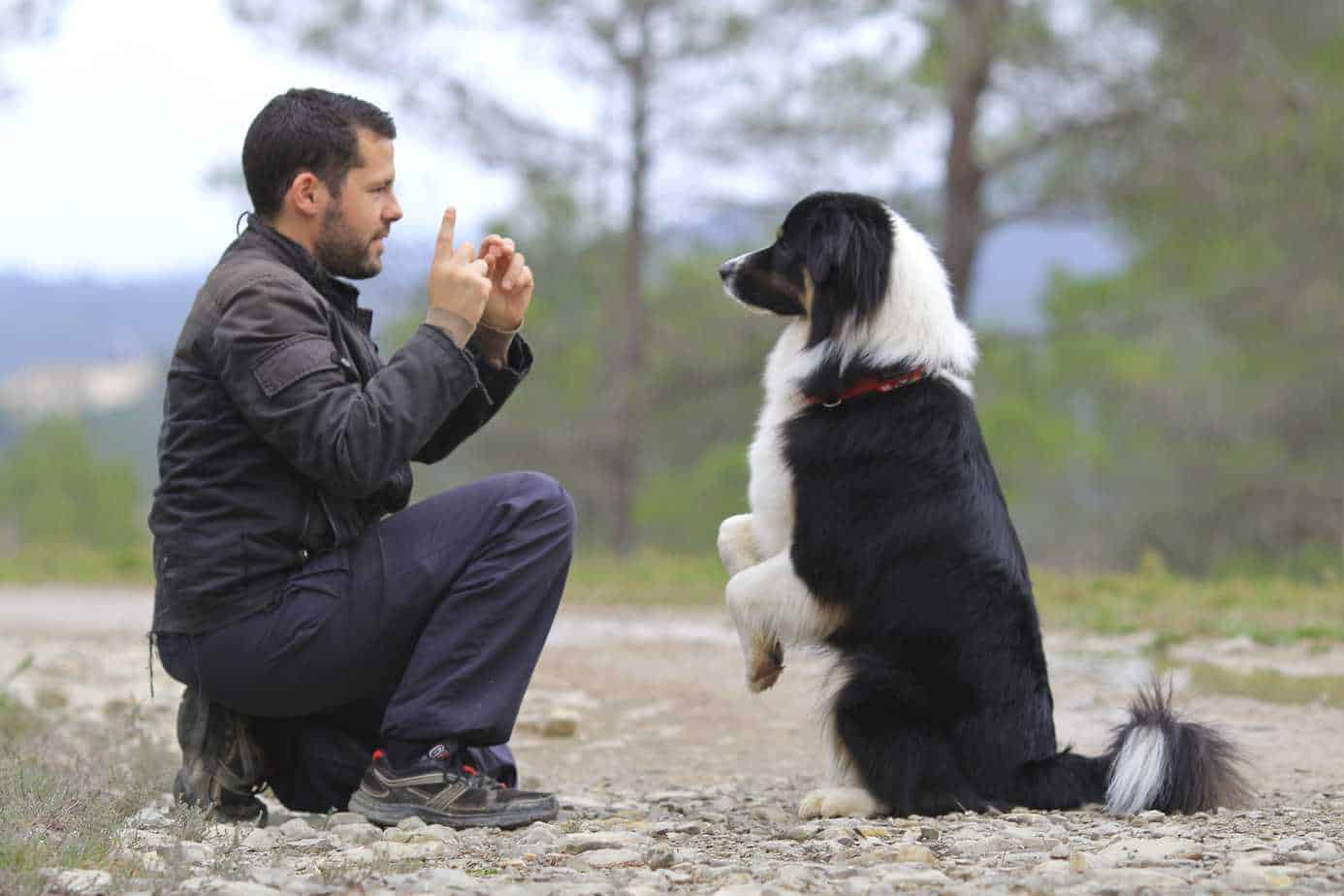
Speak firmly, but speak softly, not harshly and loud, and you’ll have a well-behaved, attentive dog that obeys without having to be shouted at.

Before walking multiple dogs, begin by training each dog to heel and walk on a loose leash. Once you have control, begin adding additional dogs.
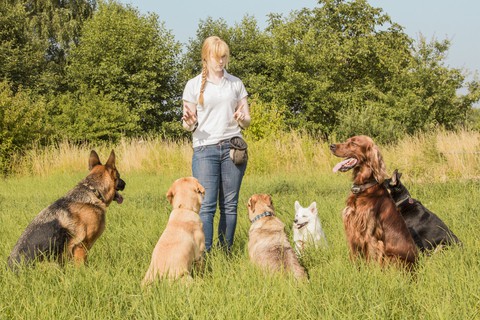
When training multiple dogs, it is important to understand each will learn at his or her own pace. Work with the dogs both together and separately.

Once you’ve picked a new, dog-friendly house with a fenced-in backyard away from the road, use these tips to make the moving process go smoothly.

Dogs know the difference between right and wrong. But only in the context of their own culture or within the definitions of traditional dog behavior.

Beware the dangers of the green-eyed canine monster when you introduce your dog to new people, another dog or bring a baby home.

To get your dog’s attention, don’t yell. Speak in a normal, tone of voice. If you really want to get your dog’s attention, try whispering.

Make an honest assessment of your lifestyle to help you choose the right dog. If you’re a couch potato, get a couch potato dog, not a high energy dog.
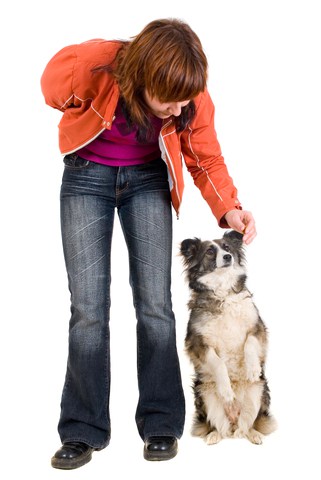
To avoid common dog training mistakes: make time for your dog, clearly communicate, be consistent and set clear expectations.
[mc4wp_form id=”13217″]