Adding office pets boosts morale, creativity
Adding office pets to your workplace can reduce employee stress and boost both creativity and productivity. Protect employees with allergies.

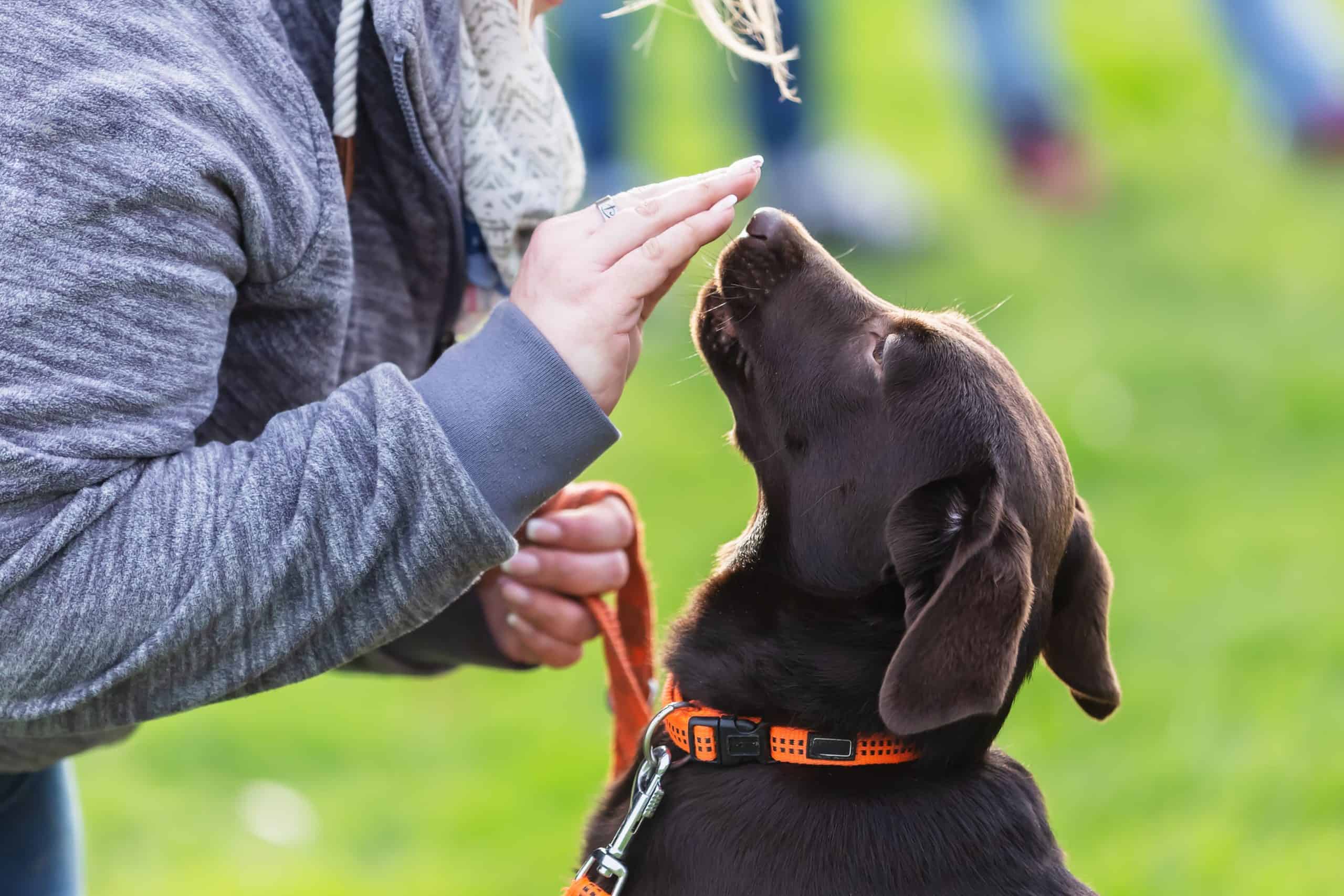
Training your dog takes time and effort. And it needs to start the day you bring your puppy or dog home.
Dog training should be a lifelong project for you and your dog. Make it fun and mix playtime with dog training.
To be successful, use these dog training tips: Be a leader, be firm, humane, and praise.
Dogs are social, pack-oriented animals who respond best to a leader figure, whether dog or human. The best pack leaders are the ones who are the most consistent. Dogs react to consistency because they know they can trust the consistent leader. Consistent leaders don’t invite the dog onto the couch one day and punish him the next when he jumps on the couch without permission.
Good leaders are firm without being harsh. A good leader tells the dog to do something. He or she doesn’t shout at the dog, plead with the dog or scream at the dog to obey. The punctuation at the end of a good leader’s command is merely a period.
Third, a good leader is compassionate. He or she doesn’t punish the dog for mistakes made by the leader.
When the dog does something praiseworthy, deliver approval immediately. A good leader does not praise unwanted behaviors, no matter how unintentional the recognition may be.
If the dog shows fear, aggressiveness, or timidity, the good leader either ignores the behavior or tells the dog to knock it off. The good leader doesn’t praise and, therefore, encourage the response by stroking the dog, telling him it’s OK, you’re a good boy, etc., while the dog is acting out.
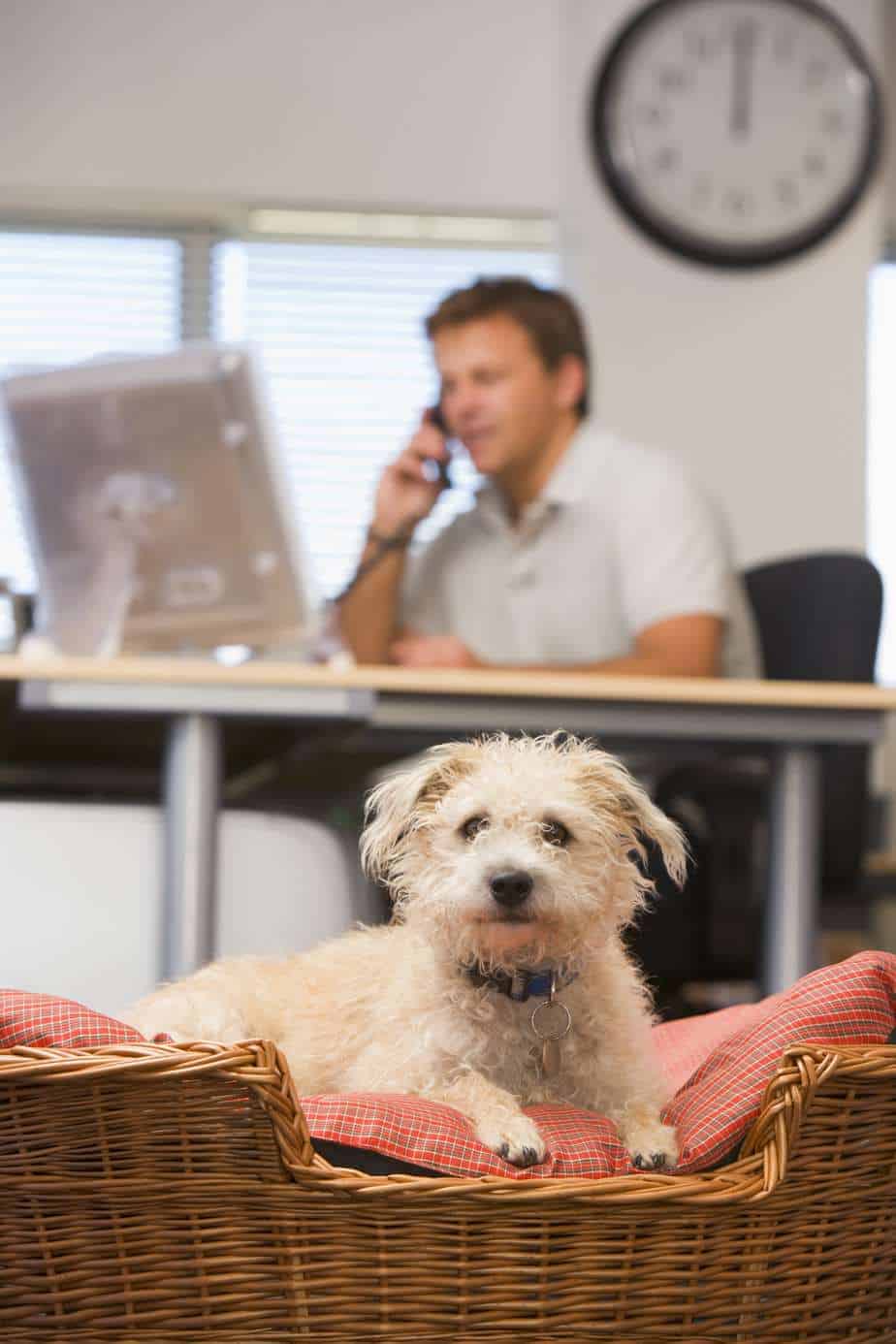
Adding office pets to your workplace can reduce employee stress and boost both creativity and productivity. Protect employees with allergies.
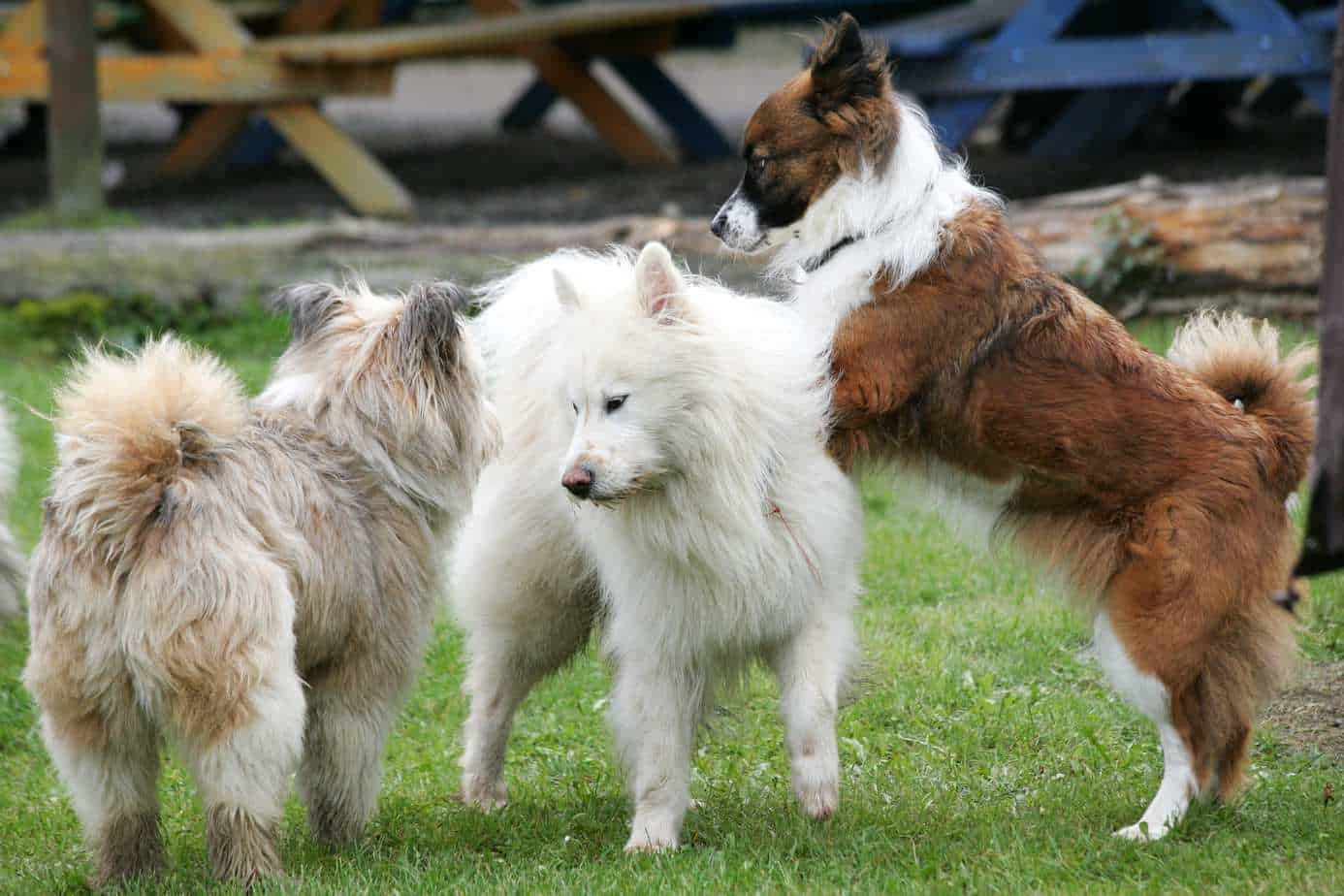
The best way to protect your dog is to get him away from a dog park bully before fighting starts. If your dog appears fearful, or you notice other dogs exhibiting aggressive behavior, leave the area.

Breeding has reduced dog problem-solving skills and studies show that unlike wolves who act independently to solve problems, dogs are much more likely to seek their owners’ help and approval to do so.

Interrupt dog misbehavior immediately and firmly. Give your dog simple and clear directions so he understands what you want him to do. And make your praise loving and sincere.
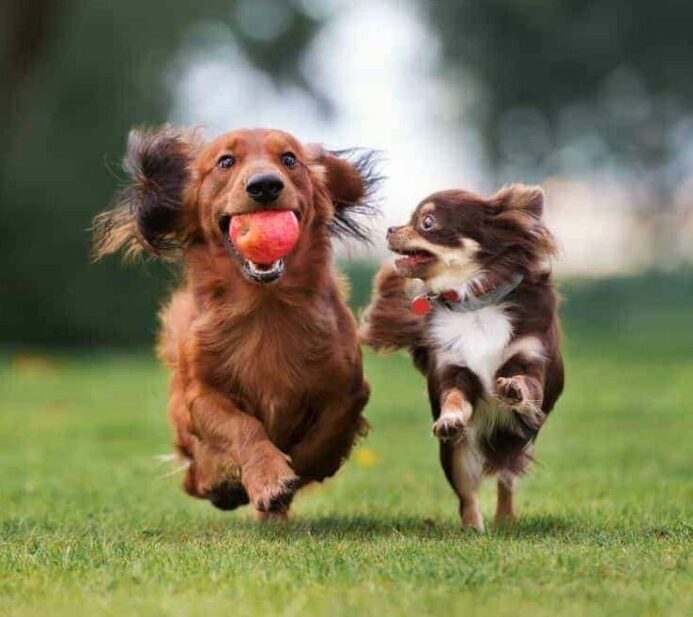
Prevent canine depression by letting your dog have lots of doggie friends. Take advantage of local dog parks, dog clubs and doggie day cares.
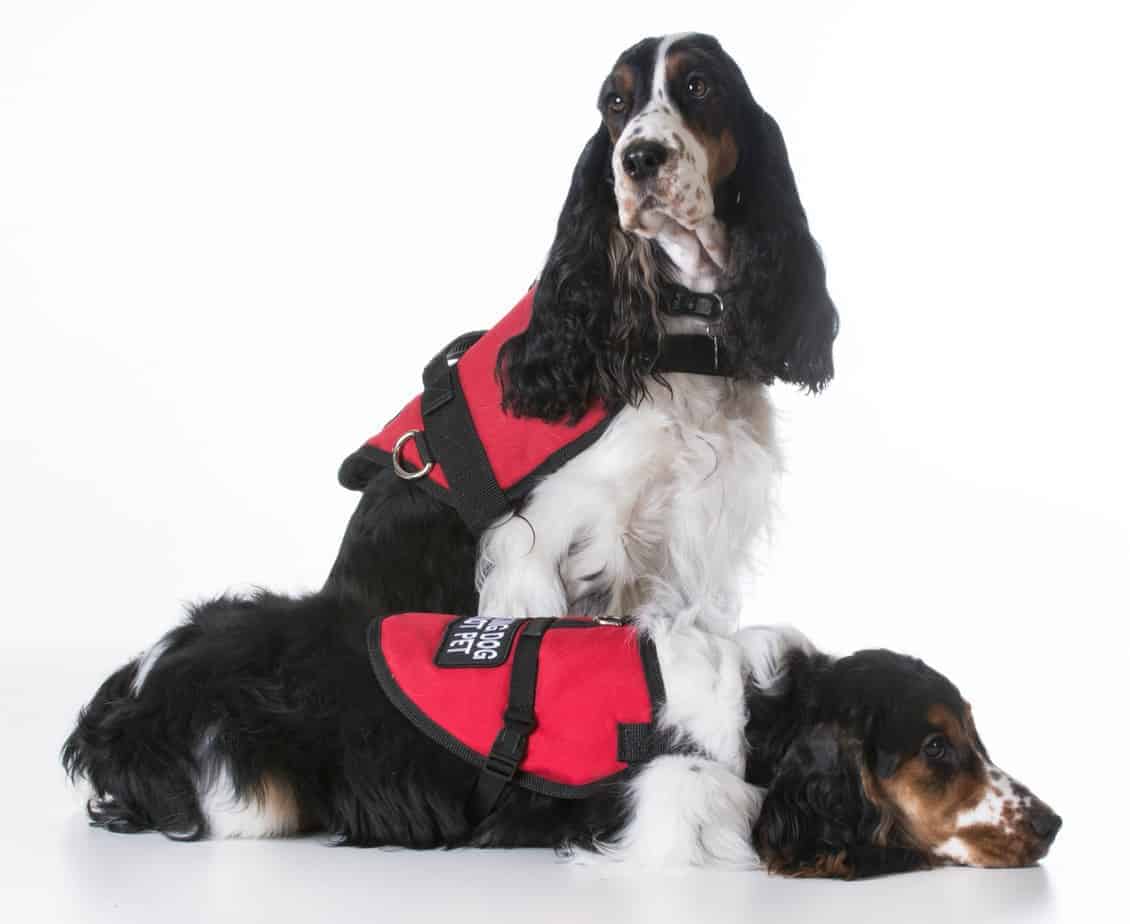
Fake emotional support animals undermine the value of real service animals. Service dogs perform specific tasks for their handlers and are trained to do their jobs and behave in public.
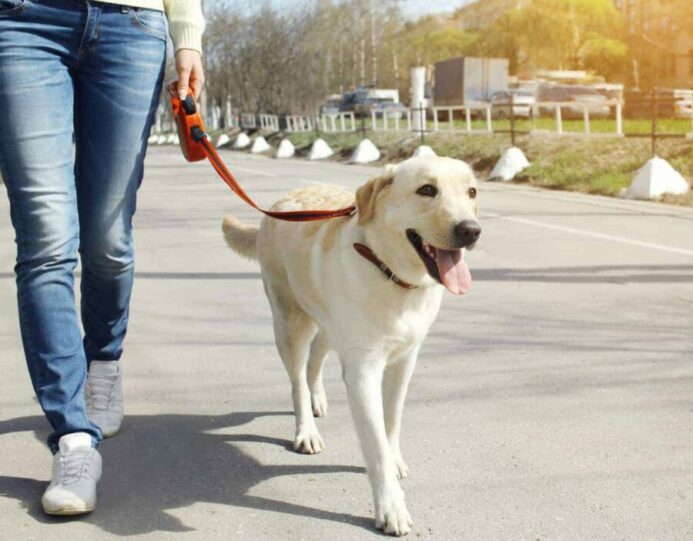
Try to take daily dog walks. Pick a place that’s fun for both of you, set a reasonable pace and keep your dog on a loose leash.

Learning to speak fluent dog or cat can’t be done in a crash course. Like any other language it takes years to master. And practice makes perfect.
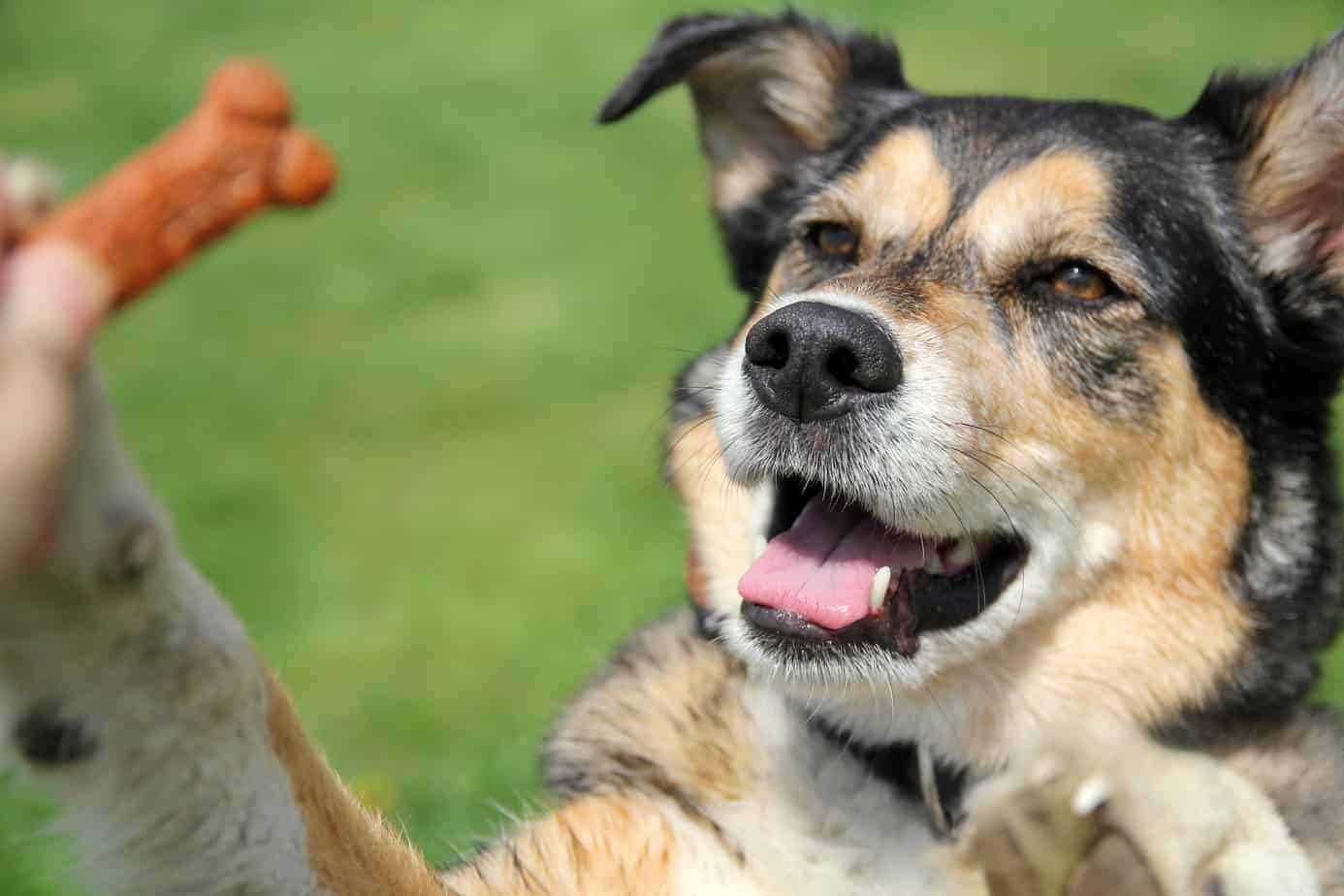
If your dog is no longer food motivated for training sessions, improve the quality of your treats or offer your dog other rewards like belly rubs.

Puppy kindergarten provides the opportunity to train and socialize a puppy BEFORE he or she develops inappropriate behaviors.
[mc4wp_form id=”13217″]