
Is your dream dog on this list of 10 most aggressive breeds?
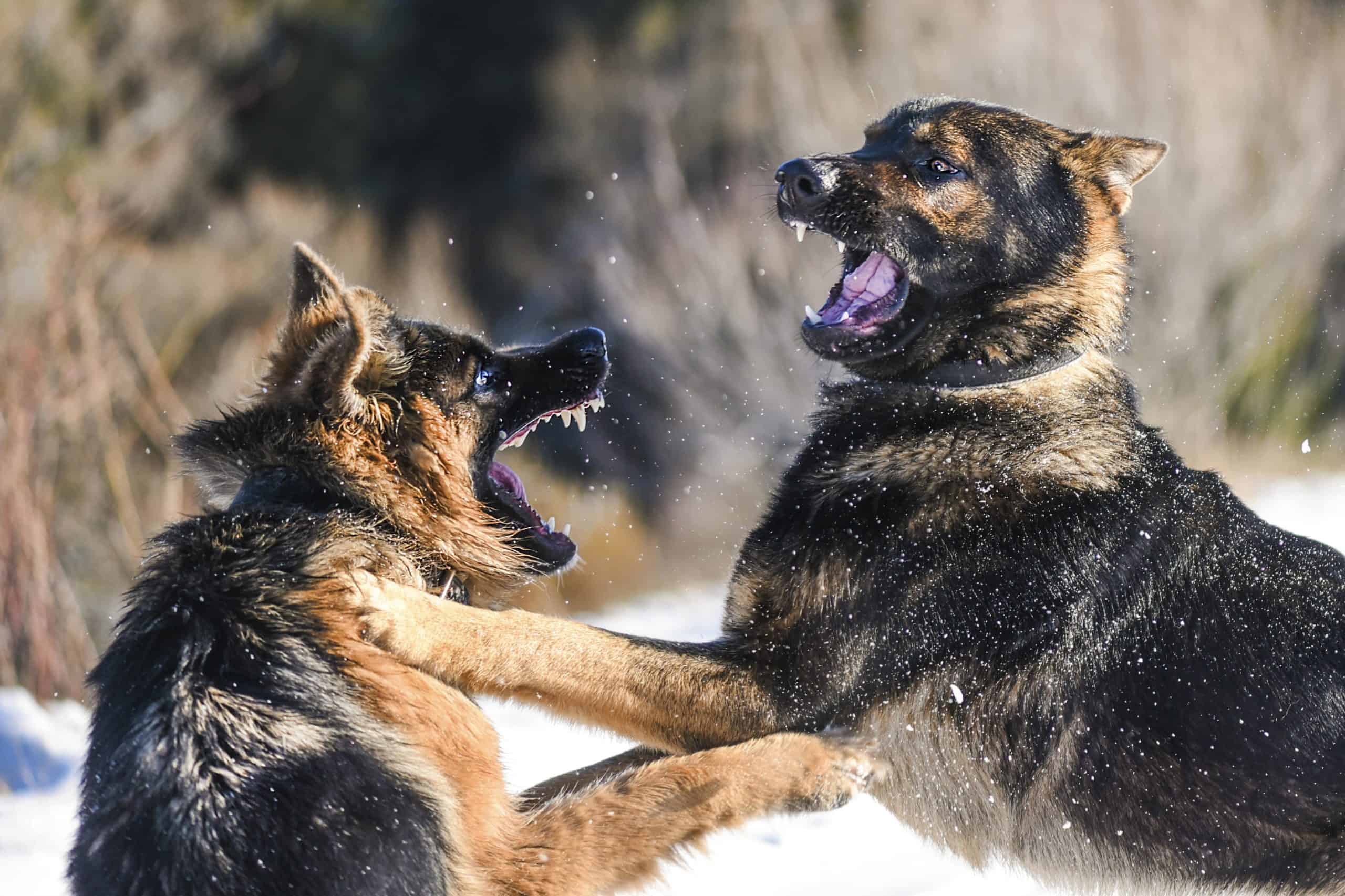
Dogs are known to be loyal, obedient, and always prepared to guard their humans. However, certain dog breeds can be quite aggressive.
If you select one of the 10 most aggressive dog breeds, ensure the dog receives proper training and socialization.
Dog aggression
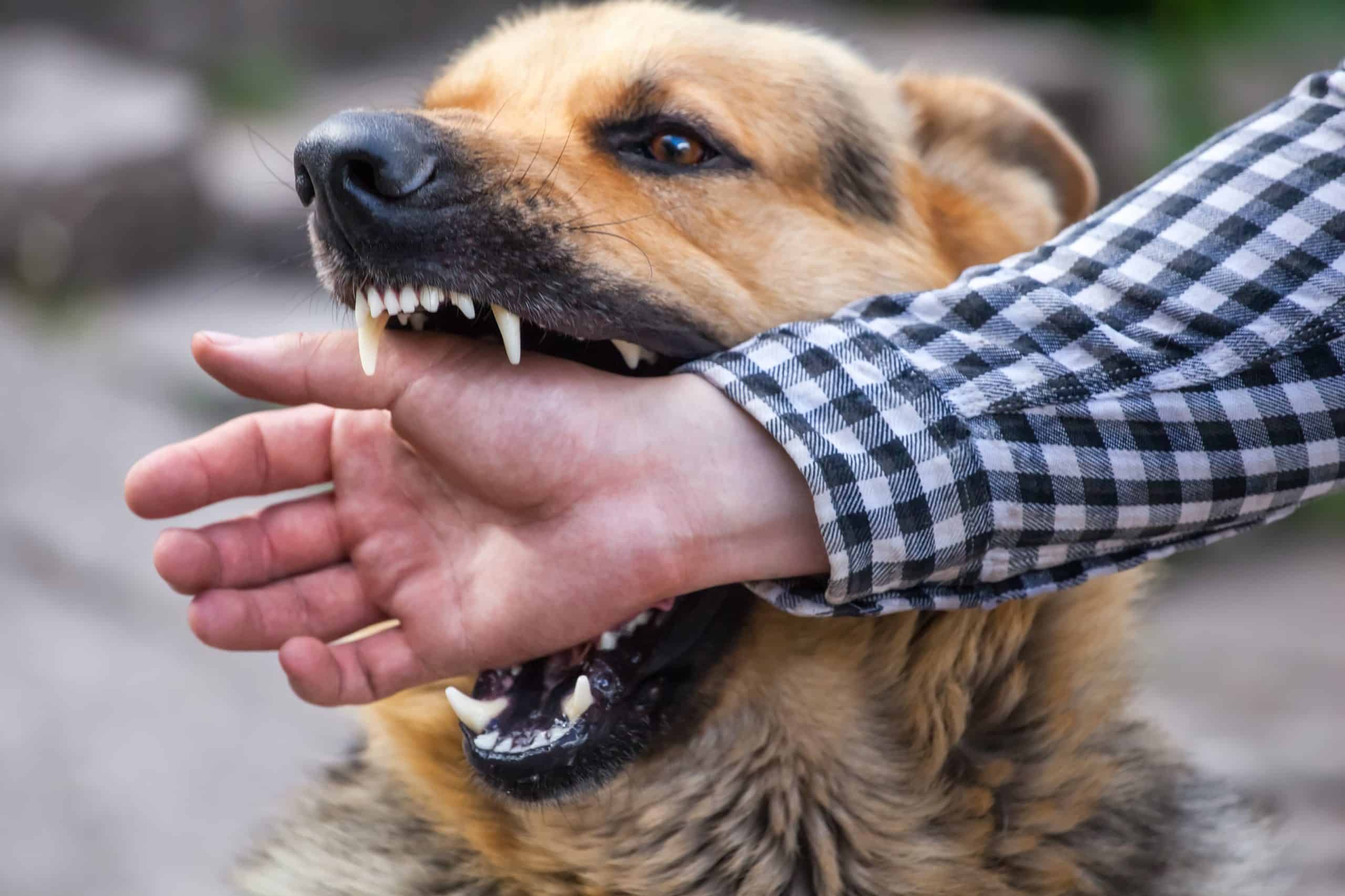
Aggression in dogs is commonly described as violent actions aimed at another being. Biting is one of the most common aggressive behaviors of dogs. Some dog bite cases even result in lawsuits.
It’s worth noting that the majority of aggressive dog breeds aren’t always violent.
Instead, they only become so under the following situations:
- Territorial defensiveness
- Protectiveness
- Fear
- Social anxiety
- Irritation
If you’re considering adding a new dog to your home, be mindful of the aggressive breeds that may not be suitable for you.
Here’s a list of the top dog breeds that are more likely to be aggressive.
Chihuahua
Chihuahuas are incredibly loyal and devoted to their humans.
However, they may be excessively devoted to the point of being envious, which makes them one of the more aggressive dog breeds. They may snap and snip at anyone who gets too near their masters.
Chihuahuas have an unpredictable temperament and aren’t typically considered kid-friendly. They may be very hostile to outsiders, even kids.
But you’ll certainly form a close relationship with this breed with adequate social interaction and obedience training.
Rottweiler
Due to their dominant nature, Rottweilers may exhibit aggression towards other dogs and people. They’d always want to demonstrate their power, even inside the house.
Rottweilers are typically reserved and often struggle to get along with other dogs. They’re also known for being so protective of their territories.
Rottweilers can manage their territorial instincts if they undergo early and thorough training in discipline and socialization.
They’re usually gentle with kids, but their size and high energy make them unsuitable for households with babies or toddlers.
German Shepherd
German Shepherds are often bred to be working dogs by the military and law enforcement.
These dogs are intelligent and powerful, and they’re fiercely protective and devoted to their humans. As a result, they may harass strangers whom they perceive as possible threats.
They’re also exceptionally obedient and competent guard dogs and are often used as police dogs.
However, if you don’t train them early, the dogs may develop numerous behavioral issues.
To keep them calm and prevent aggressive behavior, German Shepherd dogs require extensive training.
Cane Corso
With its broad and robust frame, the Cane Corso is one of the most aggressive dog breeds.
They have become a more familiar breed with law enforcement due to their imposing presence and trainability. Surprisingly, they’re also known for being discreet and calm.
Cane Corso dogs aren’t recommended for first-time dog owners because they may become aggressive when not trained early.
If provided the right atmosphere and social interaction, these dogs would most likely appear intimidating, but nothing more than that.
Chow Chow
Chow Chow dogs can seem cute and plush, but their disposition is far from that.
They possess a high prey drive that can lead to aggressive behavior, and they are considered among the most dangerous dog breeds.
Aside from that, they have poor peripheral vision, which can easily cause them to become startled and aggressive. Adequate training can help raise well-mannered and calm Chow Chow dogs.
Mastiff
Mastiffs are wonderful companions, but they’re also renowned for being one of the most aggressive dog breeds. They’re devoted dogs who aggressively protect their humans.
They’re also good watchdogs, so don’t think that they’re friendly to strangers. They will trap an outsider, but they will not bite right away.
Siberian Husky
While not inherently violent, active and athletic Siberian Husky dogs often enjoy chasing small animals.
If threatened, they’ll strike and defend. It’s also tough to prevent them from being bored.
These active dogs require a lot of exercise. They can become aggressive if you neglect to fulfill their exercise needs.
Doberman Pinscher
Doberman Pinscher dogs are commonly trained to be guard dogs, and they can be aggressive toward outsiders.
They also have a powerful defensive instinct for their owners. They’re also prone to being hostile towards other dogs. But, they’d only fight if provoked.
American Bulldog
American Bulldogs make outstanding pets. These dogs have exceptional stamina, mobility, strength, and a pleasant temperament.
While they don’t target humans, they’re hostile toward other dogs and may chase cats.
To discourage these dogs from being aggressive, they should be introduced to other animals at an early age.
Alaskan Malamute
Alaskan Malamutes are rugged, hardworking dogs, but can also be fun, loving, and devoted.
They’re fairly nice, even to kids, but they can turn hostile in the company of other dogs. Strangers make them suspicious, but they seldom strike first.
They necessitate a lot of social interactions and physical activities. If they’re held in confinement for a long time, they may become agitated and aggressive.
Aggressive dog breeds require training
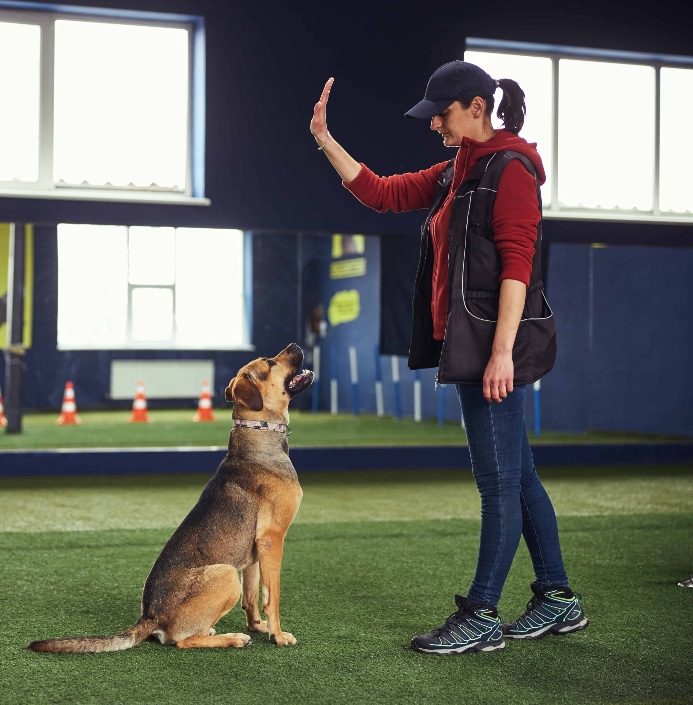
Although the dogs in this list are considered aggressive, it’s crucial to highlight that discipline plays a major role in their behavior and is vital to prevent dangerous dogs.
Training and socializing aggressive breeds starts when they are puppies and requires patience, consistency, and a deep understanding of canine behavior.
Here are some strategies to help you manage and deduce your dog’s aggressive tendencies:
Understanding aggression
Recognize the triggers: Understand what causes your dog to display aggressive behavior, whether it’s fear, territorial instincts, or frustration. Keep a journal of these behaviors to identify patterns.
Assess body language: Learn to read your dog’s body language. Signs of aggression include growling, baring teeth, stiff posture, and a fixed gaze.
Positive reinforcement training
Use rewards: Implement positive reinforcement techniques such as treats, praise, and toys to reward desirable behaviors. This encourages your dog to repeat those actions.
Set small goals: Break down training into manageable steps. Start with commands like “sit” or “stay” before progressing to more complex tasks.
Desensitization and counter-conditioning
Gradual exposure: Introduce your dog to their triggers slowly and in a controlled environment. Start at a distance where your dog feels safe and gradually decrease the distance as they become more comfortable.
Positive associations: Pair exposure to triggers with positive experiences, such as treats or playtime, to help your dog associate these situations with something pleasant.
Socialization
Controlled introductions: Introduce your dog to new people and dogs in a controlled environment, such as obedience classes or safe parks. Keep initial meetings calm and positive.
Early socialization is crucial in helping your dog become calm and confident.
Diverse experiences: Expose your dog to various environments, sounds, and situations to build confidence. This can include car rides, different surfaces, and public spaces.
Professional help
Seek a trainer: Hiring a professional dog trainer who specializes in aggressive breeds can provide personalized guidance and support and help you learn to manage your dog’s protective instincts.
Look for trainers with a positive reinforcement approach.
Behaviorists: For severe aggression issues, consulting a certified animal behaviorist can be beneficial. They can develop a tailored behavior modification plan.
Maintenance training
Consistent practice: Regularly practice training exercises to reinforce good behavior traits. Continue socialization efforts throughout your dog’s life.
Monitor progress: Keep track of your dog’s behavioral improvements and setbacks, adjusting your training techniques as needed to ensure optimal results.
Identify signs of aggression early
Identifying early warning signs of aggression in puppies is crucial for ensuring a safe and positive environment for both the dog and those around them.
Common indicators include stiff body posture, raised hackles, low growling, and a direct stare. Additionally, a puppy may show signs of fear or anxiety, such as cowering or excessive barking.
Addressing these behaviors early on involves positive reinforcement training; rewarding calm behavior and redirecting aggressive tendencies with toys or commands can help.
It’s also essential to socialize puppies with a variety of people, pets, and environments to build their confidence.
If aggressive tendencies persist, consulting a professional dog trainer or behaviorist can provide tailored strategies to manage and modify unwanted behaviors effectively.
Be responsible
Owning a dog, especially an aggressive breed, comes with significant responsibilities.
Dog owners must ensure the well-being of their pets as well as the safety of those around them.
Here are key responsibilities to consider:
Understand the breed
Each dog breed has its characteristics, tendencies, and triggers for aggression.
Owners should educate themselves about their dog’s breed to better anticipate and manage its behavior.
Understanding the dog’s body language and signals can help prevent aggressive incidents.
Create a safe environment
Owners should ensure their home is a safe space for their dogs and people visiting.
This may include having secure fencing, proper containment when outside, and creating designated areas where the dog can feel safe and not threatened.
Provide adequate exercise and mental stimulation
Many aggressive behaviors stem from pent-up energy.
Owners must provide regular exercise and engaging activities that match the dog’s energy levels.
Physical and mental stimulation help reduce frustration and boredom, which can contribute to aggression.
Monitor interactions
Dog owners should supervise interactions between aggressive breeds and children, guests, or other pets.
Understanding your dog’s temperament allows you to intervene if necessary, preventing potentially dangerous encounters.
Seek professional help
If an owner notices signs of aggression or behavioral issues, it’s essential to seek professional guidance from a certified dog trainer or animal behaviorist.
Professionals can provide tailored strategies and training techniques to help manage aggression effectively.
Be responsible in public
When taking aggressive breeds out, owners should use leashes and, if necessary, muzzles to maintain control over their dogs at all times.
This ensures the safety of others and helps prevent panic or aggressive incidents in public spaces.
Understand legal responsibilities
Dog owners should be aware of local laws and regulations regarding aggressive breeds.
This includes liability insurance, registration requirements, and understanding the repercussions of a bite or attack.
Being informed promotes responsible ownership and community safety.
Final thoughts on aggressive dog breeds
While many dog breeds are known for their loyalty and companionship, some can exhibit aggression under certain circumstances.
Understanding the potential for aggressive behavior in breeds such as the Chihuahua, Rottweiler, and German Shepherd, among others, is crucial for any prospective dog owner.
It’s essential to provide early training, socialization, and ample exercise to help manage these tendencies and ensure a well-adjusted pet.
By being aware of the characteristics of these breeds, potential owners can make informed decisions and create a safe and harmonious environment for their families and pets.
Choosing the right breed and committing to proper training can lead to a rewarding relationship built on trust and respect.
What dog owners need to know about aggressive puppy warning signs