
Discover why these 15 dog breeds carry astonishing price tags

Owning a dog comes with significant financial responsibilities. You must feed and train them, provide medical care, and more.
But you must be prepared to spend more on certain dogs, particularly the 15 most expensive dog breeds.
Understanding the financial commitments for these luxury dog breeds is crucial for potential dog owners, dog enthusiasts, and anyone considering a luxury pet option.
Criteria for selecting the most expensive dog breeds
We identified the 15 most expensive dog breeds, based on average purchase prices and annual pet insurance costs.
Other factors include:
- Breed popularity: Highly sought-after breeds often command higher prices.
- Rarity: Rare breeds are typically more expensive due to limited availability.
- Health issues: Some breeds are predisposed to specific health conditions, leading to elevated insurance costs.
- General care requirements: Breeds requiring more grooming, training, or particular diets often incur additional expenses.
Let’s dive into the specifics for each breed.

Akita
Average purchase price: $1,500- $4,500
Average annual pet insurance cost: $600-$1,200
Characteristics: The Akita is a large, powerful dog known for its loyalty and dignity. These dogs make excellent family pets with a thick double coat, but can be aloof around strangers.
They require early socialization and consistent training.
Why they’re expensive: Akitas can suffer from various health issues, including hip dysplasia and autoimmune disorders, which lead to higher insurance costs. Their rarity in some regions also contributes to their high purchase price.

Bullmastiff
Average purchase price $1,500-$2,500
Average annual pet insurance cost: $500-$1,000
Characteristics: Bullmastiffs are gentle giants, known for their affectionate nature and protective instincts. These large dogs need consistent training, as their strength can be overwhelming without proper guidance.
Why they’re expensive: Their massive size contributes to higher food costs, and they are prone to conditions such as hip dysplasia and heart issues, which can lead to higher insurance premiums.
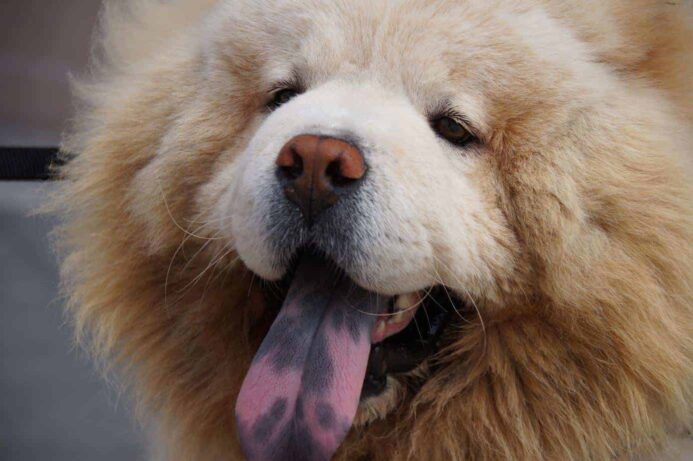
Chow Chow
Average purchase price $3,000-$8,500
Average annual pet insurance cost: $500-$1,000
Characteristics: Chow Chows are known for their lion-like mane and aloof demeanor. They are independent and require an owner who can provide firm training. These dogs are medium to large and need regular grooming due to their thick fur.
Why they’re expensive: Health issues like hip dysplasia and skin problems can add to their overall ownership costs. Their unique appearance and personality also make them highly in demand.

Dogo Argentino
Average purchase price: $1,000-$3,000
Average annual pet insurance cost: $600-$1,300
Characteristics: The Dogo Argentino is a strong, muscular breed bred for big-game hunting. It is known for its loyalty and protective nature. Early socialization and training are essential.
Why they’re expensive: Their strength and hunting history can lead to more accidents and injuries, increasing insurance costs. Additionally, finding a reputable breeder adds to the purchase price.

Dogue de Bordeaux
Average purchase price: $2,000 – $5,000
Average annual pet insurance cost: $600-$1,200
Characteristics: With their large, muscular build and distinctive short muzzle, Dogue de Bordeaux is known for their loyalty and protective nature. They are calm and affectionate companions that thrive with proper training.
Why they’re expensive: Health issues such as hip dysplasia and heart problems can lead to substantial healthcare costs. Their limited breeding population also contributes to their price.

English Bulldog
Average purchase price: $1,500-$4,000
Average annual pet insurance cost: $500-$1,200
Characteristics: The English Bulldog is famous for its loose, wrinkled skin and distinctive smushed nose. While the breed is known for its friendly demeanor, it can be stubborn and require patient training.
Why they’re expensive: They are susceptible to various health problems, including respiratory and skin conditions, leading to higher insurance costs. Their popularity keeps demand high, ensuring they remain expensive.

Irish Wolfhound
Average purchase price: $1,500-$3,000
Average annual pet insurance cost: $600-$1,200
Characteristics: The Irish Wolfhound is one of the largest dog breeds, known for its gentle temperament. It requires moderate exercise and socialization, but is often great with children and other pets.
Why they’re expensive: Their size means higher costs for food and healthcare. They also have a shorter lifespan and are prone to specific health issues, which increases insurance premiums.

Mastiff
Average purchase price: $2,000-$3,000
Average annual pet insurance cost: $600-$1,200
Characteristics: Mastiffs are large, powerful dogs typically known for their gentle nature. They bond with their families but require a firm hand in training.
Why they’re expensive: Their size equates to higher food and healthcare costs, and they may suffer from conditions like hip dysplasia that lead to costly vet visits.

Parson Jack Russell Terrier
Average purchase price: $800-$3,000
Average annual pet insurance cost: $300-$800
Characteristics: Energetic and intelligent, the Parson Jack Russell Terrier is known for its strong hunting instincts. It needs daily mental and physical stimulation to keep it happy.
Why they’re expensive: While they are more affordable in their purchase price, they can have ongoing health issues, including eye problems, which affect their insurance costs.

Pharaoh Hound
Average Purchase Price: $1,000-$3,000
Average annual pet insurance cost: $400-$900
Characteristics: The Pharaoh Hound is elegant, with its sleek body and upright ears. This hound dog is friendly and affectionate and requires consistent training and exercise.
Why they’re expensive: Their rarity contributes to high purchasing costs, and issues such as hip dysplasia can elevate insurance premiums.

Pudelpointer
Average purchase price: $1,500-$3,000
Average annual pet insurance cost: $400-$800
Characteristics: The Pudelpointer is a versatile hunting dog. It is affectionate with families and excellent with children. It is known for its intelligence and requires regular exercise and training.
Why they’re expensive: Their rarity in the U.S. increases their purchase price, and potential health issues can increase insurance costs.

Rottweiler
Average purchase price: $1,500-$2,500
Average annual pet insurance cost: $500-$1,200
Characteristics: Rottweilers are strong, confident, and intelligent dogs. They are known for their loyalty and protective nature, requiring consistent training and early socialization.
Why they’re expensive: Their size and strength can lead to more common injuries, and they are prone to health issues such as hip and elbow dysplasia, which increases their insurance costs.

Samoyed
Average purchase price: $3,000-$8,000
Average annual pet insurance cost: $600-$1,100
Characteristics: The Samoyed is known for its fluffy white coat and friendly “Sammy smile.” They are sociable, affectionate, and require lots of exercise.
Why they’re expensive: Their grooming needs are extensive, and health issues, including hip dysplasia and heart conditions, can lead to increased insurance costs.
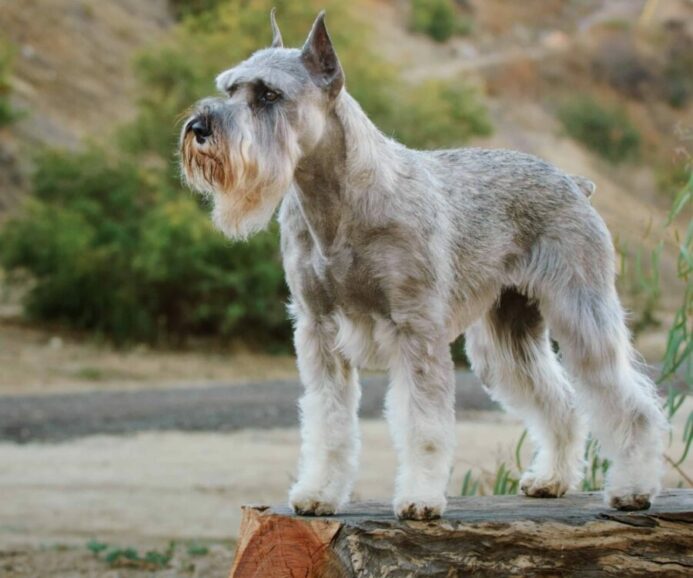
Standard Schnauzer
Average purchase price: $1,000-$2,500
Average annual pet insurance cost: $400-$900
Characteristics: Standard Schnauzers are energetic, intelligent, and versatile dogs that thrive on activity. They are friendly, great with families, and require regular grooming.
Why they’re expensive: Although they’re relatively not as costly initially, they can be prone to specific health issues, leading to higher insurance premiums.

Tibetan Mastiff
Average purchase price: $3,000-$7,000
Average annual pet insurance cost: $600-$1,200
Characteristics: The Tibetan Mastiff is a large, protective breed known for its impressive mane. It is independent and can be aloof with strangers, but loyal to its family.
Why they’re expensive: Their rarity and the costs associated with responsible breeding contribute to the high price tag. They are also prone to several health issues that can elevate insurance costs.
Additional costs to consider
Beyond the initial purchase price and pet insurance, there are several other costs to be aware of when owning an expensive breed:
Grooming: Many breeds require regular grooming to keep their coats in top condition, which can add to the overall cost.
Training: Professional training can be essential for managing their behavior and ensuring they are well-adjusted pets.
Healthcare: Regular veterinary check-ups, vaccinations, and potential surgeries or treatments for breed-specific health issues can add up.
Food: The larger the dog, the more they will eat. Expect to spend more on food for sizable breeds.
Final thoughts on expensive dog breeds
Owning an expensive dog breed is a significant financial commitment that requires careful consideration.
Potential dog owners should consider these costs and the long-term responsibilities of dog ownership.
While purchasing a dog can be appealing, don’t overlook the many benefits of adoption. Countless dogs in shelters need loving homes at more affordable costs.
Ultimately, responsible ownership and financial planning are critical to ensuring a happy and fulfilling life for the dog and its owner.
Before deciding on a breed, do thorough research and consider all factors involved in dog ownership.
 Sara B. Hansen has spent 20-plus years as a professional editor and writer. She’s also the author of The Complete Guide to Cocker Spaniels. She decided to create her dream job by launching DogsBestLife.com in 2011. Sara grew up with family dogs, and since she bought her first house, she’s had a furry companion or two to help make it a home. She shares her heart and home with Nutmeg, a Pembroke Welsh Corgi. Her previous dogs: Sydney (September 2008-April 2020), Finley (November 1993-January 2008), and Browning (May 1993-November 2007). You can reach Sara @ editor@dogsbestlife.com.