
Compatibility check: Is a Jack Russell terrier the right dog for you?
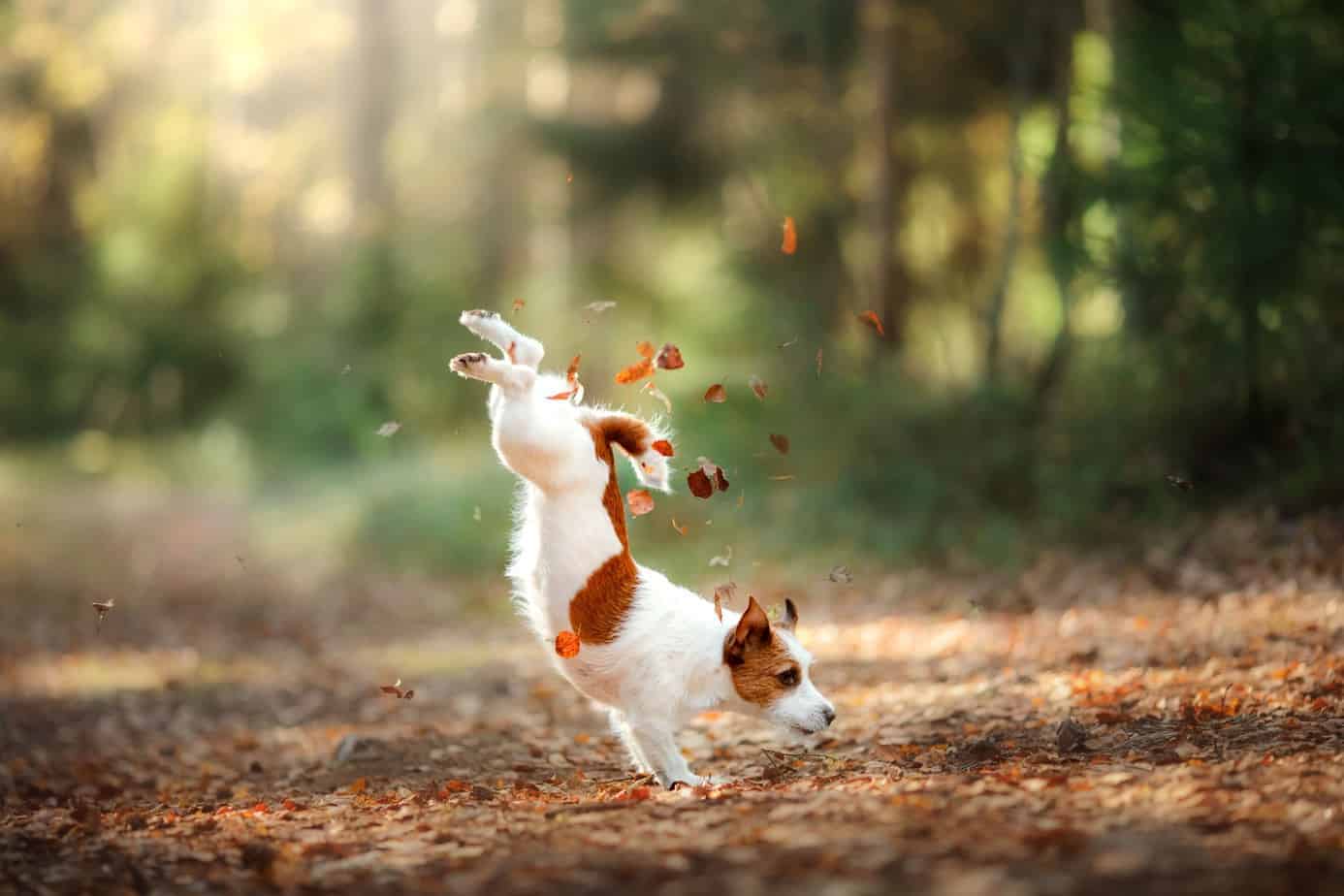
The Jack Russell Terrier, also known as the Parson Russell Terrier, is a highly energetic, happy, and hard-working breed.
They exhibit many classic terrier traits that include excessive barking, willfulness, apprehension of strangers, aggression, and jealousy.
Jack Russells generally are not suited for homes with children or other animals. They can be unusually aggressive toward other dogs. This breed packs a big personality into a very tiny frame.
If you love Jack Russells but aren’t sure whether one is right for you, consider the following points before you decide to bring a puppy home.
Jack Russell terrier history
This working terrier takes its name from the Rev. John Russell, an active member of the church in England and a dog breeder. Russell had a passion for breeding fox hunting dogs.
Everything about the breed’s genetic makeup was designed for hunting. Their proportionate and compact bodies, coloring, conformation, characteristics, and intelligence make them born to be excellent hunters.
Exercise needs
The breed’s high energy makes them perfect for someone who lives a very active lifestyle. They make excellent dogs to play fetch with at the park or take on long weekend hikes.
This breed requires a high level of stimulation; otherwise, they become bored. If you plan to adopt a Jack Russell, it’s important to remember they need constant attention and exercise.
According to experts, the Jack Russell has an eagerness to explore, which can often lead to wandering. If you’re planning to take home a Jack Russell, consider having a large, gated backyard with a lot of room for them to run.
Temperament
Jack Russell terriers are energetic, intelligent, and curious dogs known for their lively personalities. Their spirited demeanor can lead to assertive behavior if not managed properly.
Early socialization is essential. Exposure to various environments, people, and animals helps your dog develop confidence and reduces anxiety. Regular interactions with other dogs and humans will foster well-rounded social skills and minimize aggressive tendencies.
Training is also crucial, as these dogs thrive on mental stimulation. Positive reinforcement techniques can establish good behavior and enhance the bond with their owners.
Incorporating obedience training and interactive games can keep them engaged and prevent boredom.
While affectionate with their families, Jack Russells may be reserved with strangers, making ongoing socialization vital for comfortable interactions. With the right approach, they can become happy, well-adjusted companions.
Training
Due to their high energy and intelligence, Jack Russells are quick to learn but require persistence and patience.
They do need clear and consistent practice to be properly trained. According to The Jack Russell Terrier Club of America, here are a few tips to consider:
- Start training early.
- Ensure your puppy is at least eight weeks old before beginning training.
- Establish dominance early. If you don’t, your terrier will easily assert itself as the head of your household.
- Consistency is key.
- Use positive reinforcement techniques that reward the puppy for good behavior.
- Teach your terrier to listen to you and understand bed manners if they growl or snap at you while in your bed this is a sign that they’re trying to be dominant. Make your Jack Russell sleep in their bed for a few nights if they exhibit this behavior.
- Never keep more than two Jack Russells in one area when you are not at home to supervise.
- Attend an obedience class.

Manage your Jack Russell’s energy
Daily exercise: Ensure at least an hour of vigorous exercise each day through walks, runs, or active play. Activities like fetch or agility training can help burn off excess energy.
Mental stimulation: Use puzzle toys and engage in training sessions to keep their minds sharp and prevent boredom.
Consistent training: Implement a training routine with positive reinforcement to establish discipline and improve behavior.
Socialization: Expose your Jack Russell to various people, environments, and pets from an early age to promote positive interactions and reduce fear-based aggression.
Structured routine: Maintain a consistent daily schedule for feeding, walking, and playtime to help your dog feel secure.
Safe spaces: Create quiet areas in your home where your dog can retreat when overwhelmed to prevent agitation.
Monitor playtime: Supervise interactions with other dogs to prevent excessive excitement or aggression.
Recognize triggers: Identify situations that may trigger aggressive behavior and manage them to keep your dog calm.
Are Jack Russell terriers aggressive?
Karen Salter, an injury attorney who handles dog bite cases, says that Pitbulls, Rottweilers, and German Shepherds are more likely to attack. But even attacks by small dogs like Jack Russell Terriers can be dangerous.
These little guys can be very aggressive, and bites from little dogs hurt, too.
Be sure to monitor the dog if it’s around children and keep it on a leash when around new people or other dogs to prevent an attack.
Their high energy and natural assertiveness make Jack Russells excellent watchdogs. But they need supervision around strangers and even houseguests.
Because they were bred for hunting, their instinct is to be dominant and aggressive.
Provide proper care
Jack Russell Terriers require regular grooming and healthcare to stay healthy and energetic.
Their grooming needs vary slightly depending on the type of coat—smooth, rough, or broken.
Grooming
Coat care: Smooth-coated Jack Russells need weekly brushing, while rough and broken-coated varieties should be brushed several times a week.
Bathing: Bathe them every few months or as needed using a gentle dog shampoo.
Nail trimming: Trim nails every 4 to 6 weeks to prevent discomfort.
Ear cleaning: Check ears weekly, cleaning if necessary with a vet-recommended solution.
Dental care: Brush teeth several times a week and consider dental chews.
Healthcare needs
Regular vet check-ups: Schedule annual visits for vaccinations and health assessments.
Vaccinations and parasite control: Keep vaccinations up-to-date and implement a flea, tick, and worm prevention routine.
Diet and nutrition: Provide a balanced diet suitable for their age and energy level.
Exercise: Daily walks and playtime are essential for their physical and mental well-being.
Behavioral health: Engage in training and socialization to prevent behavioral issues.
Adopting a new best friend
Knowing what to be prepared for before you take home your adorable Jack Russell puppy or dog is a crucial part of how you will bond together. Their Napoleon complex will make them very territorial, but once you assert your dominance, they are the most loyal companions and will be your best friend for life.
Alana Redmond is a graduate in Media and Business from the University of California San Diego. She is also a consumer safety writer for safer-america.com and an avid dog lover. Instagram: @its_lonnie