
Discover the differences in 5 types of greyhound dog breeds
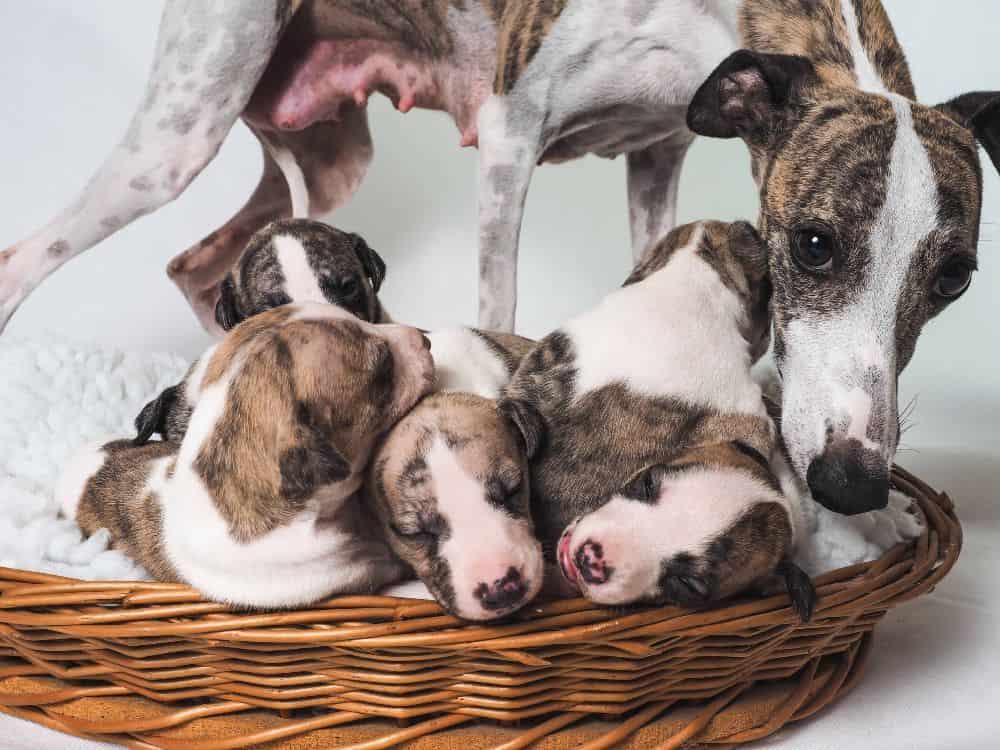
You may have always dreamed of having a graceful Greyhound in your home. However, did you ever wonder where this breed originates, its characteristics, and how many present types exist?
First, it is essential to understand that Greyhounds are known for their high speed, as they can reach up to 45 miles per hour.
Having a slim build, long legs, and a wide field of vision, they are the ideal dogs for racing and competition, and also make excellent household pets. Despite their ability to run, most Greyhounds are couch potatoes at heart.
Today, greyhounds can be found worldwide, especially in Southwest Asia.
If you want to get a Greyhound, let’s learn about five notable options and their characteristics.
There are several varieties of greyhounds, characterized by differences in their coats and locations of origin.
Listed below are five of the most common Greyhound dog breeds.
Italian Greyhound

The Italian Greyhound is the perfect miniature Greyhound. These dogs were prized as noble companions in the Roman Empire and are one of the oldest dog breeds.
It’s also a popular Greyhound dog breed.
The miniature Greyhound was a status symbol in Italy during the Renaissance.
It boasts a history that dates back thousands of years, with roots in the Mediterranean. Believed to have descended from the ancient Greyhound, this breed was particularly cherished by Italian nobility during the Renaissance, valued for both beauty and companionship.
Their elegant stature is celebrated in art and sculpture, making them a timeless favorite.
There is also a mixed breed known as the Italian Greyhuahua, a mix of an Italian Greyhound and a Chihuahua, that can be a perfect family pet.
Characteristics
These small sighthounds are known for their slender, graceful bodies, standing 13 to 15 inches tall and weighing 7 to 14 pounds.
Their short, smooth coat comes in various colors and requires minimal grooming. Italian Greyhounds are playful and affectionate, developing strong bonds with their owners.
Despite their size, they have abundant energy and enjoy running and playing, necessitating regular exercise.
Personality and appearance
The Italian Greyhound is an intelligent and sensitive breed.
These dogs are playful, active, and alert, but love to cuddle up in front of their owners while they work.
Positive reinforcement is the best approach when teaching them, as they are sensitive and stubborn.
The Italian Greyhound is closely related to Greyhounds in general, but is slightly slimmer in appearance.
With a deep chest and elegant lines, they have a graceful appearance. They have delicate, glossy skin and silky hair.
Across their backs, they have a distinct curve descending into their hindquarters. They have long, muscled, but slender legs.
Care tips
Grooming: Minimal grooming is needed for their short coat. Regular brushing helps reduce shedding, with baths only as necessary.
Nutrition: Feed high-quality dog food that prioritizes meat. Monitor their intake to prevent weight gain.
Temperature sensitivity: Protect them from extreme temperatures with sweaters in the cold and shade in the heat.
Exercise: Daily walks and playtime are essential; they thrive in safe, enclosed areas for sprinting.
Training tips
Positive reinforcement: Use treats and praise to encourage good behavior.
Socialization: Early exposure to different people and environments is vital. Puppy classes can help.
Consistency: Be firm and consistent with commands to manage their stubbornness.
Short sessions: Keep training sessions brief (2-5 minutes) to maintain their focus.
Health considerations
Regular vet check-ups: Ensure routine vet visits for early detection of health issues, particularly dental and joint concerns.
Weight management: Monitor weight through regular exercise and proper portion control.
Joint health: Consider glucosamine supplements for joint support, consulting your vet first.
Skin care: Check for cuts or abrasions frequently because they have sensitive skin.
Suitability as pets
Italian Greyhounds make excellent household pets for families and individuals alike.
These smaller dogs thrive on social interaction and dislike being left alone for long periods.
Their gentle nature is a good match for families, especially those with older children.
They adapt well to apartment living, as short walks and indoor play can meet their exercise needs.
Overall, their loving disposition and elegance make them delightful companions for those who can provide the care they need.
Russian Greyhound
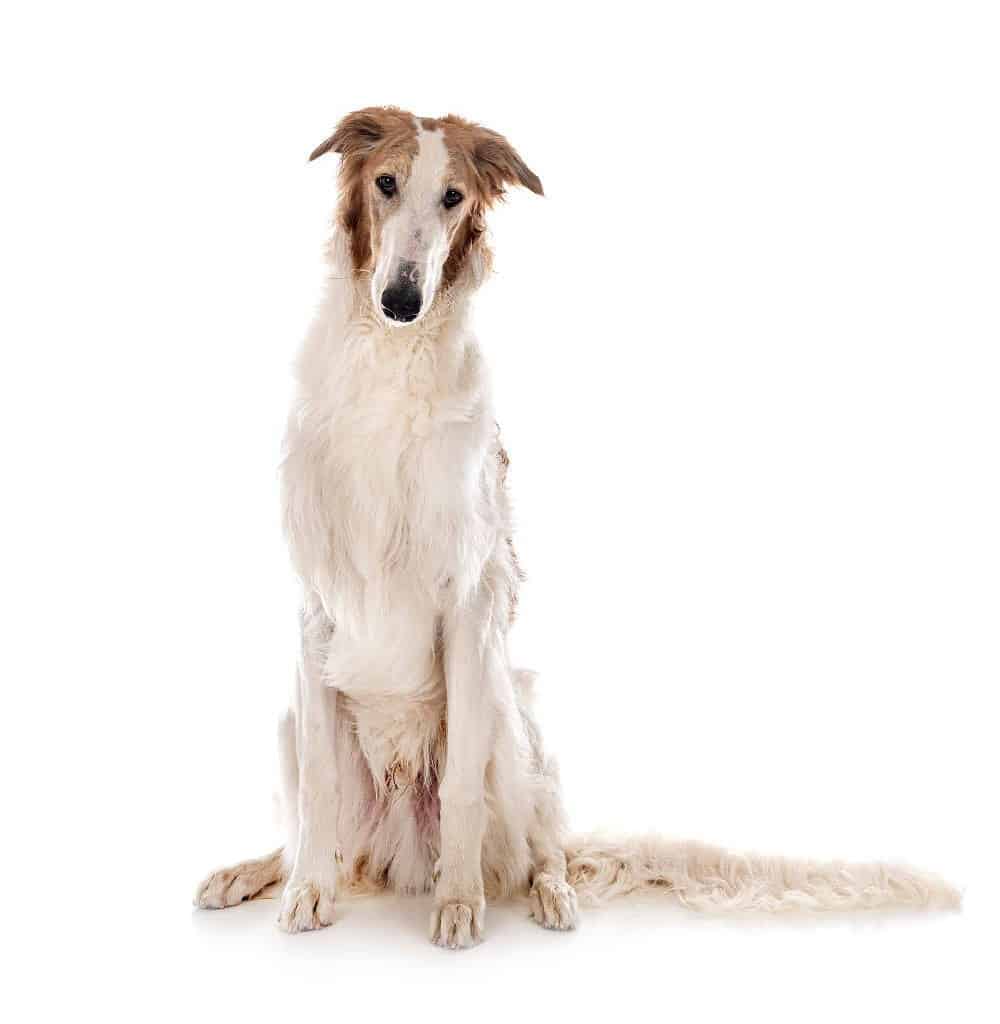
Russian Greyhounds or Borzoi are wavy-haired dogs with large bodies. The breed can grow up to 33 inches in height and weigh as much as 90 pounds.
Historically, they have existed since the 16th century.
The Russian Greyhound, also known as the Russian Wolfhound or Borzoi, originated in 17th-century Russia, bred by nobles and royalty for hunting large game like wolves and deer.
This breed resulted from crossing local hunting dogs with sighthounds from the Arabian and Persian lines.
Borzois became symbols of elegance and status, reflecting their royal association and graceful appearance.
Borzoi are independent and enjoy running, so they require a safe, enclosed area where they can reach their full potential as a runner. The Russian Greyhound can live for up to 12 years.
Characteristics
Borzoi are elegant, tall dogs, weighing 60 to 100 pounds and standing 26 to 32 inches tall. They possess long, silky coats in various colors and are known for their speed, reaching up to 40 miles per hour.
With a gentle temperament, they are loyal and affectionate but also maintain an independent spirit.
While generally calm indoors, they have bursts of energy during playtime.
Personality and appearance
Borzoi dogs need experienced and sympathetic owners because they are compassionate.
Despite enjoying spending time with family and children, they dislike being intruded upon by others. Occasionally, they may misinterpret commands, which is common among Greyhound breeds, but that is how they are.
Borzois have an elegant and agile appearance and a slightly arched back. Their chests are narrow but deep. The coat is silky and long, with a slight wave.
Care tips
Diet: Feed a balanced, high-quality diet suitable for their age and activity level. Consult your vet for specific recommendations.
Grooming: Regular brushing is needed, but they require minimal grooming. Check ears, teeth, and nails often to keep them clean.
Exercise: Russian Greyhounds need daily exercise, including walks and playtime. Activities like lure coursing are great for their energy levels.
Comfort: Provide a spacious and comfortable environment with a cozy bed and shaded areas for relaxation.
Training tips
Socialization: Early exposure to various environments and other animals is essential for well-rounded behavior.
Positive reinforcement: Use treats and praise to encourage good behavior and make training enjoyable.
Consistency: Keep commands and routines consistent to help your dog understand expectations.
Mental stimulation: Engage them with interactive toys and training games to prevent boredom.
Health considerations
Regular vet check-ups: Schedule regular visits for vaccinations and preventative care.
Common conditions: Be aware of potential health issues like hip dysplasia and heart problems.
Weight management: Monitor their weight to avoid obesity, adjusting diet and exercise as needed.
Dental health: Clean their teeth regularly with dental chews and brushing to maintain oral health.
Suitability as pets
The Russian Greyhound can be an excellent household pet for families with space and the ability to provide exercise.
They are low-maintenance companions, enjoying a mix of indoor relaxation and outdoor activity. Early socialization is essential to ensure they interact well with other pets and people.
While they can be aloof with strangers, Borzois are loyal and affectionate toward their families.
With proper care and exercise, they can adapt well to various living situations, making them wonderful additions to loving homes.
Scottish Greyhound
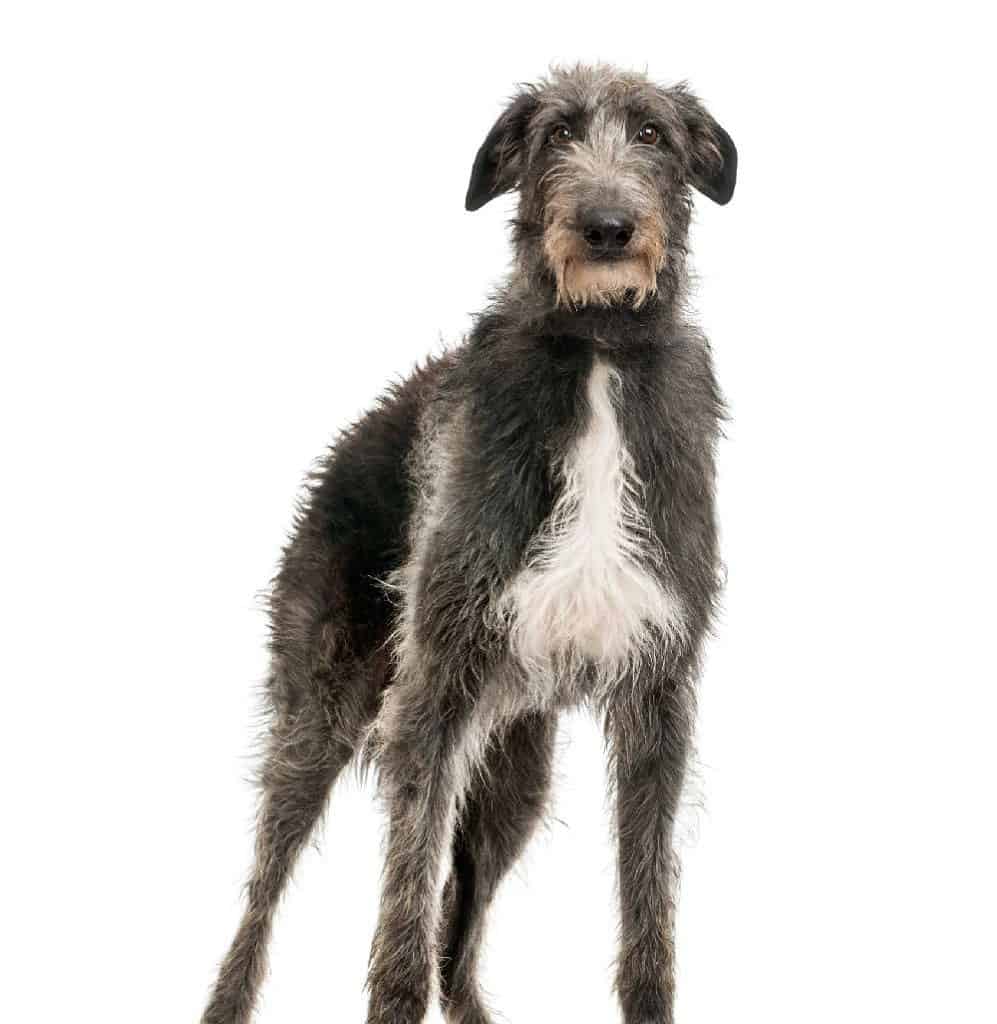
The Scottish Greyhound is also known as the Scottish Deerhound. One of the tallest breeds of dogs, they resemble the Irish Wolfhound. They have a gentle, loyal disposition and excellent reputation as family pets.
The Scottish Greyhound, a breed with ancient roots, originated in Scotland as a skilled hunter used primarily for chasing deer.
This noble breed evolved from the Greyhound, becoming a symbol of status throughout history.
Characteristics
Scottish Greyhounds are tall and slender, typically weighing 60 to 70 pounds and standing 28 to 30 inches tall.
They have a smooth coat that can come in various colors, including fawn and brindle, with a distinctive pointed head and long neck that enhances their graceful appearance.
Personality and appearance
The Deerhound is extremely sensitive to stress, so consider this before adding one to a hectic household. Separation anxiety occurs when they are left alone at home all day. Because of their strong prey drive, keep them leashed when outside.
The Deerhound is a much more substantial dog compared to the regular Greyhound. A strong neck, a long head with a pointed muzzle, and large ears are the characteristics of these dogs.
Besides having compact feet and powerful legs, their wiry coat is low-maintenance, with a small fringe across their legs.
Care tips
Diet: Providing a balanced diet is crucial for the Scottish Greyhound’s health. Opt for high-quality dog food tailored to their age, weight, and activity level. Monitor their weight, as these dogs can be prone to gaining excess weight.
Grooming: Scottish Greyhounds have short, sleek coats that require minimal grooming. Regular brushing (once a week) can help remove dead hair and reduce shedding.
Bathing should be done as needed, usually every few months, to keep their coat clean and healthy.
Exercise: Though known for their speed, Scottish Greyhounds also enjoy moderate daily exercise. Regular walks, playtime, and occasional runs in a safe, enclosed area will help keep them physically fit and mentally stimulated.
Comfort: Provide a comfortable and cozy sleeping area, as Greyhounds love to lounge. They are sensitive to temperature, so make sure they have a warm spot in colder weather and a cool place during hotter months.
Training tips
Socialization: Early socialization is key for Scottish Greyhounds. Expose them to various environments, people, and other animals from a young age. This helps them develop into well-rounded and confident dogs.
Positive reinforcement: Use positive reinforcement techniques such as treats, praise, and play to encourage good behavior. Avoid harsh corrections, as these dogs respond better to kindness and patience.
Basic commands: Teach essential commands such as sit, stay, come, and heel. These commands not only help with their training but also ensure their safety during walks and outings.
Leash training: As Greyhounds are strong and can be easily distracted, leash training is essential. Start training with a sturdy leash and collar, and consider using a harness to prevent slipping out.
Health considerations
Regular vet visits: Schedule annual check-ups to monitor overall health and catch any potential issues early. Vaccinations, dental care, and preventative treatments for parasites are essential components of their healthcare.
Watch for bloat: Like many deep-chested breeds, Scottish Greyhounds can be prone to bloat or gastric torsion. Be aware of the signs (e.g., restlessness, swelling, unproductive attempts to vomit) and seek veterinary help immediately if you suspect bloat.
Joint health: Greyhounds are prone to specific orthopedic issues. Regular moderate exercise and maintaining a healthy weight play a significant role in supporting their joint health.
Skin and coat care: Keep an eye out for any skin issues or irritations, as Greyhounds can be sensitive. Regular checks can help catch any problems early, and consult a vet for any persistent skin issues.
Suitability as pets
Scottish Greyhounds can be excellent household pets due to their gentle and affectionate nature.
They bond closely with families and generally do well with children and other animals if correctly socialized.
Although they enjoy running, their exercise needs are relatively moderate, and they are often satisfied with daily walks and comfortable lounging.
They adapt well to various living situations, including apartments, and require minimal grooming due to their short coats.
Spanish Greyhound
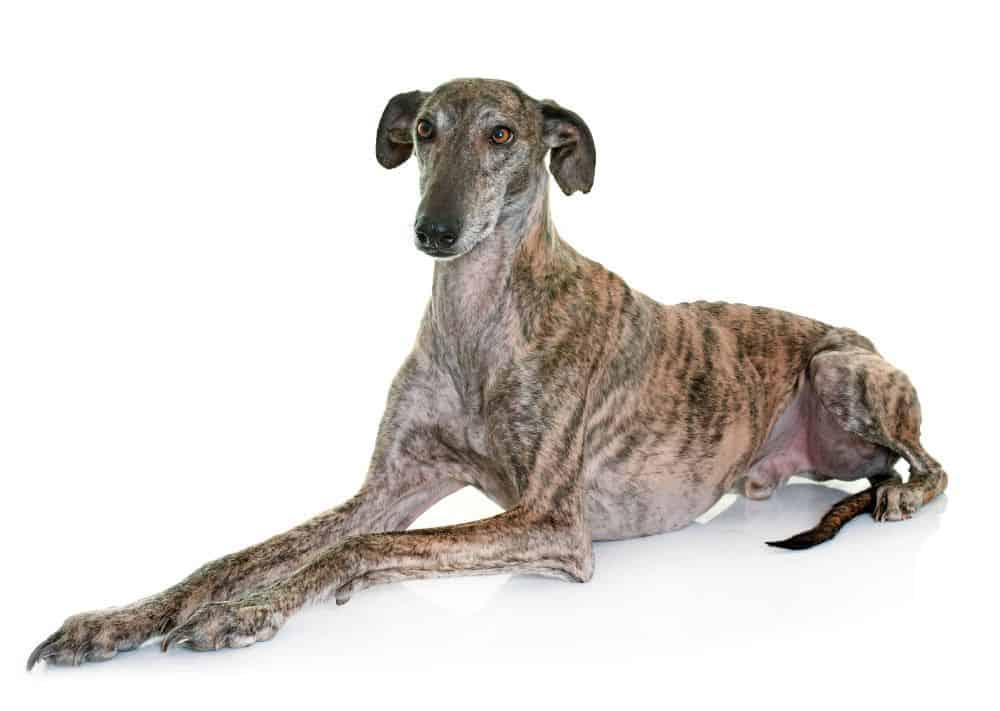
Spanish Greyhounds or Spanish Sighthounds are physically fit purebred dogs with thick chests and long legs.
The Spanish Greyhound, or “Galgo Espagnol,” has a history that stretches back to ancient times, likely originating from hunting dogs brought to Spain by Phoenician traders around 400 BC.
Developed for their speed and agility, these dogs excel in hunting hares and are a significant part of Spanish culture, often featured in art and literature.
Characteristics
With a slender, athletic build, Spanish Greyhounds typically stand 24 to 29 inches tall and weigh between 50 to 65 pounds.
Their short, smooth coats come in various colors such as brindle, fawn, and black.
A male can weigh up to 60 pounds, whereas a female can weigh up to 50 pounds. They reach top speeds of 45 miles per hour, making them one of the fastest dog breeds.
Known for their gentle nature, they are affectionate and bond closely with their owners.
Personality and appearance
Spanish Sighthounds are gentle and friendly breeds that enjoy snuggling up and snoozing for hours.
Children and other pets generally get along well with them. They have reserved personalities, so it is essential to socialize at a young age.
Compared to Greyhounds, Spanish Sighthounds are smaller and lighter, and their heads have a longer and smoother shape.
Their muscle profile is flatter, and their loins are higher. Two types of coats are available for Spanish Greyhounds: smooth and rough.
Care tips
Diet: Feed a balanced, high-quality dog food suitable for their age and activity level, while monitoring their weight to prevent obesity.
Exercise: Provide daily physical activity through walks or play, along with opportunities to run in a secure area.
Grooming: Their short coat requires minimal grooming—regular brushing and occasional baths are sufficient. Don’t forget to check their ears, nails, and teeth.
Housing: They can adapt to both homes with gardens and apartments, as long as they get enough exercise and have a warm resting area.
Training tips
Socialization: Introduce your dog to new people and environments. Socialization reduces the risk of shyness.
Positive reinforcement: Use treats and praise to encourage good behavior; consistency is vital.
Basic commands: Teach essential commands like sit and stay, using patience, as some may be stubborn.
Leash training: Train them to walk nicely on a leash, ideally with a harness for better control due to their speed.
Health considerations
Regular vet visits: Schedule annual check-ups for vaccinations and overall health monitoring.
Common health issues: Watch for hip dysplasia, bloat, and skin allergies through regular evaluations.
Weight management: Monitor their body condition to prevent obesity-related health issues.
Mental stimulation: Keep their minds active with puzzle toys and training exercises to avoid boredom.
Suitability as pets
Spanish Greyhounds make excellent pets due to their calm and friendly demeanor. They are gentle and adaptable, suitable for families and those living in apartments.
Their grooming needs are minimal, and they require regular walks and some space to run.
While they possess a high prey drive due to their hunting instincts, making supervision necessary when off-leash, they are generally quiet and easygoing.
Overall, their elegance and affectionate temperament make them great companions for many households.
Whippet
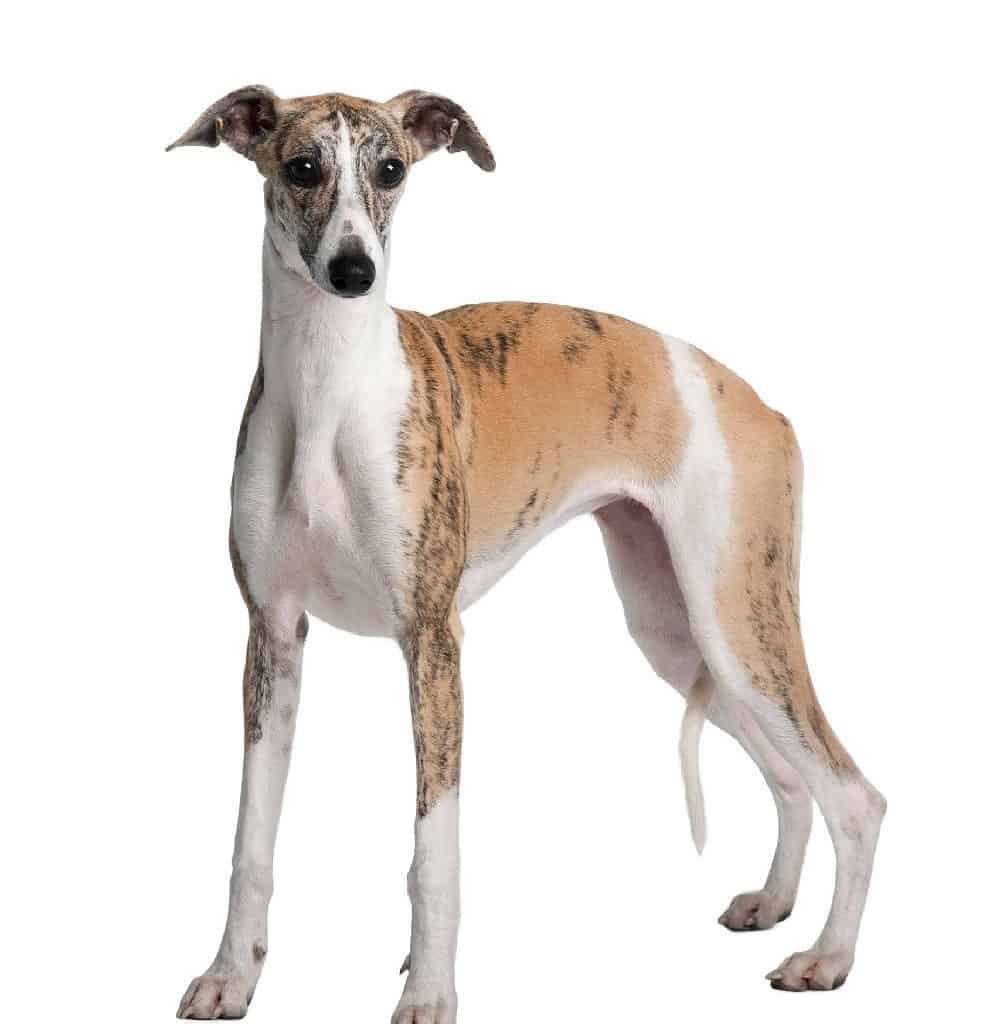
The Whippet, or English Greyhound, is a delicate, docile, dignified little dog with a sweet face.
The Whippet originated in early 19th-century England, developed from a mix of Greyhounds and smaller terriers.
Initially bred for hunting small game and racing, their name is thought to derive from “whip,” indicating their speed.
Mainly, Whippets are used for domestic racing, but they can also make great pets for families who enjoy indoor activities.
They are one of the fastest dogs in the canine kingdom.
Provide a fenced yard for your Whippet to roam and explore freely.
Characteristics
Whippets are medium-sized dogs, typically weighing 25 to 40 pounds and standing 18 to 22 inches tall.
They boast a sleek, athletic build, with a short coat available in various colors. Beyond their physical traits,
Whippets are known for their gentle demeanor and strong affection for their families. They adapt well to home life, demonstrating a calm demeanor indoors despite their energetic nature outdoors.
Personality and appearance
Whippets are calm and composed at home and on a leash, but let them loose, and you’ll be amazed by how fast they are. Whippets can happily live in an apartment as long as they’re well-exercised.
A Whippet’s body, shaped like a sighthound’s inverted “s,” is strong, with slim legs, deep chests, and thin waists. Their necks are long and elegantly arched.
Whippets have folded, upright ears that resemble a flower. Be sure to check and clean their ears to prevent infections.
Care tips
Diet: Provide high-quality dog food, monitor weight, and consult your veterinarian for dietary advice.
Grooming: Whippets have low-maintenance coats; regular brushing and occasional baths are sufficient.
Exercise: Ensure daily exercise with walks and opportunities to run, as they are energetic dogs.
Socialization: Expose your Whippet to diverse environments, people, and pets to encourage good behavior.
Training tips
Start early: Begin training as a puppy to form good habits and strengthen your bond.
Positive reinforcement: Use treats and praise to reward good behavior.
Consistency: Maintain consistent commands and rules for clarity.
Mental stimulation: Engage their minds with puzzle toys and new tricks to keep them active.
Health considerations
Regular vet visits: Schedule annual check-ups for vaccinations and health monitoring.
Watch for health issues: Be aware of potential concerns like hip dysplasia and heart issues.
Dental care: Maintain dental hygiene with chews and regular brushing.
Weight management: Monitor food intake to keep your Whippet at a healthy weight.
Suitability as pets
Whippets are excellent household pets for families due to their friendly temperament and compatibility with children and other pets.
Their moderate exercise needs make them easy to care for; they enjoy walks and play but are equally happy to relax at home afterward.
With low grooming requirements and a natural inclination for cleanliness, Whippets are easy to maintain.
However, their strong prey drive means early socialization and training are essential.
Final thoughts on Greyhound breeds
Many different types of Greyhound breeds possess unique characteristics and abilities. From the Spanish Greyhound’s impressive speed and agility to the Italian Greyhound’s affectionate nature, there is a breed for every type of family and lifestyle.
Whether you want an outdoor companion or a cuddle buddy, these pets will surely bring joy and love to your life.
Arslan Hassan is an electrical engineer passionate about writing, designing, and all things tech. His educational background in the technical field has given him the edge to write on many topics.