
5 reasons a pug might be the right dog breed for you

with kids and other pets.
Pugs are the clowns of the otherwise ferocious canine world. And that’s not an offense.
Pugs genuinely have a good sense of humor. And therefore, they are known to have a light-hearted nature. Their temperament is happy-go-lucky. These dogs are fun to be around.
But does that make these small, sturdy dogs the right breed for you? Is their sense of humor a good enough reason to adopt them?
Well, not quite. If you’re thinking of adopting a pug dog, you need to have a few more solid reasons and grounds to adopt a pug. And this post aims to help you find them.
Here are five reasons why the Pug might be the right dog breed for you.
If these reasons don’t resonate with you or don’t seem like a good fit, know that a Pug may not be the best option.
Low maintenance
If you browse through these Fascinating Pug Facts, you’ll repeatedly come across three attributes of the pug breed. They are:
- Small
- Compact
- Bulky
Although they are athletic, they are short. These dogs, typically fawn-colored with black ears and muzzle, are so small that they are classified in the toy group of canines.
Since these dogs are physically short and small, they also have minimal physical needs.
A pug consumes 1/2 to 1/3 cup of quality food three times a day. They are generally healthier and less prone to diseases and disorders compared to other dogs.
You can expect to pay between $80 and $120 per month to care for your Pug throughout its life, which is approximately 12 to 15 years. This price bracket includes food, insurance, vet expenses, and additional costs.
As for living space, they require minimal space to own and explore. As long as the place is interesting, you won’t find your Pug stressed in an apartment.
Good with kids and other pets
Pug puppies have an independent nature. As long as you’re showering them with ample attention and care, they won’t require a buddy.
Their inquisitiveness will keep them busy, while your attention will keep them healthy.
However, that wouldn’t be an issue if you already have pets. Pugs get along well with most other pets, including cats, rabbits, fish, birds, guinea pigs, and other dog breeds.
Make sure you give your Pug enough time to familiarize itself with the other pet before expecting it to bond and play.
Pugs are also a good choice for those with young children. And that’s because Pugs have kind and considerate natures. They are understanding, supportive, and protective of kids and others they recognize.
Easy to train
Pugs have an inquisitive nature. These intelligent dogs are super curious about everything. Be it:
- Where do you store their treats?
- Getting your attention?
- Getting something they want. And so on.
So, naturally, you’ll have to be careful about what you introduce to them and what you don’t. But the upside is that you won’t waste days and weeks repeating the same activity. They’ll learn your commands quickly.
Love to cuddle
Like cats, Pugs sleep more than 14 hours a day.
However, unlike cats, these dogs also enjoy cuddling.
Whether they’re sleeping and you lift them off to put them in your lap, or if they’re running around and you calm them down, you’ll receive the same positive response to cuddling.
Pugs don’t need lots of outdoor walks
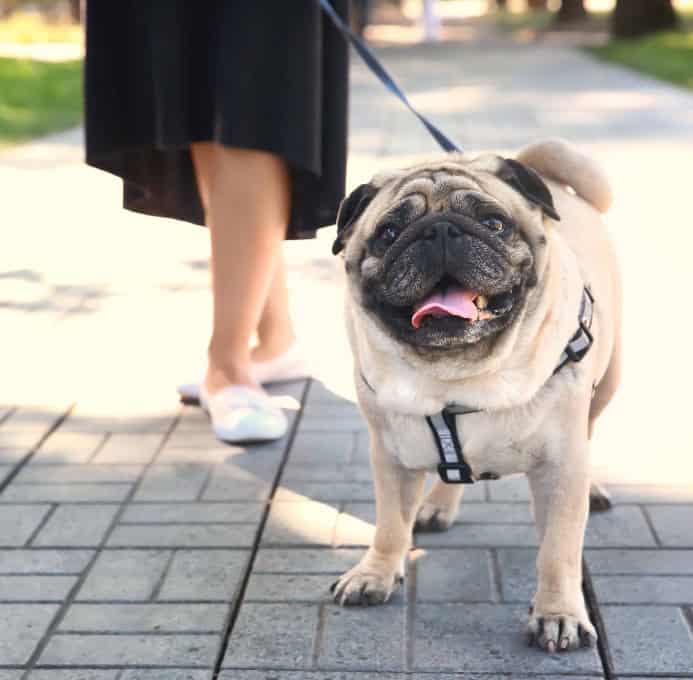
Pugs are low-maintenance dogs.
They don’t require loads of your time to exist happily and peacefully. They don’t demand long hours of outdoor walking, physical playtime, or exercise to stay healthy.
Instead, you can take them for a 20-minute walk every 3 to 4 days. And that shall be enough! If you’re not an extrovert, it’s good. Isn’t it?
Care tips
Caring for a pug requires understanding their unique needs and characteristics.
Diet and nutrition: Pugs tend to gain weight, so it’s crucial to provide them with a balanced diet.
Feed your dog high-quality food that is suitable for their age, size, and level of activity.
Monitor their portion sizes and avoid overfeeding. Treats should be given in moderation.
Regular exercise: Pugs are playful and energetic, but they also have a strong tendency to become lazy.
Daily walks, playtime, and mental stimulation are crucial for maintaining their health and preventing obesity.
Short, moderate walks are usually best since pugs can struggle with heat and excessive exercise.
Grooming: Pugs have a short coat that requires minimal grooming, but they do shed.
Regular brushing helps to minimize shedding and keep their coat healthy. Ensure that you clean their facial wrinkles gently with a damp cloth to prevent skin infections.
Dental care: Dental hygiene is crucial for pugs, as they are prone to dental issues.
Brush their teeth regularly with dog-specific toothpaste and consider providing dental chews or toys to help maintain their dental health.
Heat sensitivity: Due to their brachycephalic (short-nosed) structure, pugs can struggle with breathing, especially in hot or humid weather.
Avoid strenuous exercise in the heat and always ensure they have access to fresh water and shade.
Regular vet checkups: Routine vet visits are crucial for monitoring your Pug’s health.
Keep up with vaccinations, flea and tick prevention, and any other recommended health screenings.
Socialization: Pugs are known for their friendly and sociable nature. Expose them to different environments, people, and other animals to help them develop good social skills and reduce anxiety.
Training: Pugs are intelligent but can be stubborn.
Consistent, positive reinforcement training can help teach them obedience and good manners.
Start training early and reinforce good behavior with treats and praise.
Love and attention: Lastly, pugs thrive on companionship.
Spend quality time with your Pug, whether it’s cuddling, playing, or just hanging out. They are happiest when they are part of the family.
Pug health issues

Pugs are adorable and lovable little companions, but they are also prone to several health issues due to their unique physical characteristics and breed predispositions. Regular veterinarian checkups are crucial.
Brachycephalic Airway Syndrome: Pugs are brachycephalic, meaning they have short noses and flat faces.
This can lead to breathing difficulties, particularly in hot weather or during physical activity.
Signs include snoring, labored breathing, and intolerance to heat.
Eye problems: Pugs have large, prominent eyes that make them susceptible to conditions like corneal ulcers, cataracts, and progressive retinal atrophy (PRA).
Regular eye checkups are crucial for detecting any issues early.
Weight: Due to their small size and tendency to gain weight easily, pugs can suffer from obesity, which can lead to various health problems such as diabetes, joint issues, and heart disease.
It’s vital to monitor your dog’s diet and ensure regular exercise.
Skin issues: The wrinkles and folds on a pug’s face can trap moisture and debris, leading to skin infections and dermatitis.
Regular cleaning of their facial folds is necessary to prevent these problems.
Hip dysplasia: This is a genetic condition where the hip joint doesn’t fit correctly into the hip socket, potentially causing pain and mobility issues. Regular vet checkups can help to detect this early on.
Patellar luxation: This condition occurs when the kneecap dislocates or moves out of its normal position, causing pain and difficulty walking. It may necessitate surgery in severe cases.
Respiratory issues: Pugs are prone to various respiratory conditions due to their constricted nasal passages.
These may include rhinitis, pneumonia, and other infections, particularly if they weigh too much
Neurological issues: Pugs are prone to certain neurological disorders, including seizures.
Monitoring for abnormal behavior is crucial for managing these potential issues.
Commonly asked questions
Q: Is a Pug a good family dog?
A: Yes, Pugs are generally considered good family dogs. They are affectionate, playful, and sociable, making them great companions for both children and adults.
Q: Are Pugs high maintenance?
A: Pugs are not typically considered high maintenance in terms of basic care, but they do require regular grooming and attention to their health, especially their eyes and breathing.
Q: Are Pugs high maintenance?
A: While they are not the most demanding breed, Pugs do require some level of maintenance due to their unique physical needs. Regular vet checkups and a good grooming routine are essential.
Q: What are the downsides of having Pugs?
A: Some downsides of having Pugs include their susceptibility to health issues like respiratory problems, obesity, and skin conditions. They can also be prone to snoring and shedding.
Q: Are Pugs difficult to care for?
A: Pugs are generally not difficult to care for, but their specific health concerns require attentive owners. They thrive with a consistent routine and regular veterinary visits.
Q: Are Pugs suitable for beginners?
A: Yes, Pugs make a good choice for first-time dog owners. They are friendly, easy to train, and adjust well to different living environments, making them suitable for beginners.
Final thoughts about Pugs
These little dogs can be an ideal companion for various lifestyles, particularly for those living in smaller spaces or those who prefer a low-maintenance pet.
Their friendly disposition, adaptability to family dynamics, and minimal exercise requirements make them a suitable choice for families with children and other pets.
However, potential owners should be mindful of the breed’s unique health considerations and ensure they provide proper care, including a balanced diet, regular exercise, and grooming.
If you feel a connection to their playful yet cuddly nature and are prepared to meet their needs, adopting a Pug can lead to a joyful and fulfilling companionship.
Arslan Hassan is an electrical engineer passionate about writing, designing, and anything tech-related. His educational background in the technical field has given him the expertise to write on a wide range of topics.