
Tiny but mighty. Discover the 15 most popular small dog breeds
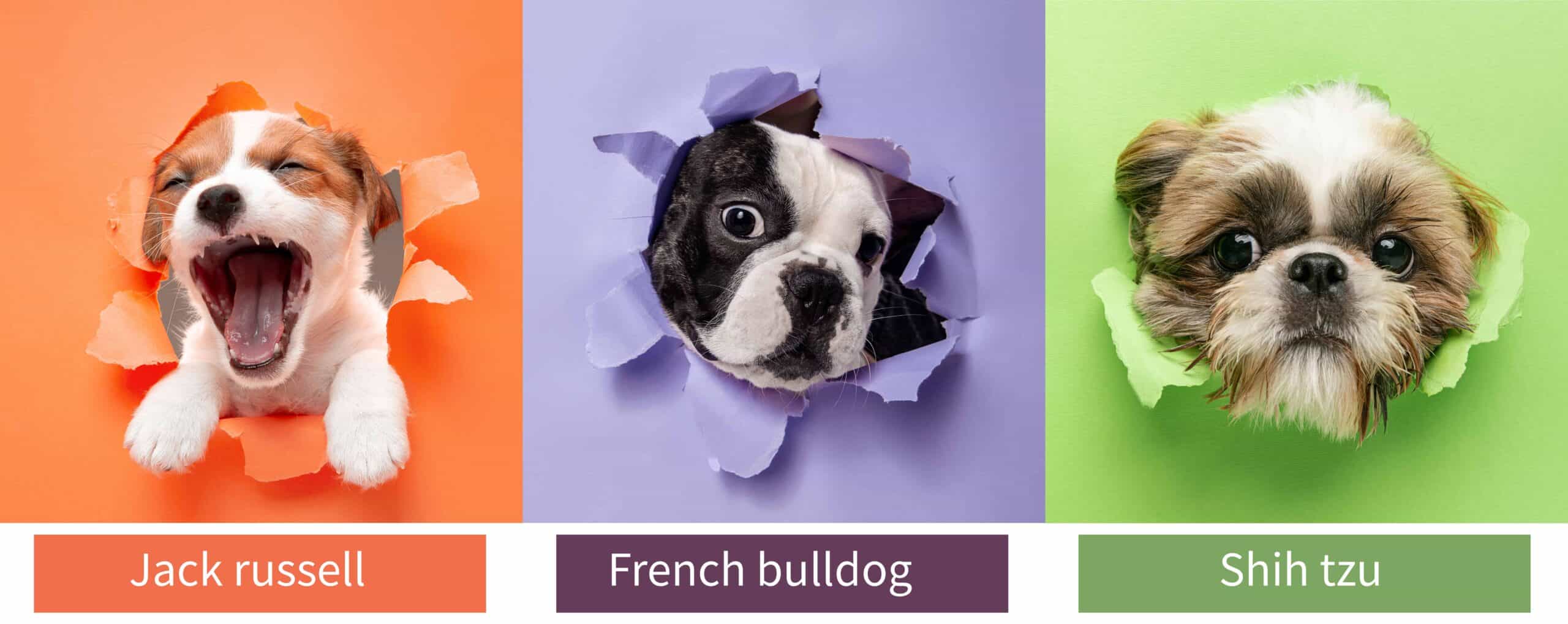
Looking for a low-maintenance canine companion? Popular small dog breeds are the way to go.
From Beagles to Yorkies, popular small dog breeds are perfect for apartment living and make great lap dogs. Small breeds typically have friendly temperaments.
Keep reading to discover the 15 most popular small dog breeds and find the perfect match for you.
Alaskan Klee Kai
- Alaskan Klee Kai
- Beagle
- Bichon frisé
- Boston Terrier
- Havanese
- Jack Russell Terrier
- Japanese Chin
- Pekingese
- Pembroke Welsh Corgi
- Shih Tzu
- Toy Poodle
- Yorkshire Terrier
- Health and wellness
- Training and socialization tips for small dogs
- Adoption and rescue resources
- Lifestyle matchmaking
- A quick comparison
- Final thoughts on popular small dog breeds
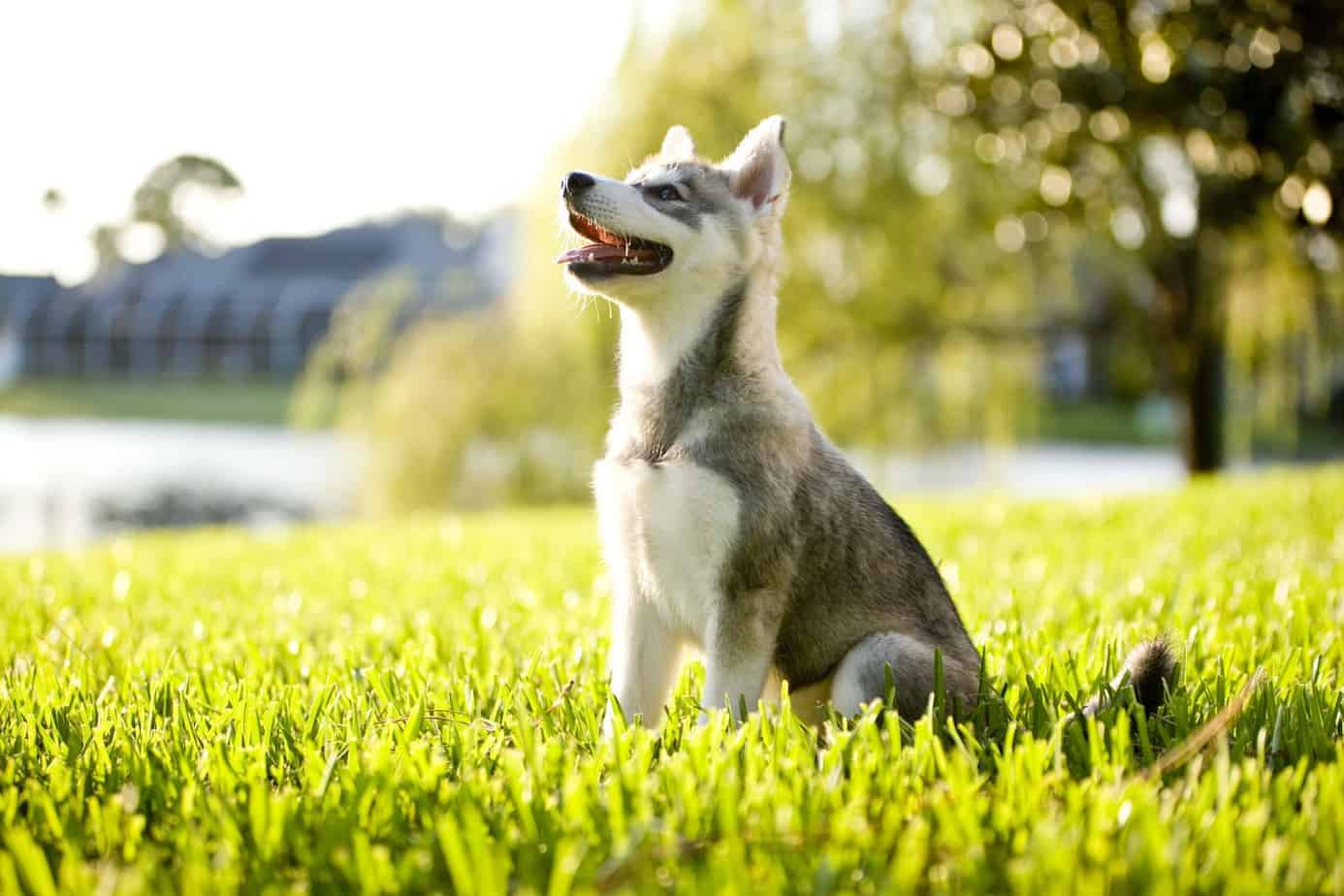
If you’re looking for a small dog with all the beauty and grace of a Husky, you’ll want to learn more about the Alaskan Klee Kai.
This relatively new breed originated in Alaska in the 1970s and has since become a popular companion dog thanks to its striking coat, mesmerizing eyes, and impressive face mask.
This breed was developed in Alaska in the 20th century and is related to the Alaskan Husky and Siberian Husky.
However, unlike those breeds, the Alaskan Klee Kai was bred as a companion dog.
This breed stands between 13 and 17 inches tall and weighs 10 to 20 pounds.
The dogs come in various colors: black and white, grey and white, red and white, and white. There are subcategories within those four primary colors.
Their eyes can be blue, brown, or green. The dogs can be bi-eyed or parti-eyed and look like they have a facial mask like their larger husky cousins.
Beagle
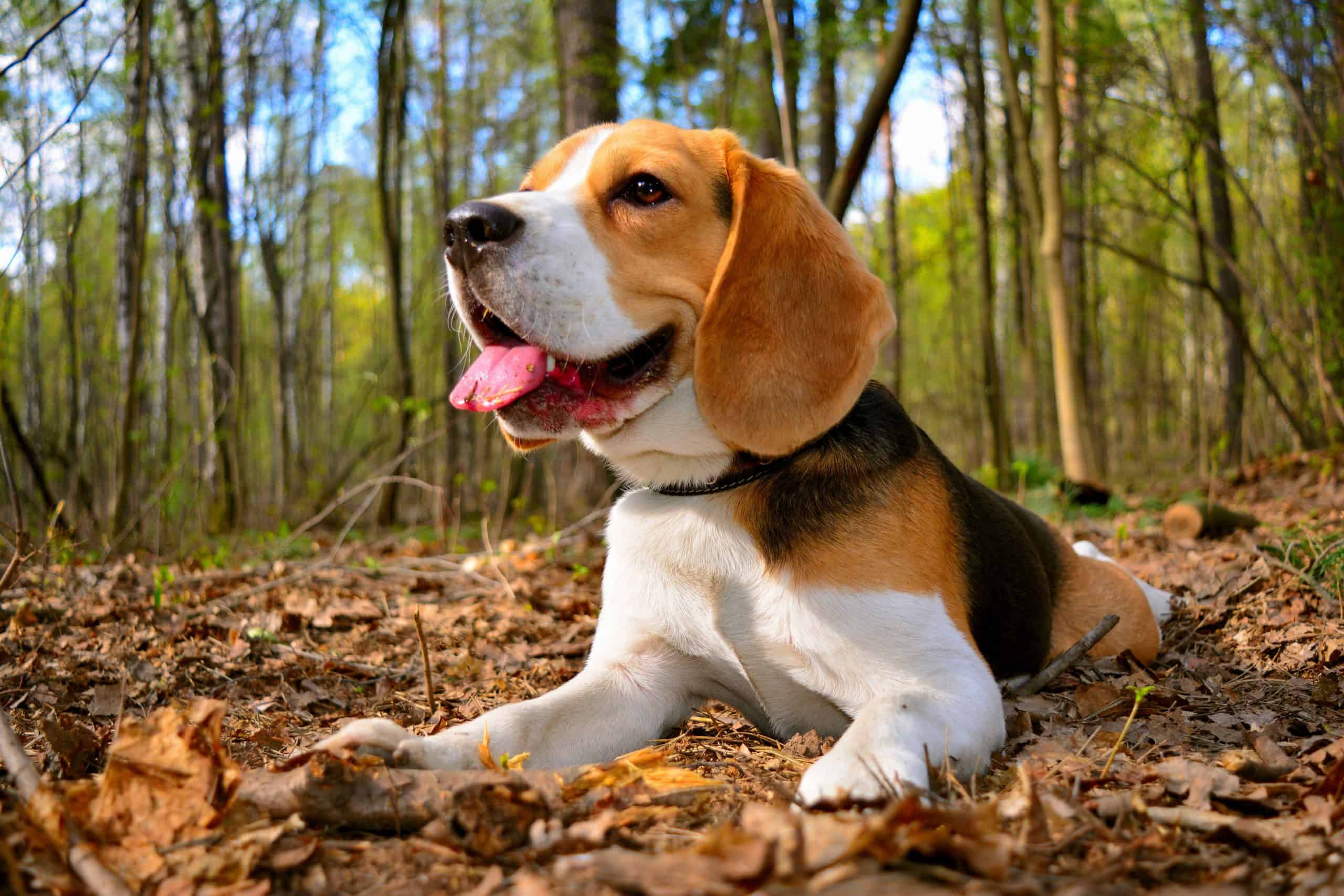
Beagles are popular dogs because they’re friendly, lovable, and have a distinct look.
Today’s Beagles still share many traits with their ancestors, including their trademark long, floppy ears.
A Beagle is ideal if you’re looking for a small dog with a big personality.
Beagles are an excellent breed for those looking for an all-around companion dog. They are merry little dogs that are friendly and social, making them ideal for families.
Beagles typically stand between 13 and 15 inches at shoulder height, with pocket beagles slightly smaller at 7 to 12 inches.
The dogs have a keen sense of smell and can work as detection dogs. Beagles also work as drug and termite sniffers and therapy animals.
Supervise your Beagle during outdoor playtime, and ensure that all fences and gates are secure.
This breed is known for being an escape artist, especially when a bunny or squirrel is in sight. Once your Beagle catches a scent, he’ll be hard to stop.
Bichon frisé
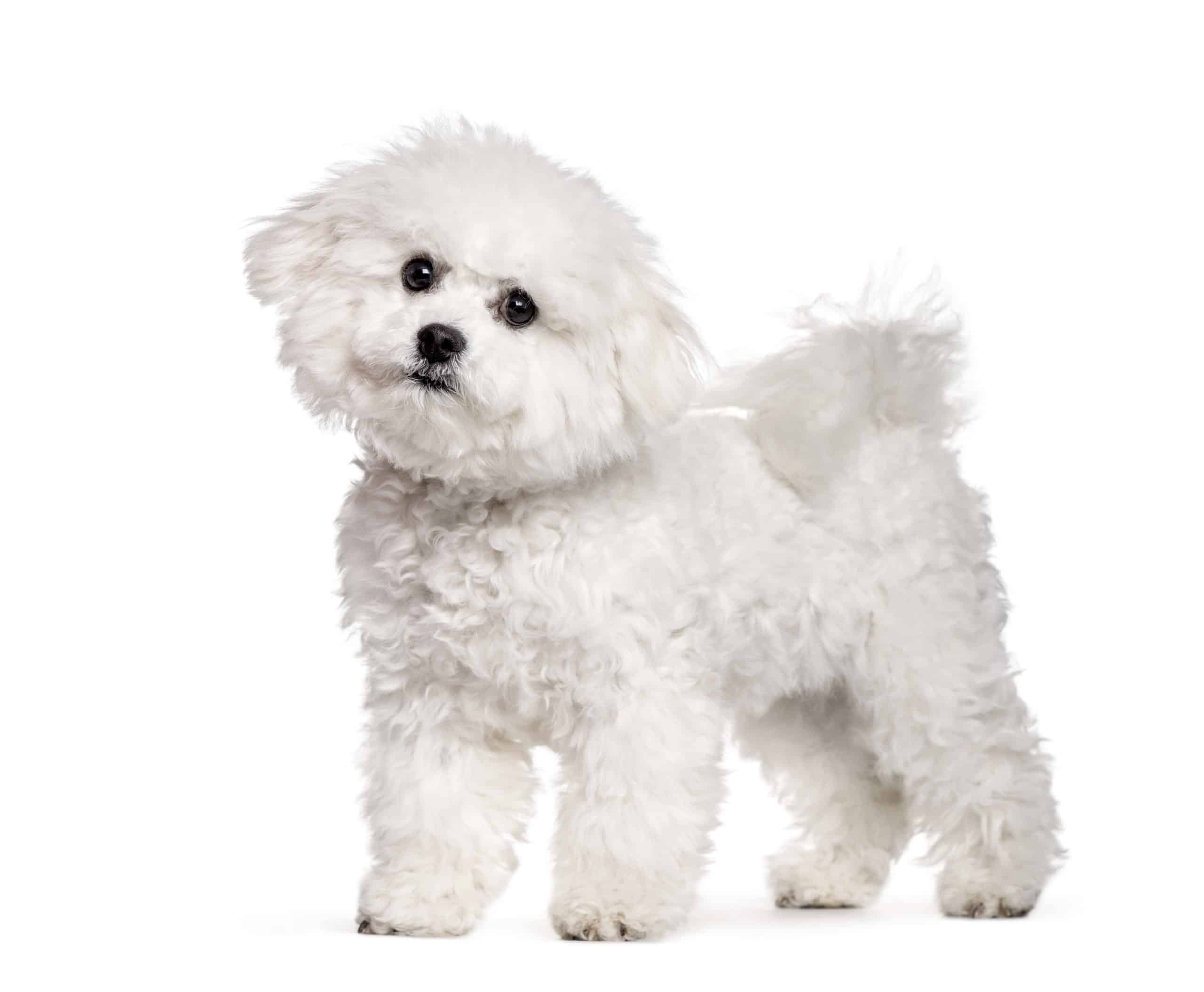
The Bichon Frisé is a small, cheerful dog breed that loves to cuddle.
They are easy to train, good with children and other dogs, and have a typical lifespan of 15 years.
Bichons are generally healthy dogs but can be susceptible to health conditions such as allergies, bladder infections, luxating patella, cataracts, or other eye diseases.
The Bichon Frisé is a small, cheerful dog that loves being with its family.
They can be difficult to housebreak but respond to positive reinforcement training methods.
Bichons are intelligent and love learning new tricks.
If you choose this option of the most popular small dog breeds, you must plan to spend quality time with your dog daily to avoid behavioral issues.
Boston Terrier

Do you love small dogs with big personalities? Then, the Boston Terrier is the perfect breed for you.
These pups are full of energy and love to play. They’re also intelligent and easily trained.
Boston Terriers are among the most popular small dog breeds and make great family pets. If you’re looking for a loyal, loving companion, look no further than the Boston Terrier.
Boston Terriers weigh around 25 pounds, and these small dogs are famous for their curiosity, mischief, and kindness.
This comic dog is fun-loving and likes to please its people.
You’ll need to get some health tests for this breed to ensure your furry friend is perfectly healthy and fit. Take BAER testing, Patella Evaluation, and an ophthalmologist evaluation for your Boston Terrier.
These dogs have beautiful eyes, but caring for them requires special care. They should be constantly checked for irritation and redness. Saline eye drops are essential for owners to flush out all dust and debris to prevent eye irritation.
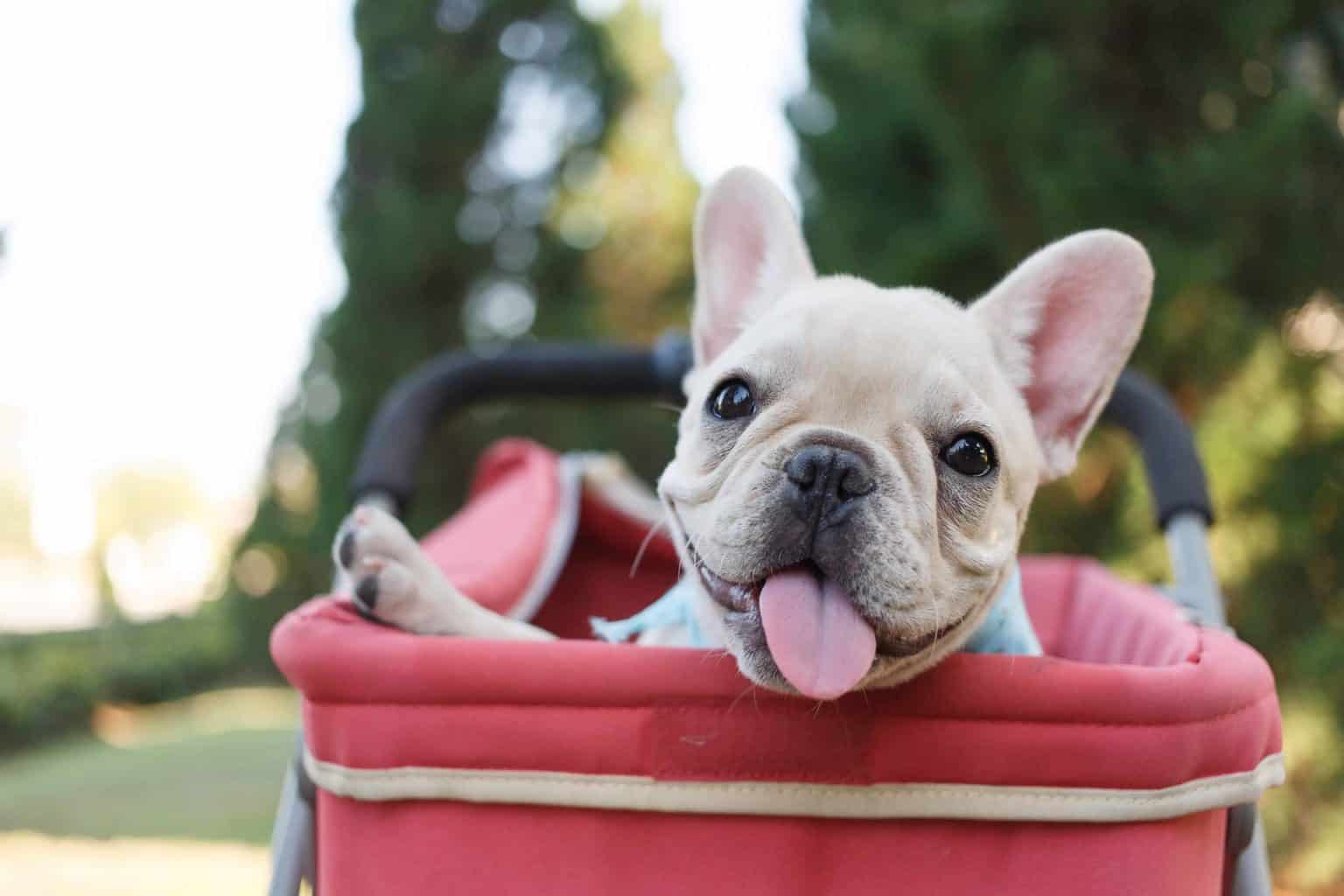
The French bulldog is a small dog that has been around for centuries. These dogs are known for their large bat ears and domed skulls.
The French bulldog might be your perfect breed if you’re looking for a small dog with a big personality.
But be warned, French Bulldogs are prone to developing severe health issues, including digestive and skin disorders and chronic eye problems.
Respiratory ailments, in particular, are very problematic. That cute muzzle causes severe breathing problems. More than 60% of the dogs of this breed have excessively tight nostrils that make life uncomfortable.
Physically, these dogs are shorter and bulky. An adult French bulldog weighs about 10-12 pounds on average.
French bulldog puppies tend to be affectionate and lovable.
This popular tiny dog breed is friendly and curious.
Havanese

A Havanese is an excellent option if you’re looking for a small but sturdy dog with a hypoallergenic coat. These pups are known for their cheerful dispositions and make great life companions.
Spirited, curious, active, and sweet, the national dog of Cuba is becoming one of the most popular small dog breeds in the United States.
These pups are considered a toy dog breed, but they’re not overly delicate. They’re also moderately boned, which means they’re strong enough to handle some roughhousing.
These pups are great with children and strangers alike, and because they’re smart, they’re easy to train.
Remember that they need plenty of attention and exercise; if left alone for too long, they can become troublemakers.
Havanese are prone to severe health conditions, including joint problems such as hip dysplasia, chondrodysplasia, patellar luxation, and Legg Perthes.
The breed also tends to experience liver shunt disorders, cataracts, and cherry eye and is prone to deafness.
Jack Russell Terrier
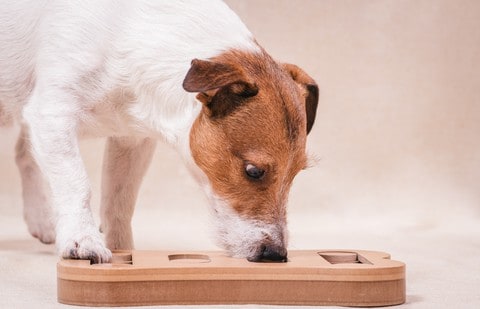
The Jack Russell Terrier is an energetic, happy, hardworking breed well-known for its many classic terrier traits.
These traits include excessive barking, willfulness, apprehension of strangers, aggression, and jealousy.
Although this popular small dog breed is generally unsuitable for homes with children or other animals, its big personality often makes up for it.
The Jack Russell Terrier is the perfect breed for an active person. They love to play fetch and go on long walks or hikes.
If you’re considering a Jack Russell, remember that they require attention and exercise. The dogs are known to be explorers, so having a safe space to run is essential.
Jack Russells are quick learners, but they need persistence and patience.
These dogs were bred for hunting and are energetic and intelligent. They are problem solvers and love playing games, so keep training sessions short and fun.
This popular small dog breed excels in canine sports like agility, flyball, obedience, rally, and lure coursing.
Most Jack Russell Terriers are healthy and happy little dogs. However, they can be prone to health conditions such as patellar luxation (loose kneecaps), deafness, and eye disease.
Japanese Chin
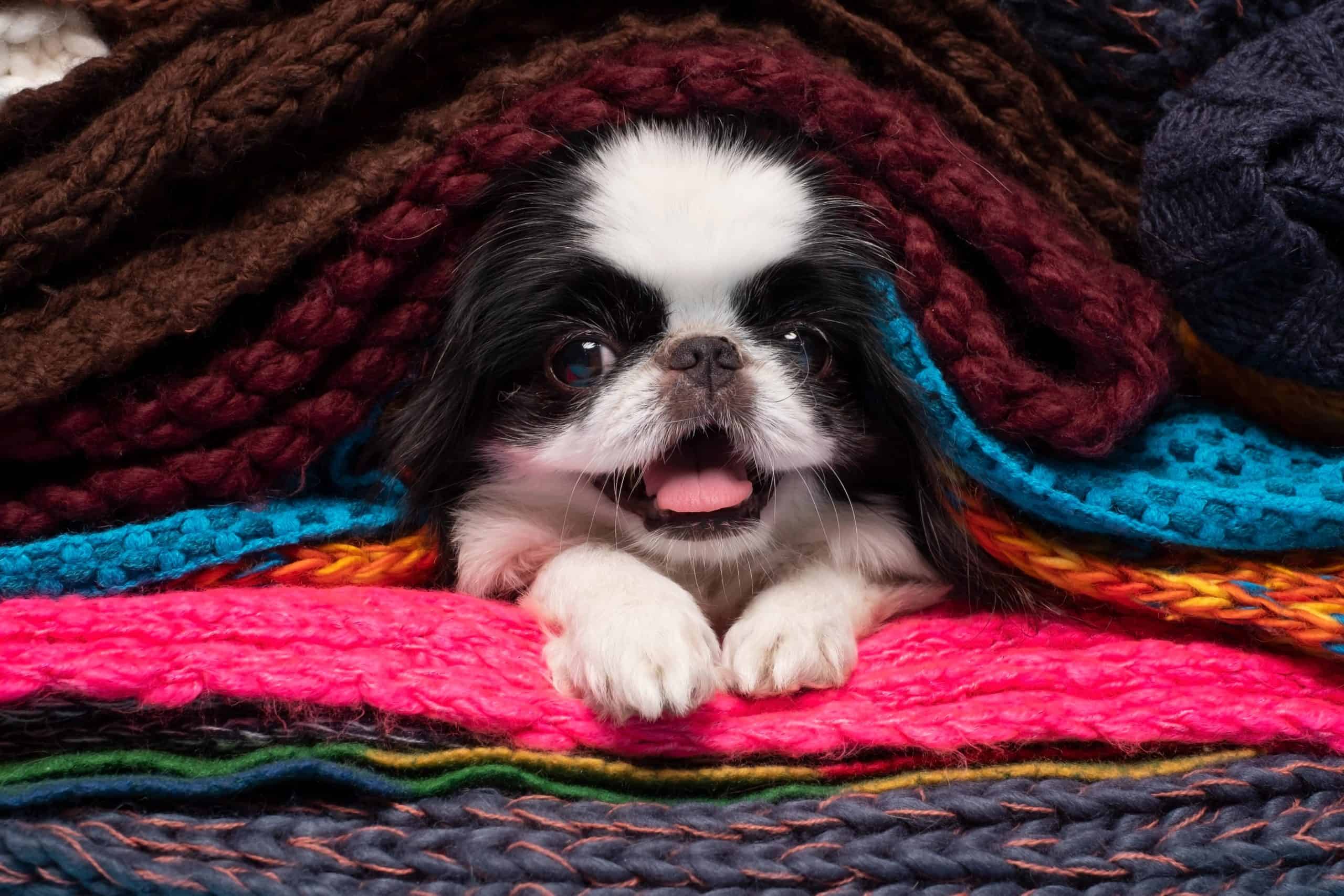
The Japanese Chin needs minimal exercise. Following you around as you move from room to room is probably enough for them.
Although your Chin will enjoy daily outings with you, they would hate belonging to an owner who expects jogging or vigorous frisbee games.
Your Chin’s two favorite activities are catching up on beauty sleep and cuddling with you on the couch while you read or watch TV.
The Japanese Chin will probably not wake you at dawn to go out or bother you with other demands, just as your movie gets interesting.
A Chin will accommodate you if you enjoy your sleep and quiet entertainment. After all, these dogs once spent time with monks while they meditated.
Training a Chin can be a fun and rewarding experience for you and your pet.
Bred as companions for royalty, these charming little dogs have a history of bringing joy and comfort to their humans. They often are called “catlike,” and this trait can undoubtedly be visible during training.
Chins respond well to positive training methods but will quickly lose interest if they sense any harshness from their trainer. Keeping training sessions interesting and fun is essential to maintaining your Chin’s attention. They love learning new tricks to perform for adoring fans.
The Japanese Chin is a generally healthy breed but can suffer from health issues such as luxating patellas (slipping kneecaps), cataracts, epilepsy, and early-onset heart murmurs. These small dogs also can be affected by a fatal neurological condition called GM2 gangliosidosis or Tay-Sachs disease.
Lhasa Apso
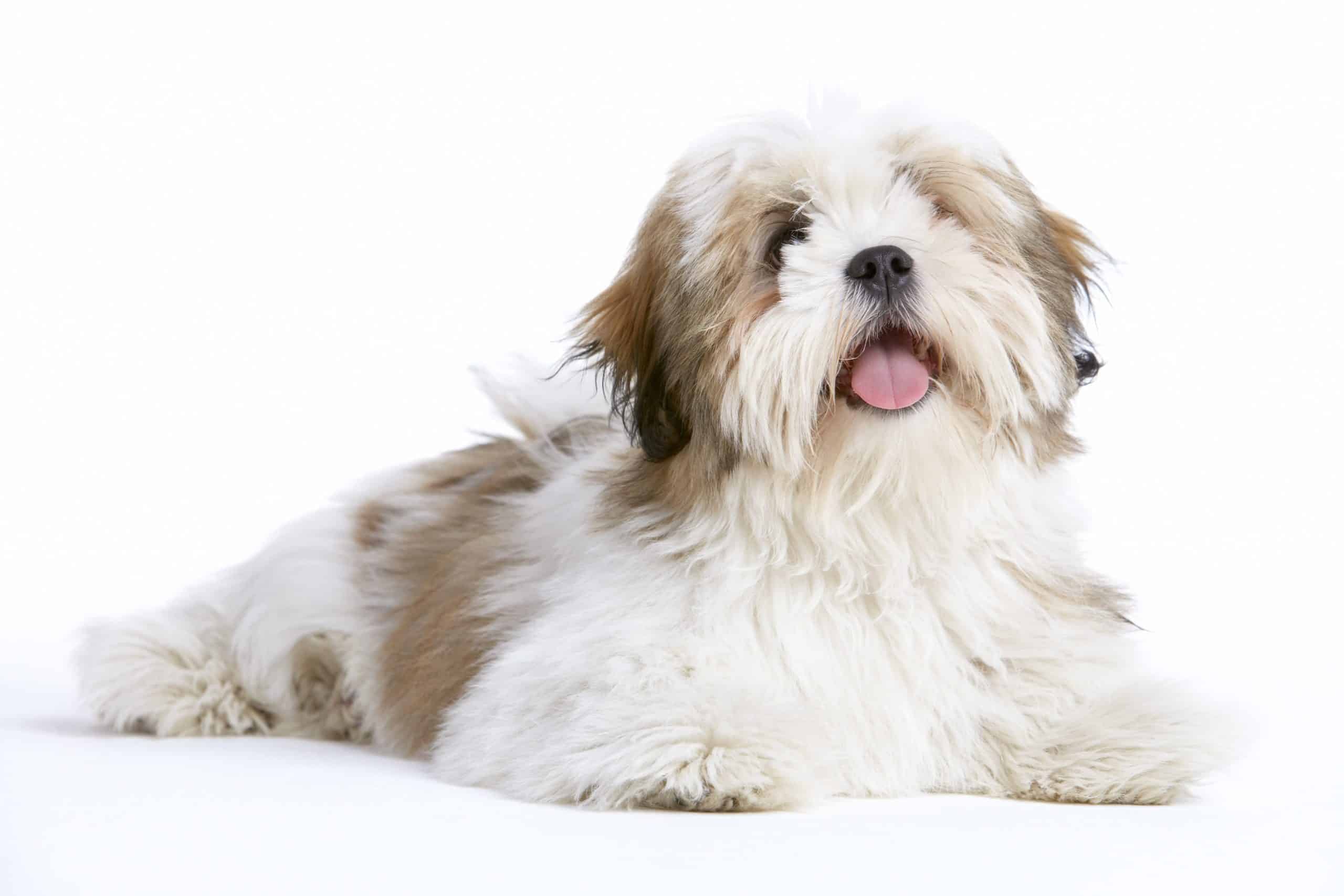
The Lhasa Apso is funny, cheerful, and eager to please. They have a long history of being used as tiny guard dogs.
Moreover, the dog breed also makes an excellent hearing dog for people with hearing loss.
Named after the sacred city of Lhasa, these dogs were the indoor watchdogs of temples. DNA evidence shows that Lhasa Apso is an ancient line closely related to the wolf.
Lhasa Apsos are intelligent dogs that can learn just about anything if it is interesting enough to them.
However, this popular small dog breed does not appreciate repetitive drills and can become stubborn if bullied or badgered.
Most cases of unacceptable Lhasa behavior involve inconsistent, improper, or nonexistent human leadership.
The Lhasa Apso is a resilient breed of dog that is generally healthy. One of the most severe health problems affecting this breed is hereditary kidney dysfunction, which can present in mild to severe forms.
Other common health conditions include dry eye, progressive retinal atrophy (PRA), slipping stifles, hip dysplasia, and cherry eye.
Pekingese
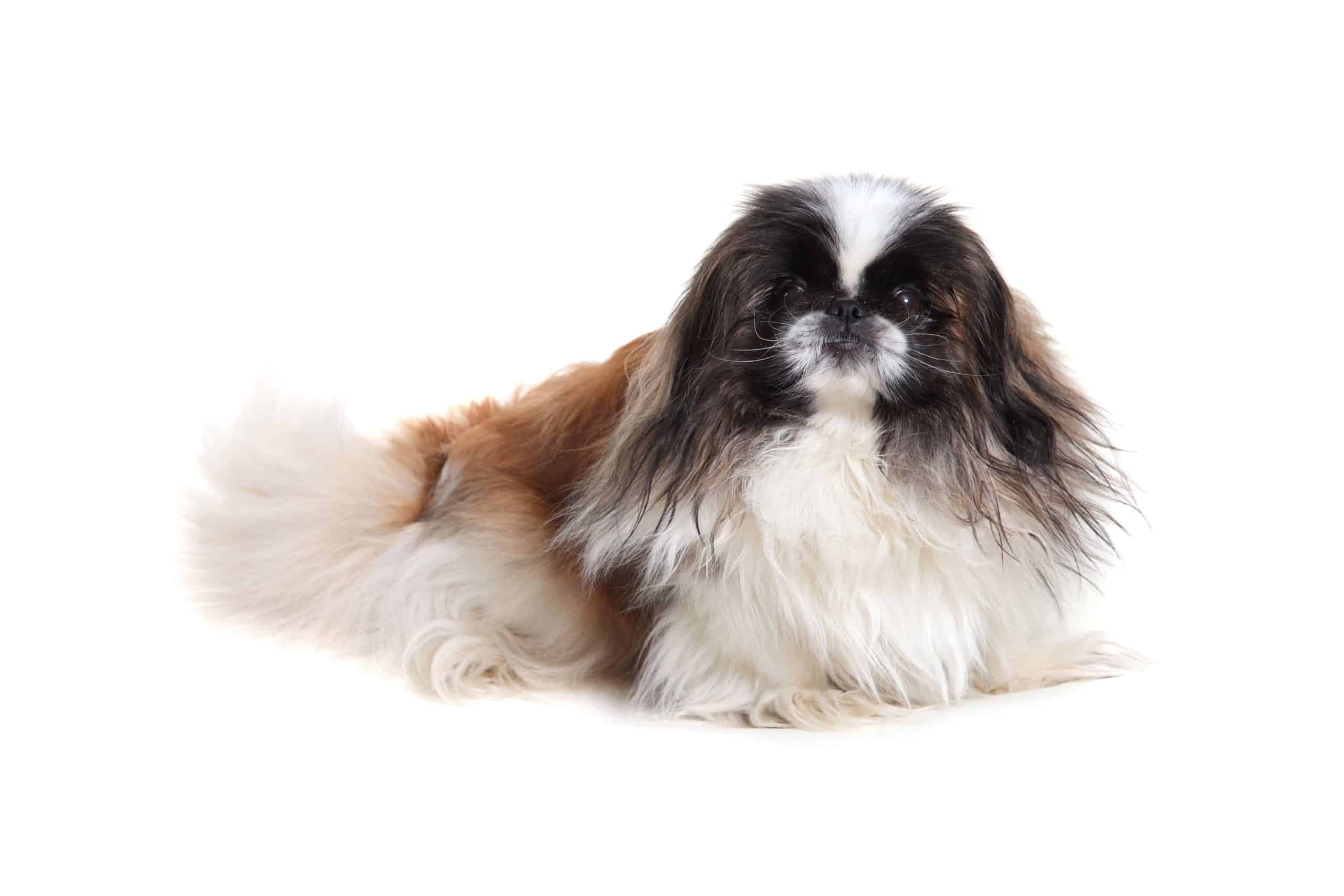
The Pekingese dog is a regal breed with a long history.
First bred for Chinese royalty, the Pekingese is named after Peking (now Beijing), China’s capital city.
Also known as a lion dog, the Pekingese comes from the legendary woolly dogs of Tibet and has a strong connection to the Tang dynasty.
An adult Pekingese is usually calm but needs daily walks like any other dog. However, because of the breed’s small size and flat snout, keep walks short — 15 to 20 minutes — and at a slow pace.
It’s also important to be cautious when walking in extreme cold or heat, as Pekingese are susceptible to heatstroke.
Pekes are intelligent, friendly dogs that bond quickly with their owners. They are alert and make good watchdogs but can also be stubborn.
A hallmark of the breed is their friendly, outgoing, loving personality. Pekes are affectionate and intelligent; while dogs might tolerate children, don’t let them roughhouse with these tiny dogs.
When choosing a Pekingese, picking one with wide-open nostrils and a moderate-sized nose is essential.
Because they don’t have a long muzzle, Pekingese are susceptible to eye injuries. It is vital to ensure their environment is safe and that nothing could potentially hurt their eyes.
Pekingese enjoy cold temperatures, so some owners travel with them on ice packs or an ice pillow.
Pembroke Welsh Corgi
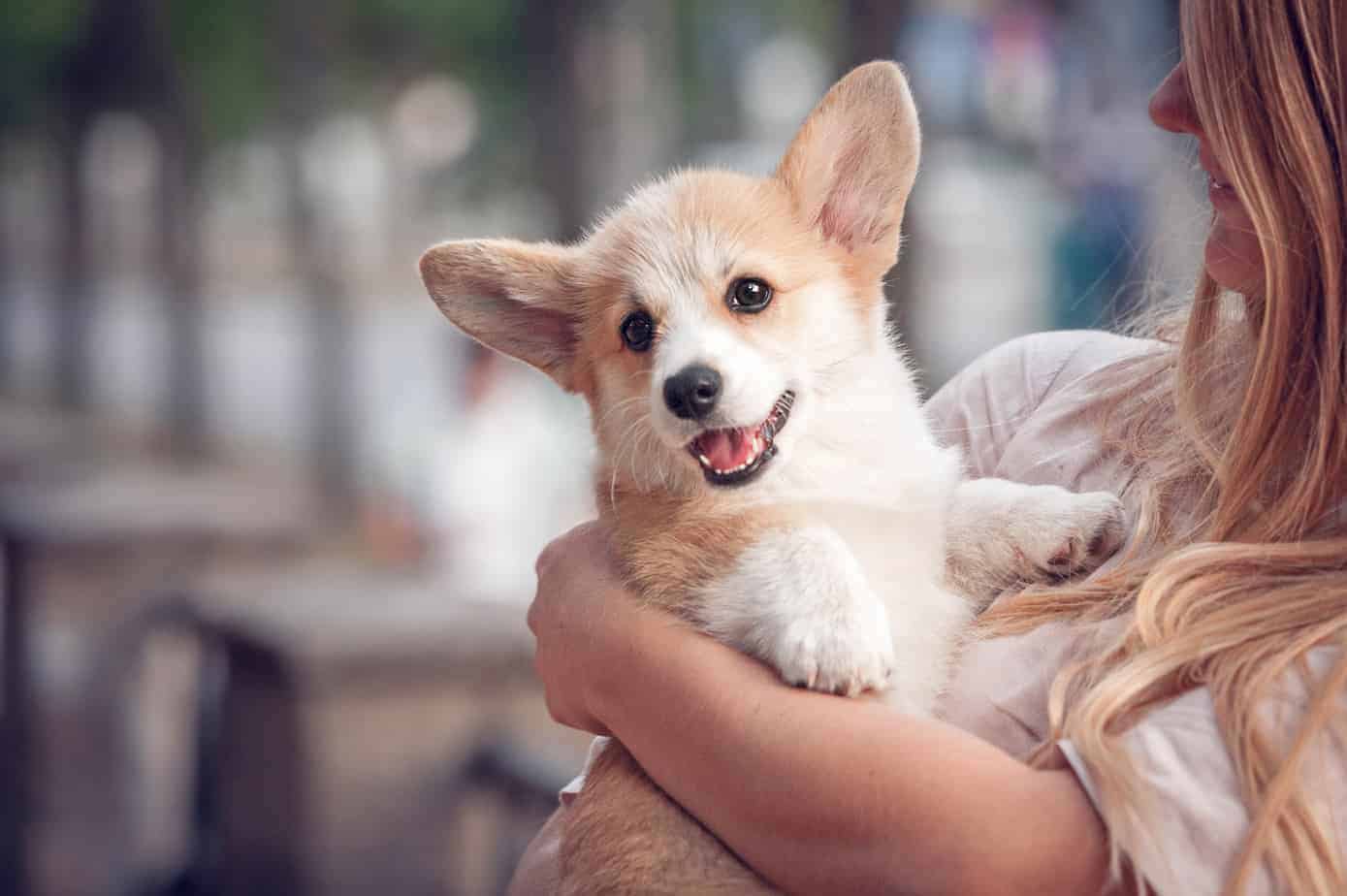
Pembroke Welsh Corgis make great lap dogs and are very lively herders.
This popular small dog breed has been a royal favorite for decades.
Queen Elizabeth II owned more than 30 corgis during her reign.
A Pembroke Welsh Corgi is companionable and affectionate without being clingy.
Corgis are small but mighty dogs that love to stay active.
They come in multiple coat colors, including red, sable, fawn, black, and tan, with or without white markings.
These intelligent, curious dogs respond well to training and make great companions for those who enjoy an active lifestyle.
Pembrokes are generally healthy dogs, but they can be prone to elbow and hip dysplasia, eye disorders, cardiac problems, degenerative myelopathy, and von Willebrand’s disease, a bleeding disorder.
To help keep your Pembroke in top shape, check their ears weekly for signs of infection.
Pug
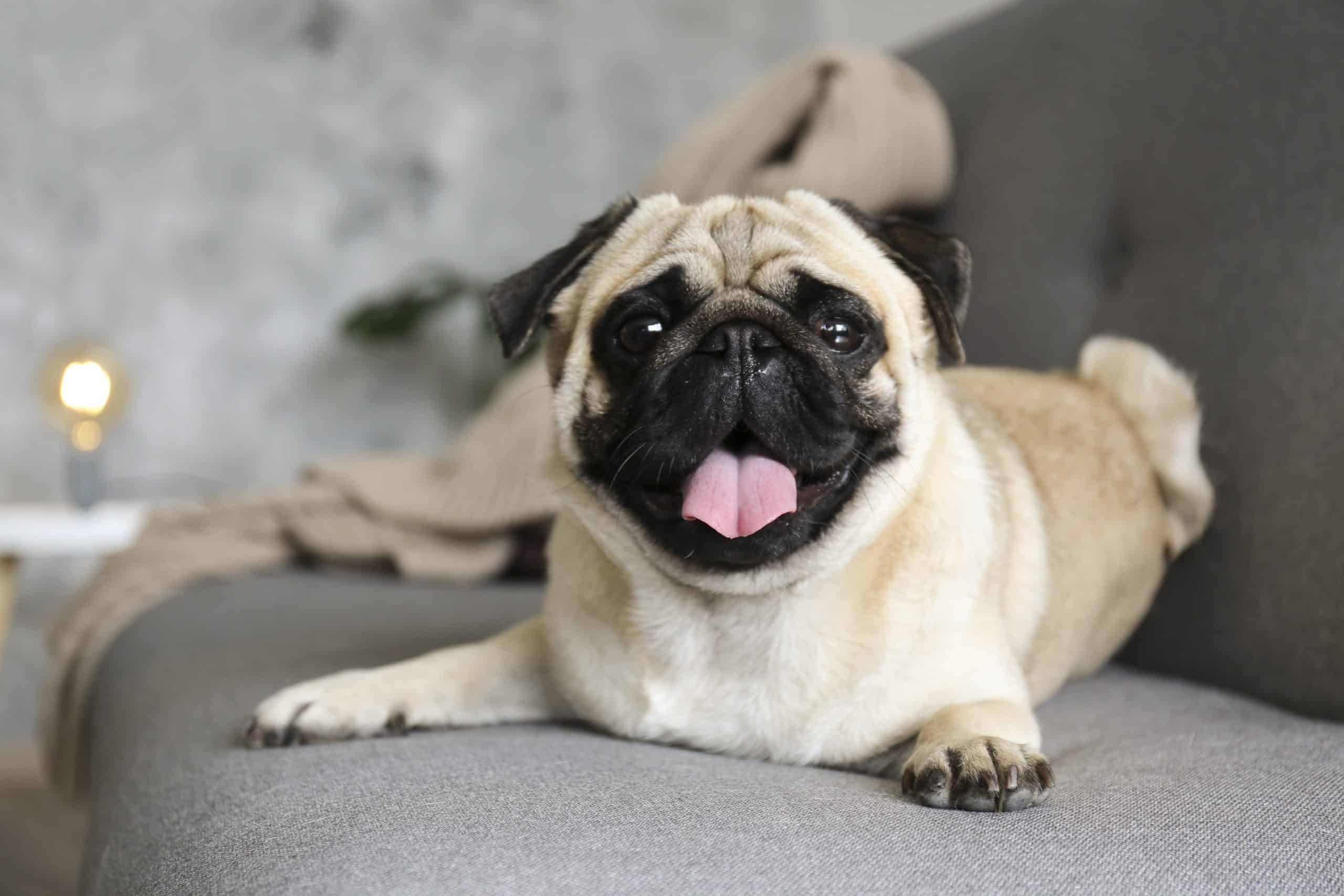
Pugs are known for their fun-loving and light-hearted nature. If you’re considering adopting a pug, here are five reasons they might be the right dog breed.
Pugs:
- Have a great sense of humor.
- Are easy to train.
- Make great companion dogs.
- Are relatively low-maintenance.
- Adapt well to different types of homes and families.
Although they are athletic for their size, they don’t require as much exercise as some larger breeds, and they can happily lounge around the house for 14 hours a day.
Pugs love attention and demand to be cuddled, whether just waking up or winding down from a play session.
The Pug’s eyes are one of his most appealing features, but they can also be a weak spot. Pugs often experience eye problems like corneal ulcers and dry eye.
Like all flat-faced breeds, Pugs sometimes have trouble breathing and don’t do well in extremely hot or humid weather.
Shih Tzu
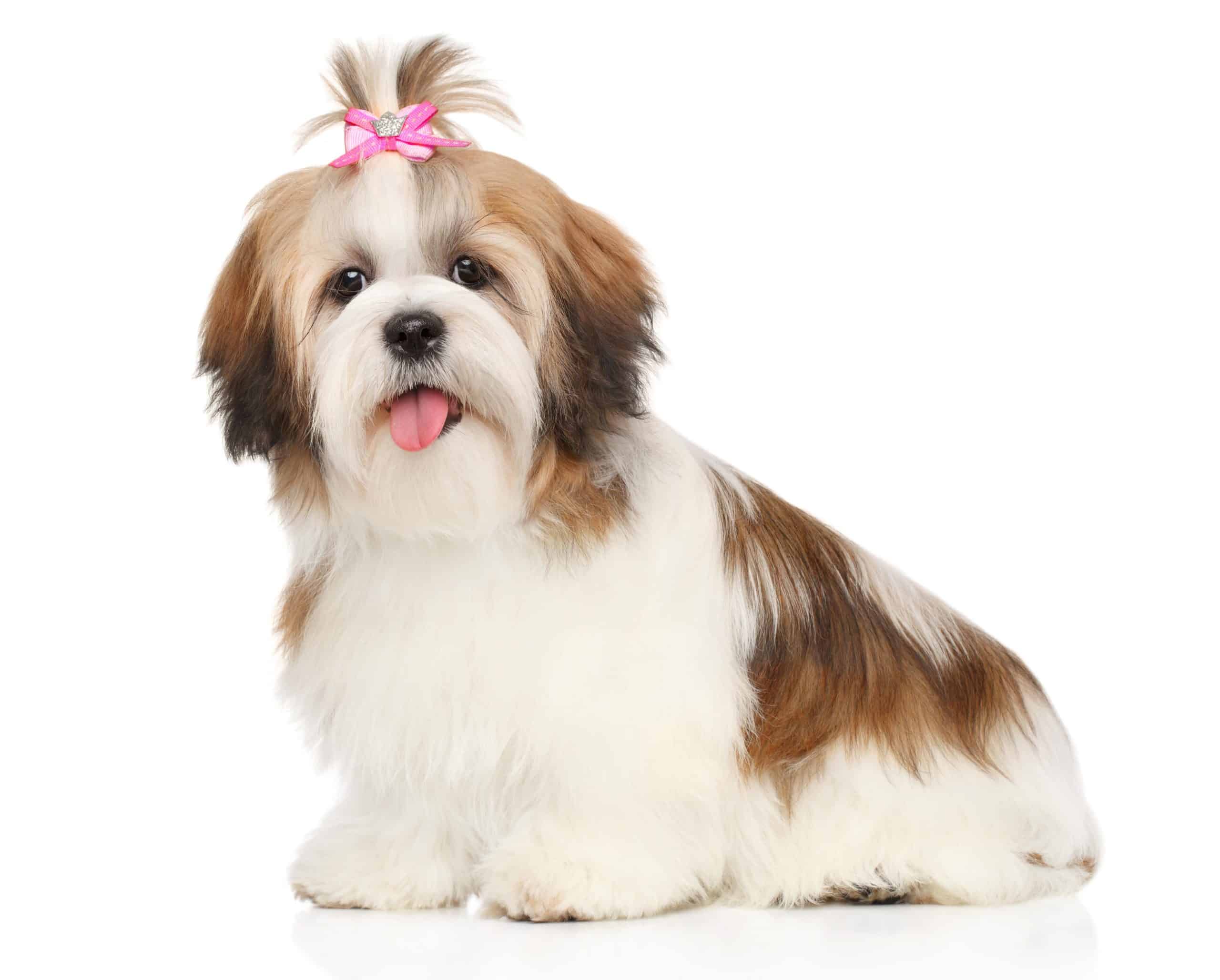
The Shih Tzu is a small, loyal, and cuddly companion dog from China.
The dogs were bred by 17th-century Chinese royalty and named “lion dogs” due to their mane-like hair.
Shih Tzus also were associated with a deity by the ancient Tibetans.
Today, they remain one of the most popular small dog breeds.
Shih Tzus are known for their loyalty and loving nature, making great companions. They are relatively small, growing to only 12 inches tall and weighing no more than 16 pounds.
One of the best things about Shih Tzus is that they mature quickly, reaching adult size within the first year, so you won’t have to deal with much puppy energy for long.
Adult Shih Tzus are sturdy, with short muzzles and round heads. They also have the most adorable wide, round eyes that will melt your heart.
These little powderpuffs have a long, swift gait typical of much larger dogs. They don’t require much exercise and are content to lounge around.
Shih Tzus are beautiful dogs, but their long hair can lead to health problems. The most common issue is eye infections, caused by the hair irritating the eyes.
To prevent this, owners should regularly trim the dog’s hair and clean its eyes. Other health issues include allergies, thyroid disorders, renal and hip dysplasia, and liver shunt.
Toy Poodle
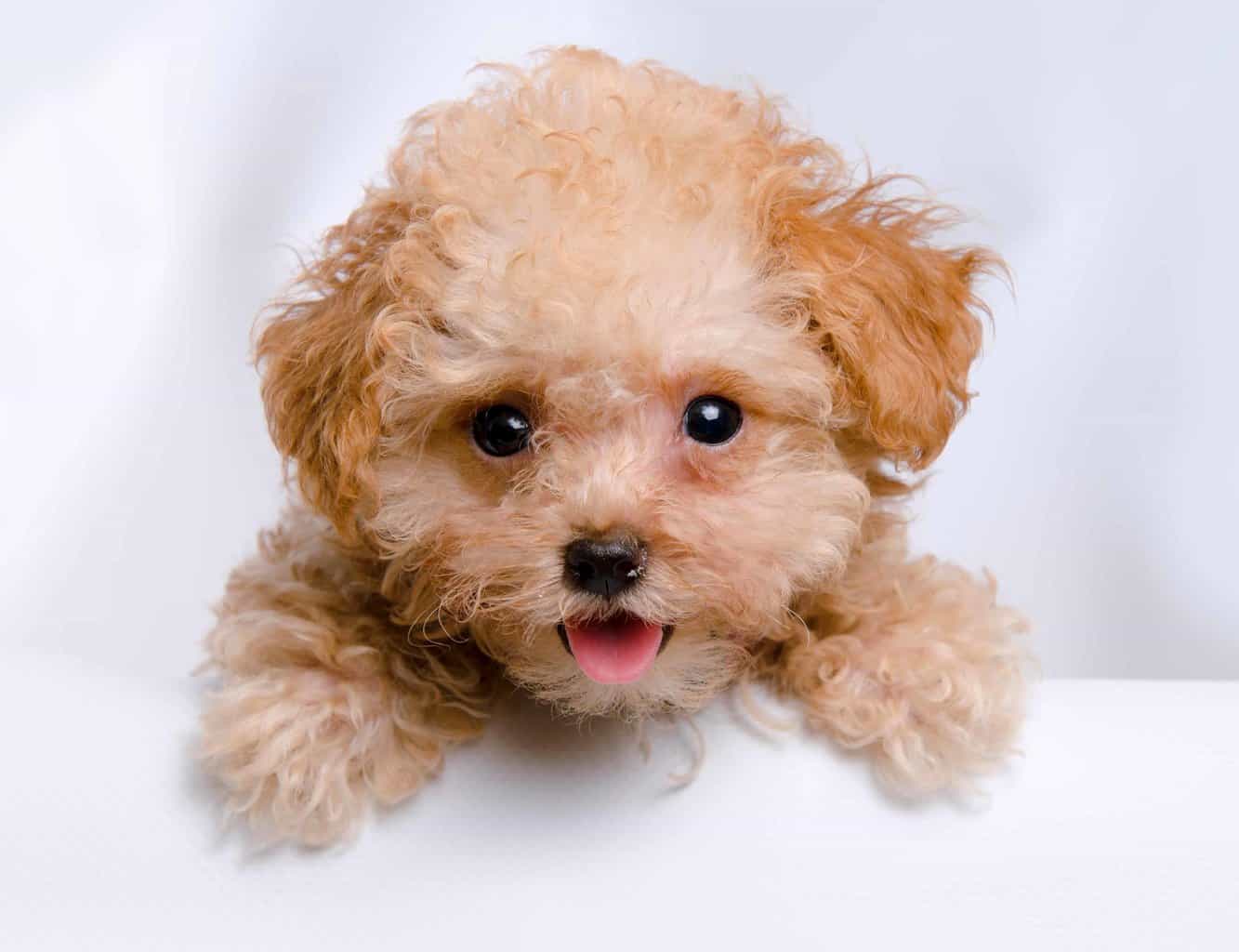
The Toy Poodle is a perfect choice if you’re looking for a small dog breed that is intelligent and easy to train.
This toy breed is also hardworking and popular across the globe.
This miniature poodle breed is highly adaptable to all environments, cat-friendly, and has fewer health issues. They are devoted to their family and need affection at all times.
Poodles are best suited as companion dogs since they do poorly when left alone. Being isolated can cause them to become stressed and timid, leading to stomach problems.
Poodles are prone to anxiety, and if left by themselves for extended periods, they may start to display separation anxiety through destructive behaviors such as chewing and soiling.
Poodles risk developing cancer, liver disease, and even cardiac arrest. Addison’s Disease and Gastric Dilation Volvulus are also potential health concerns for this breed.
Yorkshire Terrier
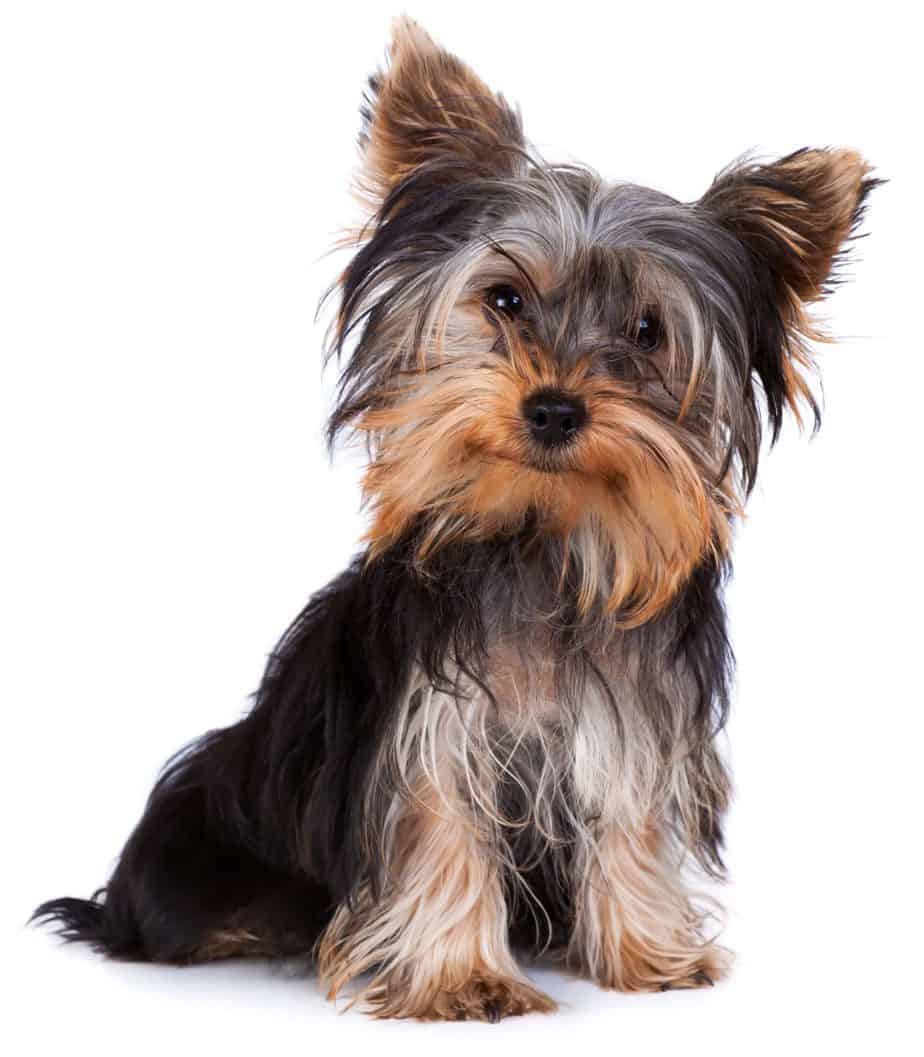
Yorkshire Terriers, or Yorkies, are small toy dogs that are affectionate and energetic.
They typically weigh no more than 7 pounds, making them easy to carry around wherever you go.
Yorkies exhibit terrier traits of being brave, feisty, bossy, and tenacious.
A silky smooth coat, often grey or tan, characterizes this popular small dog breed. They require occasional brushing to keep their coats looking their best.
Yorkshire terriers are also known for their friendly habits and high spirits.
Despite their small size and origins as rat-catching dogs, they are excellent watchdogs.
They are intelligent and can be stubborn, but they are also affectionate.
Yorkies generally don’t do well with small children because these tiny dogs are fragile and can easily be injured by roughhousing.
Yorkshire Terriers are especially susceptible to developing diseases and injuries related to their bones and muscles (Yorkies often suffer herniated discs).
Many Yorkshire Terrier owners like to dress their dogs up in clothing. This is not only for fashion but also to keep the dogs warm, as they don’t do well in cold climates. Other common ailments among this breed are early tooth loss, stomach problems, and difficulties during birth.
If you notice any unusual symptoms in your dog, visit your vet. Some specific health concerns to be aware of include:
- Eye problems
- Periodontal disease
- Slipped kneecap (patellar luxation)
- Hip problems
- Spine problems
- Retained or undescended testicles
- Liver disease
- Progressive retinal atrophy
- Heart disease
- Spine problems
Health and wellness
Training and socialization tips for small dogs
Do: Start early and stay consistent
Don’t: Enable small dog syndrome
Do: Use positive reinforcement
Don’t: Skip leash training
Do: Address barking early
Adoption and rescue resources
Lifestyle matchmaking
Active owners
Apartment dwellers
Families with children
First-time dog owners
Lap dogs
Alert watchdogs
Low-maintenance grooming
Allergy sufferers
A quick comparison
Alaskan Klee Kai
Beagle
Bichon Frise
Boston Terrier
French Bulldog
Havanese
Jack Russell Terrier
Japanese Chin
Lhasa Apso
Pekingese
Pembroke Welsh Corgi
Pug
Shih Tzu
Toy Poodle
Yorkshire Terrier
Final thoughts on popular small dog breeds
There are so many small dog breeds that it can be hard to decide which is right for your family. To help narrow down your choices, consider our list of the most popular small dog breeds.
From high-energy dogs that need lots of exercise to low-maintenance pups that are content lounging around the house, there’s sure to be a breed on this list that’s perfect for you.
Despite their small stature, compact dogs make great watchdogs.
Even better, these small dogs are perfect for small apartments because they are easy to care for and don’t need much space.
 Sara B. Hansen has spent 20-plus years as a professional editor and writer. She’s also the author of The Complete Guide to Cocker Spaniels. She decided to create her dream job by launching DogsBestLife.com in 2011. Sara grew up with family dogs, and since she bought her first house, she’s had a furry companion or two to help make it a home. She shares her heart and home with Nutmeg, a Pembroke Welsh Corgi. Her previous dogs: Sydney (September 2008-April 2020), Finley (November 1993-January 2008), and Browning (May 1993-November 2007). You can reach Sara @ editor@dogsbestlife.com.