
Could a Russian Tsvetnaya Bolonka be the most lovable breed you’ve never heard of?

There’s a tiny, curly-coated dog trotting around that most people have never heard of, and that’s a genuine shame.
The Russian Tsvetnaya Bolonka isn’t just another lap dog. It’s a dog with history, personality, and a level of charm that frankly makes larger breeds look like they’re not even trying.
Maybe you stumbled on one at the park and did a double-take.
Maybe a photo on social media sent you down a rabbit hole at midnight. Either way, you’re here now, and you probably feel a combination of excitement and confusion. Is this breed real?
Why haven’t I seen one before? Could this actually be the right dog for me? Those questions are completely valid.
This breed is rare, sometimes misunderstood, and underrepresented in mainstream dog culture. The confusion makes total sense.
This guide covers everything from where the Bolonka came from to what it actually takes to own one. Let’s get into it.
Is a Bolonka right for you? A quick checklist
- Is a Bolonka right for you? A quick checklist
- History and origin of the breed
- Physical traits and appearance
- Temperament and personality
- Common health conditions
- Energy levels and exercise needs
- Training challenges and tips
- Ideal living environment
- Grooming and care requirements
- Suitability as a family pet
- Comparison with similar breeds
- Common misconceptions
- Rescue and adoption info
- Tips for finding a Russian Tsvetnaya Bolonka
- Final thoughts on the Russian Tsvetnaya Bolonka
- Do you want a small, people-oriented dog who will want to be with you most of the time?
- Can someone in your household provide daily companionship (not left alone for long workdays)?
- Are you prepared for regular grooming, brushing several times a week, and professional grooming every 6–8 weeks?
- Are you looking for a companion, not a watchdog or working dog?
- Are you able to provide daily walks and mental stimulation?
- Will you use positive reinforcement for training and avoid harsh corrections?
- Are you comfortable with a breed that rarely sheds, but is not truly hypoallergenic?
- Can you commit to regular veterinary care, including dental cleaning?
- Is your home safe for a toy breed (supervised with toddlers, safe from falls)?
- Are you patient? Will you wait for the right breeder or rescue, if needed?
If you answered “yes” to most of these questions, the Russian Tsvetnaya Bolonka might be the perfect fit. If not, keep reading to learn more before making a decision.
History and origin of the breed
The Tsvetnaya Bolonka (“colored lap dog” in Russian) has a surprisingly dramatic backstory.
Small companion dogs arrived in Russia as gifts from French royalty during the 18th century, brought over as tokens of diplomacy and status.
These little dogs became fashionable among the Russian aristocracy, but then things got complicated.
After the Russian Revolution and throughout the Soviet era, owning a purely decorative companion dog felt politically inconvenient.
Breeders quietly kept the lines going, working with what they had, such as Toy Poodles, Shih Tzus, French Lapdogs, and other small breeds, developing a distinct Russian companion dog behind closed doors.
The result was the Bolonka: tough, adaptable, and full of personality despite its pampered origins.
The Soviet Union’s love of apartment living actually shaped the breed. Breeders selected specifically for dogs that thrived in small spaces, didn’t bark excessively, and bonded with their families.
The breed didn’t reach Western Europe or North America in any meaningful numbers until after the Soviet collapse.
It’s still rare outside Russia and parts of Europe, which may be why you’re encountering it for the first time right now. The American Kennel Club officially recognized the breed in 2026.
Physical traits and appearance
The Bolonka is a small but sturdy dog, typically weighing between 4.5 and 11 pounds and standing around 9 to 10 inches at the shoulder.
But the first thing you notice isn’t the size; it’s the coat. Loose, soft curls or waves cover the entire body, including the face, giving the dog an almost teddy bear-like appearance.
The coat comes in a range of colors: brown, black, gray, red, and various combinations.
Pure white is excluded from the breed standard, which sets it apart from many other bichon-type dogs.
The eyes are large, dark, and expressive, the kind of eyes that make it very difficult to say no to anything.
The body is compact and well-balanced, and despite its fluffy appearance, the dog moves with surprising agility and purpose.
Temperament and personality
Here’s where the Bolonka truly earns its reputation. These dogs are social, affectionate, and deeply sensitive to human emotion.
They bond closely with their families and tend to follow their people from room to room. They’re curious without being frantic, playful without being exhausting, and gentle without being timid.
They generally do well with children and other pets when properly socialized. They’re not typically aggressive, but they carry themselves with a quiet confidence that keeps them from being pushover dogs.
Think of them as the emotionally intelligent friend who reads the room and adjusts accordingly.
One important note: Bolonki don’t love being left alone for long stretches. They’re companion dogs to their core.
A Bolonka in a home where everyone works 10-hour days is a Bolonka on the path to separation anxiety. If your lifestyle involves long, consistent absences, this may not be the right fit.
However, when you do have to be away, options like hiring a dog walker, arranging doggy daycare, or getting help from friends or family can go a long way toward keeping your Bolonka happy and well-adjusted.
Common health conditions
The Bolonka is generally a healthy breed, partly because Soviet-era breeders prioritized function and hardiness alongside looks. But no breed is free of vulnerabilities.
Watch for patellar luxation, a common knee condition in small dogs in which the kneecap slips out of position.
Heart conditions, including mitral valve disease, also appear in the breed and warrant periodic veterinary monitoring as the dog ages.
Progressive retinal atrophy (PRA) affects the eyes and can lead to vision loss, so responsible breeders test for it.
Dental health deserves serious attention. Small dogs pack a lot of teeth into a small jaw, which can create crowding and accelerate tartar buildup.
Regular brushing and professional cleanings aren’t optional; they’re essential for keeping a Bolonka healthy in the long term. Aim to brush your Bolonka’s teeth daily, or at least several times a week, using a dog-specific toothbrush and toothpaste (never use human toothpaste).
Dental wipes and dental chews can help as a backup, but brushing is most effective. Watch for signs like bad breath, red or bleeding gums, or reluctance to eat; these can signal dental problems that need a vet’s attention.
Scheduling a professional dental cleaning with your veterinarian once a year is a good rule of thumb.
A well-cared-for Bolonka typically lives between 12 and 16 years.
Energy levels and exercise needs
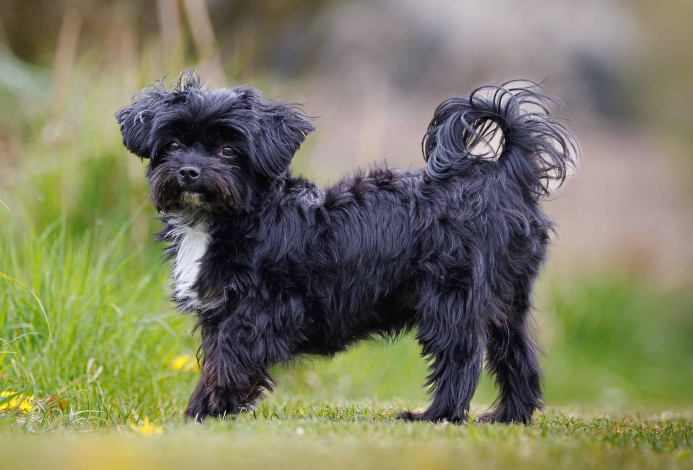
Don’t let the lap dog label fool you. Bolonki are energetic, curious dogs that need regular mental and physical stimulation.
They won’t demand a five-mile run, but two solid walks per day plus active playtime keep them happy and prevent the kind of boredom that turns a well-behaved dog into a creative, destructive one.
Mental exercise matters as much as physical activity. Puzzle toys, training sessions, and interactive games engage their sharp minds.
A bored Bolonka is a Bolonka that figures out how to entertain itself, usually in ways owners find less appealing.
Training challenges and tips
The good news is that Bolonki are smart and eager to please. The slightly more complicated news: they’re also sensitive dogs who shut down under harsh correction.
Positive reinforcement isn’t just preferred here; it’s required for success. Yelling, punishment-based methods, or heavy-handed training will damage trust and make the dog anxious rather than obedient.
Start training early. Socialization during puppyhood sets the foundation for a confident adult dog. Keep sessions short, upbeat, and reward-heavy.
Bolonkas respond remarkably well to clicker training and treat-based methods.
One challenge to anticipate: small dog syndrome. Many owners accidentally create a tyrant by letting tiny dogs get away with behaviors they’d never tolerate in a larger breed.
A Bolonka that barks, jumps, or guards its owner needs consistent boundaries. Set them kindly, but set them firmly.
Ideal living environment
The Bolonka thrives in apartments and smaller homes. It’s practically built for city living. It doesn’t need a yard, tolerates moderate temperatures reasonably well (though extreme cold or heat should be avoided), and adapts comfortably to indoor life as long as it gets regular exercise and attention.
This is a people-oriented dog. Households with consistent human presence, such as work-from-home setups, retired owners, or families where someone’s usually home, suit the breed best.
A Bolonka that feels secure and connected to its family behaves beautifully.
Grooming and care requirements
That gorgeous curly coat requires consistent maintenance. Daily or every-other-day brushing prevents matting, especially around the ears, armpits, and hindquarters, where tangles form fastest.
A full groom every six to eight weeks, whether at home or professionally, keeps the coat manageable.
Regular ear cleaning reduces the risk of infection, particularly because ear hair can trap moisture and debris. Nail trimming every three to four weeks and consistent tooth brushing round out the care regimen.
The coat doesn’t shed heavily, which makes the Bolonka a popular choice for people sensitive to dog hair. It’s worth noting, though, that no dog is truly hypoallergenic.
Less shedding means less dander exposure, not zero. If allergies are a concern, it’s a good idea to spend some time with a Bolonka before making any commitments to see how you react.
Keeping your home clean with regular vacuuming, employing air purifiers, and washing your dog’s bedding can help control allergens. Frequent bathing and grooming of your Bolonka can also reduce dander.
Adopting these steps allows allergy-prone families to make a better-informed decision and enjoy living with a Bolonka more comfortably.
Suitability as a family pet
The Bolonka works well in a wide range of family situations, including couples, singles, older adults, and families with older children.
Toddlers require supervision, as with any small dog, as they can get injured underfoot. The breed’s calm temperament and adaptability make it a reliable companion in a variety of household types.
It’s not a guard dog or a working dog. It’s a companion dog, full stop, and it excels at that role when matched with owners who understand and respect what it needs.
Comparison with similar breeds
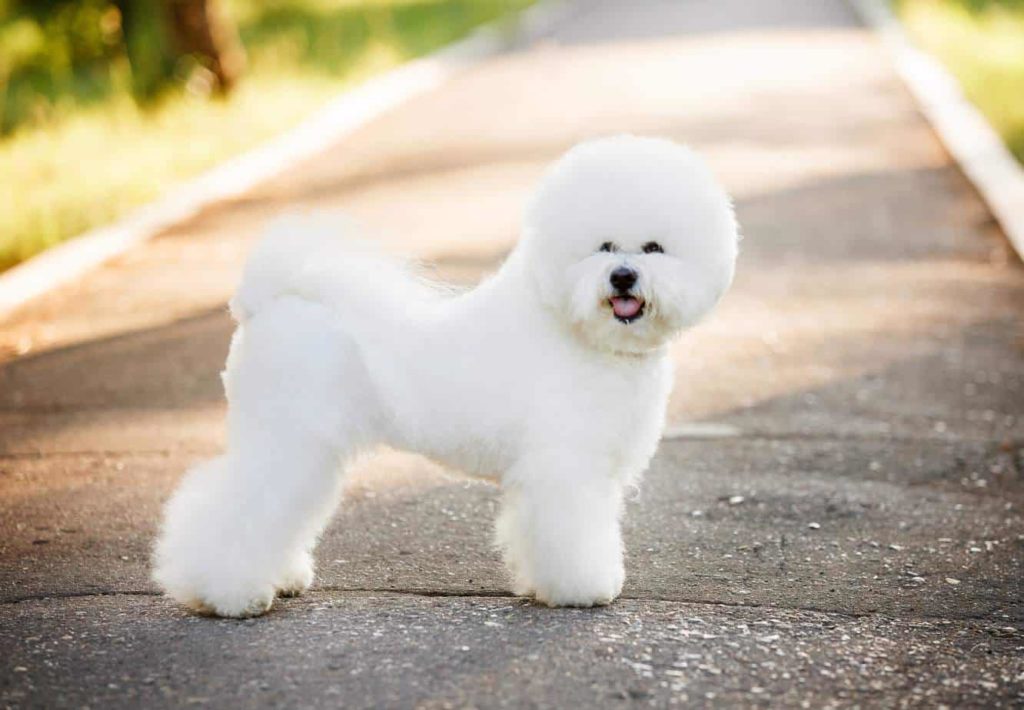
How does the Bolonka stack up against other small companion breeds?
The Bichon Frise shares the curly white coat and cheerful personality, but lacks the Bolonka’s color variety and tends toward slightly more independence.
A Maltese is silkier-coated and perhaps more delicate in temperament.
The Havanese is the closest cultural cousin, as both breeds trace their roots to the bichon family and share the Bolonka’s adaptability and social nature.
A Toy Poodle offers greater trainability and a slightly more athletic build, but can be higher-energy.
The Bolonka sits squarely in companion-dog territory but distinguishes itself with its rarity, distinctive coat, and the particular warmth it brings to its relationships with people.
Common misconceptions
“It’s just another bichon.”Not quite. The breed has a distinct Soviet-era history and a specific standard that sets it apart from the broader bichon family.
“Small dogs don’t need much exercise.” They do. Maybe not marathon-level effort, but Bolonki need daily activity and mental stimulation to stay balanced.
“It’s hypoallergenic.”Lower-shedding, yes. Hypoallergenic, no. Spend time with the breed before committing if allergies are a concern.
“They’re fragile.”Soviet-era breeding valued hardiness. Bolonki are sturdier than their fluffy appearance suggests.
Rescue and adoption info
Finding a Bolonka through rescue is rare but not impossible. Start by contacting breed-specific clubs, such as the Bolonka Club of America. They often maintain lists of dogs in need of rehoming and can connect prospective owners with breed-savvy rescue networks.
General small dog rescues and breed-specific Facebook groups also surface Bolonka rehoming opportunities from time to time.
Patience is vital, as this is a rare breed, and availability through rescue channels is limited.
Tips for finding a Russian Tsvetnaya Bolonka
Start with the Bolonka Club of America for a list of breeders. Responsible breeders health-test their dogs, welcome questions, and don’t have puppies perpetually available.
Expect a waitlist ranging from several months to a year or more, depending on demand and the size of the breeding program.
The typical price range for a well-bred Bolonka puppy in the United States is $2,500 to $4,000, though prices can vary by region and breeder.
Expect the breeder to ask you questions in return. That’s a good sign.
Avoid breeders who can’t provide health-testing documentation, who push for quick sales, or who operate multiple litters simultaneously across several breeds.
Pet stores and puppy mills carry higher health and behavioral risks.
Visit the breeder in person if possible. Meet the parent dogs.
Ask about temperament, socialization practices, and what health guarantees come with the puppy.
A transparent breeder who clearly loves the breed is worth waiting for.
Final thoughts on the Russian Tsvetnaya Bolonka
The Russian Tsvetnaya Bolonka is a rare dog that delivers something genuinely special: deep companionship, adaptability, and a personality that fills a room without smothering it.
It’s not the right fit for everyone because it needs regular presence, regular grooming, and an owner who takes training seriously from day one.
But for the right person or family? It’s close to perfect. This is a dog that shows up for its people completely. It asks for attention, affection, and steady care, and it gives back tenfold.
If you’ve made it this far, you already know whether the Bolonka has claimed a piece of your heart.
The only question left is what you’re going to do about it. If you’re serious about learning more, take the next step: visit a reputable breeder or breed club event to meet Bolonkas in person, or contact owners online in dedicated breed groups.
Direct experience is the best way to see if this breed is the right fit for you. Joining breed clubs or internet forums also gives you access to helpful advice, real stories, and updates on available dogs.
Your Bolonka journey starts with a conversation. So don’t hesitate to get out there and connect.
Sara B. Hansen has spent 20-plus years as a professional editor and writer. She’s also the author of The Complete Guide to Cocker Spaniels. She created her dream job by launching DogsBestLife.com in 2011. Sara grew up with family dogs, and since she bought her first house, she’s had a furry companion or two to help make it a home. She shares her heart and home with Nutmeg, a Pembroke Welsh Corgi. Her previous dogs: Sydney (September 2008-April 2020), Finley (November 1993-January 2008), and Browning (May 1993-November 2007). You can reach Sara @ editor@dogsbestlife.com.