
Dog dental health: Why it matters more than you think

Many pet parents focus on food, exercise, and grooming, but often miss one key area: dog dental health.
Your dog’s mouth is central to their well-being, and neglect can lead to serious problems.
Dental issues in dogs are common; many show signs by age 3. Oral care is essential for long-term health.
Veterinary professionals now widely share dental tips, highlighting the growing focus on dog oral health in modern pet care.
What is dog dental health?
- What is dog dental health?
- Why dog dental health matters more than you think
- Hidden risks of poor dental hygiene
- Early warning signs pet owners often miss
- Dog teeth cleaning: Why it should be routine
- Building a simple dog dental care routine
- Practical brushing tips for pet parents
- Role of dental chews, toys, and diet
- Common mistakes pet owners make
- When professional dog dental cleaning is needed
- Supporting long-term dog health through dental care
- Actionable tips for better dog dental health
- FAQs
- Final thoughts on dog dental health
Dog dental health is the condition of your dog’s teeth, gums, and oral hygiene. It involves keeping teeth clean, preventing plaque, and avoiding infections that can affect the body.
Food particles mix with bacteria to form plaque. If left untreated, plaque hardens into tartar, which can cause dental disease. This affects gums and can damage teeth.
Good dog dental health means more than clean teeth. It includes healthy gums, fresh breath, and no pain or infection. This helps your dog stay active and comfortable.
Why dog dental health matters more than you think
Poor oral hygiene causes more than bad breath. It can directly lead to gum disease, pain, tooth loss, and serious infections.
In advanced cases, bacteria from the mouth can enter the bloodstream. This can affect major organs such as the heart, liver, and kidneys. Many pet parents are surprised to learn that dental problems can have such a serious impact on a dog’s overall health.
Caring for your dog’s teeth protects their overall health by preventing body-wide complications, not just improving appearance.
Hidden risks of poor dental hygiene
A major risk of poor dental care is tooth infection. Infections can develop silently with few early symptoms.
As bacteria spread, they cause inflammation beyond the mouth. Dogs may eat less, develop swelling, or exhibit behavioral changes due to pain.
Untreated dental problems quickly escalate to costly and challenging issues, reinforcing that prevention is far better than treatment.
Early warning signs pet owners often miss
Many dogs hide pain, making dental problems harder to detect. Recognizing early signs prevents serious issues.
Common warning signs include bad breath, yellow or brown tooth buildup, and red or swollen gums. Some dogs may also chew on one side of the mouth or avoid hard food.
Changes in behavior, such as irritability or reduced appetite, can also be linked to oral discomfort. Paying attention to these signs helps catch problems early.
Dog teeth cleaning: Why it should be routine
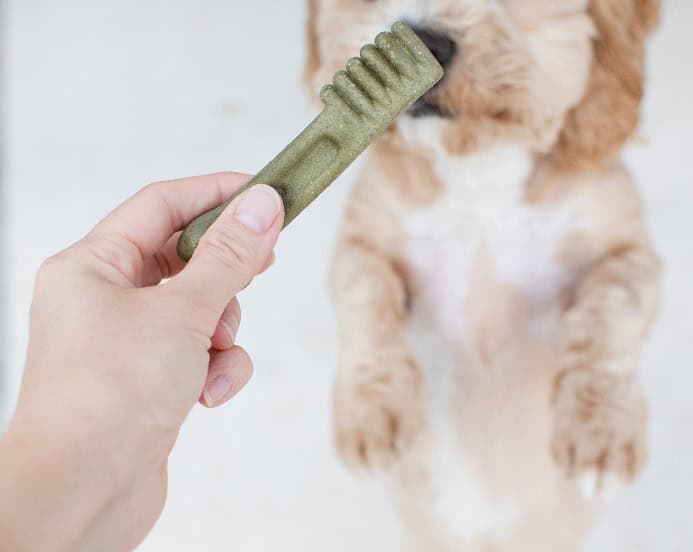
Regular teeth cleaning effectively prevents dental disease by removing plaque before it hardens into tartar.
Cleaning your dog’s teeth at home may seem hard at first, but with patience, it gets easier. Start slowly and use pet-friendly tools to ease discomfort.
Consistency is key. Even a few cleanings each week can make a noticeable difference in your dog’s oral health.
Building a simple dog dental care routine
A dental care routine does not have to be complex. Daily habits maintain healthy teeth and gums.
Start by brushing your dog’s teeth using a soft toothbrush and pet-safe toothpaste. Aim for 2 to 3 times per week, though daily brushing is ideal.
Besides brushing, check your dog’s mouth often for plaque or irritation. This habit keeps you alert to changes.
Practical brushing tips for pet parents
Brushing is key to dog dental hygiene and should be gentle. Let your dog get used to the toothpaste first.
Use slow movements and focus on the outer surfaces of the teeth. These areas collect the most plaque and are easier to clean.
Reward your dog after each session. Positive reinforcement builds routine and reduces brushing stress.
Role of dental chews, toys, and diet
Dental care is broader than brushing. Oral care products also support dental health.
Dental chews help reduce plaque buildup while also satisfying your dog’s natural chewing instincts. Special toys can also help clean your dog’s teeth as they play.
Diet matters. Some foods help reduce tartar buildup. Combine these with brushing for stronger dental defense.
Common mistakes pet owners make
A common mistake is thinking bad breath is normal when it’s often an early sign of dental disease.
Another mistake is relying only on treats or chews without brushing. While helpful, they cannot replace proper cleaning.
Skipping regular mouth checks allows issues to go unnoticed until they become severe.
When professional dog dental cleaning is needed
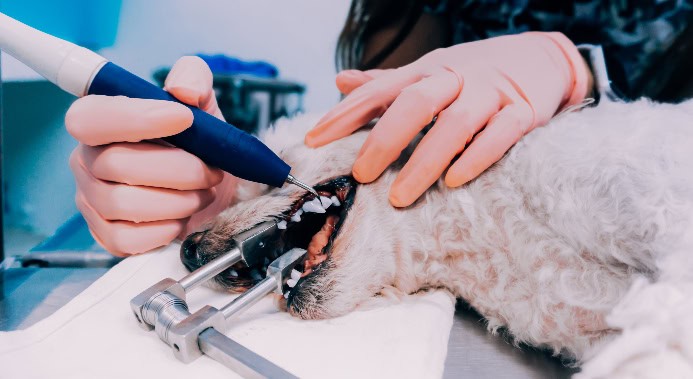
Most dogs need professional dental cleaning eventually, especially if they have severe tartar or gum disease.
Vets remove tartar from below the gum line, a task not possible at home. These procedures prevent long-term harm.
If your dog shows signs of pain, infection, or a heavy buildup, consult a vet. Early treatment prevents serious problems. Veterinary experts also share new dental care advancements at conferences, improving prevention standards.
Supporting long-term dog health through dental care
Dental care is key to a dog’s overall health. Healthy teeth and gums help dogs eat and stay active.
Prevention reduces the risk of infections spreading to organs, improving the quality and length of life.
By focusing on dental health early, pet parents can avoid many common health issues and ensure their dogs stay happy and healthy.
Actionable tips for better dog dental health
Small daily steps make a big difference. Follow these simple tips:
- Brush your dog’s teeth regularly using pet-safe products
- Provide dental chews and safe chew toys
- Check your dog’s mouth weekly for signs of problems
- Maintain a consistent feeding routine
- Schedule professional cleanings when needed
Avoid giving hard objects that can damage teeth. Stick to products designed specifically for dogs.
FAQs
How often should I brush my dog’s teeth?
Ideally, daily brushing is best, but even 2 to 3 times per week can significantly improve dental health.
What are the first signs of dental problems in dogs?
Bad breath, red gums, and plaque buildup are early signs that should not be ignored.
Are dental chews enough for cleaning teeth?
Dental chews help, but they should not replace brushing. A combination of both works best.
When should I take my dog for a professional dental cleaning?
If you notice tartar buildup, gum inflammation, or bad breath, it is time to consult a veterinarian.
Can dental problems affect my dog’s overall health?
Yes, bacteria from the mouth can spread to major organs and cause serious health issues.
What type of toothpaste should I use for my dog?
Always use pet-safe dog toothpaste. Human toothpaste can be harmful to them.
Final thoughts on dog dental health
Dog dental health is often ignored, but it plays a major role in your pet’s overall well-being. From preventing gum disease to protecting vital organs, proper oral care is essential.
Simple habits like brushing, regular checks, and using dental products can help prevent serious problems. These small efforts can lead to big improvements in your dog’s quality of life.
By staying consistent and proactive, pet parents can ensure their dogs enjoy healthy teeth, fresh breath, and a happier life.
Ethan Ward, DVM, loves dogs and how they thrive. After hours, he walks trails and fosters pets. When not writing health tips, he studies veterinary care or helps owners manage their dogs’ chronic issues.