
Puppy socialization guide: Why your puppy’s first 16 weeks matter
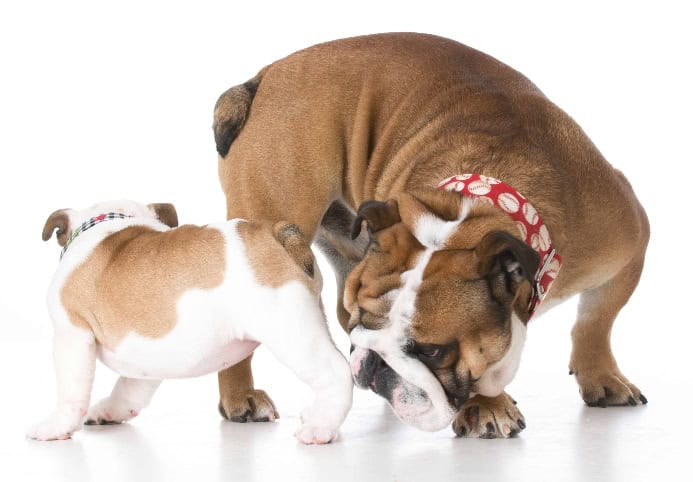
Your puppy’s brain is open for business right now. And the clock is ticking.
Between 3 and 16 weeks of age, a puppy’s brain wires itself for life.
Every person they meet, every surface they walk on, every strange sound they hear shapes who they’ll become.
Miss that window, and you’re not just late. You’re working against biology.
Think of it like learning a language. Kids pick up a second language effortlessly. Adults can do it, but it takes real work. The same principle applies here.
The good news? You don’t have to do it perfectly. You just have to do it intentionally.
Why these weeks change everything
- Why these weeks change everything
- The critical window, week by week
- Socialization vs. vaccination: The real answer
- Puppy socialization exposure checklist
- Common socialization mistakes to avoid
- The power of play in socialization
- How to run a great socialization session
- Should you do puppy class?
- Tips for successful puppy socialization: A complete guide
- Benefits of proper early socialization
- Adapt socialization to special situations
- How to handle setbacks and challenges
- Life after 16 weeks
- Final thoughts on using this puppy socialization guide
- Puppy socialization tracker
The socialization window’s peak is now understood to close closer to 12–14 weeks, not 16.
After roughly 12–16 weeks, the brain shifts gears, and new things start feeling threatening by default.
That’s an evolutionary holdover from wild dog survival. But for your modern pup, it means the time to act is now.
Decades of behavioral science confirm that during this sensitive period, a puppy’s brain produces higher levels of neurotransmitters that make them naturally curious and far less fearful of new things.
Scott and Fuller’s landmark studies established that a dog’s behavior is roughly 35 percent genetic and 65 percent shaped by environment.
Socialization won’t rewrite a dog’s temperament. But it absolutely shapes how that temperament shows up every day.
The critical window, week by week
Weeks 3–7: The breeder’s job (and yours)
Puppies start socializing before you even bring them home. Between 3 and 7 weeks, they’re learning dog-to-dog communication from mom and littermates, which helps them develop critical bite inhibition.
A good breeder handles them daily during this period. That early human contact matters enormously.
Weeks 8–12: The golden window
This is the richest time for socialization. Puppies are fearless explorers at this stage. They want to climb, investigate, taste, and greet everything. Take full advantage of that curiosity.
But there’s a catch. Around 8–10 weeks old, most puppies enter their first fear period. It’s a natural developmental phase. One day, your pup trots past the vacuum without blinking. Next, it’s a monster. That’s biology, not failure.
The first fear period aligns with the transition to a new home (8–11 weeks). Frightened puppies can form lasting negative associations during this phase.
Here’s how to handle it:
- Stay calm and matter-of-fact. Your anxiety becomes their anxiety.
- Don’t flood them with the scary thing. Create distance instead.
- Pair scary things with treats and play.
- Never force an interaction. Let them choose to approach.
- Don’t coddle either. Excessive comfort can reinforce the fear.
Weeks 11-12: Expanding the world
Your puppy is gaining confidence. Lean into it. This is the time to increase variety without overwhelming them.
Take them to pet-friendly stores. Let them watch (from a safe distance) kids playing at a playground. Introduce them to people wearing hats, sunglasses, and uniforms. Drive them around so car rides become routine rather than traumatic.
If they’ve had at least two rounds of vaccinations, your vet might clear them for limited ground exposure in low-traffic areas. Puppy socialization classes become invaluable here—supervised settings where puppies learn from each other under expert supervision.
Weeks 12–16: Keep going
Your puppy is bolder now and may be testing limits. Don’t ease off. These final weeks of the sensitive period are just as important as the first ones.
Keep introducing new experiences. Bikes, strollers, people with canes or walkers, construction sounds, sirens. Take them to different neighborhoods, parking lots, and parks. Play low-volume sound recordings at home during meals to build positive associations.
A second brief fear period can occur around ages 6–14 months during adolescence. It’s normal. Keep experiences positive and don’t push through obvious panic.
Socialization vs. vaccination: The real answer
Every new puppy owner hears conflicting advice here. Wait until all vaccines are done. But don’t miss the socialization window. Which is it?
The American Veterinary Society of Animal Behavior is clear: the behavioral risks of under-socialization outweigh the disease risks of controlled, thoughtful early exposure. Waiting until full vaccination (around 16–18 weeks) means the critical window has already closed.
That doesn’t mean taking your pup to a dog park at 8 weeks. It means being smart about it.
- Low-risk socialization before full vaccination
- Puppy classes that require proof of vaccination and keep surfaces clean
- Playdates with dogs you know are vaccinated and healthy
- Carry your puppy in high-traffic areas, so they’re exposed without ground contact
- Invite varied visitors to your home
- Explore friends’ yards and houses
Talk to your vet about disease risks in your area. Then get out there. Your puppy’s window is open right now.
Puppy socialization exposure checklist
Socialization isn’t just about meeting dogs. It’s about making the whole world feel normal.
People (aim for 100+ people)
Your puppy needs to learn that humans come in all varieties, and they’re all okay. That means exposing them to:
- Children of all ages (toddlers, school-age kids, teenagers)
- Older adults, especially those moving slowly or using mobility aids like canes, walkers, or wheelchairs
- People of different ethnicities and appearances
- People wearing unusual items: hats, helmets, sunglasses, masks, uniforms
- People with beards, people without hair, people with distinctive gaits
- Delivery drivers, mail carriers, repair workers
The goal isn’t just exposure—it’s positive exposure. Each person should represent a good experience, whether that’s a treat, a toy, or just calm, pleasant energy.
Animals
Your puppy needs to understand that the world contains other creatures, and most aren’t threats or toys.
- Other vaccinated, friendly dogs of various sizes and play styles
- Cats (from a respectful distance if the cat isn’t dog-savvy)
- Livestock if you live rurally—horses, chickens, goats
- Small animals in carriers—rabbits, guinea pigs
- Wildlife they might encounter—squirrels, birds, deer
Puppy classes are gold here. They provide supervised interactions with other puppies at the same developmental stage, teaching appropriate play and communication.
Avoid dog parks during this period. Rough or overwhelming interactions can leave lasting negative impressions.
Environments and surfaces
Dogs that experience only carpet and grass during their socialization window often struggle with different surfaces later. Expose your puppy to:
- Grass, gravel, sand, mulch, dirt
- Concrete, asphalt, tile, hardwood, linoleum
- Metal surfaces like grates or vet tables
- Wobbly surfaces like bridges or docks
- Stairs (up and down, different types)
- Elevators and automatic doors
- Cars, buses, trains, if applicable
- Pet stores, hardware stores, and outdoor cafes
Each new environment teaches your puppy flexibility and resilience.
Sounds
Noise sensitivity ruins countless dogs’ quality of life. Prevent it now by introducing:
- Household sounds: vacuum, blender, hairdryer, washing machine, crying baby
- Outdoor sounds: traffic, sirens, construction, lawnmowers
- Weather sounds: thunder, wind, rain (recordings work great)
- Celebration sounds: fireworks, party poppers, cheering
- Electronic sounds: doorbells, phone rings, alarms
- Clattering sounds: dropped pans, rolling carts, jingling keys
Sound desensitization playlists designed for puppies are a great tool. Always start low and work up gradually.
Pair sounds with treats. Gradually increase the volume as your puppy shows signs of comfort.
Handling
Your puppy needs to get comfortable with being touched. This prepares them for vet visits, grooming, nail trims, and everyday handling.
- Paws touched and held
- Ears examined
- Mouth and gums checked
- Body restrained briefly (for vet exams)
- Body restrained briefly (for vet exams)
Novel objects
- Umbrellas, balloons, plastic bags
- Cardboard boxes, laundry baskets, crates
Common socialization mistakes to avoid
Even with the best intentions, puppy owners stumble. These mistakes are understandable—but they’re also fixable once you know what to watch for.
Mistake 1: Waiting until vaccinations are complete
The vaccination debate paralyzes new puppy owners. Yes, disease risk is real. But behavioral problems kill more dogs than parvo does.
Your vet can help you find the balance. Carry your puppy in public spaces. Invite healthy, vaccinated dogs to your home. Attend puppy classes that require proof of vaccination and sanitize between sessions. Don’t let fear of illness rob your puppy of critical socialization.
Mistake 2: Overwhelming your puppy
Socialization doesn’t mean throwing your puppy into the deep end and hoping they swim. A terrified puppy at a crowded farmer’s market isn’t being socialized—they’re being traumatized.
Watch your puppy’s body language. Loose, wiggly, and curious? Keep going. Tucked tail, pinned ears, trying to hide? You’ve pushed too far. Scale back, create distance, and finish on a positive note.
Mistake 3: Only socializing with your lifestyle
Your puppy doesn’t know they’re destined for a quiet suburban life. They need exposure to things you might never encounter regularly—city buses, farm animals, crying babies—because someday, somewhere, they might.
Dogs that meet only calm adults struggle when they encounter energetic children—dogs that only walk in quiet neighborhoods panic in busy ones. Broaden your puppy’s experiences beyond your daily routine.
Mistake 4: Forgetting to socialize with handling
Socialization isn’t just about external experiences. Your puppy needs to be comfortable being touched, examined, and restrained.
Practice mock vet exams. Touch their paws, look in their ears, open their mouth, and lift their tail. Trim their nails or at least touch and hold their feet. Brush them. Give them baths. Make these experiences positive with rewards and praise.
Future you—and your vet, groomer, and dog sitter—will be grateful.
Mistake 5: Stopping at 16 weeks
The critical window closes, but socialization doesn’t end. Puppies who aren’t continually exposed to their socialized experiences can become fearful later.
Adolescence (roughly 6-18 months) presents new challenges and fears. Keep adding new experiences throughout your dog’s first year and beyond. Socialization is a lifestyle, not a checklist you complete and forget once your puppy reaches adulthood.
The power of play in socialization
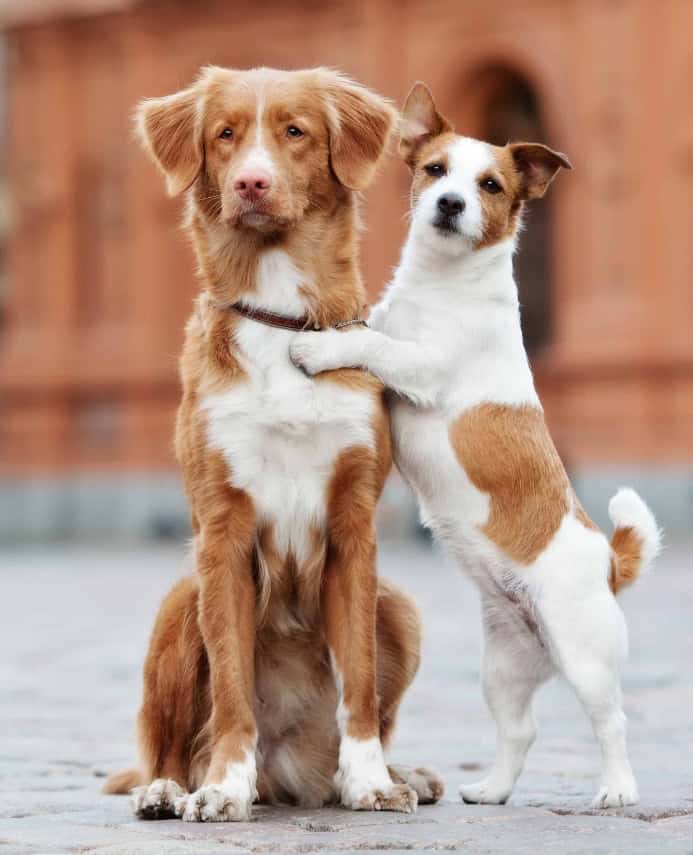
Play isn’t a break from socialization. It’s the whole point. When your puppy plays with people and other dogs, they’re learning life skills in the most natural way possible.
Playing with other puppies teaches bite inhibition. A pup who bites too hard gets a yelp and a partner who walks away. That feedback loop teaches control better than any formal training session.
Playing with people teaches trust. It builds the foundation for a dog who looks to you for guidance instead of bolting in fear.
Keep sessions short. Puppies have tiny attention spans. Five to ten minutes of quality interaction beats an hour of overstimulated chaos.
How to run a great socialization session
The rule: positive or nothing
Every exposure should end on a good note. One scary experience during the sensitive period can create a lasting fear association. One magical experience can create a lifelong positive response. That’s how high the stakes are.
Read the body language
Your puppy can’t tell you when they’re overwhelmed. Watch for:
- Cowering, tucking their tail, or hiding behind your legs
- Yawning, lip-licking, or looking away (calming signals)
- Refusing treats (a huge stress signal)
- Spinning in place or frantically trying to escape
See any of those? Create distance. Don’t push forward. That’s not quitting. That’s good training.
Two to three new experiences a day
You don’t need a packed schedule. Two or three new, positive exposures per day is the sweet spot. Quality beats quantity every time.
Treats are your best tool
Pair every new thing with something your puppy loves. High-value treats (real chicken, cheese, hot dogs) work best for genuinely scary situations. Kibble is fine for neutral ones. The puppy learns: new thing = good thing.
Stay calm
Puppies read you. If you’re anxious, they’re anxious. If you’re calm and upbeat, they take their cue from you. Act like the scary fire truck is the most normal thing in the world. Your confidence is contagious.
Should you do puppy class?
Yes. A well-run puppy class is one of the best investments of the entire socialization period. Puppies get controlled exposure to other pups and people under expert guidance. The structure keeps interactions safe.
What to look for in a class
- Requires proof of age-appropriate vaccinations
- Maintains clean, sanitized surfaces
- Small class sizes with room to breathe
- An instructor who understands fear periods and puppy development
- Focus on life skills, not just formal obedience
- Positive reinforcement only. No punishment-based methods
Red flags to avoid
- No health record requirements
- Allows rough or aggressive play without interruption
- Uses corrections, intimidation, or alpha techniques
- Puppies look frightened and no one intervenes
Tips for successful puppy socialization: A complete guide
Success isn’t about perfection. It’s about consistency, awareness, and adapting to your individual puppy’s needs.
Tip 1: Make every experience positive
Your puppy should associate new experiences with positive outcomes. Carry high-value treats everywhere. When your puppy sees a person in a wheelchair, they get chicken. When they hear a motorcycle, they get cheese.
Classical conditioning acts as your superpower. Pair novelty with rewards, and your puppy learns that strange things predict wonderful things.
Tip 2: Let your puppy set the pace
Some puppies are bold explorers. Others are cautious observers. Both are normal.
Don’t drag a scared puppy toward something frightening. Don’t force interactions. Instead, create opportunities and let your puppy choose to engage. Reward brave choices. Be patient with the nervous ones.
You can’t force confidence. You have to help build it.
Tip 3: Socialize yourself first
Your energy matters more than you think. Puppies read human emotions with extraordinary accuracy.
If you’re anxious about your puppy meeting a big dog, your puppy feels that anxiety and assumes the big dog is dangerous. If you’re relaxed and cheerful, your puppy takes that cue too.
Work on your own confidence. Trust your puppy’s resilience. Your calm leadership teaches them the world is safe.
Tip 4: Quality over quantity
Meeting 100 people who roughly grab your puppy isn’t socialization—it’s harassment—meeting 50 people who calmly offer treats and respect your puppy’s space? That’s gold.
Every interaction should leave your puppy feeling more confident, not less. One positive experience beats ten neutral or negative ones.
Tip 5: Join a puppy class
This puppy socialization guide can teach you a lot, but nothing replaces direct guidance from a qualified trainer. Puppy classes provide structured socialization, expert feedback, and a community of people managing the same challenges.
Look for classes that emphasize positive reinforcement, limit class size, and carefully monitor play sessions. Shun any class that uses punishment, intimidation, or allows puppies to bully each other.
Tip 6: Document the journey
Keep a socialization journal or checklist. Note what your puppy has experienced, how they reacted, and what you need to revisit.
This isn’t busy work. It’s accountability. It’s easy to think you’re doing more than you are. A journal keeps you honest and exposes gaps in your puppy’s experiences.
Benefits of proper early socialization
Let’s talk about what you’re actually working toward, because right now, in the exhausting thick of puppyhood, it’s hard to imagine the payoff.
Benefit 1: A confident, resilient dog
Properly socialized dogs move through the world with ease. They don’t panic when the garbage truck rumbles by. Or lose their minds when a child on a scooter zooms past. They recover quickly from surprises.
This confidence improves their quality of life and yours. Less stress for them means less stress for you.
Benefit 2: Easier vet visits and grooming
Dogs that people handled extensively as puppies tolerate veterinary care and grooming with minimal fuss. Veterinary technicians can draw blood without being bitten. Groomers can work without the dog thrashing on the table.
This isn’t just convenient—it’s potentially life-saving. Vets might miss health problems in dogs they can’t examine. Ungroomed dogs might develop painful matting or skin issues.
Benefit 3: More freedom and opportunities
Well-socialized dogs can go more places and do more things. They can join you at outdoor cafes, accompany you to friends’ houses, and travel with you on vacation.
Undersocialized dogs become prisoners of their fears. Every outing calls for careful planning to avoid triggers. Many experiences become impossible.
Socialization unlocks your dog’s potential to be a faithful companion.
Benefit 4: Reduced behavioral problems
Fear and anxiety drive most behavioral issues. Aggression toward people or dogs frequently stems from poor socialization. So does separation anxiety, noise phobias, and generalized fearfulness.
Dealing with these problems later is possible but difficult. Prevention through early socialization is exponentially easier.
Benefit 5: A stronger bond with you
Charting new experiences together creates trust. Your puppy learns that you’re their safe base, the person who helps them make sense of the world.
This trust strengthens every aspect of your relationship. Training becomes easier. Cooperation becomes natural. Your dog looks to you for guidance because you’ve proven yourself reliable.
Adapt socialization to special situations
Not every puppy owner has identical resources or circumstances. Whether you’re apartment-bound, budget-conscious, or working full-time, you can still socialize effectively—you just need to adapt to meet your specific needs.
Apartment living: Your building offers built-in opportunities. Elevator rides, echoing hallways, and lobbies with varied flooring all count. Sit in the lobby during peak hours and let your puppy observe residents. Visit pet-friendly stores and use car trips to expose them to different neighborhoods and sounds.
Rural living: Make deliberate trips to town once or twice weekly. Invite diverse visitors to your home and ask them to wear different items (hats, boots, sunglasses). Use sound recordings of traffic and sirens, starting at low volume. Leverage farm equipment and livestock as unique socialization tools.
Limited mobility: Bring the world to your puppy. Invite visitors, hire dog walkers for socialization outings, and maximize every appointment by adding extra observation time. Online classes provide structure and homework to make limited outings more effective. Consider doggy daycare for concentrated socialization.
Tight budgets: Most socialization is free—neighborhood walks, people-watching outside stores, inviting friends over, and YouTube sound recordings cost nothing. Seek low-cost classes through shelters or community centers. Partner with another puppy owner for shared playdates and outings.
Working full-time: Maximize mornings, lunch breaks, and evenings—even 15 minutes daily matters. Use weekends strategically for high-value outings, such as farmers’ markets. Consider hiring help or enrolling in doggy daycare to fill weekday gaps. If possible, bring your puppy to work occasionally.
How to handle setbacks and challenges

Even with perfect execution, socialization doesn’t always go smoothly. Puppies are individuals with their own temperaments, and sometimes things go wrong.
Fear periods are normal
Around 8-10 weeks and again around 6-14 months, puppies go through fear periods—developmental stages where they suddenly seem worried about everything. Your previously confident puppy might refuse to walk past a mailbox or startle at sounds they previously ignored.
Don’t panic. Don’t force them to confront their fears. But don’t coddle them excessively either.
Stay matter-of-fact. Give them space to observe from a distance. Reward brave behavior. Keep exposures brief and positive. Fear periods pass, usually within a few weeks.
Bad experiences happen
Maybe another dog snapped at your puppy. Or a child accidentally stepped on their paw. Maybe they got startled by a loud noise.
One bad experience doesn’t doom your puppy, but it does call for careful follow-up. Return to that type of experience at a lower intensity. Rebuild positive associations. If your puppy was frightened by a dog, arrange controlled meetings with calm, friendly dogs.
Don’t avoid the trigger entirely. Avoidance teaches your puppy that their fear was justified.
Temperament matters
Some puppies are naturally bold. Others are genetically predisposed toward caution. You can’t socialize away a dog’s fundamental temperament, but you can help them become the best version of themselves.
Cautious puppies need patience, not pushing. They need more time to warm up, more distance from scary things, and extra rewards for bravery. Bold puppies need boundaries and impulse control to prevent recklessness.
Work with your puppy’s nature, not against it.
When to seek professional help
If your puppy shows extreme fear, aggression, or reactivity despite your socialization efforts, consult a professional. Find a certified dog behavior consultant or veterinary behaviorist.
Early intervention matters. Behaviors that seem minor at 10 weeks can become serious problems at 10 months. Don’t wait and hope things improve on their own.
Give yourself grace
You’re going to miss things. You’ll have days where you’re too tired to socialize. Your puppy will have experiences you didn’t plan for.
That’s okay. Socialization isn’t pass/fail. It’s a spectrum. Every positive experience you provide moves your puppy toward confidence, even if you don’t check every box.
You’re doing better than you think you are.
Life after 16 weeks
The window closes. Socialization doesn’t.
Puppies who stop getting new experiences can lose ground. Adolescence (roughly 6–18 months) brings a second period of fear and new hormonal shifts.
Keep stacking positive experiences throughout your dog’s first year and beyond. Socialization is a lifestyle, not a box you check.
If your dog develops specific fears despite good early socialization, consult a certified veterinary behaviorist or a certified professional dog trainer.
Early professional intervention beats years of workaround.
Final thoughts on using this puppy socialization guide
Sixteen weeks sounds like forever when you’re in the middle of it—when you’re cleaning up accidents, nursing bite wounds on your hands, and wondering if you’ve made a terrible mistake bringing this tiny chaos agent into your life.
But it’s not forever. It’s a blink.
One day, sooner than you expect, you’ll have an adult dog. The puppy phase will be a memory. And the dog standing beside you—confident or fearful, resilient or reactive, easy or difficult—will broadly reflect what happened in these early weeks.
That’s not meant to add pressure. It’s meant to add perspective.
Every person your puppy meets this week matters. Every new sound, every strange surface, every controlled interaction with another dog is building the foundation of who they’ll become. You’re not just raising a puppy. You’re developing a lifetime.
This puppy socialization guide gave you the roadmap, but you’re the one walking the path. Some days will feel overwhelming. Some experiences won’t go as planned. Your puppy will have setbacks, and so will you.
Keep going anyway.
Because on the other side of these 16 weeks is a dog who greets the world with confidence instead of fear. A dog that can accompany you through life instead of being limited by anxiety. A dog who trusts you completely because you showed them the world and kept them safe while they navigate it.
That dog is worth every exhausting, treat-filled, socialization-packed moment you’re investing right now.
Your puppy’s future is being written today. Make it a good story.
Puppy socialization tracker
Puppy’s name: _____________________ Age: _____ weeks Start date: __________
Work through this checklist during the critical 3–16 week window. Aim for multiple positive exposures in each category. Note your puppy’s reaction after each one. Repeat anything that triggered hesitation.
| Experience | Category | Puppy’s reaction / notes |
| Puppy’s reaction/notes | People | |
| □ Met a child under 10 (supervised) | People | |
| □ Met someone in uniform | People | |
| □ Met someone using a wheelchair or a walker | People | |
| □ Met a man with a beard or hat | People | |
| □ Heard the vacuum cleaner | Sounds | |
| □ Heard thunder/fireworks (recording, low vol.) | Sounds | |
| □ Heard traffic and sirens outdoors | Sounds | |
| □ Heard a baby crying (recording) | Sounds | |
| □ Walked on a slippery floor | Surfaces | |
| □ Met someone in bulky clothing, hat, and sunglasses | Surfaces | |
| □ Walked on metal grate or grate-like surface | Surfaces | |
| □ Explored stairs up and down | Surfaces | |
| □ Rode in a car (short, positive trip) | Environments | |
| □ Visited a pet-friendly store | Environments | |
| □ Walked on a metal grate or grate-like surface | Environments | |
| □ Walked in a busy area | Environments | |
| □ Played with a vaccinated adult dog | Other animals | |
| □ Visited vet for a happy visit (no exam) | Other animals | |
| □ Saw a cat calmly at a distance | Other animals | |
| □ Paws held and touched | Handling | |
| □ Ears gently examined | Handling | |
| □ Mouth and gums touched | Handling | |
| □ Body briefly restrained (practice vet hold) | Handling | |
| □ Played with puppies in class or at a playdate | Handling | |
| □ Investigated a balloon or umbrella | Novel objects | |
| □ Explored a cardboard box or tunnel | Novel objects | |
| □ Sniffed a wobble board or novel surface | Novel objects |
Remember: Quality over quantity. Each experience should be positive and at your puppy’s pace. If your puppy shows fear, create more distance and go slower. Pair every new experience with treats and praise.
Sara B. Hansen has spent 20-plus years as a professional editor and writer. She’s also the author of The Complete Guide to Cocker Spaniels. She created her dream job by launching DogsBestLife.com in 2011. Sara grew up with family dogs, and since she bought her first house, she’s had a furry companion or two to help make it a home. She shares her heart and home with Nutmeg, a Pembroke Welsh Corgi. Her previous dogs: Sydney (September 2008-April 2020), Finley (November 1993-January 2008), and Browning (May 1993-November 2007). You can reach Sara @ editor@dogsbestlife.com.