
5 simple steps to safe dog backpacking adventures
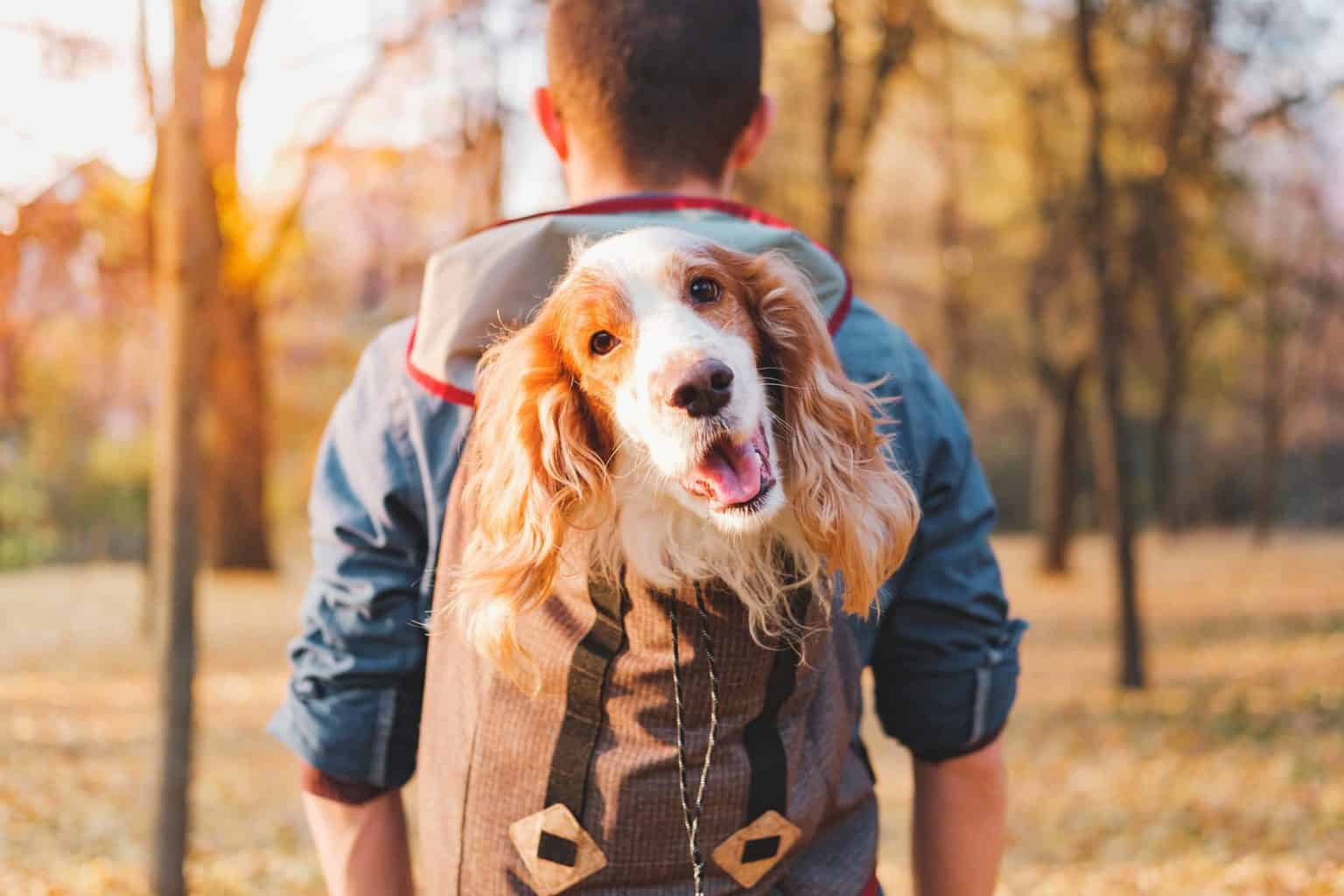
There is nothing quite as exciting as a backpacking trip through the great outdoors. It is a chance to be one with nature, breathe fresh air, and refresh our minds.
The only thing that can make the experience any better is the companionship of our beloved dogs. While your pet is sure to love the chance to stand by your side, you need to ensure that they are safe and well-behaved during the trip.
To help you out, we have some great tips for keeping your dog healthy and happy, as well as how to make the most of your backpacking journey together.
Smart packing is key
Before you leave for your trip, take an inventory of your backpack to ensure you bring the necessary items for both you and your pup.
For us humans, that means packing good hiking boots or shoes, emergency and hygiene supplies, and a safe and sturdy tent and sleeping bag so you can rest comfortably under the stars. Additionally, pack plenty of extra water and enough food for both you and your dog.
Bring along your dog’s collar and leash. Some trails require dogs to walk on a leash.
Also, make sure you bring your dog’s identification tag. Having that information can help locate the dog quickly if it gets lost.
To make hydration as easy as possible, pack a collapsible dish and bring plastic bags in case they need to use the bathroom while on the trail. Finally, pack a canine first aid kit so you can tend to them if necessary.
Keep pests at bay
When packing, be sure to bring the necessary supplies to keep your dog safe from pests and ensure your pup is on an effective tick-prevention medication. In general, while walking, try to stick to the center of the trail and avoid walking through vegetation and taller grass whenever possible.
Make it a point to check your dog several times during the trip and inspect for ticks, fleas, and other bugs.
Before you leave for your trip, conduct some research to learn how to check your dog for ticks properly. Ticks latch onto your pet in places where they can easily hide, such as under their collar, behind their ears, and on the underside of their tail.
If you spot one, use a pair of tweezers to grab and pull the pest up and out in a quick, fluid motion. Once you have verified that you have removed the entire tick, clean the area with an antiseptic.
Remember trail etiquette
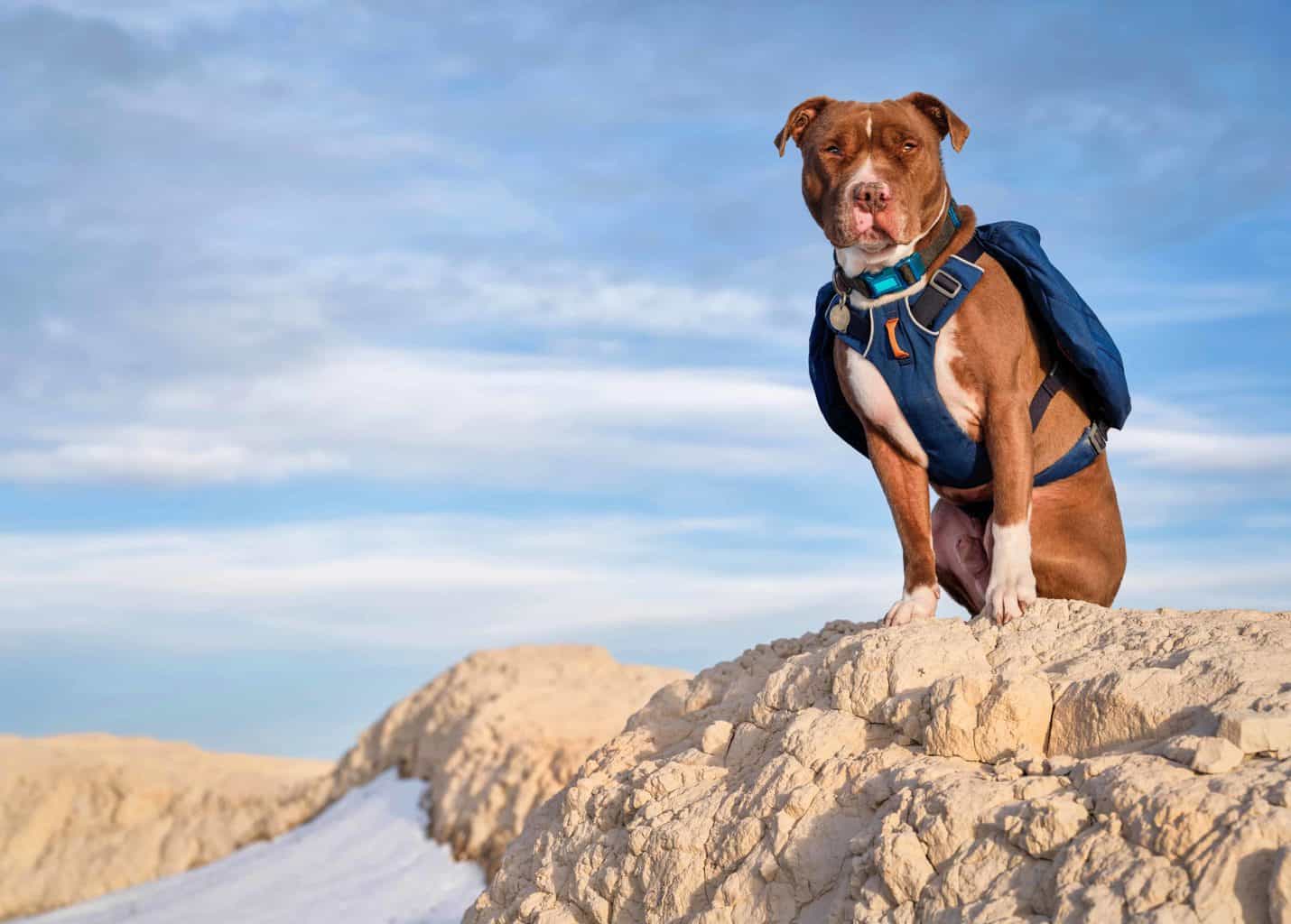
Unless you are going to a completely secluded environment, you will likely encounter other hikers who may have their dogs along for the walk.
To stay safe, follow specific trail etiquette rules with your pup. These include following the leash rules of the area, picking up your pet’s droppings (don’t forget to bring plenty of poop bags), and ensuring that your dog has had their proper vaccinations. Don’t let your dog off-leash unless it’s allowed and your dog responds to commands.
You should also be courteous when passing other backpackers. If you can sense that another hiker is approaching from behind, make it a point to step off to the side to let them pass.
Also, if another hiker with a dog approaches you, move to the side so everyone has their space and you don’t run the risk of one dog attacking the other.
Choose a pet-friendly campground
To take the stress out of your backpacking trip and ensure that you are on the same page as the other backpacking enthusiasts, you can make it a point to hike and take your dog camping for the night at pet-friendly campgrounds.
While these areas still have rules and guidelines, you will have more freedom, and the experience will be more enjoyable.
Finding the perfect pet-friendly campground and trail for day hikes can enhance your backpacking experience with your dog.
Before visiting national parks with your dog, check the rules. Most allow leashed dogs in areas such as campgrounds, picnic areas, and along paved roads and paths, but prohibit pets from hiking trails and backcountry areas.
Here are some specific examples across various locations that welcome furry companions:
Southeast
Hanna Park, Mayport, Florida: This beautiful park features a variety of trails perfect for hiking with your dog. With scenic views along the water, ample picnic areas, and designated dog-friendly paths, it’s an excellent spot for a day of adventure.
George L. Smith State Park, Georgia: Known for its picturesque lake and hiking trails, this park offers pet-friendly camping facilities. Dogs can explore the trails while you enjoy the serene surroundings and witness the beauty of nature.
Southwest
Valley of Fires Recreation Area, Carrizozo, New Mexico: This hidden gem boasts hiking trails that wind through ancient volcanic fields. Dogs are welcome on leash here, and the unique lava flow formations and stunning landscapes are sure to excite both you and your pup.
Coconino National Forest, Arizona: With numerous trails that allow dogs, this national forest is ideal for backpacking. Explore the breathtaking red rock formations and pine forests, and camp at pet-friendly sites where dogs are allowed to roam and enjoy the outdoors.
Northwest
Mount Rainier National Park, Washington: Although dogs are not allowed on most trails, several campgrounds within the park, such as Cougar Rock Campground, are pet-friendly. From here, you can explore the surrounding areas while enjoying the stunning views of Mount Rainier.
Olympic National Park, Washington: The campgrounds at Kalaloch and Hoh Rain Forest are pet-friendly, offering access to stunning coastal and forest trails. Dogs must remain leashed, but you can enjoy the diverse landscape together.
Northeast
Acadia National Park, Maine: Acadia has several dog-friendly trails, including the Jordan Pond Path and parts of the carriage roads. Spend the night at one of the campgrounds where dogs are permitted, such as Blackwoods Campground, and enjoy stunning views of the rugged coastline.
Poconos, Pennsylvania: The Delaware Water Gap National Recreational Area features pet-friendly trails and campsites. Hike along scenic river paths and take in breathtaking waterfalls while your dog enjoys the great outdoors with you.
Midwest
Custer State Park, South Dakota: Known for its picturesque scenery and abundant wildlife, Custer State Park has several dog-friendly trails. The campground welcomes pets, providing a fun-filled outdoor experience amidst the stunning Black Hills.
Shawnee National Forest, Illinois: With numerous trails and pet-friendly campsites, Shawnee National Forest is an excellent destination for backpacking with your dog. Explore rugged terrain and beautiful vistas, and enjoy the tranquility of nature together.
By choosing these pet-friendly campgrounds and trails, you can create unforgettable memories while exploring the great outdoors with your furry friend. Always check for specific rules and regulations regarding pets before your visit to ensure a smooth and enjoyable experience.
Protect your dog’s paws
While your dog is probably thrilled to be with you during the hike, like everyone, their feet can begin to hurt, especially on rough terrain, and the heat can also be harsh on their paws.
So, prepare before you leave for the hike. For instance, clip their nails to prevent them from getting stuck or torn, which causes pain.
You can also help your dog get ready by taking more frequent walks in the weeks leading up to the trip to toughen up their paws.
Once you are on the trail, you can ensure their safety by equipping your pooch with dog boots or applying paw balm like Musher’s Secret to moisturize and prevent dryness and cracking.
If your pup begins limping or continuously holds its paw up, it is a sign that they are in pain, and you should stop and assess the situation.

Train your dog for backpacking
Training your dog for backpacking and preparing for various trail situations is essential to ensure a safe and enjoyable experience.
Here are some vital steps to consider:
Basic obedience: Ensure your dog has a solid grasp of basic commands such as sit, stay, come, and heel. These commands will help you manage your dog in high-pressure situations or when encountering other hikers and dogs on the trail. Be sure to bring some high-value treats.
Leash training: Get your dog accustomed to walking on a leash, particularly with a harness if you prefer. Practice guiding them both on and off the trail, and teach them how to walk beside you without pulling on your leash.
Gradual conditioning: Start with shorter hikes to build your dog’s stamina and comfort level with extended walks. Gradually increase the distance and variety of terrain, simulating the conditions you’ll face during your backpacking trip.
Get used to gear: Introduce your dog to any backpacking gear they’ll be using, such as a dog pack or dog booties. Allow them to wear the gear at home before hitting the trails, ensuring they’re comfortable with it.
Exposure to the outdoors: Familiarize your dog with the types of environments and wildlife they may encounter on the trail. Take them on trips to parks where they can experience a variety of sights, sounds, and smells.
Handling trail situations
Meeting other hikers and dogs: When approaching other hikers or their dogs, keep your dog on a leash and ask the other party if it’s OK to let the dogs meet. If they seem anxious or aggressive, create space between your dog and the other animals to avoid confrontations.
Dealing with wildlife: Stay alert to the presence of wildlife, such as deer or bears. Leash your dog to prevent any chasing behavior and follow the principle of leaving wildlife alone. Train your dog to “leave it” when they see animals.
Hydration and heat management: Offer your dog water regularly, especially during warmer weather. Watch for signs of overheating, such as excessive panting or lethargy. If your dog shows signs of distress, take breaks in the shade and allow them to rest and cool down.
Handling injuries: Accidents can happen, so pack a canine first aid kit. Familiarize yourself with basic first aid procedures, such as cleaning a cut or applying a bandage. If your dog is limping or showing signs of pain, assess their injury and consider shortening your hike or returning to the trailhead.
Finding shelter: In the event of sudden weather changes, learn how to set up your tent quickly and safely for both you and your dog. Ensure your pup has a cozy space inside where they feel secure, and have blankets or a dog bed available to keep them comfortable.
Enjoy backpacking with your dog
When you follow and take heed of these tips, you will enjoy your adventure even more, and you’ll know that you are keeping your dog’s best interests at heart.
Plan accordingly, search out the best trails, and create memories that you’ll cherish forever.