
How artificial turf helps keep your dog healthy and your home clean

For many dog owners, the yard is more than a patch of grass. It is a daily play space, a bathroom area, and a key part of pet health and household cleanliness.
Yet traditional lawns can struggle under constant paw traffic, digging, and weather changes. Muddy paws, worn spots, and persistent maintenance become familiar frustrations.
In response, more pet owners are choosing artificial turf as a practical alternative.
What once seemed reserved for sports fields or commercial spaces has become a popular option for homes with dogs. Installation of artificial turf usually involves removing the existing grass, preparing and leveling the ground, adding a drainage layer, and securing the turf with infill.
Most homeowners can hire professional installers or tackle a small area as a DIY project.
Artificial turf offers consistency, durability, and easier upkeep, keeping yards cleaner and more usable year-round.
A cleaner yard for everyday life
One of the biggest advantages artificial turf offers dog owners is cleanliness. Natural grass can quickly turn into mud in areas where dogs frequently run or relieve themselves, especially after rain. Mud sticks to paws and fur, leading to extra cleaning inside the home.
Artificial turf eliminates this problem by offering a stable, efficient-draining surface. Quality systems are designed with drainage layers that allow liquids to pass through rather than pooling on the surface.
Cleaning up after your dog is simple: simply pick up solid waste as you would on natural grass, then rinse the area with water to remove any residue. For extra hygiene, an occasional application of a pet-safe disinfectant can help keep the turf fresh and odor-free. As a result, dogs can play outside and return indoors without tracking dirt through the house.
This cleaner environment supports healthier routines. Less mud means fewer baths, cleaner floors, and reduced wear on furniture. Over time, the simplicity of a consistently clean yard becomes a major reason many owners make the switch.
Durability that stands up to active dogs
Dogs love to run, chase, and dig, but these inherent behaviors can quickly damage a traditional lawn. High traffic paths form bare patches, and repeated digging weakens root systems. Repairing and reseeding become regular chores.
Artificial turf is made for heavy use. Its durable fibers remain intact under constant paw movement, making it suitable for active pets and multi-dog households. Turf does not thin out or develop holes the way natural grass often does.
Because the surface stays even, dogs can run and play without tripping over hazards. Owners benefit from a yard that looks the same from season to season, regardless of how often it is used.
Low maintenance without sacrificing enjoyment
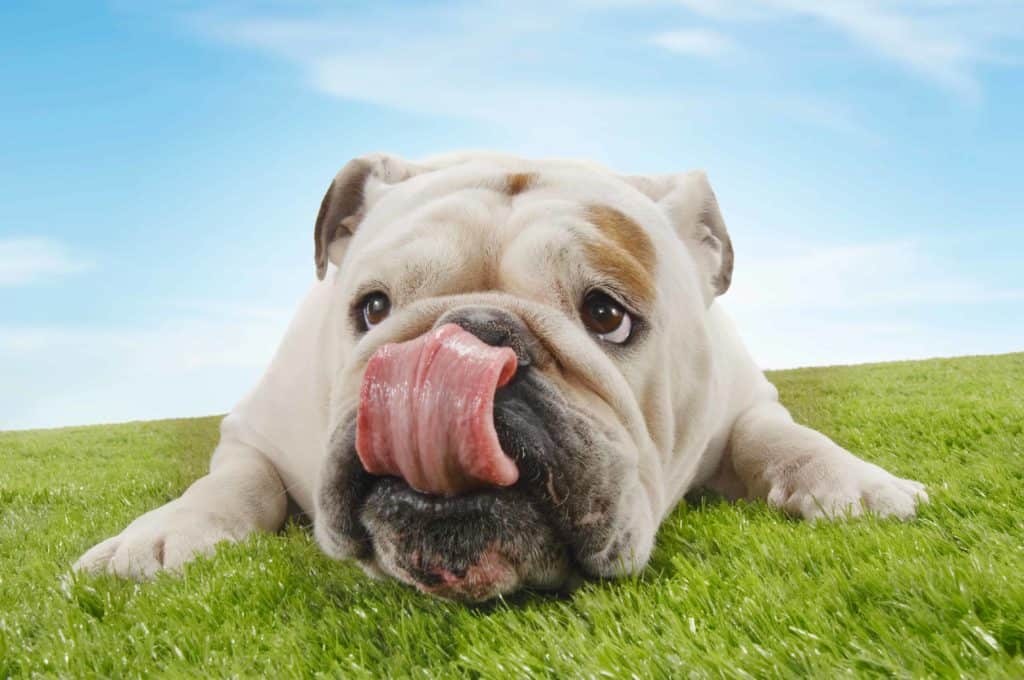
Maintaining a natural lawn requires time, water, and constant care. Mowing, fertilizing, weed control, and watering add up quickly. For dog owners, these tasks often feel repetitive when pets continue to reshape the yard.
Artificial turf reduces upkeep requirements significantly. There is no need for mowing or chemical treatments, and watering is limited to occasional rinsing. This allows owners to spend less time on upkeep and additional time enjoying outdoor activities with their pets.
In regions with variable weather, such as those that experience heavy rain followed by dry spells, turf provides consistent playability.
Solutions like fake grass are becoming increasingly popular, demonstrating how artificial turf can withstand regional climate conditions while delivering dependable performance for pet-friendly yards.
Safety and comfort for pets
Concerns about pet safety are central to any yard decision. Modern artificial turf products are designed with pets in mind.
Soft fibers cushion paws and joints, while stable backing prevents shifting underfoot.
Many turf systems are installed with materials that resist bacteria and odors, making them suitable for bathroom use. Regular rinsing keeps surfaces fresh, and the absence of fertilizers and pesticides reduces exposure to harmful chemicals.
Temperature is another factor owners consider. While turf can become warm in direct sunlight, shade planning and occasional watering help manage surface heat.
On particularly hot days, it is important for owners to monitor turf temperature and ensure pets have access to shaded areas or cool surfaces.
Avoid allowing dogs to spend extended periods on hot turf, as this can be uncomfortable for their paws.
With proper installation and care, artificial turf provides a comfortable, safe environment for dogs to explore.
Aesthetic attractiveness and property value
Beyond its functional benefits, artificial turf offers visual benefits that many homeowners appreciate.
A consistently green yard boosts curb appeal and creates a polished look year-round. Brown spots, patchy growth, and seasonal discoloration are no longer concerns.
For dog owners, this means no tradeoff between pet needs and appearance. The yard remains attractive while serving as a functional play and relief area. This appeals to families, neighbors, and potential buyers alike.
Artificial turf also supports a flexible design. It can be paired with hardscaping, shaded areas, and designated dog zones to create thoughtful outdoor spaces that meet both human and pet needs.
Final thoughts on artificial turf for dogs
Artificial turf has earned its place as a practical solution for dog owners who want cleaner, more durable, and easier-to-maintain yards. It addresses common problems such as mud, wear, and maintenance without limiting pets’ outdoor enjoyment.
However, it is important to consider likely drawbacks before making the switch. The upfront installation cost can be higher than that of maintaining a natural lawn, and some homeowners worry about the environmental impact of synthetic materials and their disposal after years of use.
Understanding water use is worth it. Artificial turf eliminates routine irrigation and typically reduces a homeowner’s water usage by around 70% each year, with even greater savings in hot or drought-prone regions.
The production of synthetic turf is itself water-intensive, and one environmental study estimated that a single field consumed between 1.3 and 2 million gallons of water during manufacturing alone.
There are broader trade-offs: unlike natural grass, artificial turf does not absorb rainwater, which can increase stormwater runoff and carry pollutants into local waterways. Natural grass supports carbon absorption, filters air pollutants, and helps regulate temperature — benefits that synthetic surfaces cannot replicate.
For most dog owners in warm, dry climates, the day-to-day water savings are real and meaningful. In cooler or wetter regions, the benefit is less pronounced. The right choice depends on your local climate, ecological priorities, and long-term budget.
As more households prioritize convenience, cleanliness, and long-term value, artificial turf continues to gain popularity.
By offering a safe and reliable surface for play and daily use, it allows dogs to be dogs while giving owners greater peace of mind.
Harper Lane is a freelance writer, longtime dog owner, and enthusiastic advocate for positive, compassionate pet care. Her writing focuses on helping fellow dog guardians better understand their pets, navigate common behavior challenges, and build stronger, more empathetic relationships at home.