
How to protect your dog from spring’s most dangerous threats

Spring is finally here. The days are longer, the grass is greener, and your dog is practically vibrating with excitement to sniff every inch of the neighborhood.
But before you grab the leash and head outside, take a breath. Spring isn’t just about sunbeams and belly rubs. It’s a minefield of hidden threats for your four-legged best friend.
Maybe you’re thinking, “What’s the worst that could happen? My dog’s always been fine.”
Or maybe you’re a “worry-wart” who double-checks every corner of the yard for trouble.
Either way, the anxiety is real. You want your dog to run, roll, and dig to their heart’s content—but you also want them to come home safe, tail wagging and all. That’s not too much to ask.
(And if you’ve ever Googled, “Is [insert random plant] toxic to dogs?” at 2 a.m., you’re not alone.)
Let’s cut through the noise and get real about what spring brings to your backyard. The threats are sneaky.
The risks are real. But with a little know-how, you can outsmart spring hazards for dogs and keep your beloved pup safe.
Toxic plants to watch out for in spring
- Toxic plants to watch out for in spring
- Common harmful pesticides and lawn chemicals
- Risks from wildlife encounters during spring
- Hydration and heat awareness
- Preparing your dog for allergy season
- Tips for safe outdoor activities with your dog in spring
- Hydration and heat awareness
- Know when to consult a vet
- First aid basics for spring mishaps
- Safe play alternatives
- Helpful resources
- Avoid spring hazards for dogs
Here’s the thing: plants are out here playing dirty. When you think the world’s looking pretty, up pops a flower that can turn your dog’s stomach—literally.
Harmful plants like Daffodils, tulips, azaleas, sago palm, lilies, and even common crocuses can make your dog sick, or worse. New growth is everywhere in spring, and dogs, being dogs, love to taste-test everything.
You can’t police every blade of grass, but you can learn what’s dangerous.
Daffodils? They might look innocent, but they can cause severe vomiting and even heart issues.
Azaleas? One bite can send your dog into drool city, or worse, into cardiac arrest.
Even those beautiful bluebells lining your favorite trail are bad news.
So, what’s the move? Snap a few photos of the plants on your daily walk and look them up later.
Install a plant identification app on your phone.
And if your dog’s a chewer, keep them on a short leash around flower beds and unfamiliar greenery.
Prevention is everything.
And don’t forget those pretty flowers can attract bees, which could lead to bee stings if your curious pup tries to chomp one of them.
Common harmful pesticides and lawn chemicals
Spring means lawn makeovers, and that’s when the chemicals come out.
Weed killers, fertilizers, slug pellets, and pest sprays—none of these belong anywhere near your dog’s paws. They don’t just stick to fur; they stick to noses, tongues, and eventually, stomachs.
You know the smell—that sharp, chemical tang hanging in the air after someone treats a lawn.
If you can smell it, chances are your dog’s already rolling in it. Exposure can lead to drooling, vomiting, seizures, or worse. It’s not pretty.
Here’s a tip: always check if your neighbors are spraying.
If you treat your own lawn, keep your dog off it for at least 24–48 hours, and wash their paws after every walk. Keep an eye out for little blue or green pellets—that’s often slug bait, and it’s deadly if eaten.
Better yet, use natural solutions like boiling water, sugar, salt, cornmeal, or vinegar to kill weeds and keep your dog safe.
When in doubt, err on the side of caution. Your dog will thank you with one less emergency vet visit.
Risks from wildlife encounters during spring
Spring is baby season for wildlife. That means more birds, more rabbits, more snakes, and, yes, more trouble.
Dogs are curious, and baby animals don’t know when to run. It’s a recipe for disaster.
Ever watched your dog go nose-to-nose with a baby bunny? Adorable, right? Until Mama Rabbit shows up, or your dog catches something they shouldn’t.
And let’s not even start on snakes—spring is when they wake up hungry and cranky. A single bite can turn an afternoon walk into a race to the ER.
Keep your dog leashed in unfamiliar areas. Avoid tall grass and piles of leaves where critters might hide.
And if you spot wildlife, call your dog back fast. No one wants to explain to Animal Control why Fido’s chasing ducklings through the park.
And be aware that wild animals can pass Leptospirosis to your pup. Leptospirosis is a bacterial infection spread by wildlife, mainly in wet or muddy areas with stagnant water.
Dogs and people are at risk through contact with contaminated water, soil, or animal urine. It can cause flu-like symptoms and, in severe cases, liver or kidney disease.
Hydration and heat awareness
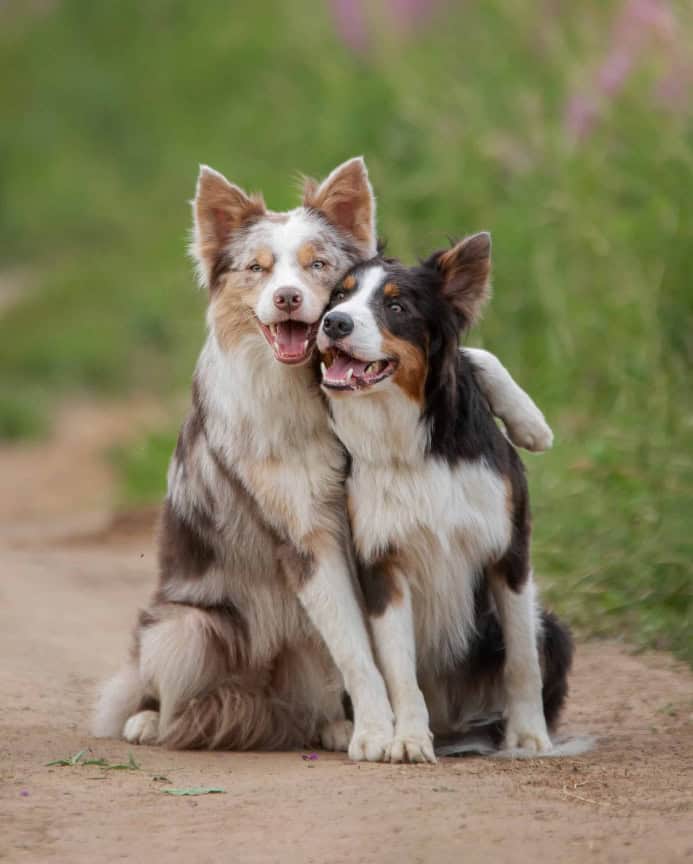
As spring temperatures climb, it’s easy for dogs to overdo it—especially when they’re excited to spend more time outside.
Always bring fresh water on walks and offer it frequently, even if your dog doesn’t seem thirsty.
Avoid strenuous play during the hottest part of the day (usually mid-afternoon) and seek shade whenever possible.
Watch for early signs of overheating: excessive panting, bright red gums, drooling, sluggishness, or confusion.
If your dog starts to show these symptoms, move them to a cool area right away, offer water, and wet their paws and belly with cool (not cold) water. Never ignore these signs—heatstroke can develop quickly and is life-threatening.
Even on mild spring days, blacktop and artificial turf can get hot enough to burn paws.
Test surfaces with your hand before letting your dog walk on them for long periods.
Stay alert, keep your dog hydrated, and make sure every outdoor adventure ends with a happy, healthy pup.
Preparing your dog for allergy season
Dogs get spring allergies, too. You know that watery-eyed, sneezy, itchy feeling you get when pollen’s in the air?
Your dog feels it, too—minus the antihistamines and tissues. If your pup’s scratching nonstop, licking their paws, or sporting red, watery eyes, allergies might be the culprit.
Spring pollen, mold spores, and even flea bites can set off a dog’s immune system. And guess what? Their allergies can look like skin problems or ear infections. It isn’t always clear-cut.
Wipe your dog down with a damp cloth after every walk. Regular baths with a gentle, hypoallergenic shampoo can help keep allergens at bay.
Wash their bedding often. And if your dog’s symptoms get worse, talk to your vet about allergy meds or special diets. Don’t just “wait and see”—your dog’s comfort is on the line.
Tips for safe outdoor activities with your dog in spring
Spring adventures are the best—if you play it smart. Want to hit the hiking trails? Scope out the area first. Check for posted warnings about pesticides, wildlife, or off-leash rules.
Bring water (for both of you!), and don’t let your dog drink from puddles or streams. Those can be full of bacteria, parasites, or even toxic algae.
Stick to well-marked paths, and keep your dog’s ID tags and microchip info up to date. Dogs are escape artists, especially when something interesting catches their attention.
Keep an emergency kit handy with tweezers (for ticks), saline rinse (for eyes), and some spare poop bags.
Tick season starts in early spring, but don’t forget about fleas and mosquitoes—these pests are just as active and just as risky. Ticks can be especially dangerous since they can carry Lyme disease.
Spotting and preventing parasites
Fleas: Look for excessive scratching, red bumps, or flea dirt (tiny black specks) in your dog’s fur. Fleas are tiny but fast-moving, often hiding around the neck, belly, and base of the tail.
Ticks: After outings, especially in grassy or wooded areas, check your dog thoroughly—pay special attention to ears, under the collar, between toes, and in armpits. Ticks latch on and can be as small as a poppy seed or as large as a pencil eraser.
Mosquitoes: These can bite anywhere, but especially target areas with little hair (like the nose and ears). Mosquitoes can transmit heartworm, a dangerous disease for dogs.
Prevention and protection
- Use vet-approved flea, tick, and heartworm preventatives year-round, but especially in spring and summer. These may come as oral medications, topical treatments, or collars—ask your vet which is best for your dog.
- Keep your yard trimmed and free of standing water (which attracts mosquitoes).
- Wash your dog’s bedding regularly and vacuum carpets to remove flea eggs.
- Avoid walking your dog at dawn and dusk in mosquito-heavy areas.
If you ever find a tick, remove it promptly and safely with tweezers, grasping as close to the skin as possible and pulling straight out. Save the tick in a plastic bag for identification, just in case your dog shows symptoms later.
Staying on top of parasite prevention means fewer risks—and more worry-free adventures—for you and your pup.
Hydration and heat awareness

As spring temperatures climb, it’s easy for dogs to overdo it—especially when they’re excited to spend more time outside.
Always bring fresh water on walks and offer it frequently, even if your dog doesn’t seem thirsty.
Avoid strenuous play during the hottest part of the day (usually mid-afternoon) and seek shade whenever possible.
Watch for early signs of overheating: excessive panting, bright red gums, drooling, sluggishness, or confusion.
If your dog starts to show these symptoms, move them to a cool area right away, offer water, and wet their paws and belly with cool (not cold) water. Never ignore these signs—heatstroke can develop quickly and is life-threatening.
Even on mild spring days, blacktop and artificial turf can get hot enough to burn paws.
Test surfaces with your hand before letting your dog walk on them for long periods.
Stay alert, keep your dog hydrated, and make sure every outdoor adventure ends with a happy, healthy pup.
Know when to consult a vet
Sometimes, despite your best efforts, your dog gets into trouble. The key? Act fast. Don’t wait for “it might pass.”
If your dog vomits, has trouble breathing, drools excessively, or acts strangely after being outside, get them to the vet—stat. The same goes for swollen faces, hives, or sudden lethargy.
Trust your gut. You know your dog better than anyone. If something feels off, it probably is. And if you’re the type who worries you’ll “overreact,” ignore that little voice. Your dog would rather you be safe than sorry.
First aid basics for spring mishaps
Here’s a quick checklist to help you act fast in case of common spring emergencies:
Snake bite
- Keep your dog calm and as still as possible to slow the spread of venom.
- Do NOT try to suck out the venom or apply a tourniquet.
- Carry or gently walk your dog to the car.
- Get to the nearest emergency vet immediately—call ahead if you can.
Pesticide exposure
- If your dog’s skin or fur is exposed, rinse the area thoroughly with lukewarm water and mild soap.
- Prevent your dog from licking their fur or paws.
- If your dog has ingested a chemical, do NOT induce vomiting unless told to do so by a vet or poison control.
- Bring the product label or container to the vet if possible.
- Call your vet or the Pet Poison Helpline (855-764-7661) right away.
Allergic reaction
- Remove your dog from the allergen source if possible.
- Mild symptoms: Call your vet for advice—sometimes they’ll recommend an appropriate antihistamine and dose.
- Severe symptoms (trouble breathing, vomiting, collapse): Go to the emergency vet immediately.
Stay calm, act quickly, and always consult a veterinarian for advice in any emergency. Preparation and quick thinking can make all the difference.
Safe play alternatives
If outdoor hazards have you feeling anxious, you can still keep your pup happy and active with safe, fun alternatives.
Try these ideas for indoor or backyard play:
Indoor games: Play hide-and-seek with treats, set up a mini obstacle course with household items, or teach your dog a new trick or command. Tug-of-war and fetch (using soft toys) work great in hallways or larger rooms.
Puzzle toys: Food-dispensing or puzzle toys keep your dog’s mind engaged and help burn off energy on days when you prefer to stay inside.
Backyard fun: If your yard is secure, set up a safe scavenger hunt by hiding treats or toys, or create a DIY agility course with cones, tunnels, or hula hoops. Supervised sprinkler play or gentle water games can also help dogs cool down and stay entertained.
Interactive play: Rotate toys to keep things exciting, or schedule a playdate with a trusted neighbor dog.
Mix things up to find what your dog enjoys most. With a little creativity, you’ll keep their tail wagging—even when outdoor exploration needs a break.
Helpful resources
When in doubt, it helps to know exactly where to turn. Keep these key resources handy:
- Emergency Vet Clinics: Find out where your nearest 24/7 animal emergency hospital is located and save the number in your phone.
- Poison Control Hotlines: The ASPCA Animal Poison Control Center (888-426-4435) and the Pet Poison Helpline (855-764-7661) offer expert advice in case of toxins or accidental ingestion.
- Your vet: Most clinics offer after-hours guidance or can refer you to emergency services.
- Pet safety groups: Many neighborhoods have online groups (Nextdoor, Facebook, local shelters) where pet owners share alerts about hazards or lost pets.
- Preparedness tip: Write down these contacts and keep them with your dog’s medical records, both at home and in your car or emergency kit.
Having these resources at your fingertips can make all the difference in a stressful moment and help you act quickly to keep your dog safe.
Avoid spring hazards for dogs
Spring is a wild ride for dogs and owners alike. With all the new sights, smells, and adventures, it’s easy to get swept up in the fun.
But those hidden hazards? They’re not going anywhere. Stay sharp, trust your instincts, and don’t let your guard down—even when the sun’s shining, and your dog’s tail is wagging.
Remember, you’re not just your dog’s best friend—you’re their protector, too.
So go ahead, let them sniff every flower and chase every squirrel (well, maybe not every squirrel). Just do it with eyes wide open and a game plan for whatever spring throws your way.
That’s how you keep your dog safe, happy, and ready for a summer full of new adventures.
Sara B. Hansen has spent 20-plus years as a professional editor and writer. She’s also the author of The Complete Guide to Cocker Spaniels. She created her dream job by launching DogsBestLife.com in 2011. Sara grew up with family dogs, and since she bought her first house, she’s had a furry companion or two to help make it a home. She shares her heart and home with Nutmeg, a Pembroke Welsh Corgi. Her previous dogs: Sydney (September 2008-April 2020), Finley (November 1993-January 2008), and Browning (May 1993-November 2007). You can reach Sara @ editor@dogsbestlife.com.