
Your senior dog wants to run this spring: Here’s how to safely let them

Spring’s here—birds return, grass greens, and your senior dog wants to go outside.
You want to indulge them, but after winter, you wonder: Is it safe? Could they get hurt?
Balancing joy and worry can quietly exhaust anyone who loves older dogs.
Spring’s call is strong—your dog feels it most.
So, with spring here and your dog’s excitement obvious, let’s talk about how to engage safely.
Understanding joint health in senior dogs
- Understanding joint health in senior dogs
- Common joint issues in senior dogs
- Signs of joint pain or discomfort
- Benefits and risks of outdoor activity in spring
- Tips for balancing exercise and rest
- Recommended types of exercise for senior dogs
- Joint supplements and diet considerations
- Monitoring your senior dog’s progress and health
- When to consult a veterinarian
- Seasonal hazards to watch for
- Spring safety checklist for senior dogs
- Ensure a happy and healthy spring for your aging dog
Here’s the truth: your dog’s joints have been working hard their entire life. Every fetch, every sprint, every leap off the couch has added up.
Think of a hinge: bones meet, cushioned by cartilage and lubricated by synovial fluid. Over time, cartilage thins and fluid decreases, making movement rough and causing stiffness and soreness.
Think of it like a door hinge that hasn’t been oiled in years. It still opens. But not without a groan.
The good news? Understanding what’s happening inside those joints puts you miles ahead of most dog owners.
Knowledge is the first step toward action.
Common joint issues in senior dogs
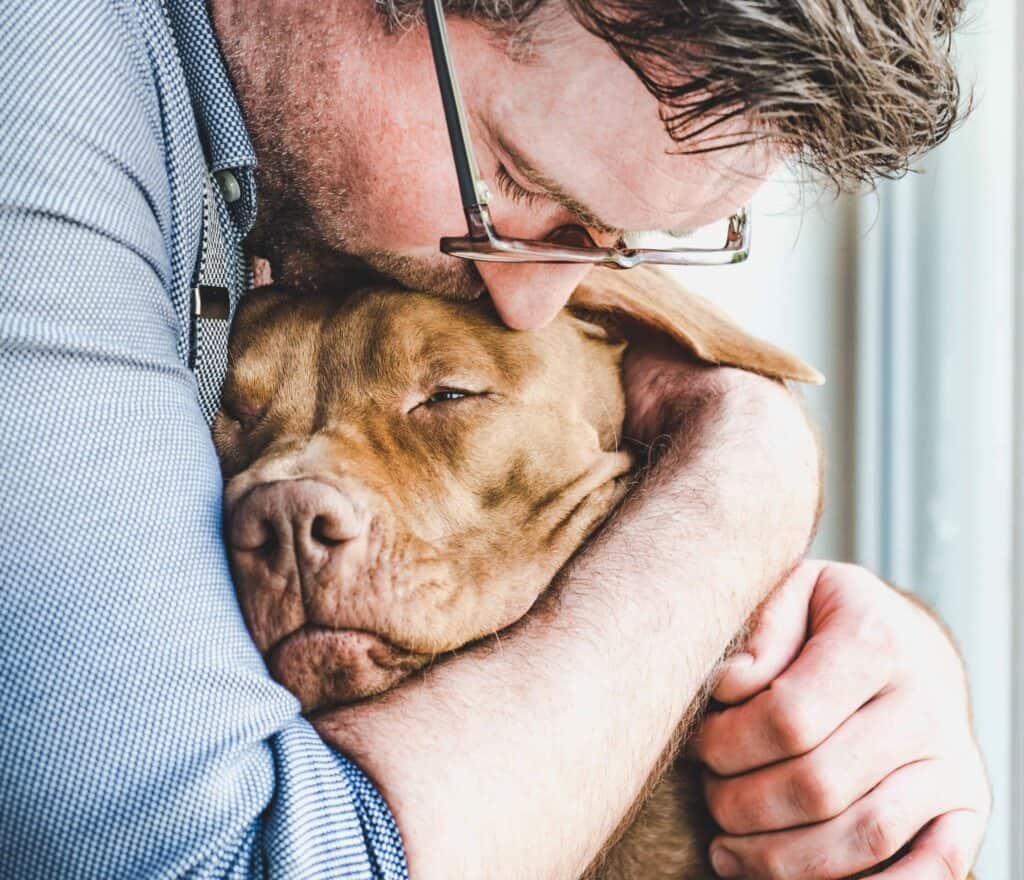
You’re not imagining things when your older dog takes twice as long to get up from their bed. That slowness has a cause. Years of running, jumping, and just being a dog wear down cartilage and inflame joints.
Osteoarthritis is the most frequent culprit, but hip dysplasia, old ligament injuries, and carrying too much weight all play a role, too.
One in four dogs has arthritis. Osteoarthritis—ongoing cartilage breakdown—often reduces comfort and mobility if left unmanaged.
That’s a sobering number. But here’s the flip side: with proper treatment, you can help your dog live comfortably for years after a diagnosis. That’s not false hope. That’s a real, achievable outcome.
Signs of joint pain or discomfort
Your pet can’t tell you their hip hurts. They can’t sit you down and say, “Hey, I struggled on the stairs today.”
A key factor in senior dog care is knowing that dogs often hide discomfort, so it’s important to spot subtle behavioral changes.
Look for changes: skipping the couch, thinner back end, slow mornings, swollen joints, or favoring a limb. These subtle signs matter and indicate health issues.
The dog who used to race you to the door now hangs back. The one who’d beg for a game of fetch now watches the ball roll past. Stairs become a negotiation. Any of these shifts — especially when they’re new — deserve a conversation with your vet.
Don’t wait for the obvious. Trust your gut. You know your dog.
Benefits and risks of outdoor activity in spring
This is where things can get a little complicated, and where many well-meaning dog owners make mistakes.
Spring outdoor activity is not a problem.
In fact, exercise can improve joint mobility, reduce pain and inflammation, strengthen your dog’s muscles, and keep them active. It also helps with weight management and strengthens the bond between you and your dog.
Too much too soon is risky. If your dog was less active over winter, start with short, frequent walks and gradually increase them. Let your dog’s behavior set the pace.
Think of it like this: if you spent three months on the couch, you wouldn’t sign up for a 10K on the first warm day. Your dog needs the same common sense. More movement puts more strain on your dog’s joints.
Spring is a gift, but you should take it slow.
Tips for balancing exercise and rest
Balance. That’s the whole game when it comes to senior dogs in spring.
Remember: Regular, gentle activity supports senior dogs more than any supplement or gadget. Consistency—short, daily sessions—is the key takeaway for long-term health.
A few non-negotiables to keep in mind:
- Warm up first. Begin with a slow, easy walk to get muscles and joints moving before picking up the pace. Watch for signs of fatigue — panting, limping, or reluctance to move — and stop if you notice any of these.
- Provide water. Older dogs may dehydrate faster during exercise.
- Monitor behavior. Adjust exercises based on your dog’s comfort and energy levels.
- Provide a comfortable, supportive bed to help reduce pressure on their joints while they rest.
Rest isn’t failure. Rest is part of the plan.
Recommended types of exercise for senior dogs
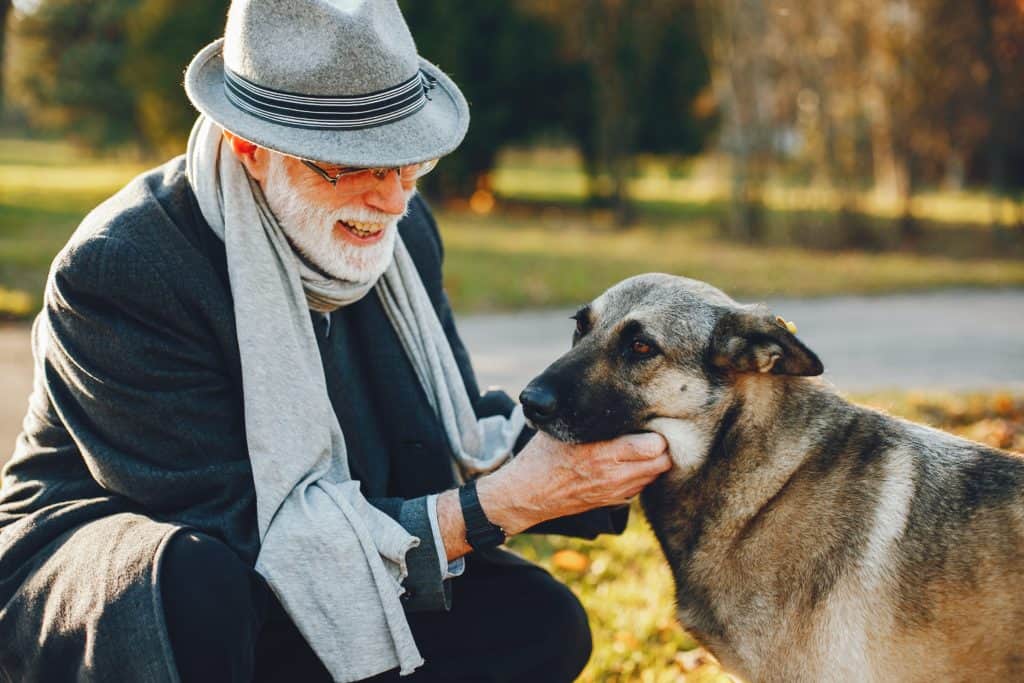
So what does good spring exercise look like for an older dog? It is gentler than you might think and often more effective than you would expect.
Here’s the paradox: the joints that hurt most actually need movement to stay healthy. Regular, gentle activity keeps muscles strong and joints supported — it’s inactivity that accelerates damage.
Choose grass over pavement to lower joint impact. Split walks into shorter ones. Keep fetch gentle and short. Try brief massages if your dog likes them.
Swimming deserves its own spotlight here. The water’s buoyancy reduces pressure on the joints, while the resistance builds muscle strength and range of motion.
If your dog tolerates water, spring is the perfect time to explore hydrotherapy — ask your vet for a referral to a canine rehab center, or let your dog wade in a shallow backyard pool at their own pace.
Don’t underestimate mental exercise either. Nose work, puzzle feeders, and simple training games all keep your senior dog’s brain and body engaged without taxing their joints.
A tired brain means a calmer, happier body.
Joint supplements and diet considerations
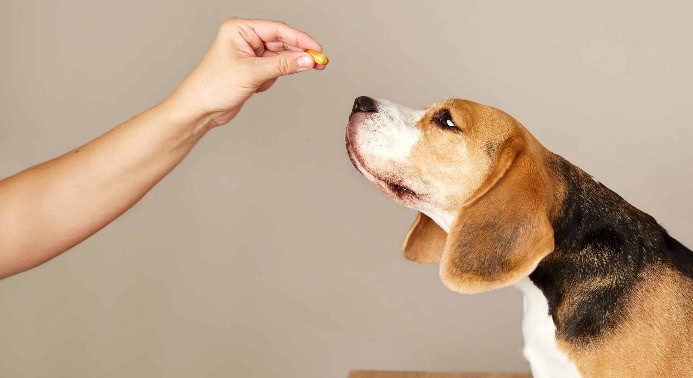
Choose dog-specific, clearly labeled supplements that have undergone third-party testing. Always check with your vet before starting anything new.
The heavy hitters in the joint supplement world are glucosamine, chondroitin, and omega-3 fatty acids. Glucosamine helps slow cartilage breakdown.
Chondroitin keeps joints lubricated and moving. Omega-3s fight the inflammation that makes everything worse. Turmeric rounds out the natural options with its own solid anti-inflammatory track record.
Glucosamine, chondroitin, and fish oil together slow joint damage, restore lubrication, and reduce inflammation. This is not a cure, but it can help significantly.
Diet matters as much as supplements. Omega-3s fight inflammation.
Extra weight strains joints. Losing even a little weight helps.
Supplements are just one part of the plan. They work best alongside weight management, therapy, and veterinary guidance.
Monitoring your senior dog’s progress and health
Spring is a season of change. Your dog’s needs will shift week by week as they become more active. That means you need to stay on your toes.
If your dog is more stiff, swollen, or suddenly loses enthusiasm, call your vet. Whatever felt fine last week may change quickly.
Key takeaway: Track your dog’s daily movement and behavior. Your notes can help your vet provide care and catch changes early.
When to consult a veterinarian
Here’s the thing most dog owners get backward: they wait until something is obviously wrong before calling the vet. Don’t do that.
Main takeaway: Schedule routine check-ups for your senior dog—ideally every six months—to update care plans and actively address health changes.
Spring is actually the perfect time to schedule a wellness visit, before you increase outdoor activity, not after something goes wrong.
Your vet can assess your dog’s current joint health, recommend appropriate exercise levels, and discuss supplement and diet options customized to your dog’s needs.
If stiffness persists for more than a few days and affects mobility, appetite, or behavior, arthritis is likely and warrants a vet visit. That’s not a “wait and see” situation. That’s a “call today” situation.
If you are considering any additional supplements, medications, or exercise changes, always check with your vet before making changes to your dog’s routine, whether it is diet, supplements, or exercise.
Every dog is different. What works well for one senior dog might not be right for yours.
Seasonal hazards to watch for

Joint health isn’t the only thing spring puts at risk. The same season that coaxes your dog back outside also brings a fresh set of hazards that hit senior dogs harder than younger ones.
Ticks and fleas thrive as temperatures rise. Senior dogs — especially those on immunosuppressive medications or with underlying health conditions — may be more vulnerable to tick-borne illnesses, such as Lyme disease.
Check your dog thoroughly after every outdoor outing, paying close attention to ears, armpits, and between the toes. Talk to your vet about age-appropriate flea and tick prevention if you haven’t already.
Pollen allergies are real for dogs, too. Sneezing, watery eyes, itchy skin, and excessive paw licking are all signs your senior dog may be reacting to seasonal allergens.
If you notice these symptoms ramping up in spring, mention them at your next vet visit — there are safe, effective options to manage seasonal allergies in older dogs.
Toxic plants are another spring threat that’s easy to overlook. Many common spring flowers — tulips, daffodils, azaleas, and sago palms, to name a few — are poisonous to dogs.
Senior dogs may be less nimble about avoiding things they shouldn’t eat, so it’s worth knowing what’s growing in your yard and along your regular walking routes.
Standing water from spring rains can also harbor bacteria and parasites, such as Leptospira and Giardia. Steer your dog away from puddles and stagnant water, and make sure their vaccinations are up to date.
Spring is beautiful — it just comes with a few extra things to keep an eye on.
Spring safety checklist for senior dogs
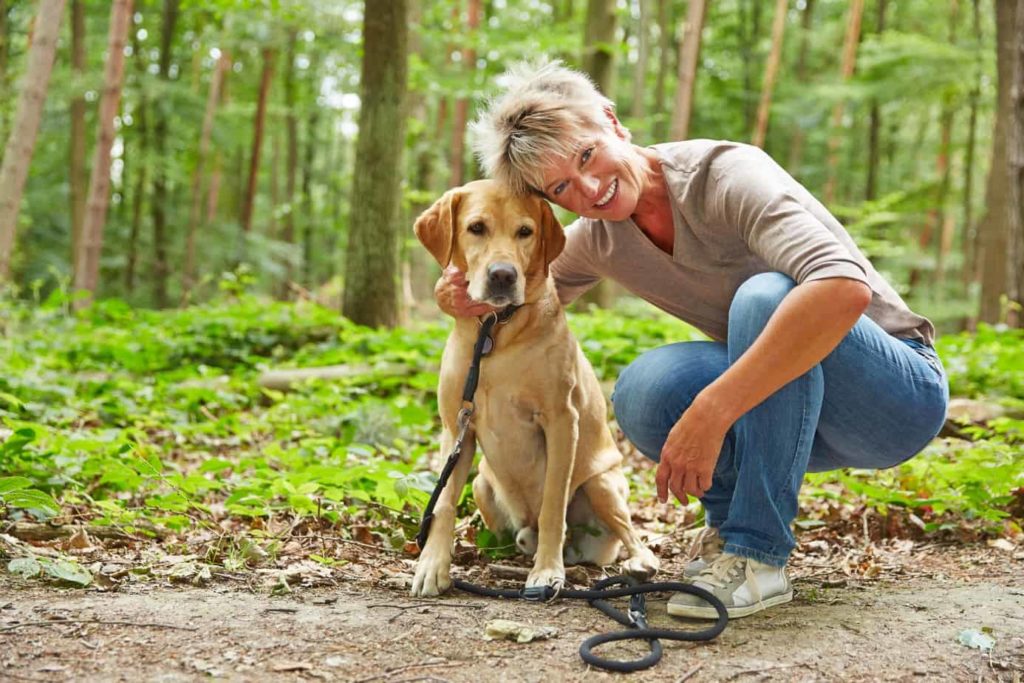
Busy week? Keep this list handy.
Before heading outside:
— Warm up with a slow, easy walk before picking up the pace
— Bring fresh water, especially on warmer days
— Check the yard and walking route for toxic plants or standing water
— Apply vet-approved flea and tick prevention
During activity:
— Watch for signs of fatigue: panting, limping, lagging behind
— Choose grass over pavement when possible
— Keep sessions short and consistent rather than long and infrequent
— Let your dog set the pace — don’t push through reluctance
After the walk:
— Check for ticks, especially in ears, armpits, and between toes
— Watch for signs of allergies: sneezing, itching, or paw licking
— Give joints time to recover with a comfortable, supportive resting spot
Ongoing care:
— Schedule a spring wellness vet visit before ramping up activity
— Review joint supplements with your vet (glucosamine, chondroitin, omega-3s)
— Track daily movement and behavior — note any new stiffness or changes
— Maintain a healthy weight to reduce joint strain
Ensure a happy and healthy spring for your aging dog
Your senior dog doesn’t need to be wrapped in bubble wrap this spring. They need you to be smart, consistent, and pay attention.
Senior pets want to feel the sun on their face and smell the new season. They want to walk beside you on a warm morning. They want the simple, ordinary joy of being a dog outside in spring.
Old age doesn’t have to rob your dog of their active joy or mobility — with proper treatment and care, they can romp and frolic every day of their lives.
So take it slow. Warm them up. Watch for the signs. Feed them well. Supplement thoughtfully. And go outside.
Your older dog is counting on you, and they have never doubted that you would be there for them. Don’t start doubting yourself now.
Because here’s the truth: these are the golden years — for both of you. The slower walks, the careful mornings, the extra time spent just watching them sniff a patch of new grass — these are not inconveniences.
They are the moments you’ll remember. Spring has a way of reminding us that life is still full and worth savoring, even when it moves a little more slowly than it used to.
Enjoy every single step.
Sara B. Hansen has spent 20-plus years as a professional editor and writer. She’s also the author of The Complete Guide to Cocker Spaniels. She created her dream job by launching DogsBestLife.com in 2011. Sara grew up with family dogs, and since she bought her first house, she’s had a furry companion or two to help make it a home. She shares her heart and home with Nutmeg, a Pembroke Welsh Corgi. Her previous dogs: Sydney (September 2008-April 2020), Finley (November 1993-January 2008), and Browning (May 1993-November 2007). You can reach Sara @ editor@dogsbestlife.com.