
Dog ear infections: Why they happen and how to treat and prevent them
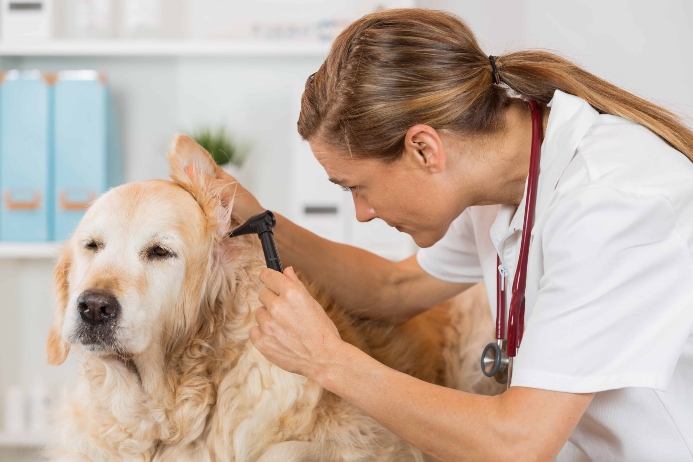
Your dog won’t stop shaking his head. He’s pawing at his ear as it owes him money.
Something’s off, and you know it before you even lift the flap to look.
That’s the thing about ear infections in dogs. They announce themselves loud and clear, long before you get a diagnosis.
Ear infections are one of the most common reasons dogs end up at the vet. Some breeds practically have a standing appointment for it.
The good news? Most cases are manageable, a lot of them are preventable, and once you know the dog ear infection symptoms to look for, you’ll never second-guess that head tilt again.
Why dogs get ear infections in the first place
A dog’s ear canal is basically an L-shaped tube, dark, warm, and humid. That’s a five-star resort for bacteria and yeast if conditions tip the wrong way.
A few common triggers push things over the edge.
Allergies. Environmental allergies and food sensitivities are the number one culprit behind chronic ear trouble. Allergies inflame the skin lining the ear canal, and inflamed skin produces more wax and oil. More wax and oil means more fuel for bacteria and yeast to throw a party.
Moisture. Swimming, baths, even a humid summer day can leave water trapped in the canal. Water plus warmth is basically an incubator. If your dog’s a water-lover, this is probably the single biggest factor working against him.
Ear mites. More common in puppies and cats, but dogs get them too. Mites cause intense itching and a distinctive coffee-ground-like debris. They’re contagious between pets, so if one animal in the house has them, check the others.
Breed anatomy. Floppy ears trap heat and block airflow like a lid on a pot. Breeds with hairy ear canals, think Poodles and their mixes, add another layer of insulation that holds moisture in. Cocker Spaniels, Basset Hounds, Labradors, and other droopy-eared breeds are the usual suspects for repeat infections, simply because their ears were built for style over ventilation.
None of these causes work alone, either. A Labrador with allergies who also loves the lake is stacking the deck against himself in three different ways at once.
Dog ear infection symptoms: What your dog is trying to tell you
Dogs can’t say “my ear hurts.” They show you instead. Here’s what to watch for.
- Head shaking. Frequent, vigorous, sometimes almost frantic. This is often the very first sign.
- Scratching. At the ear, around the ear, sometimes hard enough to cause secondary scrapes.
- Odor. A yeasty, musty, or downright foul smell coming from the ear. If you notice it from a few feet away, that’s not subtle. That’s a problem.
- Discharge. Brown, yellow, or bloody buildup inside the ear or on the fur underneath it.
- Redness and swelling. The inner ear flap or canal opening looks angry and inflamed.
- Sensitivity to touch. Your dog flinches, pulls away, or gets grumpy when you go near the ear. Pain does that.
Catch these early and treatment is usually straightforward. Let them slide for weeks, and you’re looking at a longer, tougher road back to comfort.
Safe at-home ear cleaning
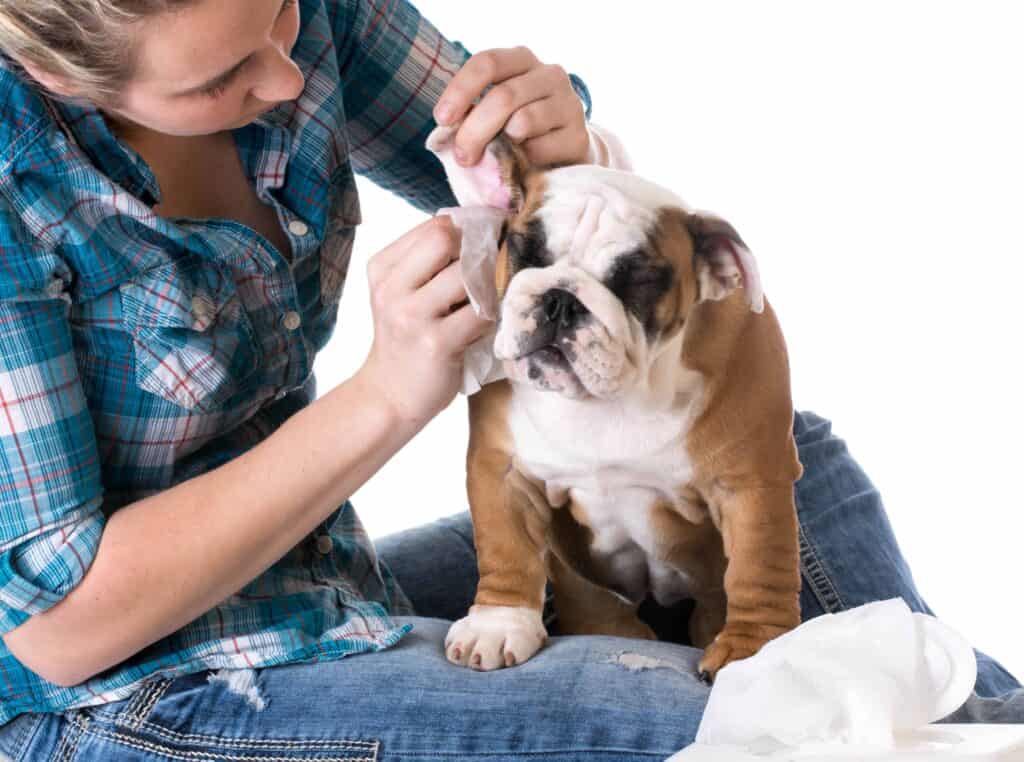
For mild irritation or as routine maintenance, a proper at-home cleaning goes a long way. Here’s how to do it right.
What you’ll need: a vet-approved ear cleaning solution, cotton balls or gauze, and a whole lot of patience.
The technique:
- Fill the ear canal generously with cleaning solution. Don’t be shy with it.
- Massage the base of the ear for a solid 20 to 30 seconds. You should hear a satisfying squelch. That sound means the solution is breaking up debris down in the canal.
- Let your dog shake his head. Seriously, step back and let him go for it. This is nature’s way of flinging loosened gunk up and out.
- Wipe away what’s visible in the outer ear with a cotton ball or gauze.
- Repeat on the other ear, and reward with a treat. Every time. This turns a wrestling match into something your dog might actually tolerate.
What to avoid:
- Cotton swabs. Q-tips push debris deeper into the canal instead of removing it, and they risk damaging the eardrum. Stick to the outer ear only, and use your fingers or a cotton ball for that.
- Alcohol or hydrogen peroxide. Both sting on irritated skin and can actually delay healing. They’re not designed for this job, no matter how often they show up in old home remedies.
- Over-cleaning. Healthy ears don’t need daily attention. Cleaning too often can strip natural protective oils and irritate skin that was doing just fine on its own.
If your dog already has an active infection, home cleaning alone won’t cut it. This is maintenance and prevention, not treatment for a full-blown infection.
If you suspect an infection, it’s important to book a visit with your vet. Only a veterinarian can diagnose the type of infection and prescribe the right medication to get your dog comfortable again.
When it’s time to call the vet
Home care has its limits, and knowing where that line sits saves your dog unnecessary discomfort. Book a vet visit if you notice any of the following.
- The infection keeps coming back, even after treatment.
- Your dog seems to be in real pain, not just mild irritation.
- There’s significant swelling, heat, or a strong odor that isn’t improving.
- You notice changes in hearing, balance, or a persistent head tilt.
- The ear canal looks narrowed, thickened, or has visible sores.
Chronic infections frequently point to an underlying cause, usually allergies, that needs its own diagnosis and management plan.
A vet can also determine whether bacteria, yeast, or mites are behind the flare-up, since each one calls for a different medication. Guessing wrong here wastes time while your dog stays uncomfortable.
Some ear problems need emergency attention, not simply a call to the vet in the morning.
Urgent signs include a swollen or severely painful ear, bleeding from the ear, sudden problems with balance, walking in circles, rapid head tilting, or your dog seeming extremely disoriented.
If you see these symptoms, get your dog to a veterinarian right away. For a full breakdown of red-flag symptoms across other areas of health, our vet warning signs guide covers what’s worth a phone call and what can wait until morning.
Prevention: Keep the cycle from starting
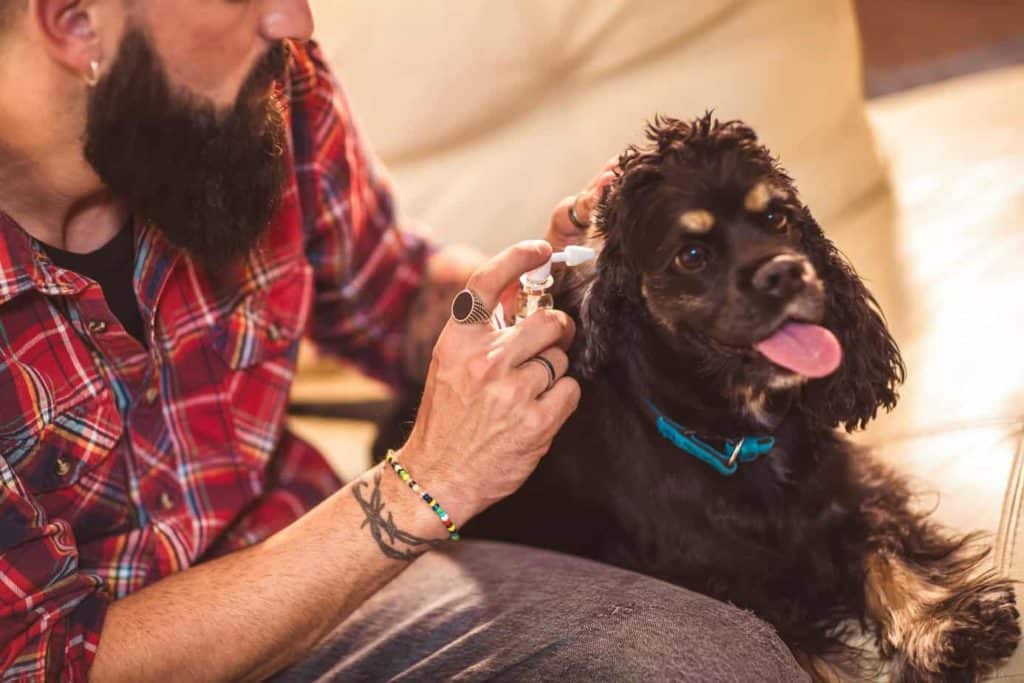
The best ear infection is the one that never happens. A little routine goes a long way, especially for at-risk breeds.
Dry ears after every swim or bath. Water is the enemy here. A soft towel followed by a few minutes of gentle airflow, even just a low fan setting, cuts down on trapped moisture significantly. If your dog is a regular swimmer, our pool safety guide covers the full post-swim routine, including ear care.
Check ears weekly. Lift the flap, take a look, take a sniff. You’re not looking for a spa-fresh scent, just the absence of anything alarming. Getting familiar with what “normal” looks and smells like for your dog makes it easy to spot when something’s changed.
Manage allergies. If your dog has known environmental or food allergies, staying on top of that management plan does double duty for skin and ears alike.
A few simple steps can help: work with your vet to identify any triggers and discuss whether a hypoallergenic diet is right for your dog, stick to prescribed allergy medications if recommended, and schedule routine check-ins to observe symptoms.
Simple changes like bathing your dog with a vet-approved gentle shampoo or limiting exposure to pollen-heavy environments in peak seasons can also make a difference.
Trim or pluck excess ear hair on high-risk breeds. If your dog has notably hairy ear canals, talk with your groomer or vet about the safest way to handle it.
While some owners are tempted to try trimming at home, it’s easy to accidentally injure the sensitive skin inside the ear or cause discomfort.
For most dogs, especially if you’re not experienced, it’s best to let a professional do the job. Professionals know how to avoid pinching, nicking, or pulling too much hair, and they can show you safe techniques if you’d like to learn for simple maintenance.
Less hair means better airflow, and better airflow means a drier, less hospitable environment for infection.
Use a preventive cleaning routine for swimmers and floppy-eared breeds. Not daily, but a light routine cleaning every one to two weeks can head off trouble before it starts. Check with your vet on what frequency makes sense for your specific dog.
How to treat a dog’s ear infection
If you suspect your dog has an ear infection—marked by head shaking, scratching, odor, redness, or discharge—the most important first step is to schedule a visit with your veterinarian.
Only a vet can determine the underlying cause (bacteria, yeast, or mites) and prescribe the appropriate medication.
Never use leftover treatments or over-the-counter products without veterinary guidance, as the wrong medication can make things worse or fail to resolve the issue.
At the appointment, your vet will examine your dog’s ears, possibly take a swab for microscopic analysis, and recommend a course of treatment.
This often includes prescription ear drops or ointments, which must be administered exactly as directed. In some cases, oral antibiotics or antifungal medications may be required if the infection is severe or has spread beyond the ear canal.
While your dog is being treated, avoid getting the ears wet and follow your vet’s cleaning instructions closely.
Do not attempt deep cleaning or use cotton swabs inside the ear canal, as this can push debris further in or cause injury.
If your veterinarian recommends cleaning, use only a vet-approved ear cleaner and gentle technique as shown in their office.
Improvement should be noticeable within a few days, but always complete the full course of medication, even if symptoms resolve early.
If your dog’s symptoms worsen or fail to improve, contact your vet—chronic or recurrent infections may signal an underlying issue like allergies that require additional management.
Prompt, proper treatment not only relieves your dog’s discomfort but also helps prevent long-term complications such as hearing loss or chronic pain.
Final thoughts on dog ear infections
Ear infections are frustrating, but they’re rarely mysterious once you know the pattern.
Moisture, anatomy, and allergies do most of the damage, and a little vigilance does most of the defending.
Watch for the early signs, clean smart instead of often, and know when it’s time to hand things over to your vet.
Your dog will thank you, probably by finally sitting still long enough for a good ear scratch, the enjoyable kind this time.
For more on spotting trouble early across your dog’s overall health, take a look at our guide on common dog health problems.
Sara B. Hansen has spent 20-plus years as a professional editor and writer. She’s also the author of The Complete Guide to Cocker Spaniels. She created her dream job by launching DogsBestLife.com in 2011. Sara grew up with family dogs, and since she bought her first house, she’s had a furry companion or two to help make it a home. She shares her heart and home with Nutmeg, a Pembroke Welsh Corgi. Her previous dogs: Sydney (September 2008-April 2020), Finley (November 1993-January 2008), and Browning (May 1993-November 2007). You can reach Sara @ editor@dogsbestlife.com.