
What are the 12 best dog breeds for a hot, humid climate?
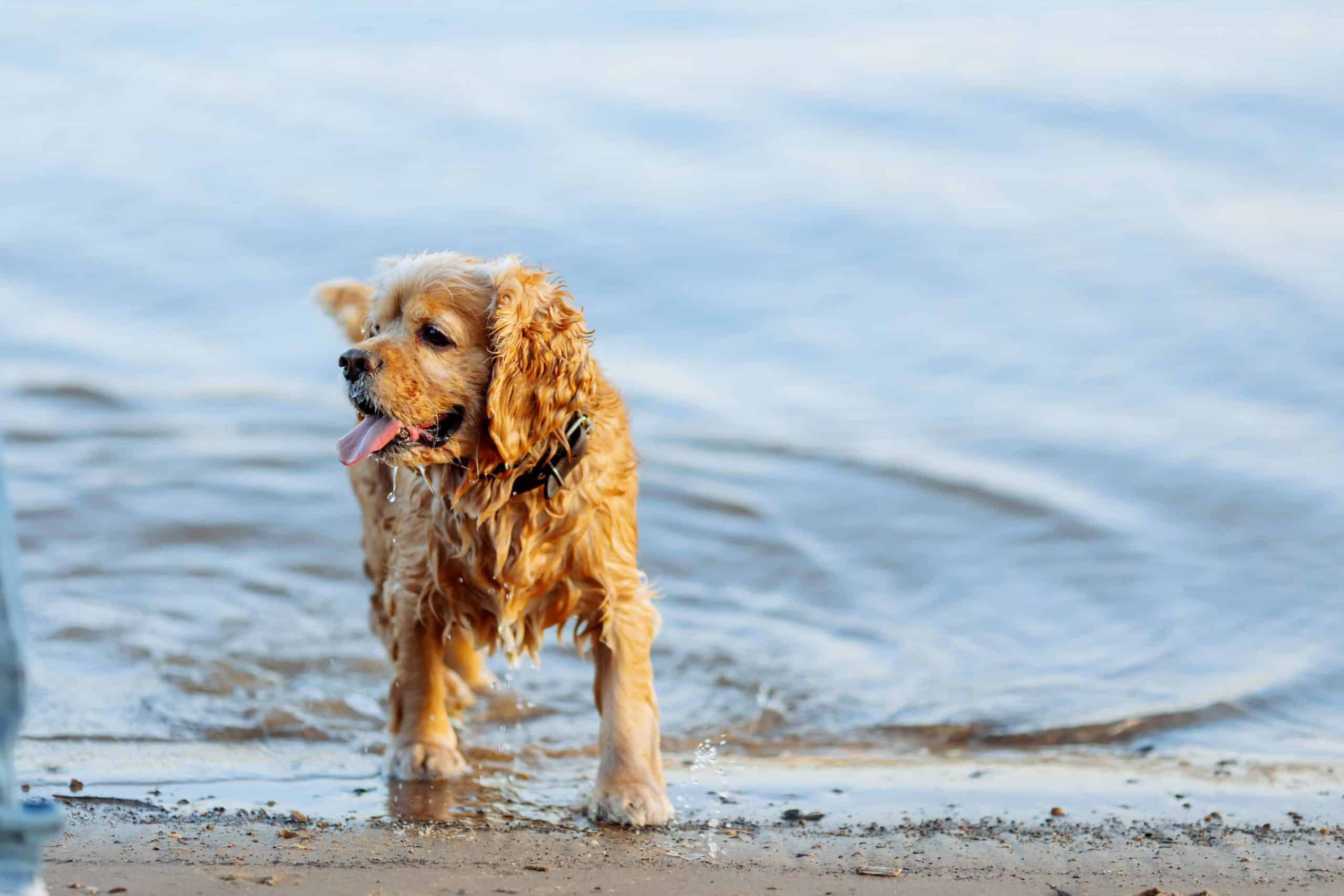
If you live in Florida or somewhere warm, choosing a dog breed that can handle the heat and humidity is vital. Otherwise, you risk the dog’s health and life.
Let’s break down a few breeds with thin coats or single coats that can beat heat and humidity.
Top breeds to consider for heat and humidity
The dog breeds listed are well-suited for a hot, humid climate. Some may surprise you.
Afghan Hound
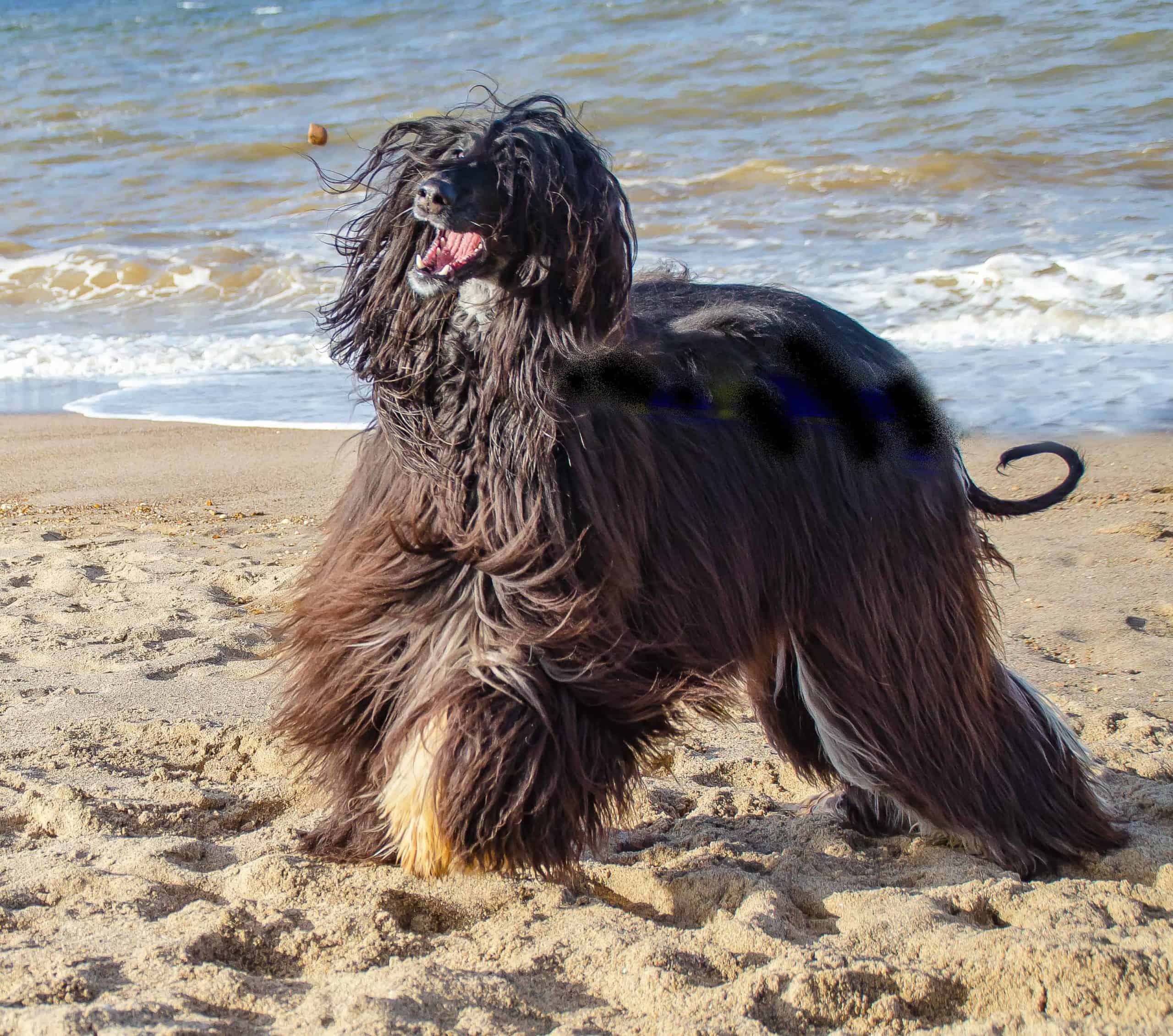
The Afghan Hound is a distinctive and elegant breed known for its long, flowing coat and unique appearance, which makes it stand out in any setting.
American Foxhound
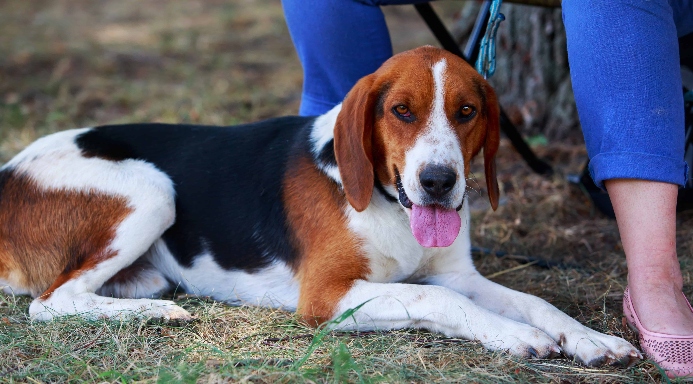
The American Foxhound is a versatile and resilient breed, initially developed for hunting. Their short, sleek coats adapt well to hot climates, making them a great companion in regions where temperatures rise.
American Foxhounds are energetic dogs that require regular exercise to maintain their physical health and mental well-being. Daily activities such as long walks, runs, or playtime in a secure area are essential.
Engaging them in activities stimulating their hunting instincts, such as scent tracking or agility training, can also be beneficial.
Due to their short coat, American Foxhounds require minimal grooming. Regular brushing (once a week) helps remove loose hair and dirt. Bathing should be kept to a minimum to avoid stripping their skin of natural oils, which can be especially important in humid environments to prevent skin issues.
American Foxhounds possess a friendly and social temperament. They are known for their affectionate nature with families and are generally good with children, making them a great family pet.
However, they can also be quite independent and exhibit a stubborn streak. Consistent, positive reinforcement training is key to molding their behavior.
Early socialization and obedience training will help them learn commands and improve their adaptability in various environments.
American Water Spaniel
The American Water Spaniel is Wisconsin’s state dog. It was crossbred for many years to develop the breed we see today.
So, if they are Wisconsin’s state dog, what makes them suited to a tropical climate? The simple answer is that dogs have a protective coat that protects them from the weather and other harsh conditions.
This protective layer not only shields them from the sun but also allows them to enjoy water activities, helping to keep them cool in the heat.
Moreover, they love to exercise and can use beaches in Florida or other areas.
Known for their energetic and playful nature, American Water Spaniels require regular exercise to stay healthy and happy. They particularly enjoy swimming, running, and playing fetch, making them ideal companions for outdoor enthusiasts.
Daily exercise is essential, and activities such as long walks or beach fetch provide physical stimulation and climate adaptation.
The American Water Spaniel’s grooming needs are relatively straightforward. Regular brushing, at least once a week, is recommended to remove loose hair and prevent matting, while occasional baths help keep their coat clean and healthy.
They shed moderately, so maintaining a consistent grooming routine can help manage shedding and ensure they remain great indoor companions even in a hot environment.
The dogs are known for their friendly and affectionate nature. They form strong bonds with their families and typically get along well with children and other pets, making them excellent family dogs.
American Water Spaniels are intelligent and eager to please, which makes training a rewarding experience.
Early socialization and obedience training are crucial for developing well-mannered adults. Positive reinforcement techniques work best with this breed, as they respond favorably to praise and rewards.
Basenji

The Basenji is often called the “barkless dog” because it doesn’t bark like most other dogs but makes a distinctive yodel-like sound.
The Basenji thrives in hot and humid climates because of its short, fine coat, which keeps it cool. Its ancestry traces back to Central Africa, where it was developed as a hunting dog and naturally adapted to warm environments.
The dogs are quite energetic, so they require regular exercise to keep them happy; daily walks, playtime, and some time to run in a secure yard are all great ways to expend energy.
The Basenji has relatively low maintenance when it comes to grooming. Their short coat requires minimal brushing, a bonus for busy dog owners
However, like all dogs, they benefit from occasional baths to keep them looking their best, especially if they get into something messy during their adventure.
The Basenji is known for its spirited and curious temperament. They are knowledgeable and can sometimes be a bit stubborn, which is why early training is crucial.
Positive reinforcement techniques work wonders with this breed, as they respond well to consistency and patience. Socialization is equally important to help them develop into well-rounded companions.
With the proper training and exercise, Basenjis are affectionate and loyal, making them excellent companions for those living in warm, humid climates.
Boxer
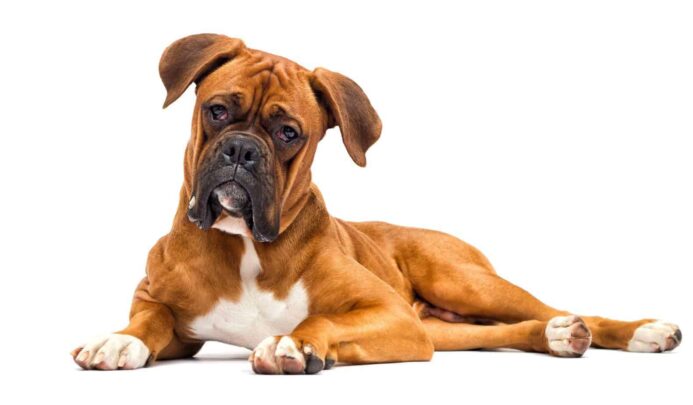
Boxers are energetic and playful breeds, making them great companions for those who enjoy an active lifestyle, especially in hot and humid climates.
The breed thrives in these environments because of their short coat, which helps them stay cool.
Boxers’ sleek, muscular bodies are built for agility, making them excellent at outdoor activities. Regular exercise is key for Boxers, naturally high-energy dogs who love running and playing.
In hot weather, it’s best to exercise them during the cooler parts of the day, such as early mornings or late evenings, to prevent overheating.
The Boxer’s short fur only requires occasional brushing to keep shedding in check and to maintain its coat’s health. This low-maintenance aspect is a bonus for busy pet parents.
Boxers are known for their friendly and outgoing nature. They are affectionate with their families and often great with children, which makes them excellent family pets.
Boxers require training due to their strong-willed and energetic disposition. Consistent, positive reinforcement training works best with them, as it helps them channel their energy and intelligence constructively.
Boxers are quick learners, but their exuberant nature can sometimes lead to mischievous behavior without proper training.
Chihuahua
Chihuahuas are native to Mexico and named after the State of Chihuahua. The dogs typically live for 12 to 20 years, making them excellent long-term companions for the family.
Chihuahuas are native to Mexico and are used to extreme heat. They thrive in Florida or other hot and humid climates. The breed can handle heat as high as 120°F. Then again, who wants to be out in that heat?
While Chihuahuas require regular exercise to maintain their health and energy levels, their small size means they can get adequate physical activity from short walks or playtime indoors. This makes them well-suited for owners struggling to provide extensive outdoor exercise in the heat.
Chihuahuas need little more than regular brushing, especially if they have long hair, to keep their coats healthy and reduce shedding. Their temperament is often described as lively and alert, with a strong, affectionate bond to their owners.
This breed tends to be confident and fearless, which can lead to stubborn behavior, so consistent training methods are crucial. Socialization and positive reinforcement are key in training Chihuahuas, ensuring they develop good habits and adapt well to various environments, including the heat.
Dachshund
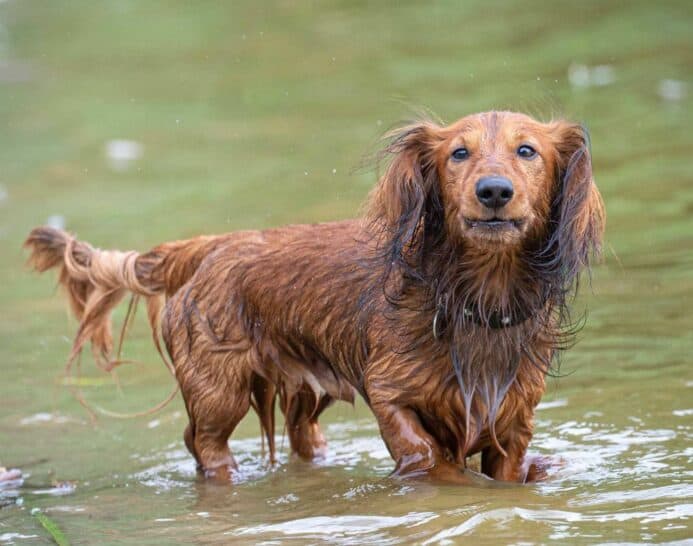
Dachshunds, often affectionately called “wiener dogs,” are charming little pups with big personalities. They are a delightful choice for many dog lovers, especially in hot and humid climates.
One reason they’re well-suited for such environments is their short coat, which can help keep them cool in warmer temperatures. Their low-to-the-ground profile also helps them stay cooler on hot surfaces.
While the breed also comes in long-haired and wire-haired varieties, the short-haired ones typically require less grooming, making them low-maintenance for coat care and ideal for those living in warmer areas.
Dachshunds enjoy their daily walks and playtime, but don’t require intense workouts. Daily short walks and playful time in the yard can keep them happy and healthy.
However, it’s crucial to avoid the hottest parts of the day and provide plenty of water, as they can overheat easily.
Dachshunds are known for their curious, brave, and even stubborn temperaments.
This makes training essential. They respond best to positive reinforcement techniques, like treats and praise, and can sometimes be independent, so consistency and patience are key.
Dalmatian
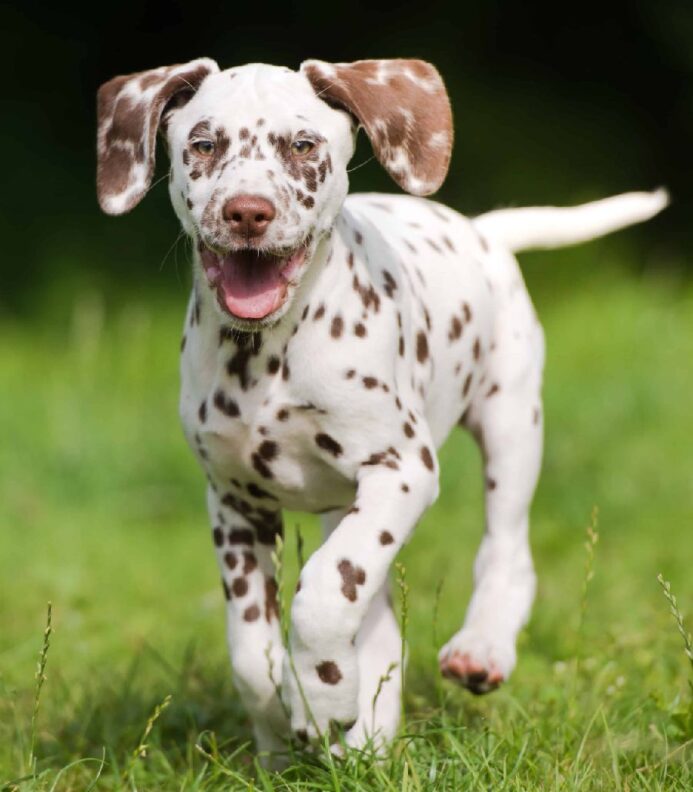
The Dalmatian is known for its striking coat of black or liver spots and adaptability, especially in hot and humid climates.
These dogs have short, sleek fur that helps them stay cool, making them well-suited for warmer weather.
Their origins as carriage dogs meant they were built for stamina and endurance, allowing them to thrive in active environments.
Regular exercise is essential. The dogs require plenty of physical activity to keep them happy and healthy. Daily walks, playtime, and even a good romp in the yard are great for burning off their energy.
Their short coat is relatively low-maintenance when it comes to grooming, but they do shed, so regular brushing is a good idea to keep it manageable and control the dog hair flying around the house.
Dalmatians are known to be playful, intelligent, and somewhat stubborn, making training challenging.
They thrive on attention and positive reinforcement, so incorporating games and treats into training sessions can work wonders.
Doberman Pinscher
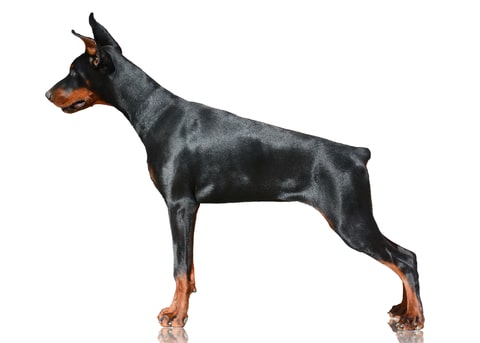
The Doberman Pinscher thrives in various environments, including hot and humid climates.
The dogs have short, smooth coats that help them stay cool, making them well-suited for warm weather.
Unlike breeds with thick fur, Dobermans don’t require heavy grooming; a weekly brushing is usually enough to keep their coat in top condition. This minimal grooming requirement is a definite advantage in humid conditions, reducing the potential for heat-related issues.
Dobermans are high-energy dogs that need regular physical activity to stay happy and healthy. Daily walks, playtime, and mental stimulation are essential, as they can become restless and bored without enough to do.
However, it’s important to exercise them during the cooler parts of the day, such as early morning or late evening, to avoid overheating in the intense midday sun.
Dobermans are known for their loyalty, intelligence, and protective nature. They bond strongly with their families and can be affectionate, making them great companions.
Socialization and training from a young age help them develop a well-rounded personality; they respond well to positive reinforcement techniques.
Their intelligence makes them quick learners, but consistent training is necessary to channel their energy and ensure they know their expectations.
With the proper guidance, Dobermans can thrive in any environment, proving to be devoted family members and vigilant guardians.
Pit Bull
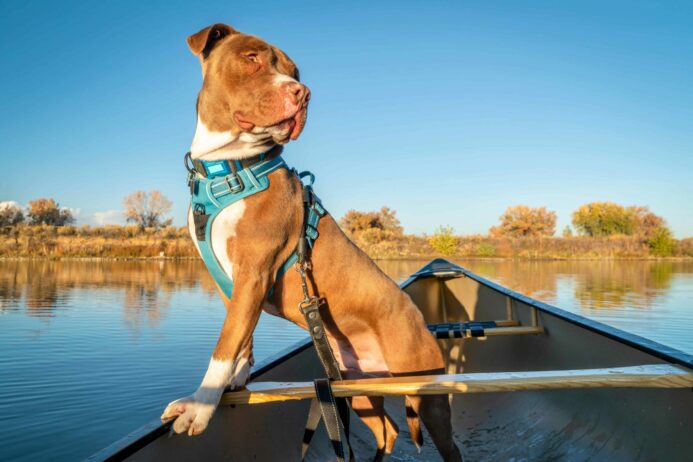
Pit Bulls tend to thrive in hot and humid climates. One reason is their short, sleek coat, which helps them stay cool when the temperature rises.
Grooming is a breeze, too. A weekly brush is usually enough to keep their coat healthy and shiny, which is a definite plus in humid weather.
Pit Bulls are full of energy and love to stay active.
They need regular physical activity to stay happy and healthy, so daily walks, play sessions, and even some mental games are essential to keep them engaged.
It’s best to take them out during the cooler times, like early morning or late evening, to avoid the sweltering heat and ensure they don’t overheat.
Pit Bulls are known for being incredibly loyal and affectionate. They are great family dogs, often forming strong bonds with their humans.
While they can be a bit headstrong, training them with positive reinforcement works wonders.
Early socialization is key; exposing them to different people, pets, and environments helps them develop into well-rounded companions.
Rhodesian Ridgeback

Initially bred in Africa, these dogs are built to handle heat and have short, dense fur that protects them from the sun.
The Rhodesian Ridgeback is renowned for its striking appearance and strong work ethic.
Originally bred in Southern Africa, these dogs were designed to withstand the heat and humidity of their native climate, making them an excellent choice for similar environments.
Their short, dense coats add to their unique charm and help them stay cool in warm weather.
Ridgebacks have bundles of energy and thrive on physical activity. These dogs require daily workouts to keep them happy and healthy, whether it’s a long walk, a run, or some playtime in a secure area.
When it comes to grooming, the Ridgeback is relatively low-maintenance. Their short coat doesn’t trap dirt easily and typically only requires a weekly brushing to remove loose hairs and keep their coat looking polished.
Temperament-wise, they are known for being loyal, affectionate, and protective, making them fantastic family companions. However, early training and socialization are essential because of their strong-willed nature.
Positive reinforcement methods work wonders with them, and they tend to respond well to consistent guidance.
Vizsla
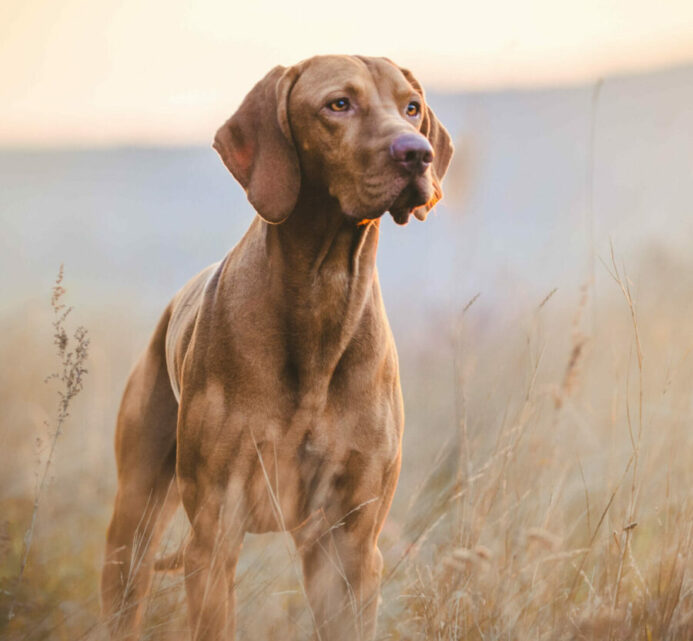
The Vizsla is an excellent choice for those in hot, humid climates.
Originally from Hungary, this breed is well-equipped to handle warm weather thanks to its short, sleek coat that helps keep it cool.
Vizslas are energetic dogs that thrive on physical activity. They require plenty of exercise to stay happy and healthy. Daily walks, runs, or play sessions in the yard are essential to burn off their abundant energy.
The Vizsla is relatively low-maintenance. Its short coat requires minimal brushing—just a quick once-over with a rubber grooming mitt can keep it looking great and remove any loose hair.
This simplicity is a bonus for busy owners.
Vizslas are known for being affectionate, loyal, and incredibly friendly. They bond closely with their families and do well with children, making them great companions.
However, because of their intelligence and high energy, they require consistent training and socialization from a young age.
Positive reinforcement techniques work best, as Vizslas respond well to praise and treats.
Engaging them mentally through obedience training or interactive toys can stimulate their minds and prevent boredom.
Keep your dog safe and cool in heat and humidity
Living in a hot and humid climate presents specific challenges. To keep your American Foxhound safe and comfortable in warm weather, consider the following tips:
Hydration: Always provide fresh, cool water. Ensure that your dog stays hydrated, especially during exercise.
Shade and ventilation: Create shaded areas in your yard where your dog can retreat from the sun. When indoors, make sure your home is well-ventilated and cool.
Walk timing: To avoid overheating, schedule outdoor exercise in the early morning or late evening, when temperatures are cooler.
Cooling products: Invest in a cooling mat or a dog-friendly pool to help regulate your dog’s body temperature.
Watch for signs of heat stress: Look for signs like excessive panting, drooling, lethargy, or difficulty breathing, and take immediate action if these symptoms occur.
Temperature isn’t the only consideration
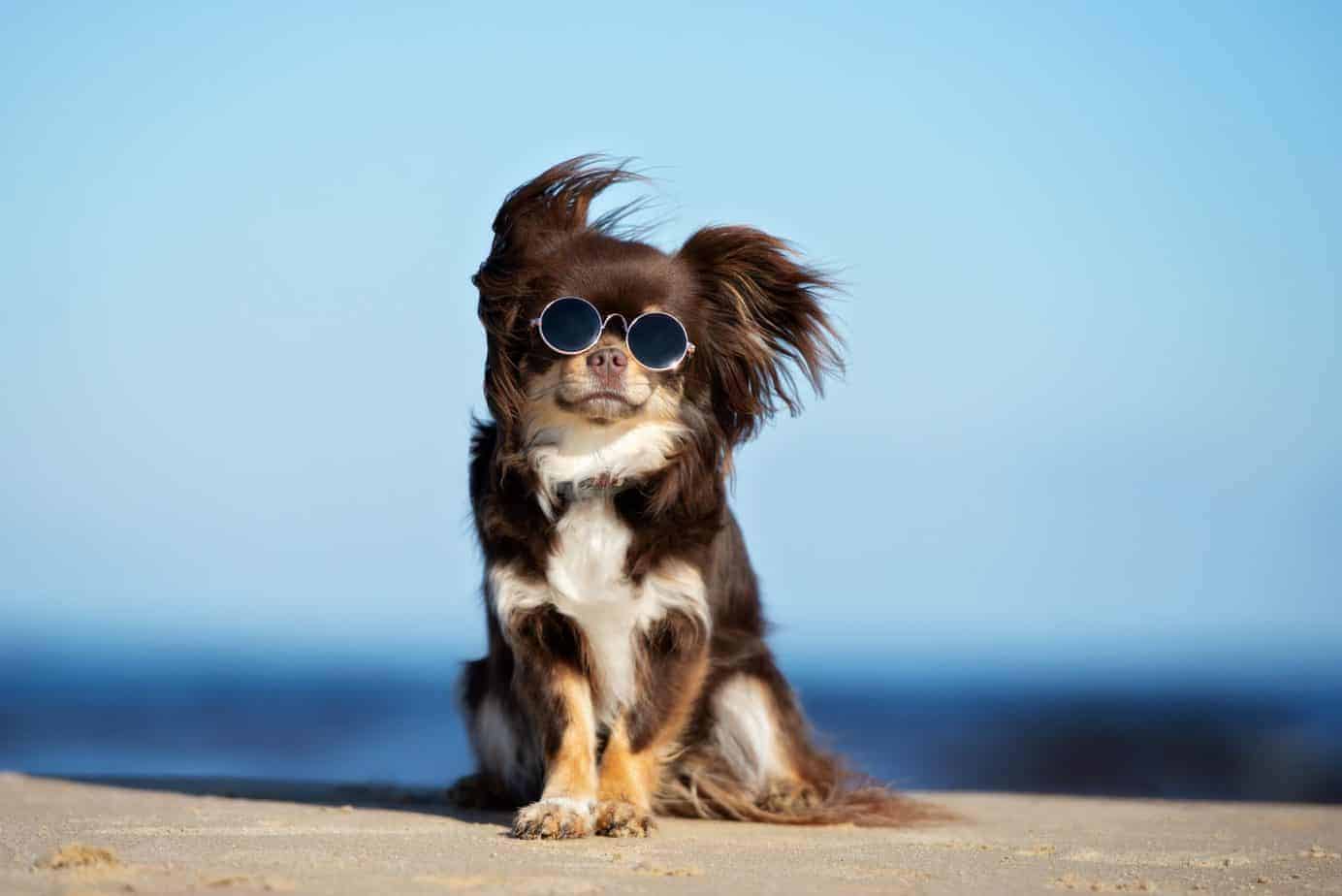
When choosing a dog to live in a hot and humid area, you should also consider a breed that can survive being cooped up inside during extreme weather and heat waves.
Many dog breeds need a lot of exercise, so ideally, you want a dog that can handle the heat but doesn’t mind a lazy lifestyle if required.
Other things to consider when adding a dog to your family:
- Does your condo or HOA allow dogs?
- Are certain breeds restricted in your area?
- Do you have space for a dog?
- What modifications would you make to your home to care for a dog?
- Do you have a spouse or partner who may not want a dog?
- Does anyone in your household have allergies?
- Do you have the time for a dog?
- Can you take this dog to the vet if it is sick?
Are you ready for a dog?
For some people, the allure of a dog is the promise of companionship. But dogs, just like anything else, need support to thrive.
You must properly care for your dog to give it the best life possible. If you can’t afford a dog, do not get one.
The bottom line on dog breeds that thrive in heat and humidity
As you can see, many breeds out there can handle the heat and humidity, so the only thing left to do is get a puppy, give it some love, and plan some beach time.