
10 popular competitive dog sports to get your pup’s tail wagging
Dogs are naturally athletic and can use their physical and mental abilities in various dog sports. Whether you’re looking for a fun way to exercise with your dog or want to participate in competitive events with them, plenty of sports are available for your furry friend.
We’ll examine a few of the most well-liked canine sports in this article, including agility, obedience, rally obedience, tracking, herding, flyball, disc dog, Canicross, and dog surfing.
We’ll also discuss the benefits of participating in dog sports and how to get started so you can choose the right option for your dog’s breed.
Agility
One of the most popular dog sports is agility. It’s a fast-paced, challenging sport that requires dogs to navigate an obstacle course featuring jumps, tunnels, weave poles, and more.
Agility tests a dog’s physical agility and obedience to its handler.
Agility training provides numerous benefits for dogs, enhancing their physical fitness and mental stimulation.
It improves coordination and balance, preventing boredom and reducing behavioral issues.
Additionally, agility training strengthens the bond between dog and handler as they navigate courses together.
This experience boosts the dog’s confidence and adaptability, making it rewarding for both the dog and owner.
Agility training involves several costs to consider. First, there’s equipment like cones, tunnels, and jumps, which can vary in price.
Training sessions with a coach also add expenses, and participants should factor in competition fees, travel, and accommodations if they plan to compete.
Obedience
Obedience is another popular dog sport that tests a dog’s ability to follow commands. In obedience trials, dogs must perform a series of commands, such as sit, stay, come, heel, and down.
Obedience training for dogs provides several key benefits that enhance the relationship between the pet and owner.
It establishes clear communication and boundaries, leading to better behavior and reduced anxiety or aggression.
Well-trained dogs are also safer, as they can respond reliably to commands in potentially dangerous situations.
Obedience training can involve several costs that owners should consider. Equipment such as collars, leashes, and training treats can vary in price. In contrast, training fees differ between group classes and private sessions, with online courses offering a more budget-friendly option.
If you plan to enter competitions, additional costs such as registration and entry fees, as well as travel expenses, should also be factored in.
Rally obedience
Rally obedience is a newer dog sport combining obedience and agility elements. In rally obedience trials, dogs and their handlers follow a course marked with signs with instructions for the dog to perform different commands.
Rally obedience training provides valuable benefits for dogs and their owners by combining traditional obedience with engaging course challenges.
It enhances a dog’s focus, impulse control, and responsiveness while strengthening the bond between dog and handler through teamwork and positive reinforcement.
Rally training offers mental stimulation and physical exercise, reducing behavioral issues. It also serves as a socializing opportunity, fostering community among participants.
Rally obedience training can come with various costs. Initially, you’ll need to invest in equipment such as a specialized collar, a harness, and training leashes.
Enrolling in formal training classes led by experienced trainers can add up, as these typically consist of multiple sessions that may need to be paid for individually or in packages.
If you decide to compete, there are also entry fees that vary by event, as well as potential travel and accommodation expenses.
Tracking
Tracking is a dog sport that tests a dog’s ability to follow a scent trail. In tracking trials, dogs must follow a path laid by a human or another dog.
Tracking helps test your dog’s instincts. It provides them with the mental stimulation they need.
Tracking training taps into your dog’s instincts, offering mental and physical stimulation that keeps them healthy and engaged.
It improves scent detection, boosts confidence, and serves as an effective outlet for energy, reducing behavioral issues.
Additionally, scent work fosters teamwork and communication between dog and handler, enriching their relationship through shared achievements.
Tracking involves several potential costs, including the necessary equipment, such as specialized collars and GPS devices.
Training fees vary by program or instructor, and competition entry fees further increase expenses, along with related travel and accommodation costs.
Herding
Herding is a dog sport that tests a dog’s ability to herd livestock.
In herding trials, dogs must move sheep, goats, or cattle around a course. It’s a lot of fun to watch; herding helps you manage your dog’s instincts closely.
By tapping into their instincts, herding offers a sense of purpose and engages your dog’s problem-solving skills.
This active training promotes fitness, helping to maintain a healthy weight and boost stamina.
Herding strengthens the bond between the dog and handler, fostering better communication and teamwork.
Costs include specialized collars, leashes, and herding whistles essential for effective training.
Classes with experienced instructors can vary in price and often require a commitment over several weeks.
Competition fees, including registration, travel, and event accommodations, can add up.
Flyball
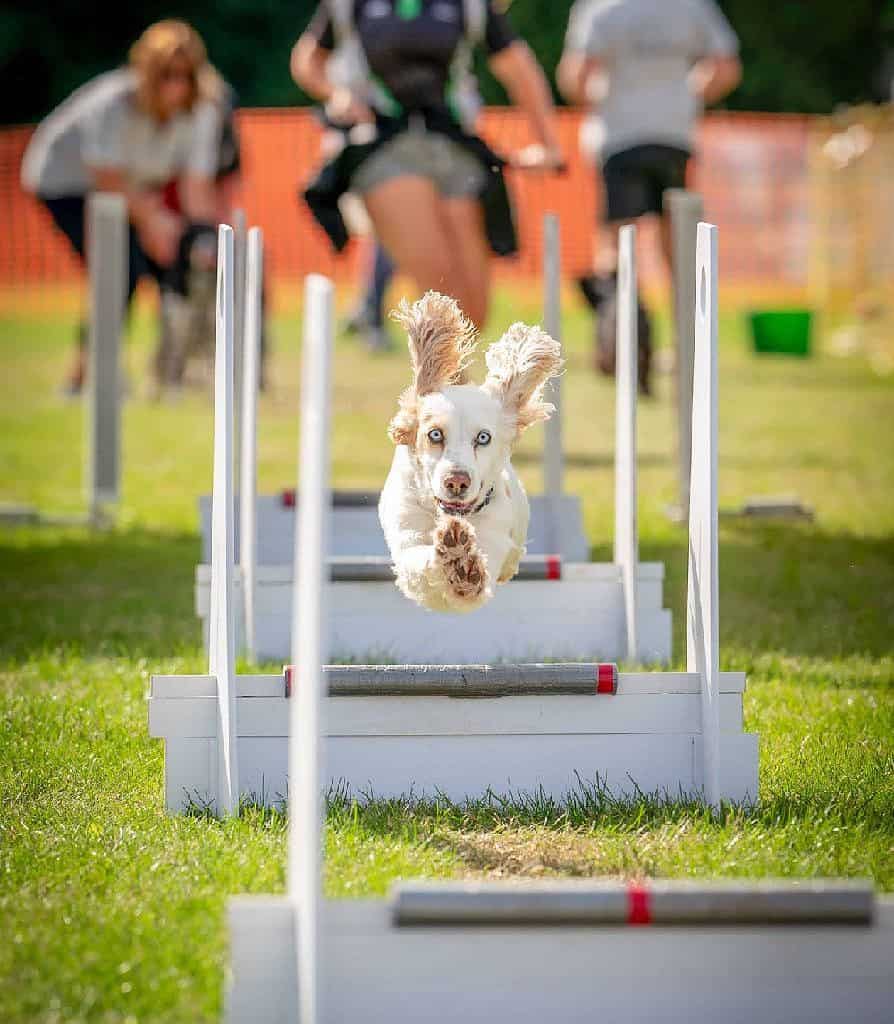
This is an exhilarating, fast-paced dog sport. It tests your dog’s speed, jumping prowess, and agility. In flyball, dogs race through a series of hurdles to retrieve a ball from a spring-loaded launcher.
Flyball is one of the best ways to have fun with your dog while exercising.
Flyball training provides improved physical health, mental stimulation, and social skills.
This energetic relay race enhances speed and agility while helping maintain a healthy weight through intense exercise.
It also fosters teamwork between dogs and handlers, strengthening their bond.
Social interactions with other dogs also boost confidence and temperament.
The potential costs of flyball training can add up quickly. Equipment such as a flyball box and hurdles can range from a few hundred to several thousand dollars.
Training fees vary, with group classes or private lessons costing between $10 and $50 per session, leading to ongoing expenses for regular practice.
Competition fees also contribute to costs, typically ranging from $20 to $50 per dog, not including travel and accommodations for out-of-town events.
Lure coursing
The sport of lure coursing is a terrific way to amuse yourself, exercise, and test your dog’s innate instincts. I recommend trying lure coursing if you’re looking for a new canine sport.
The following are a few advantages of lure coursing:
- Exercise: An excellent method to give your dog exercise is by lure coursing. When lure coursing, dogs may run up to 30 mph, a perfect way to expend energy.
- Instincts: Dogs can employ their inborn instincts when lure coursing. Dogs are bred to hunt, and lure coursing allows them to pursue their instinct.
- Fun: Dogs and people may both enjoy lure coursing. It is an excellent opportunity to spend time outside with your dog and form a friendship.
Lure coursing training offers dogs a fun way to exercise while tapping into their natural chasing instincts.
This high-energy activity improves fitness, agility, and coordination, promoting overall physical health.
It also strengthens the bond between dogs and their owners, enhances socialization with other dogs, and helps build confidence, making it a rewarding experience for both.
Lure coursing equipment expenses, including a lure machine, harnesses, and flags, can range from a few hundred to several thousand dollars. Training sessions with qualified instructors also cost, with fees varying by location and expertise.
Competition entry fees can range from $20 to $50 each, alongside travel expenses for out-of-town events.
Canicross
Canicross is a dog sport that combines elements of running and mushing.
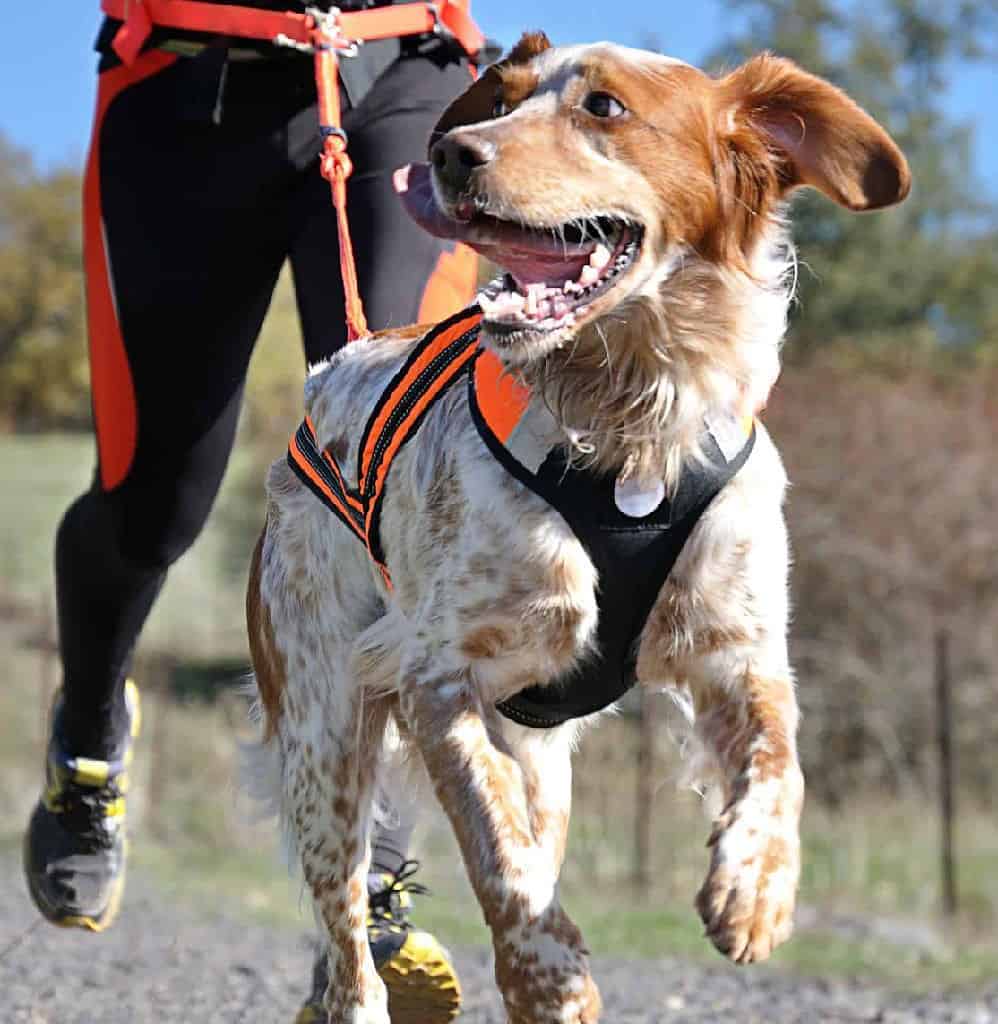
In Canicross, dogs wear a harness and are attached to their handler by a line.
The handler runs with the dog, and the dog pulls the handler along. Canicross is a great way to exercise with your dog and enjoy the outdoors together.
Canicross combines cross-country running with companionship, allowing dogs to exercise regularly while strengthening the bond with their owners.
The varied terrain promotes endurance and agility and helps prevent obesity. The mental stimulation from navigating different environments keeps dogs alert and focused while reinforcing obedience.
Canicross training equipment, including a dog harness, a canicross belt, and a bungee attachment, can range from $100 to $300.
If you’re new to the sport, training programs may cost between $50 and $200. Additionally, entering competitions typically comes with registration fees ranging from $20 to $100 per event, plus possible travel expenses for distant events.
Dog surfing
Dog surfing is a relatively new dog sport that is quickly gaining popularity. In dog surfing, dogs ride on surfboards with their handlers.
You can have a lot of fun at the beach with your dog while engaging in dog surfing.
Dog surfing enhances your dog’s physical fitness and coordination while boosting their confidence as they tackle new challenges on the waves.
For owners, it creates a great bonding experience that encourages teamwork and communication.
Surfing fosters community among pet lovers through events that showcase canine talent and promote animal welfare.
Dog surfing equipment, like a dog life jacket and a surfboard, can range from $50 to several hundred dollars.
Training sessions to help your dog get acclimated to the water and surfing may also add a few hundred dollars to your expenses.
Entering competitions often involves entry fees of $20 to $100 or more, as well as potential travel costs.
Freestyle disc dog
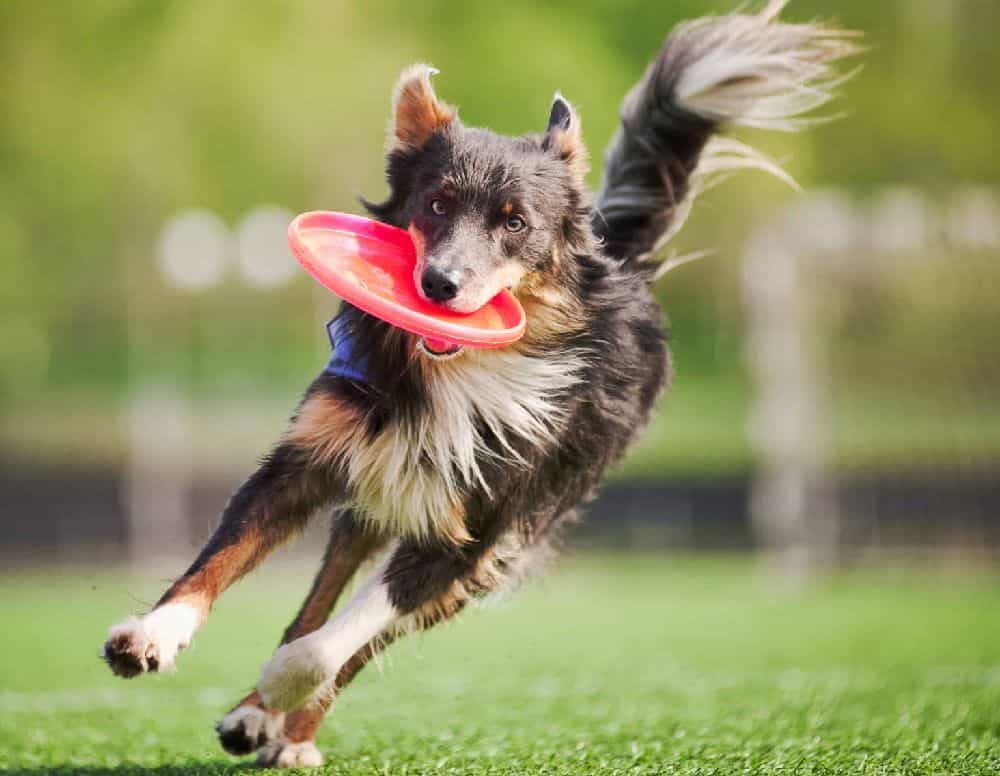
Freestyle disc dog is a dog sport that combines elements of agility, obedience, and trick dogging. In freestyle disc dogs, dogs and their handlers perform a choreographed routine that includes throws, catches, retrieves, and tricks.
Freestyle disc dog is a great way to test your dog’s athleticism, obedience, and creativity.
Freestyle disc dog routines can be as straightforward or complex as you want. Some routines are based on a theme, such as a circus or a movie scene.
Other routines are simply a showcase of the dog’s skills.
There are no specific rules for freestyle disc dogs, but most routines include common elements. These elements include:
- Throws: The Frisbees are thrown in many directions, high, low, and behind the back. The dog should catch them all.
- Catches: Dogs can catch Frisbees in many ways — with paws, mouths, and even bodies.
- Retrieves: Dogs must be able to retrieve Frisbees thrown a long distance or that have landed in difficult places.
- Tricks: Dogs can perform a variety of tricks in freestyle disc dogs, such as jumping through hoops, rolling over, and sitting pretty.
Freestyle disc dog training promotes fitness through jumping and running, which builds muscle and agility.
It strengthens the bond between dogs and handlers, fostering trust and communication.
The mental stimulation of learning new tricks keeps dogs engaged and reduces boredom, helping prevent behavioral issues.
Quality training discs can range from $10 to $30 each, and other gear like harnesses or agility equipment may add another $50 to $150.
Training sessions, whether group classes or private lessons, typically cost $20 to $100 per session.
Competition entry fees usually range from $25 to $50 per event, plus travel expenses for out-of-town competitions.
Benefits of participating in dog sports
For dogs, dog sports can provide physical exercise, mental stimulation, and a sense of purpose. Dog sports can provide humans with companionship, exercise, and a sense of accomplishment.
Some of the specific benefits of participating in dog sports include:
- Improved physical fitness for both dogs and humans
- Increased mental stimulation for dogs
- Enhanced bonding between dogs and humans
- Increased confidence for both dogs and humans
- A sense of accomplishment for both dogs and humans
- Opportunities to meet new people and dogs
How to get started
There are a few steps you must take to start participating in dog sports. Finding the ideal dog sport for you and your dog must come first. Once you’ve chosen a sport, you must locate a neighborhood club or group that provides instruction and competition.
There are several ways to locate a neighborhood club or group. You can look online, consult your veterinarian, or contact the American Kennel Club (AKC).
The AKC has a list of clubs and organizations in its online directory. You can start training with your dog once you’ve found a local club or organization. Most clubs offer beginner classes for both dogs and handlers. These classes will teach you the basic skills to compete in dog sports.
As your training progresses, you might consider employing a qualified trainer. A competent trainer can help you hone your dog’s skills and prepare for competition.
Also, ensure your sporting area is free of any obstructions; if you have indoor training, move away from household items such as furniture, aquariums, and other items that could cause an accident.
Final thoughts on dog sports
Dog sports are a fantastic way to bond with your dog while getting exercise and having fun. You can select from various dog sports mentioned in this article. So you’re likely to discover one that’s ideal for you and your dog.
So what are you waiting for? Get started today.
Pet expert Kristen Parker has spent 12 years following her passion for animals as a writer and editor in the pet industry. Her expertise includes dog and cat health, care, nutrition, feeding, grooming, behavior, and training.