5 early signs of illness in your dog
Consult with your vet if you notice any dog illness warning signs. Regular veterinary checks will help you spot danger signs earlier.

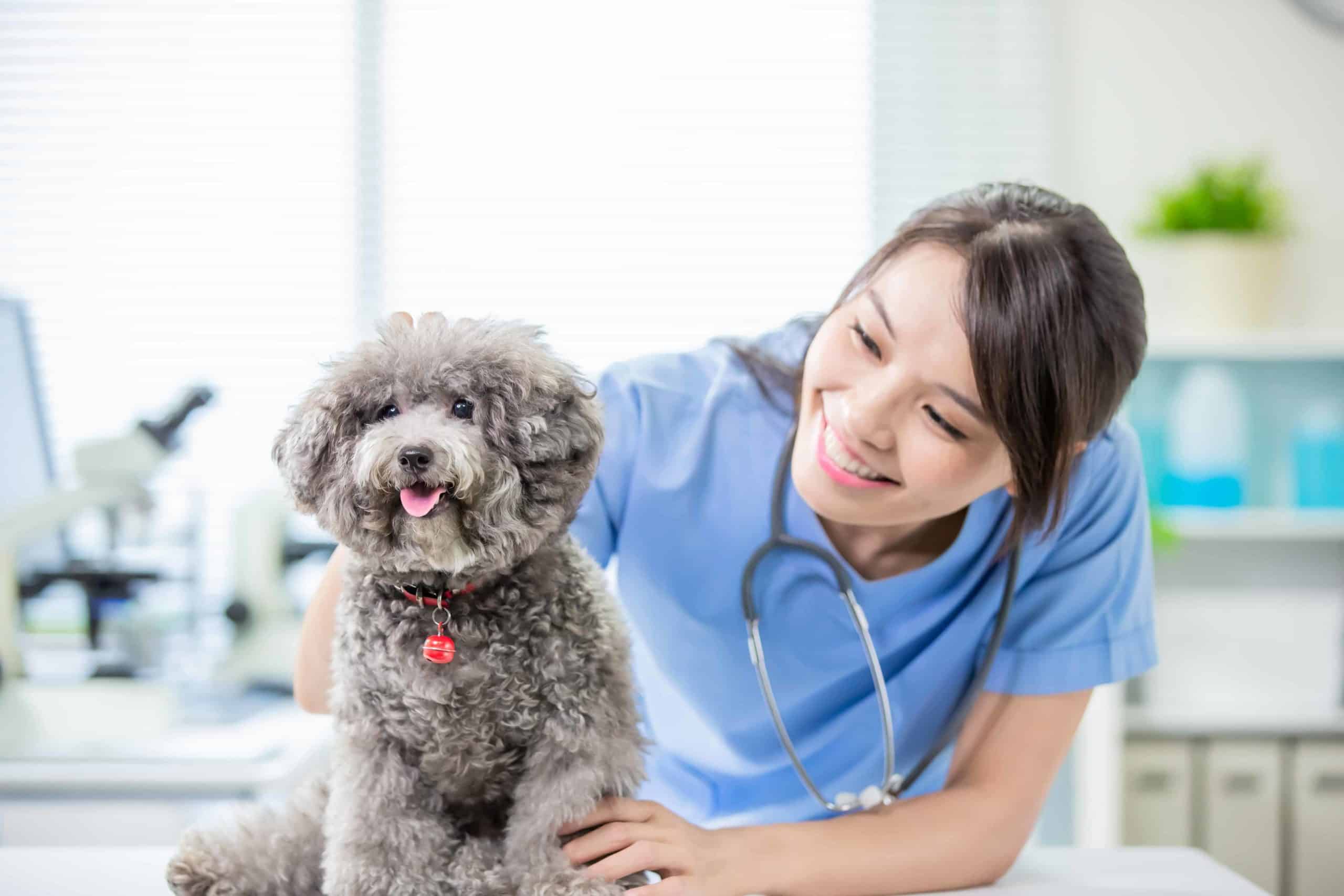
Work with your vet to monitor health conditions to provide the best possible care for your dog.
Ear infections: A dog ear infection is a common health problem. To best way to prevent ear infections is to keep your dog’s ears clean.
Hiccups: Veterinarians think dog hiccups belong on the list of “growing pains” some puppies must endure.
Excessive thirst: Excessive thirst and frequent urination can indicate diabetes, kidney failure, liver disease, leptospirosis, and Cushing’s Disease.
Giving your dog medications: Tap into your dog’s love of treats to give him medicine. Start by mixing the pill with peanut butter, cheese, or another favorite.
Animal plastic surgery: Plastic surgery can correct breathing issues that have been caused by the selective breeding of breeds like Shar-Peis and Pugs.
Dog dehydration: Dogs are susceptible to dehydration during summer. Dehydration also is a sign of diarrhea, liver disease, and kidney disease.

Consult with your vet if you notice any dog illness warning signs. Regular veterinary checks will help you spot danger signs earlier.

Dry skin can make your dog miserable. Help ease your dog’s condition with shampoo, olive oil, vitamin E, oatmeal baths, humidifiers.

Choose food for hyperactive dogs tailored to support their high energy demands and unique nutritional requirements.
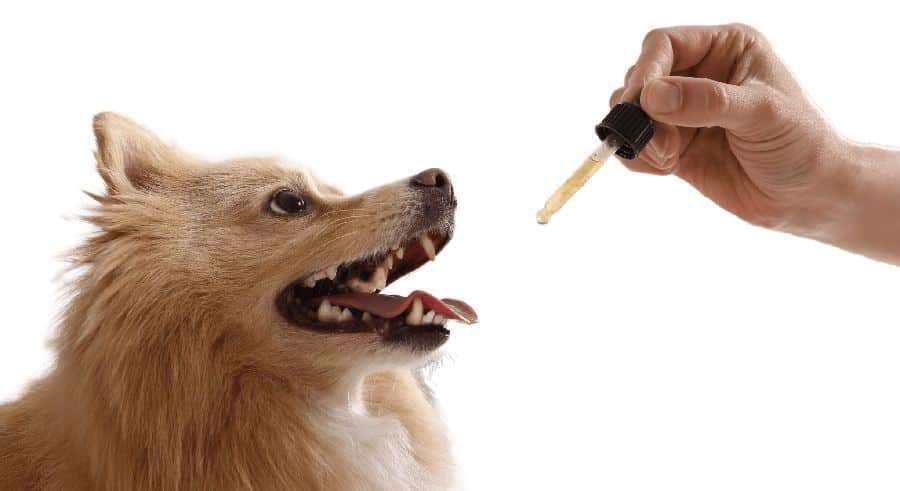
Liquid vitamins for dogs bolster immunity, promote vigor, augment skin and coat health, and aid digestive health.

Heartworms are a dangerous parasitic infection in dogs that if left untreated, can cause organ damage and death.

Adding canine probiotics can help ease a variety of digestive issues including diarrhea, gas, gastric distension and bloating.
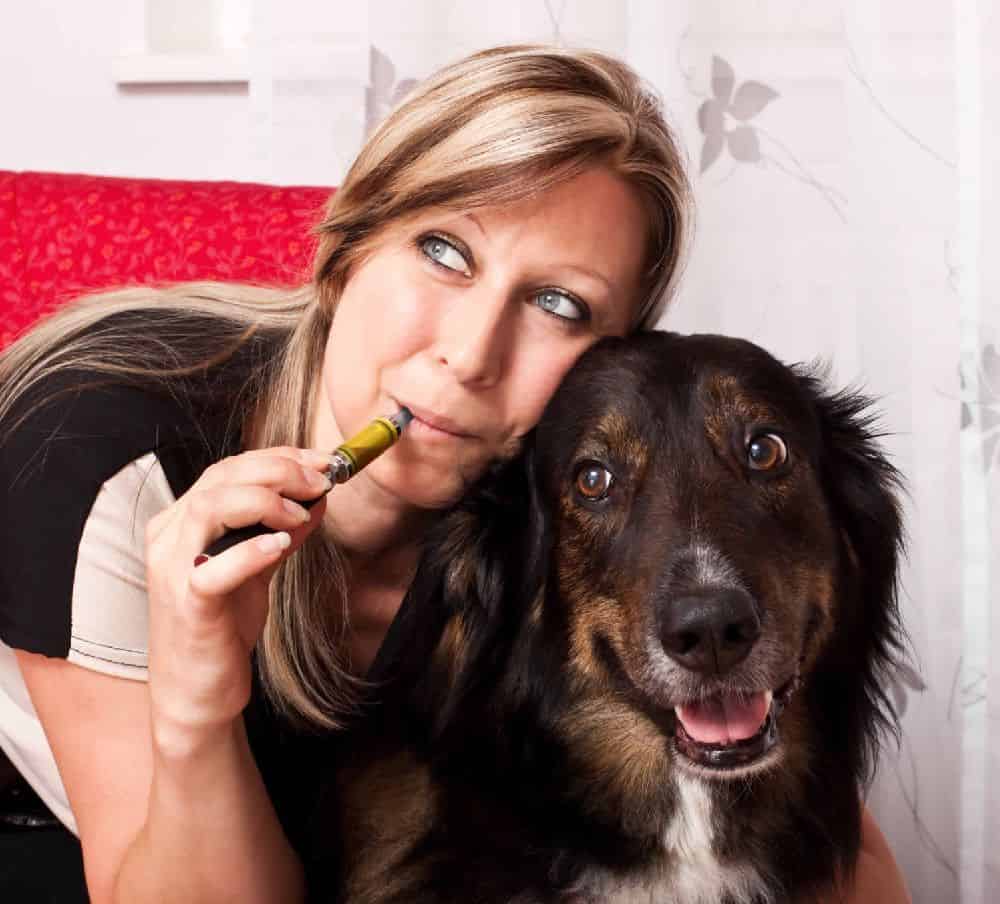
Vaping can be dangerous for dogs, who can be exposed to harmful chemicals in e-cigarette smoke or ingest nicotine-containing products.

Help calm your agitated dog by using routine, training, exercise, mental stimulation, massage, and natural supplements.
Gen Z pet owners are devoted to their furry friends, with 42% choosing to save money for unexpected pet expenses over other purchases.
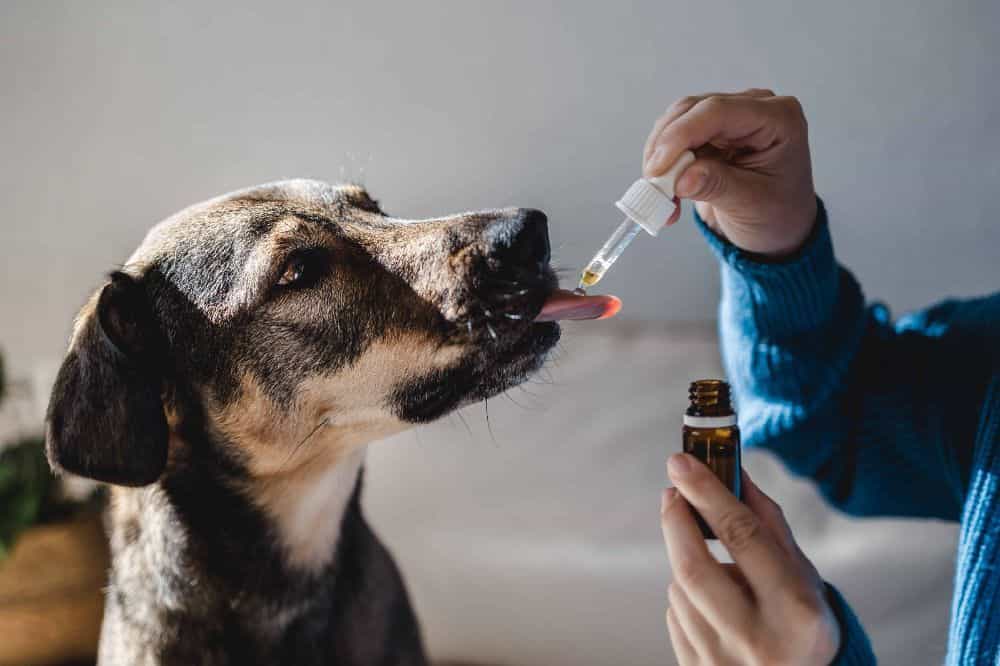
Learn about the benefits of CBD for your dog’s health and use it to reduce inflammation, improve sleep quality, and more.
[mc4wp_form id=”13217″]