6 unusual dog behaviors that may require a trip to the vet
Unusual dog behaviors like head pressing, pacing, excessive thirst, change in eating habits, or sudden aggression are signs you need to take your dog to the vet.

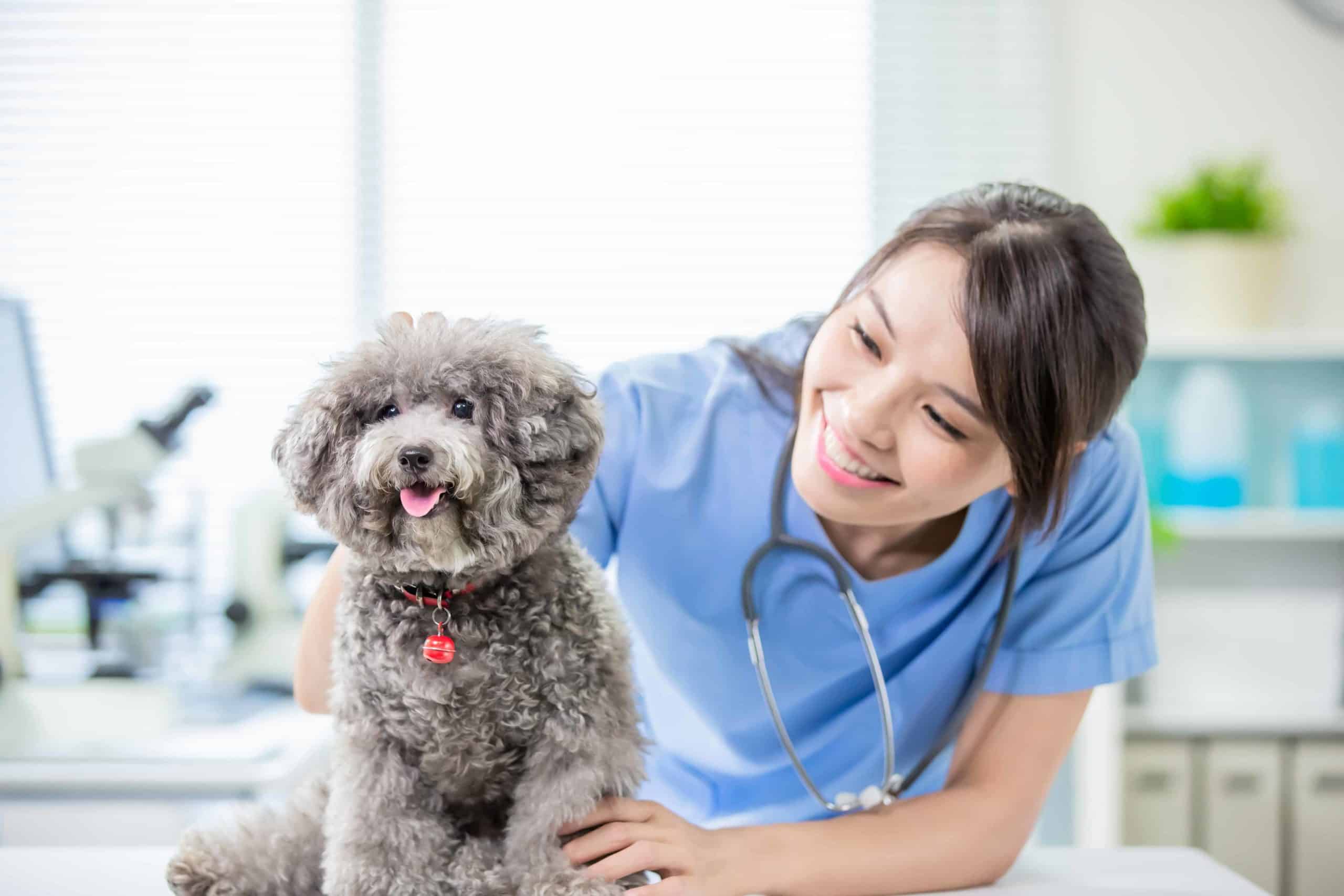
Work with your vet to monitor health conditions to provide the best possible care for your dog.
Ear infections: A dog ear infection is a common health problem. To best way to prevent ear infections is to keep your dog’s ears clean.
Hiccups: Veterinarians think dog hiccups belong on the list of “growing pains” some puppies must endure.
Excessive thirst: Excessive thirst and frequent urination can indicate diabetes, kidney failure, liver disease, leptospirosis, and Cushing’s Disease.
Giving your dog medications: Tap into your dog’s love of treats to give him medicine. Start by mixing the pill with peanut butter, cheese, or another favorite.
Animal plastic surgery: Plastic surgery can correct breathing issues that have been caused by the selective breeding of breeds like Shar-Peis and Pugs.
Dog dehydration: Dogs are susceptible to dehydration during summer. Dehydration also is a sign of diarrhea, liver disease, and kidney disease.
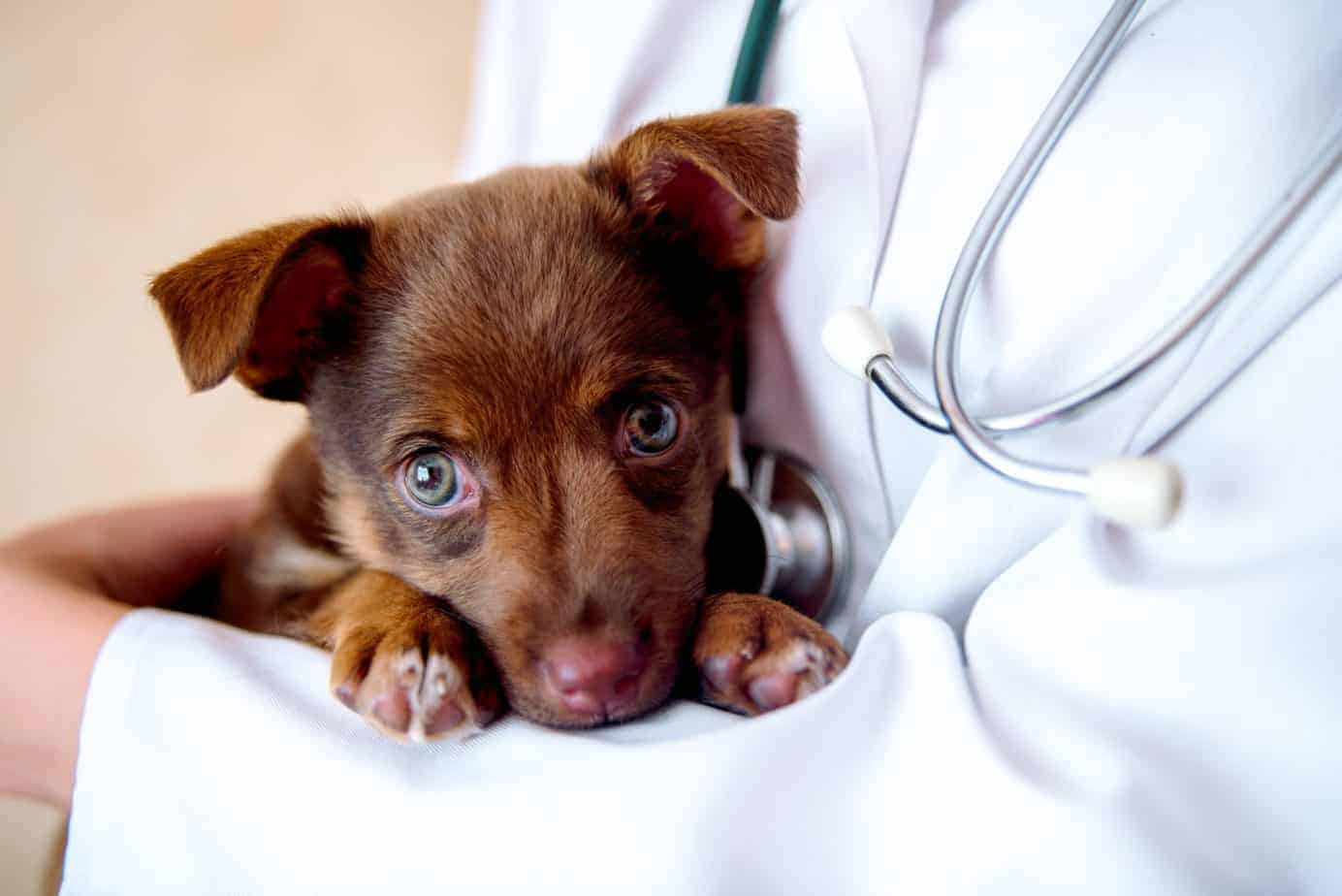
Unusual dog behaviors like head pressing, pacing, excessive thirst, change in eating habits, or sudden aggression are signs you need to take your dog to the vet.
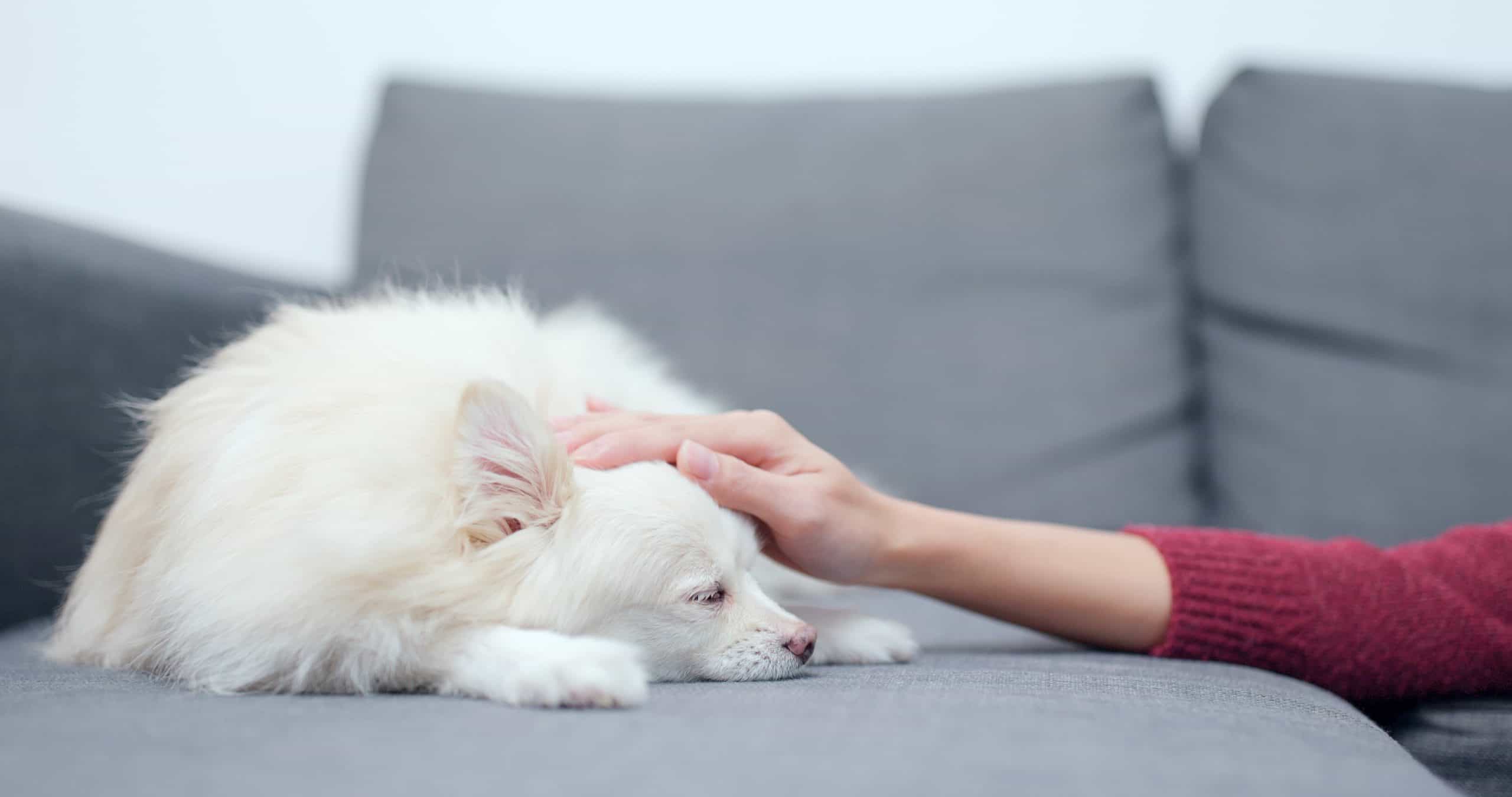
When dogs get sick, it can be difficult to get them to eat. Make sure you give your dog the most nutritious food to help them recover.
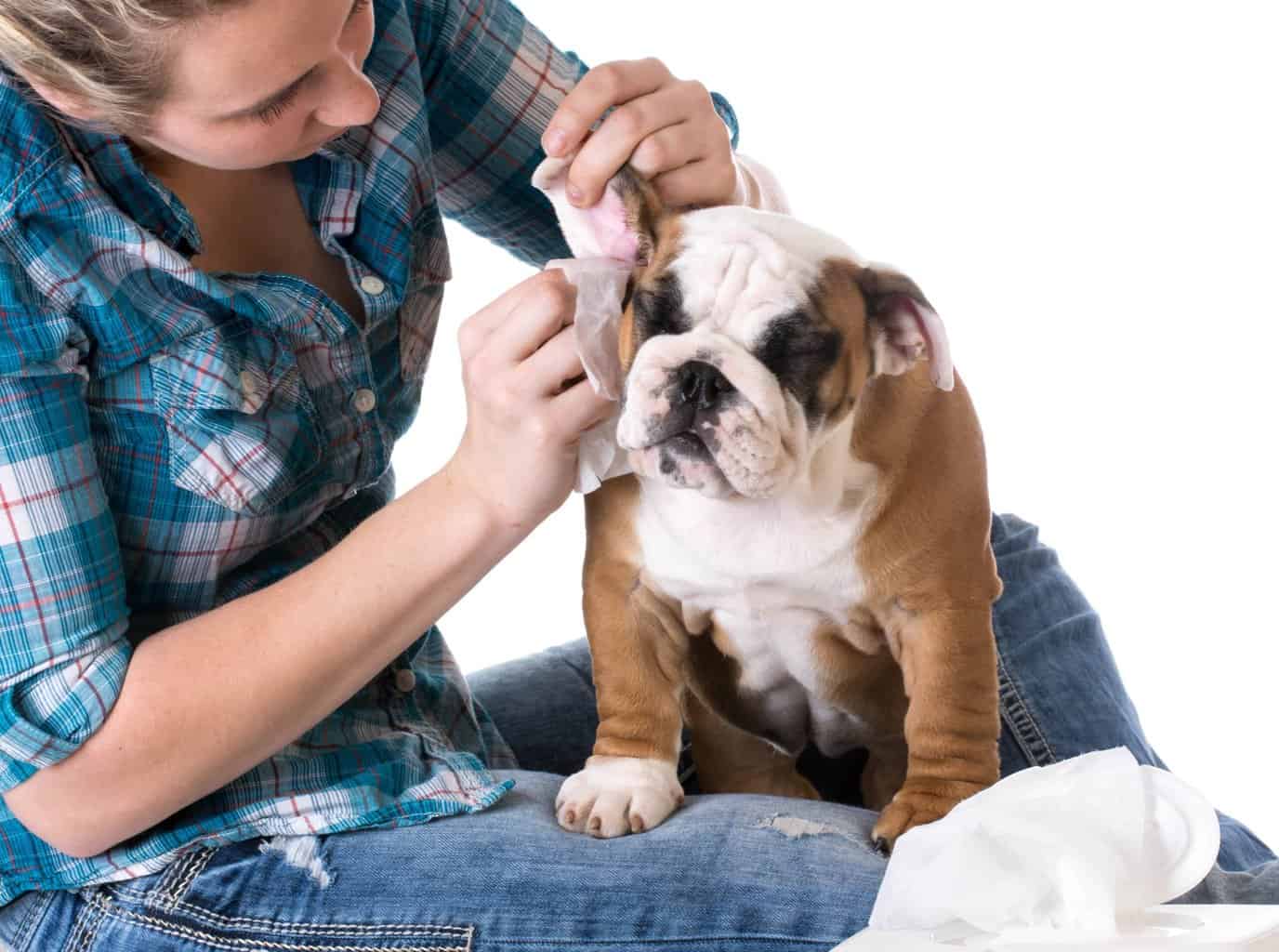
Canine ear infections are one of the top reasons pet owners bring their dogs to the vet. Use at-home remedies to keep your dog’s ears clean.
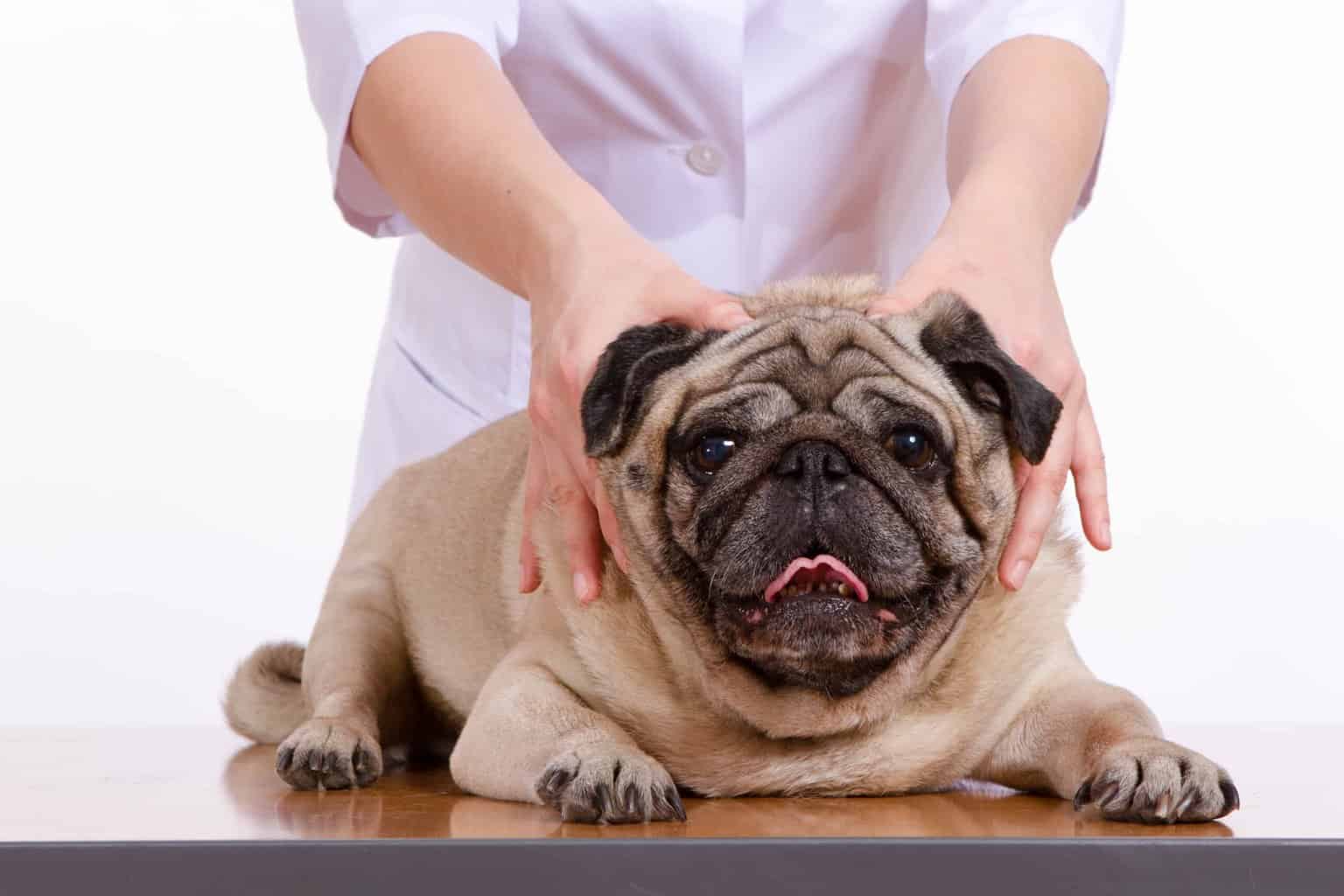
Pulsed electromagnetic field therapy treats wounds, bone injuries, arthritis, inflammation, and discomfort in dogs.
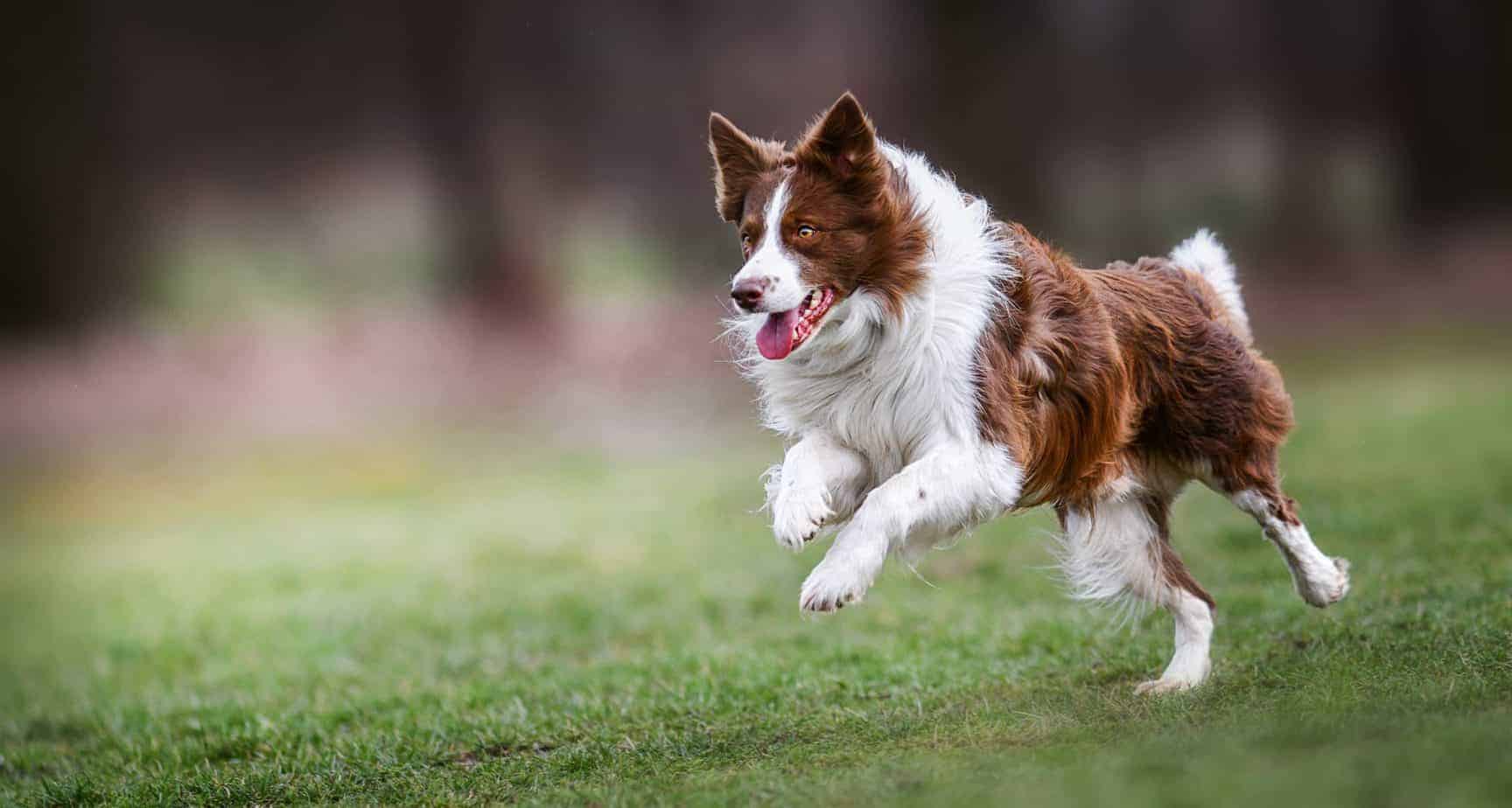
Dog health tips: Quality food, exercise, health care, pet insurance and be sure to shower your dog with love and attention.
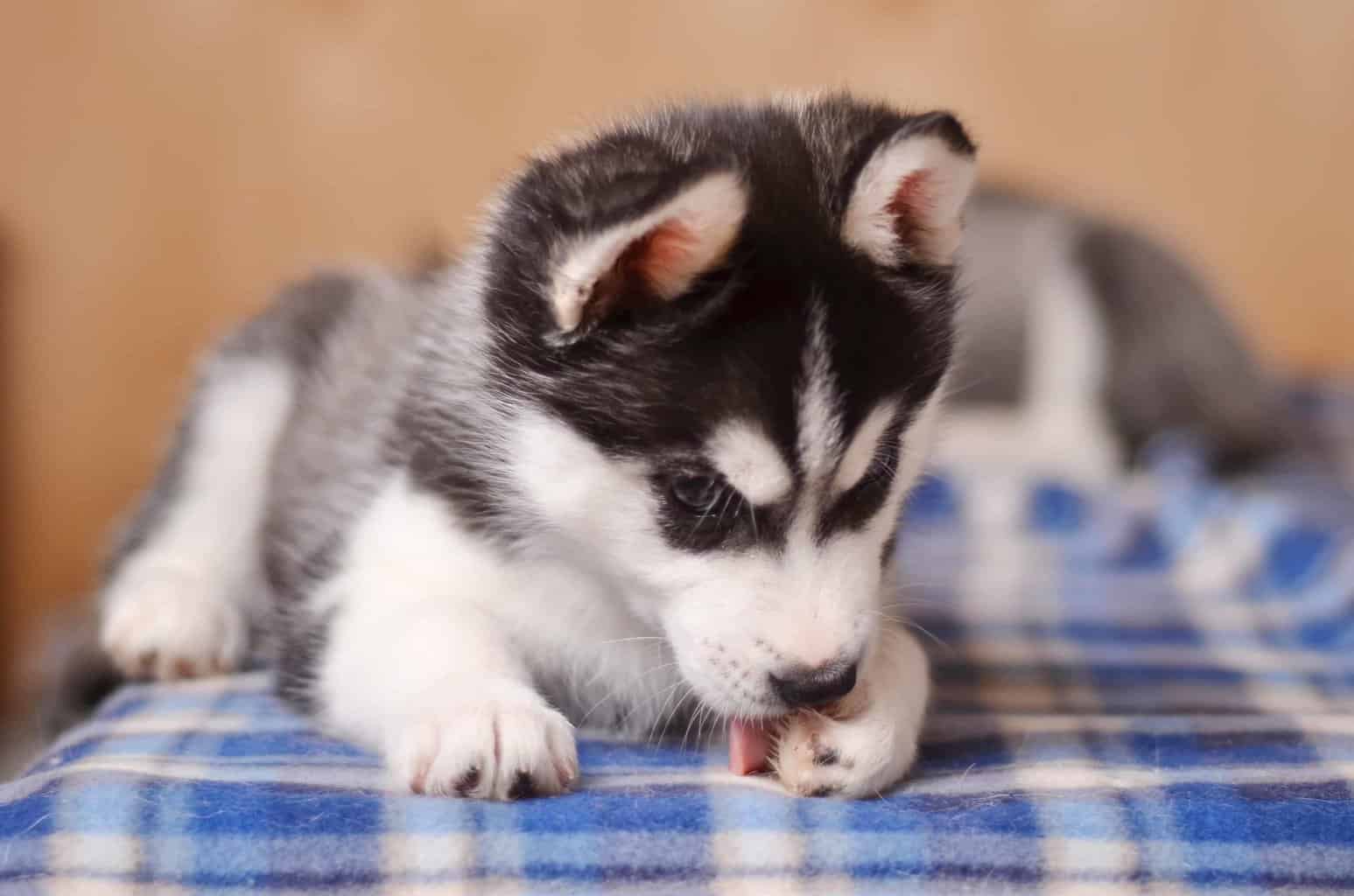
Dogs lick their paws when they’re bored. Dogs also lick paws due to injuries or reactions to allergens, injuries, or insect bites or stings.
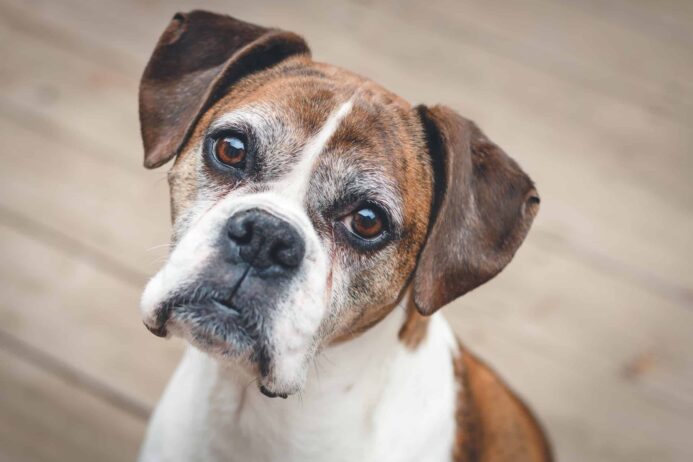
Canine Cognitive Dysfunction, also known as dog dementia, affects 50% of dogs 11 and older. The disease can change your dog’s awareness and memory.
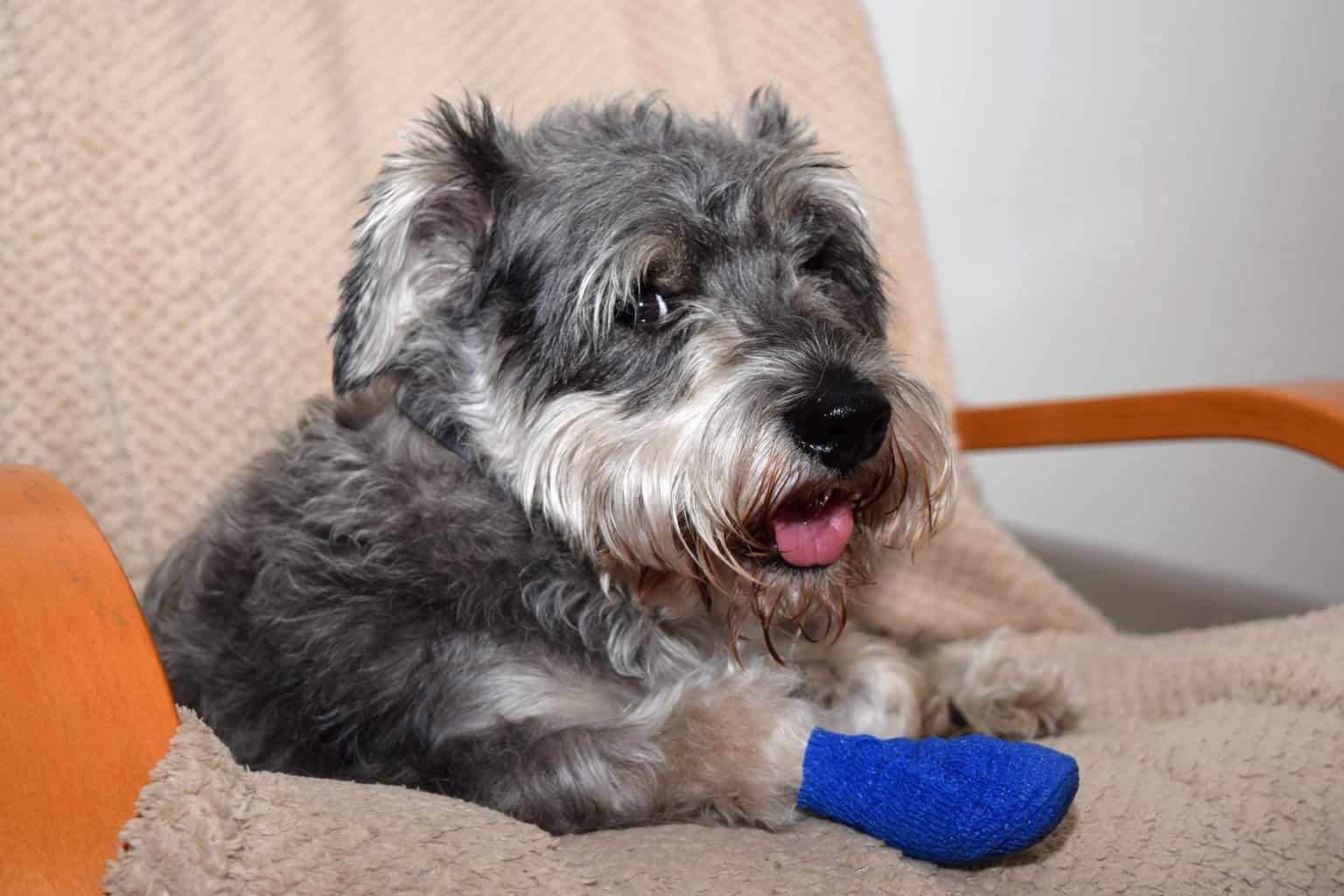
Recovery is a slow but steady process. Pay close attention to your dog’s pain level and symptoms and watch what they eat and drink.
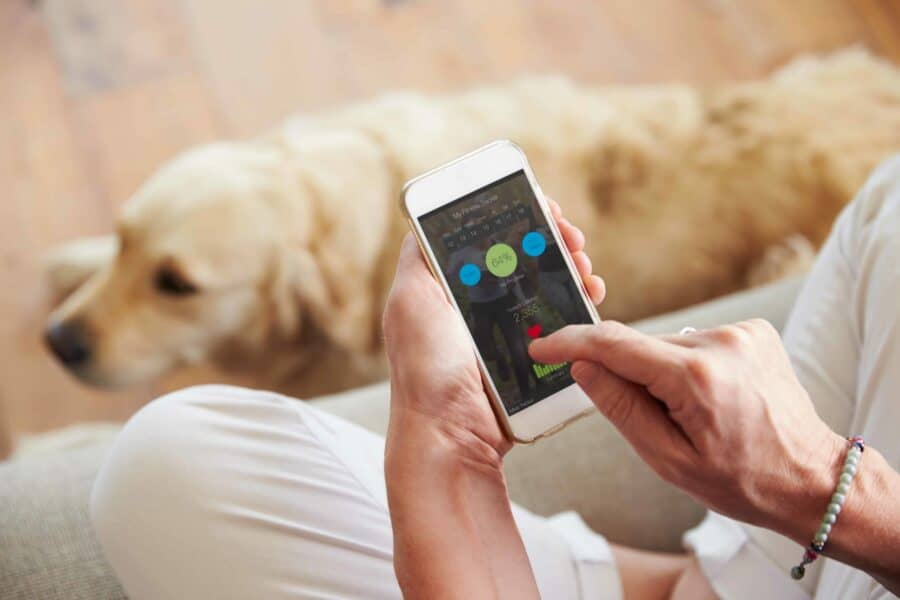
Consider using apps to track your dog’s health. You can use apps to track your dog’s diet, medication, vet appointments, and health records.
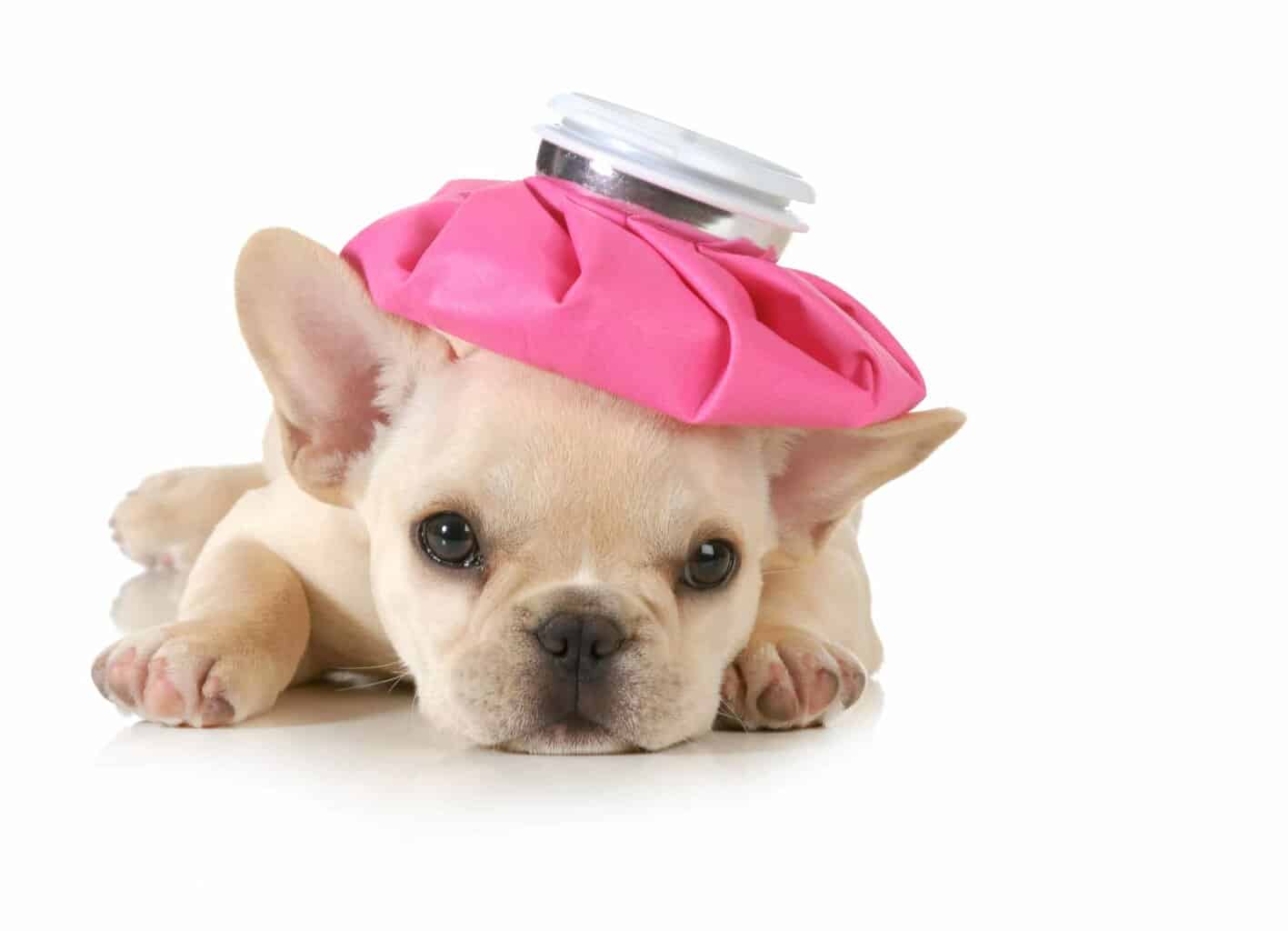
Give your sick dog the best care: Make sure your dog gets enough rest, stays hydrated, and stays comfortable. Watch for behavior changes.
[mc4wp_form id=”13217″]