5 tips to keep your dog’s joint health Intact
Maintain your dog’s joint health with a balanced diet, regular activity, weight checks, joint supplements, and creating a safe environment.

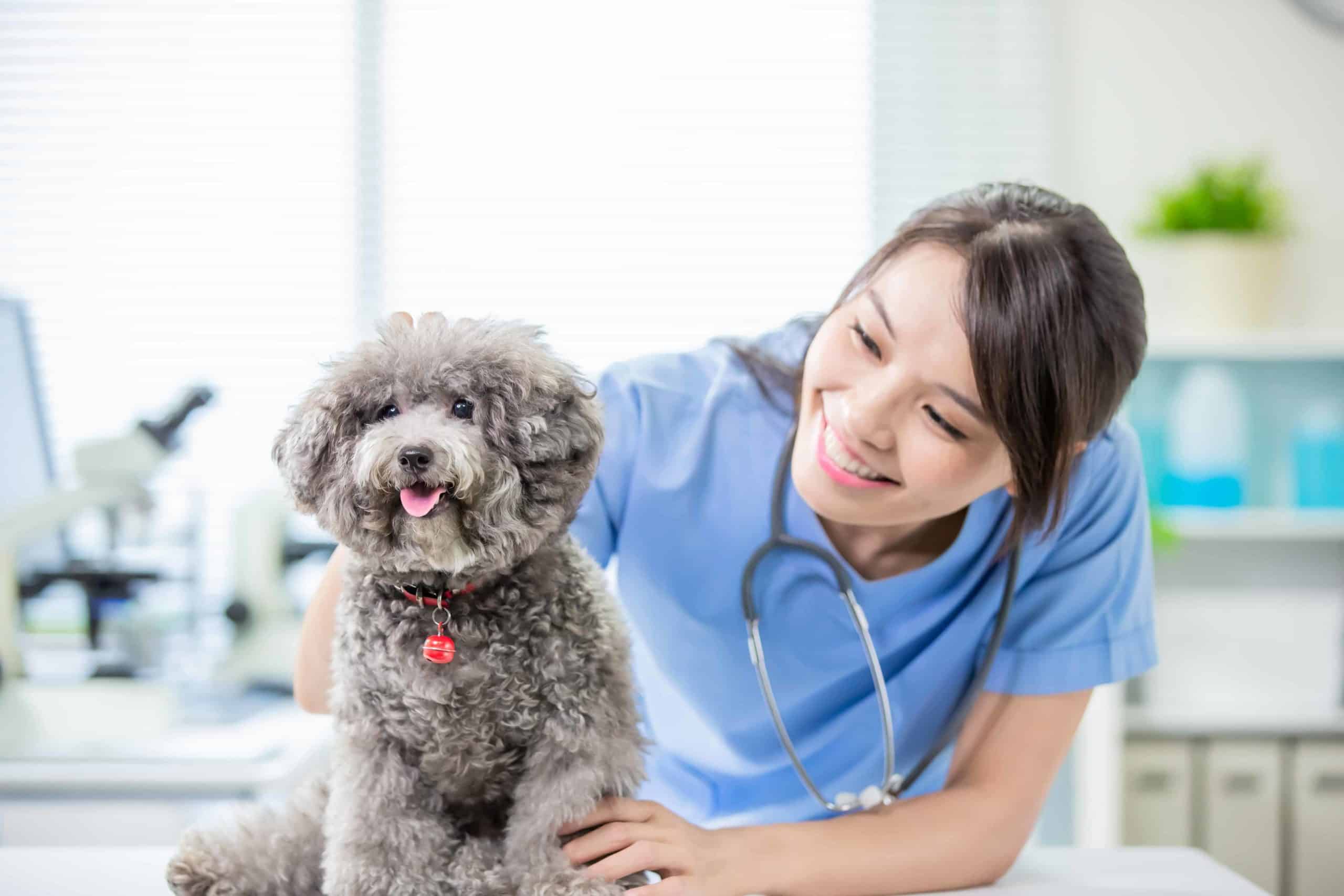
Work with your vet to monitor health conditions to provide the best possible care for your dog.
Ear infections: A dog ear infection is a common health problem. To best way to prevent ear infections is to keep your dog’s ears clean.
Hiccups: Veterinarians think dog hiccups belong on the list of “growing pains” some puppies must endure.
Excessive thirst: Excessive thirst and frequent urination can indicate diabetes, kidney failure, liver disease, leptospirosis, and Cushing’s Disease.
Giving your dog medications: Tap into your dog’s love of treats to give him medicine. Start by mixing the pill with peanut butter, cheese, or another favorite.
Animal plastic surgery: Plastic surgery can correct breathing issues that have been caused by the selective breeding of breeds like Shar-Peis and Pugs.
Dog dehydration: Dogs are susceptible to dehydration during summer. Dehydration also is a sign of diarrhea, liver disease, and kidney disease.
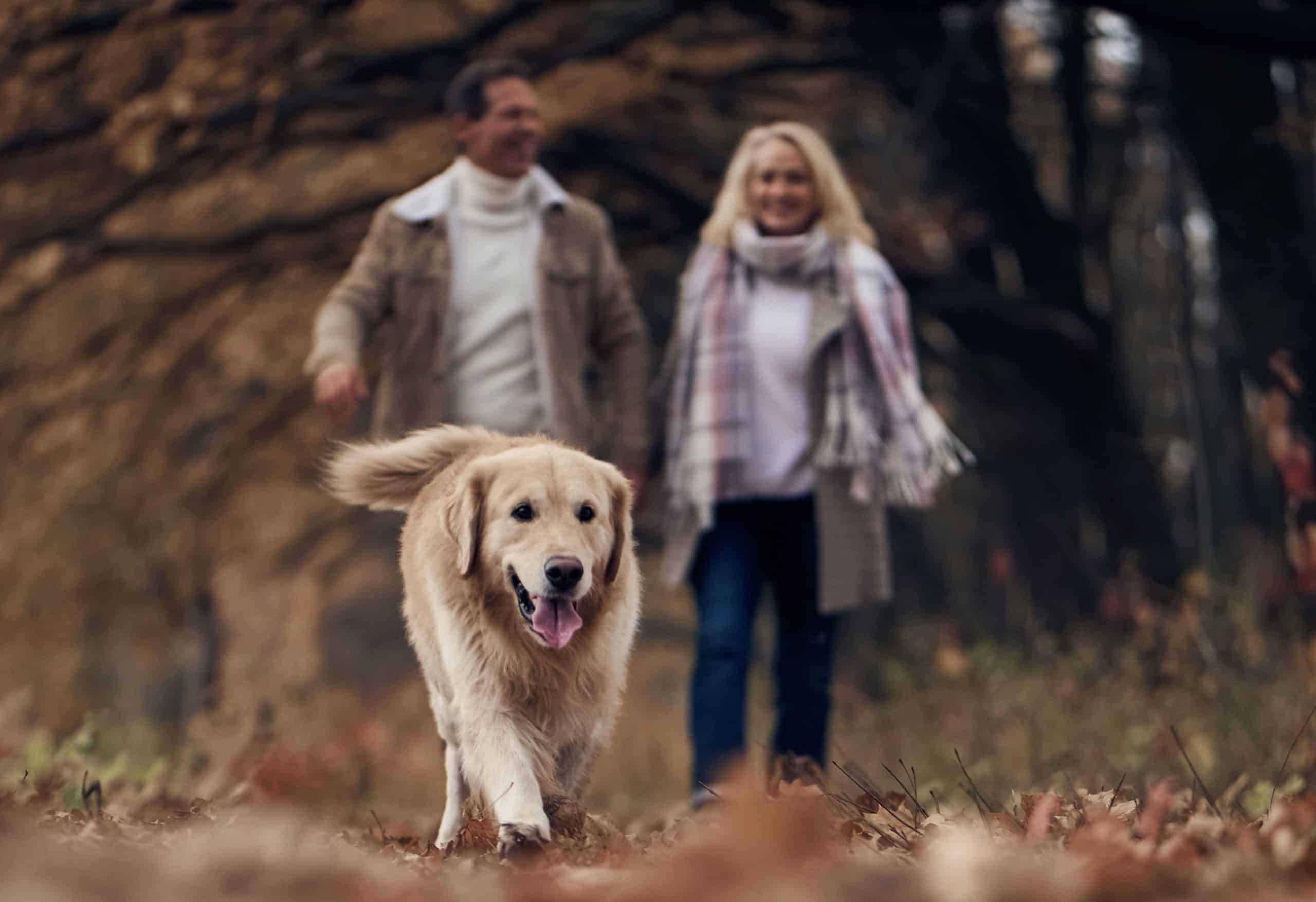
Maintain your dog’s joint health with a balanced diet, regular activity, weight checks, joint supplements, and creating a safe environment.

While canine incontinence afflicts dogs of all ages, breeds, and gender, spayed females and some breeds are prone to the condition.

Tracheal collapse, heart disease, patellar luxation, heart disease, pancreatitis, and ectropion are common small dog health conditions.
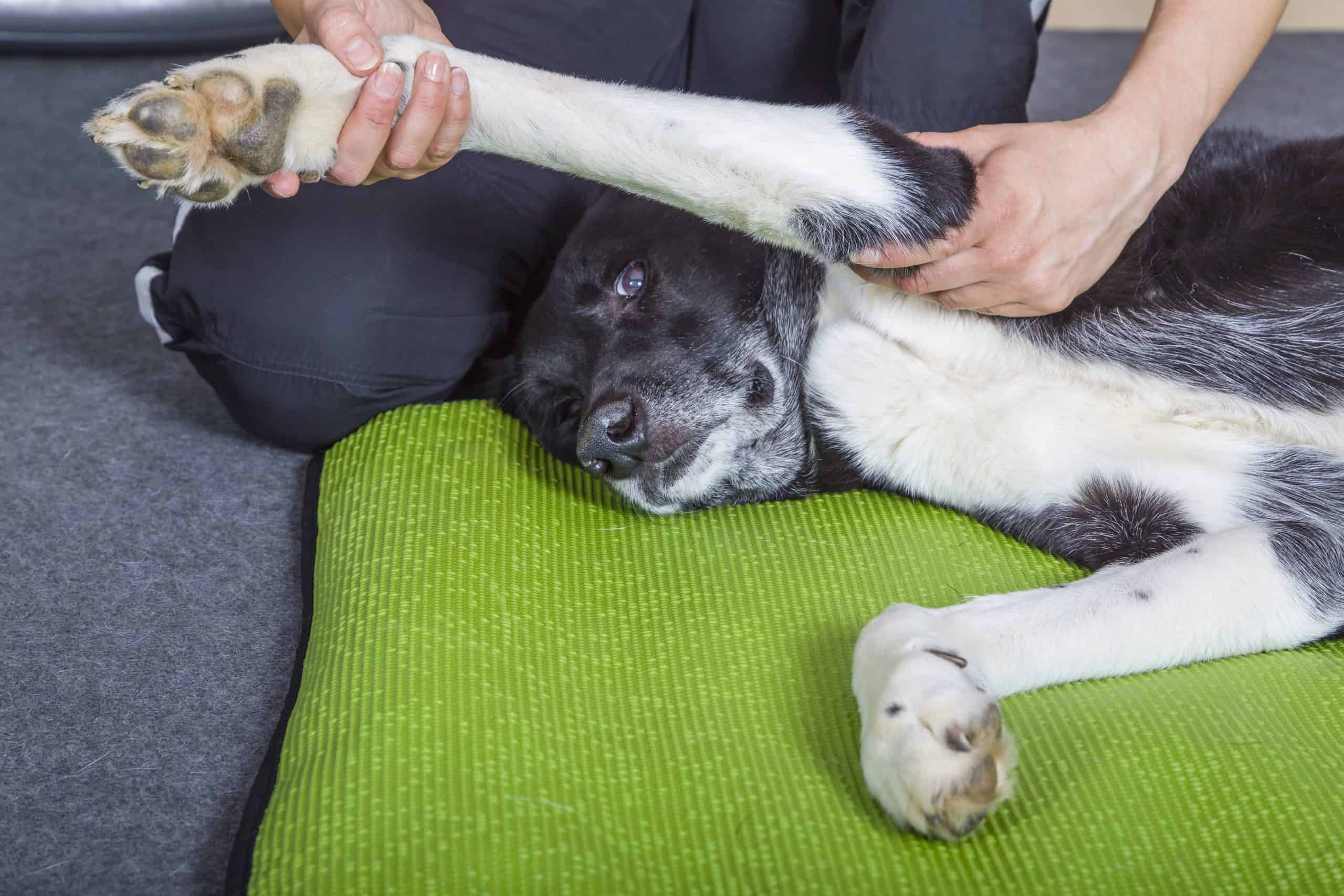
Providing post-surgery care for dogs will help your pup fully rehabilitate and gradually resume regular activities.
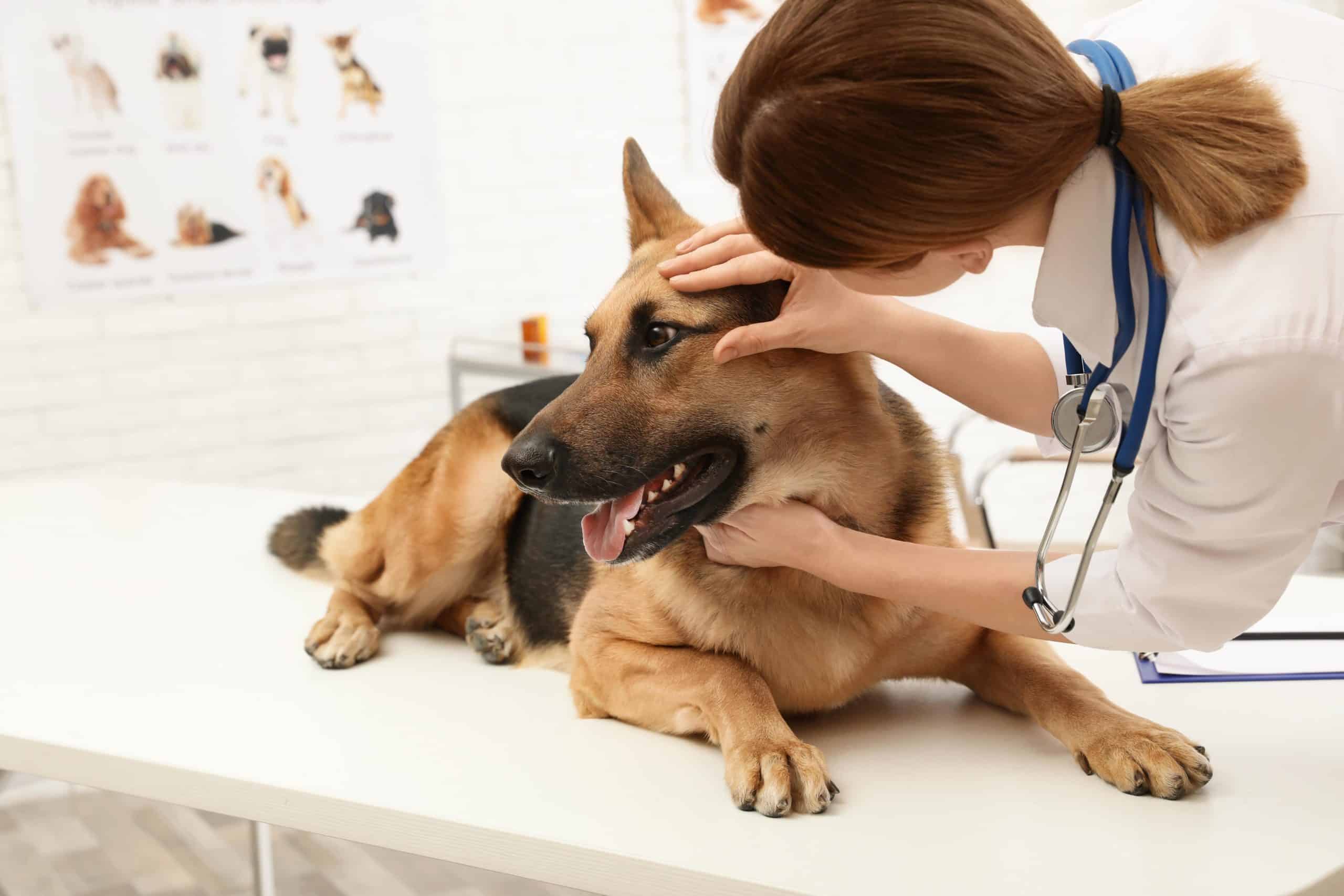
Canine epiphora or excessive watering or tear flow is harmless for a few dog breeds but may cause loss of vision in others.
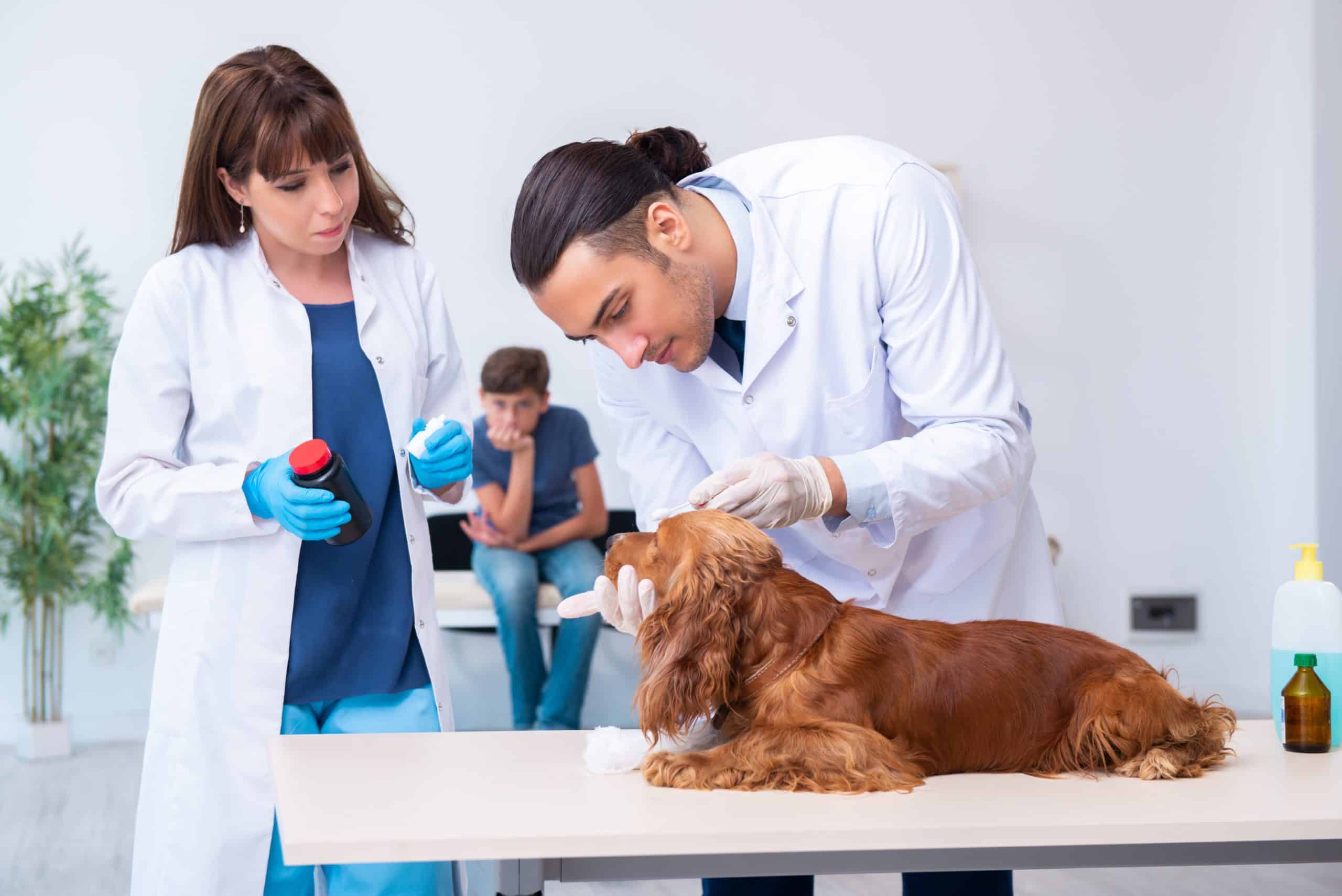
Cherry eye is common in cocker spaniels, beagles, and English bulldogs. The condition occurs when the third eyelid prolapses.

Gastric ulcers in dogs are caused by infections or diseases and are most common in German Shepherds and Rottweilers.
Dogs commonly contract leptospirosis. Catching the signs of leptospirosis in dogs early leads to prompt treatment and better recovery odds.

Infectious canine hepatitis is found in dogs, wolves, or foxes. Without vaccination it is contagious and poses a serious threat to puppies.
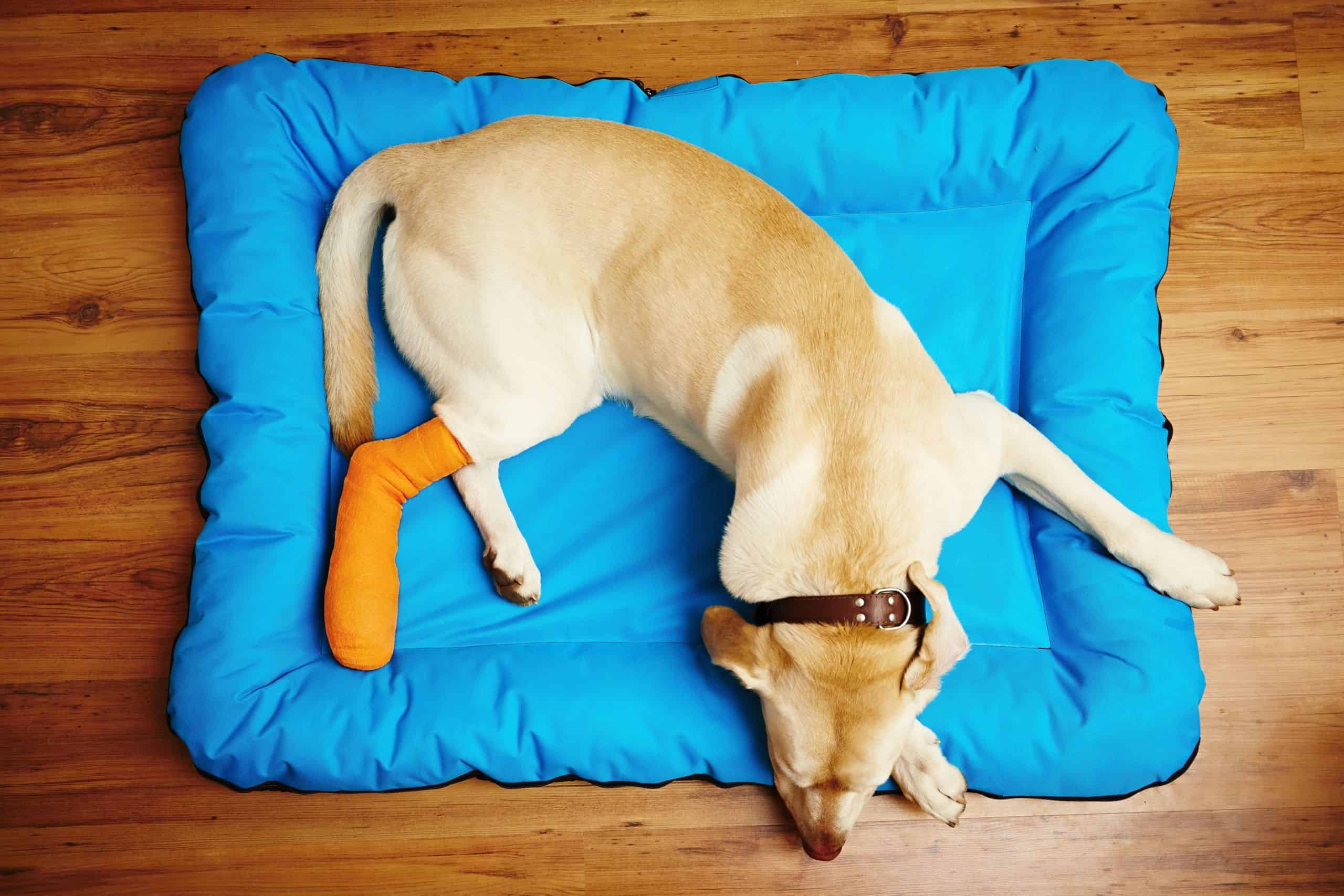
While a luxating patella, or the dislocation of the kneecap, is most common in small dogs, its occurrence in larger dogs is increasing.
[mc4wp_form id=”13217″]