Find out when, where and how most dog owners take their pups out
According to a dog walk info survey from DogBuddy.com, most dog owners usually walk in the morning and tend to walk alone.

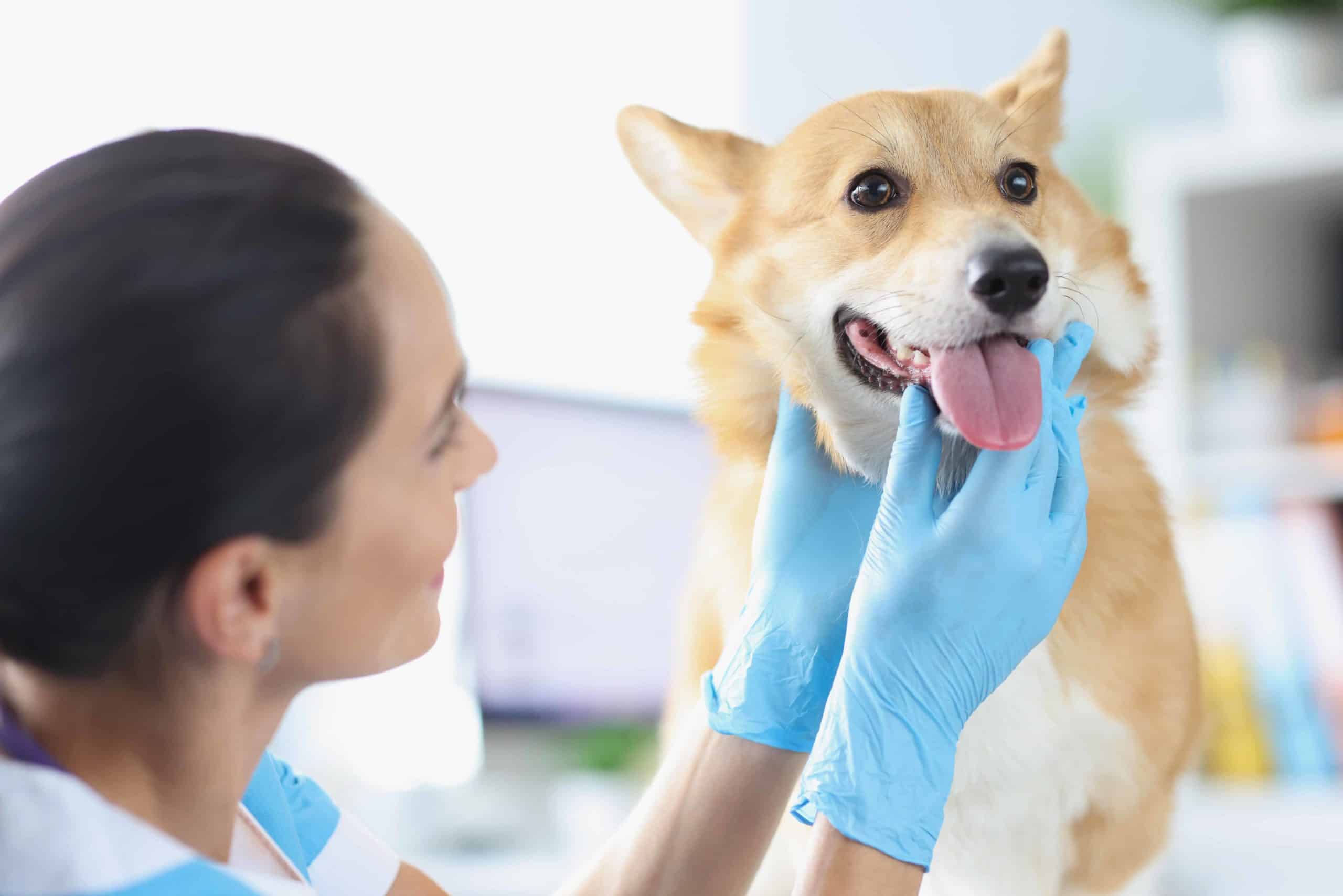
Dog health is your top priority as a dog owner. To enjoy your companion as long as possible, you need to keep your dog healthy and happy. But doing that can be tough.
DogsBestLife.com is here to help.
We offer advice on:
Choosing a vet. Start by asking for recommendations.
Common dog health problems: Range from fleas and ticks to ear infections and from arthritis to obesity and diabetes.
Know when to take your dog to the vet. Dealing with a sick dog is scary. Recognize when you need help.
What to feed your dog? Raw? No grain? It’s hard to sort it all out. Use our feeding guide to help make the decision.
How much sleep does your dog need? What can you do to help him sleep all night? And what do dog sleep positions mean?
Your dog’s health needs change dramatically as he ages. What’s right for a puppy isn’t right for an older dog. We offer advice on helping your dog age gracefully.
And we offer information about common dog health issues including arthritis removing dewclaws, and whether your dog might benefit from plastic surgery.
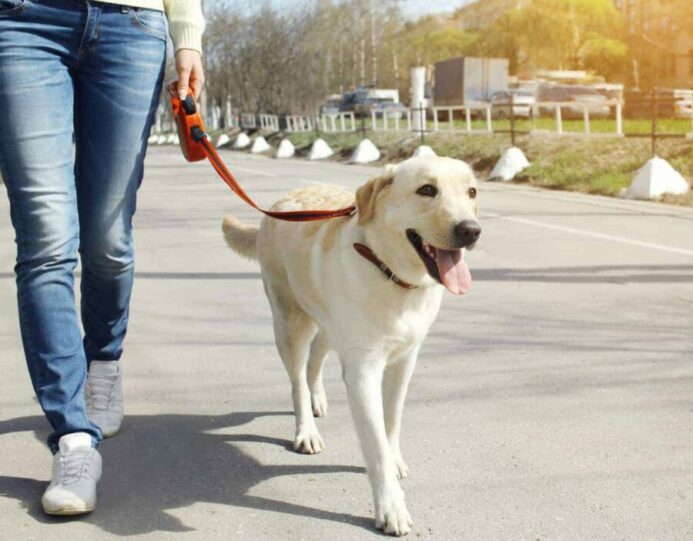
According to a dog walk info survey from DogBuddy.com, most dog owners usually walk in the morning and tend to walk alone.
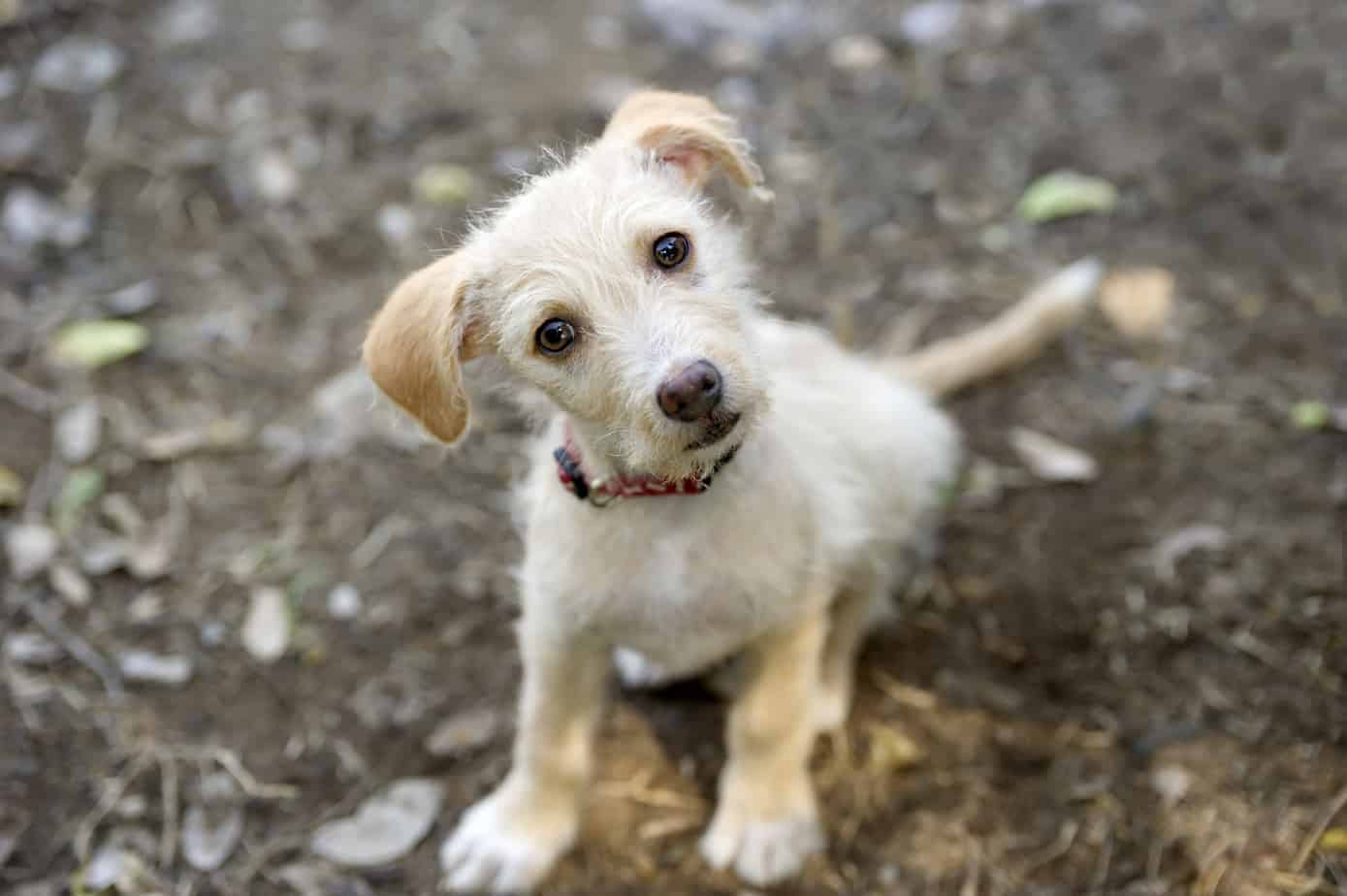
It can be confusing for first-time puppy owners to know exactly how to care for their new dog. Use these tips to help ease the transition from first-time puppy owner to successful dog parent.
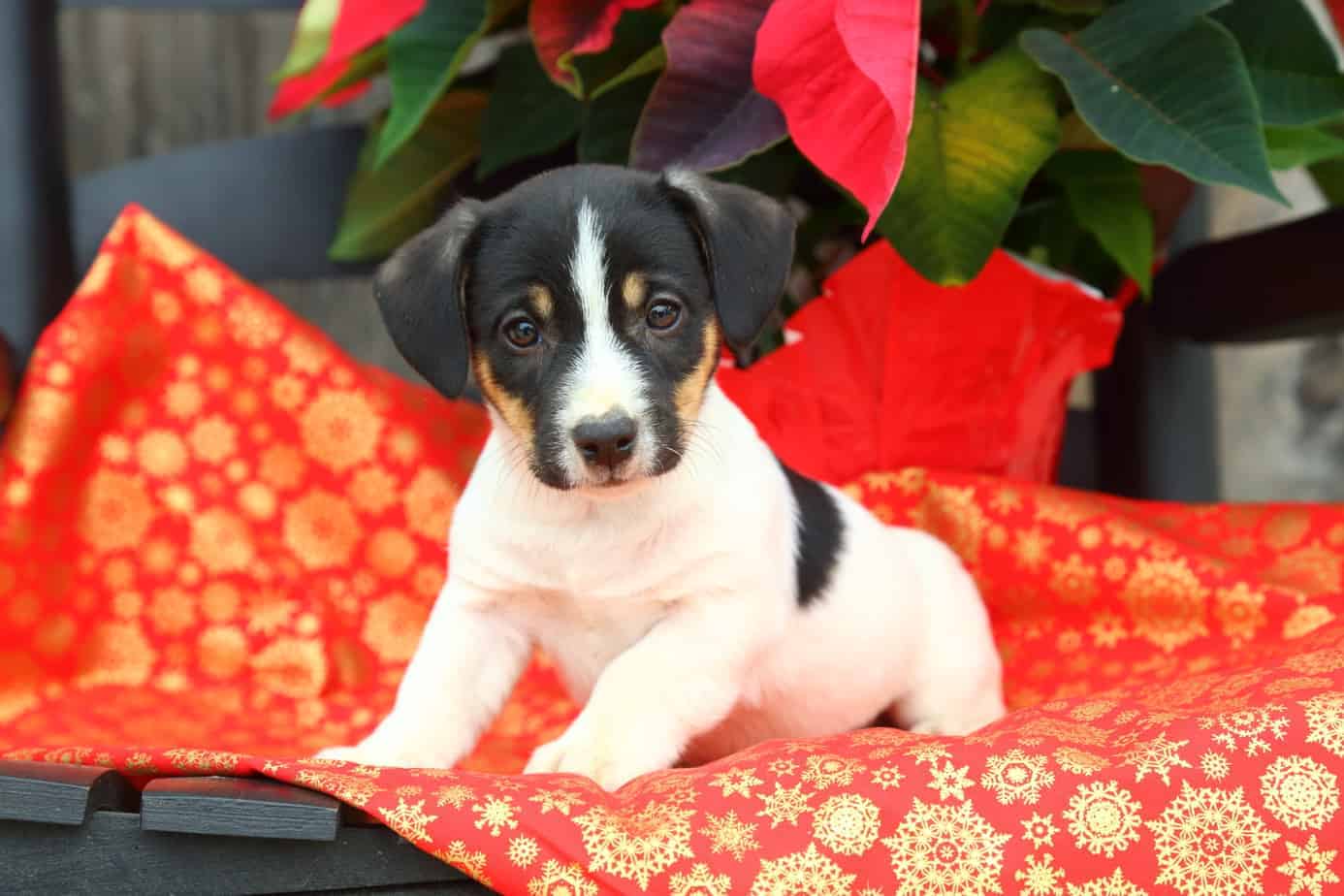
Keep dangerous decor out of reach for dogs, cats and little ones. If possible, avoid using any harmful plants and instead decorate with dog-friendly plants.

Puppy Christmas decorating dangers include trees, poinsettias, wreaths and more. Puppies will chew on ornaments, eat tinsel and gnaw on power cords.
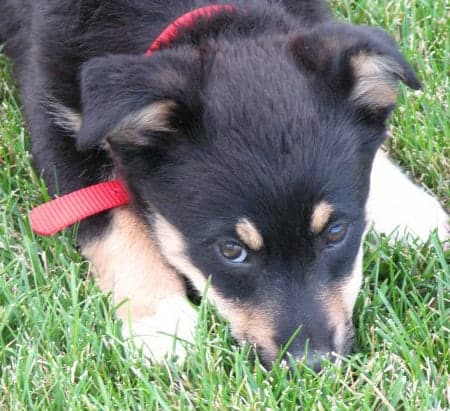
Four common reasons dogs eat grass: they’re bored, nauseous, need nutrients or just like grass. If your pup frequently eats grass, consult with your vet.
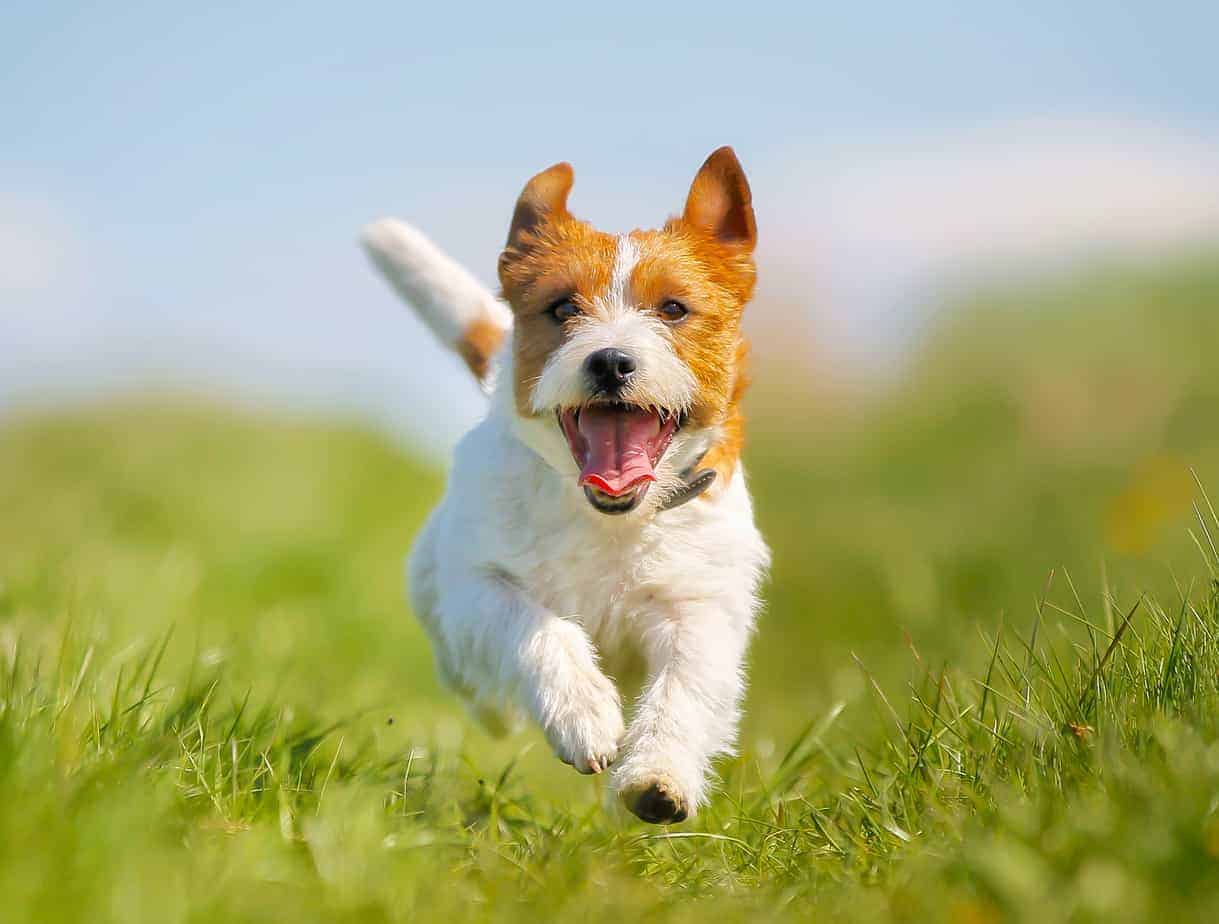
Save money on pet care with CouponChief.com’s detailed money-saving guide, which covers dog food, veterinary care and adoption fees.
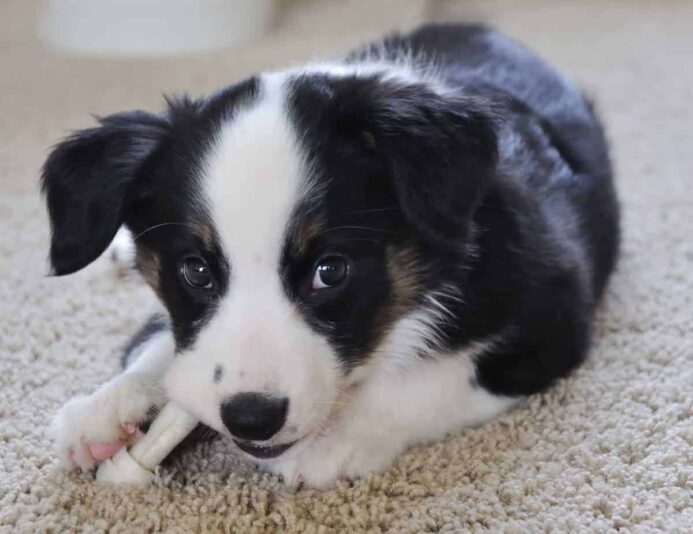
Getting their puppy teeth can be as painful for puppies as the process is for human babies. Unlike babies who cry, puppies ease their discomfort by chewing.
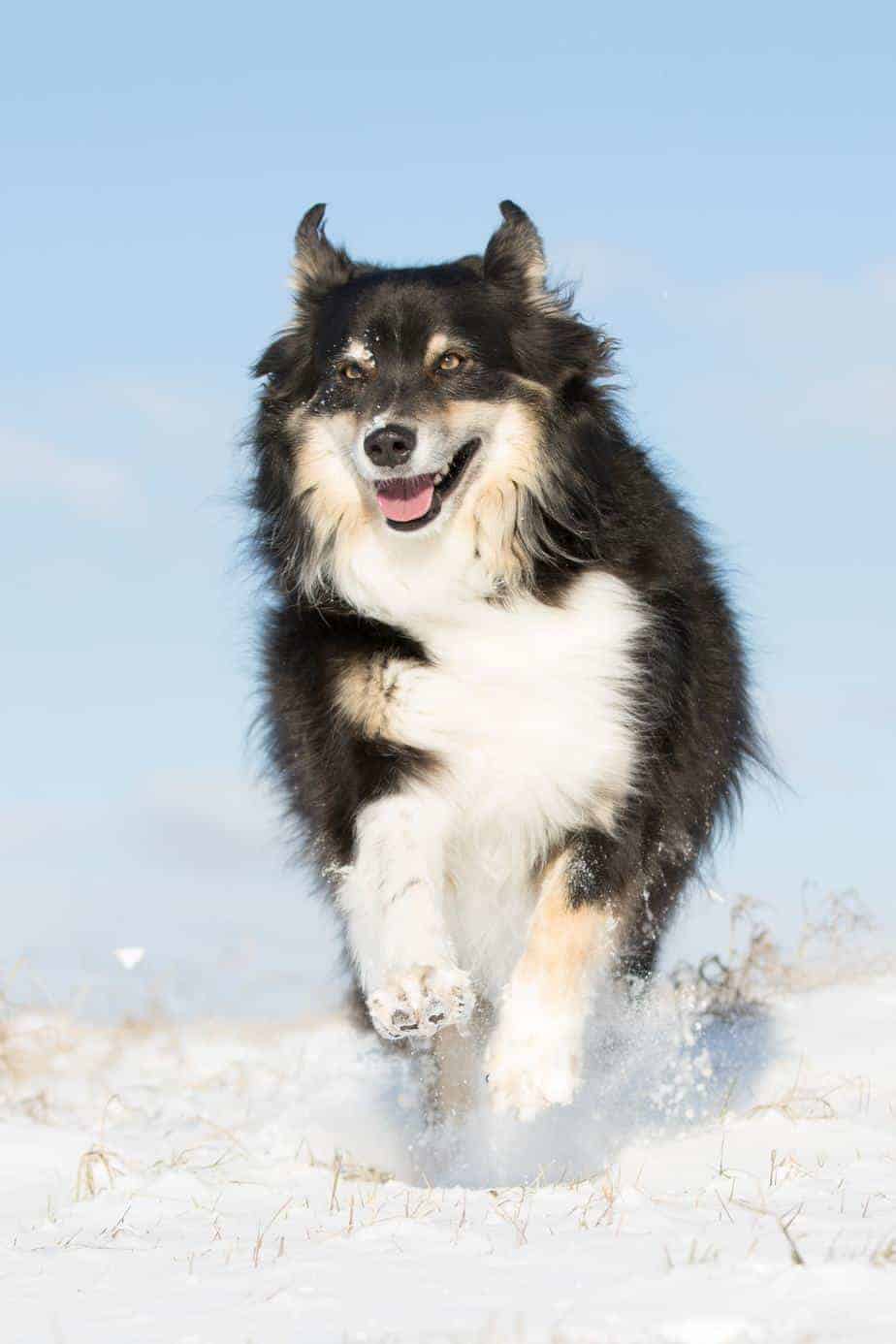
When the temperature drops it’s not enough to just prepare our homes and cars, we also need to get our dogs winter ready.

Common reasons dogs lick include showing love and affection, marking their territory, healing a wound and relieving stress.
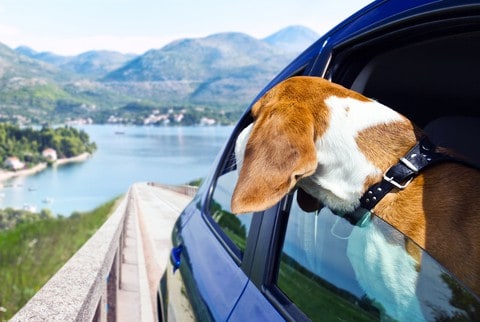
Nervous, hyperactive dogs are more likely to suffer from motion sickness as are puppies whose inner ears have not yet fully developed.
[mc4wp_form id=”13217″]