Does your dog listen when you talk? Understanding the head tilt
Discover the meaning of your dog’s head tilt. Learn why dogs tilt their heads when you talk and the science behind their communication.

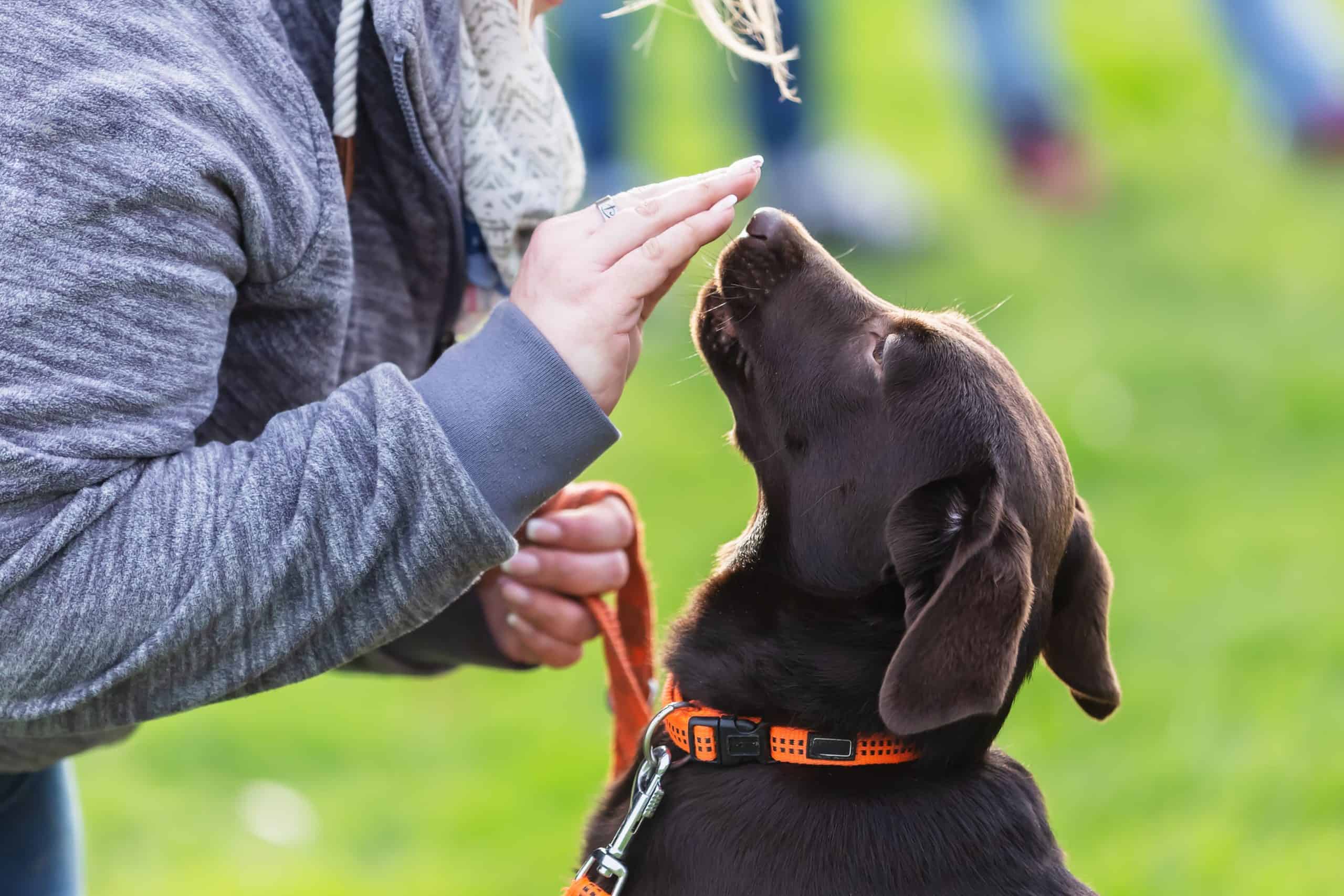
Training your dog takes time and effort. And it needs to start the day you bring your puppy or dog home.
Dog training should be a lifelong project for you and your dog. Make it fun and mix playtime with dog training.
To be successful, use these dog training tips: Be a leader, be firm, humane, and praise.
Dogs are social, pack-oriented animals who respond best to a leader figure, whether dog or human. The best pack leaders are the ones who are the most consistent. Dogs react to consistency because they know they can trust the consistent leader. Consistent leaders don’t invite the dog onto the couch one day and punish him the next when he jumps on the couch without permission.
Good leaders are firm without being harsh. A good leader tells the dog to do something. He or she doesn’t shout at the dog, plead with the dog or scream at the dog to obey. The punctuation at the end of a good leader’s command is merely a period.
Third, a good leader is compassionate. He or she doesn’t punish the dog for mistakes made by the leader.
When the dog does something praiseworthy, deliver approval immediately. A good leader does not praise unwanted behaviors, no matter how unintentional the recognition may be.
If the dog shows fear, aggressiveness, or timidity, the good leader either ignores the behavior or tells the dog to knock it off. The good leader doesn’t praise and, therefore, encourage the response by stroking the dog, telling him it’s OK, you’re a good boy, etc., while the dog is acting out.
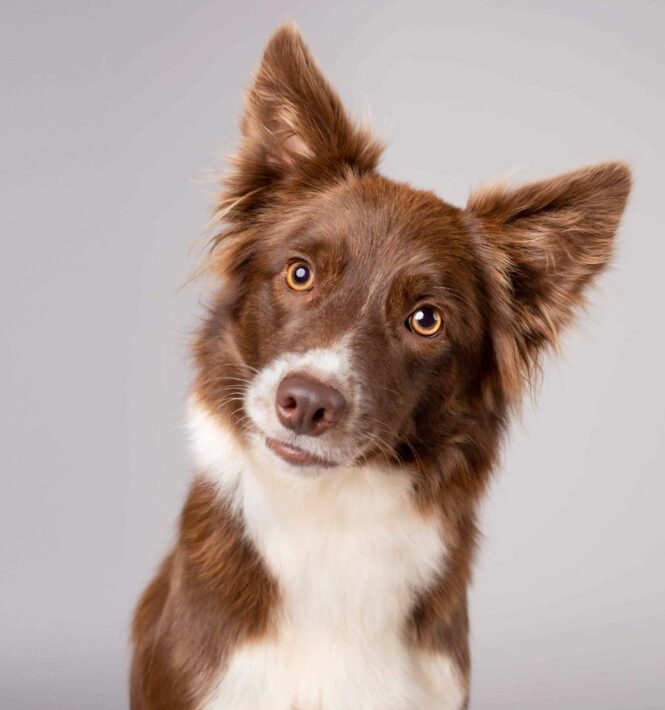
Discover the meaning of your dog’s head tilt. Learn why dogs tilt their heads when you talk and the science behind their communication.
Learn training tips to teach your puppy to come when called. Explore reasons for poor recall and discover strategies to build a strong bond.

Understand your dog’s temperament for better training. Explore personality types, how to manage aggression, and create a safe home.
Unlock dog obedience with consistent signals and tools, such as clickers and whistles. Build a strong bond and use positive reinforcement.

Train your temperamental dog with seven practical tips. Understand their behavior, use positive reinforcement, and create a safe environment.

Avoid common training mistakes that can impede your dog’s learning. Discover effective training strategies and strengthen your bond.

Train your dog to be polite to strangers using effective techniques such as positive reinforcement and desensitization.
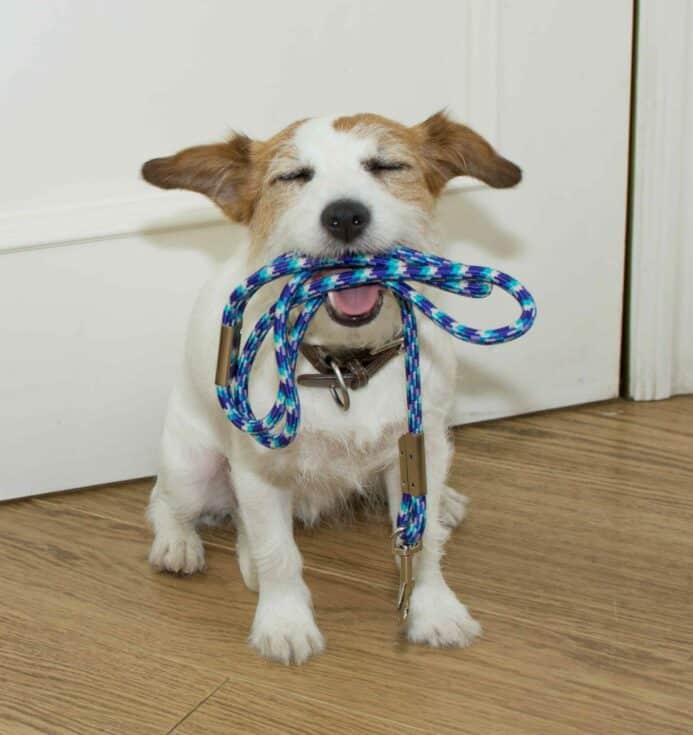
Explore 15 fun impulse control games to calm your hyper dog, teach patience, reduce destructive behaviors, and strengthen your bond.
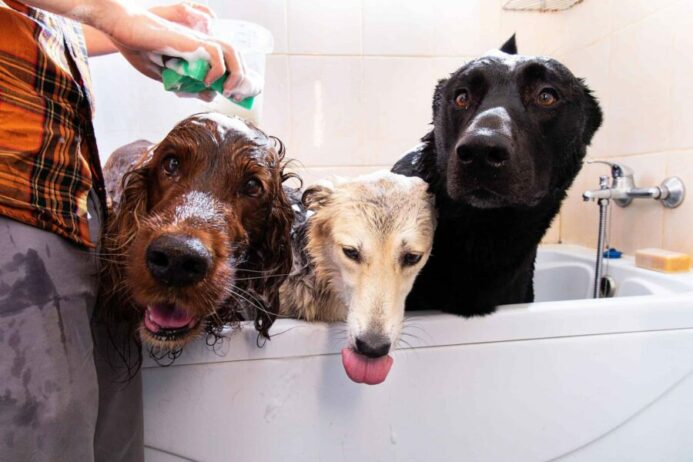
Explore the challenges of managing a household with three dogs. Discover tips for bonding, observing interactions, and enjoying the benefits.
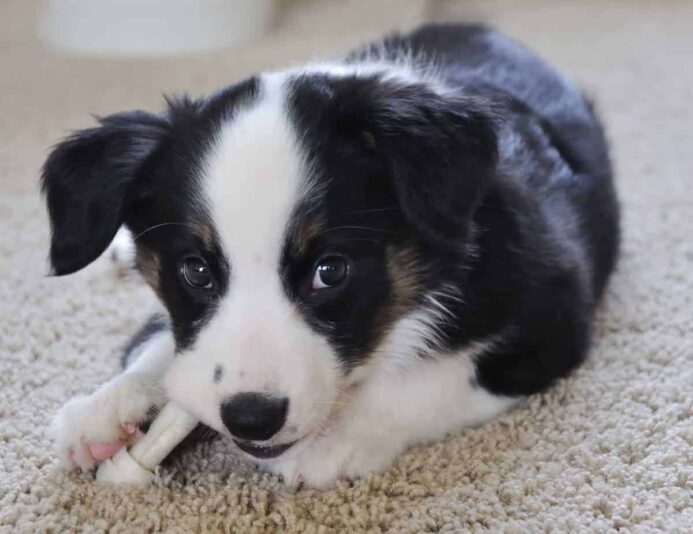
Learn effective ways to stop inappropriate chewing. From taste deterrents to safe chew toys and exercise, discover solutions.
[mc4wp_form id=”13217″]