
Dog training secrets: Avoid 15 mistakes that destroy your results
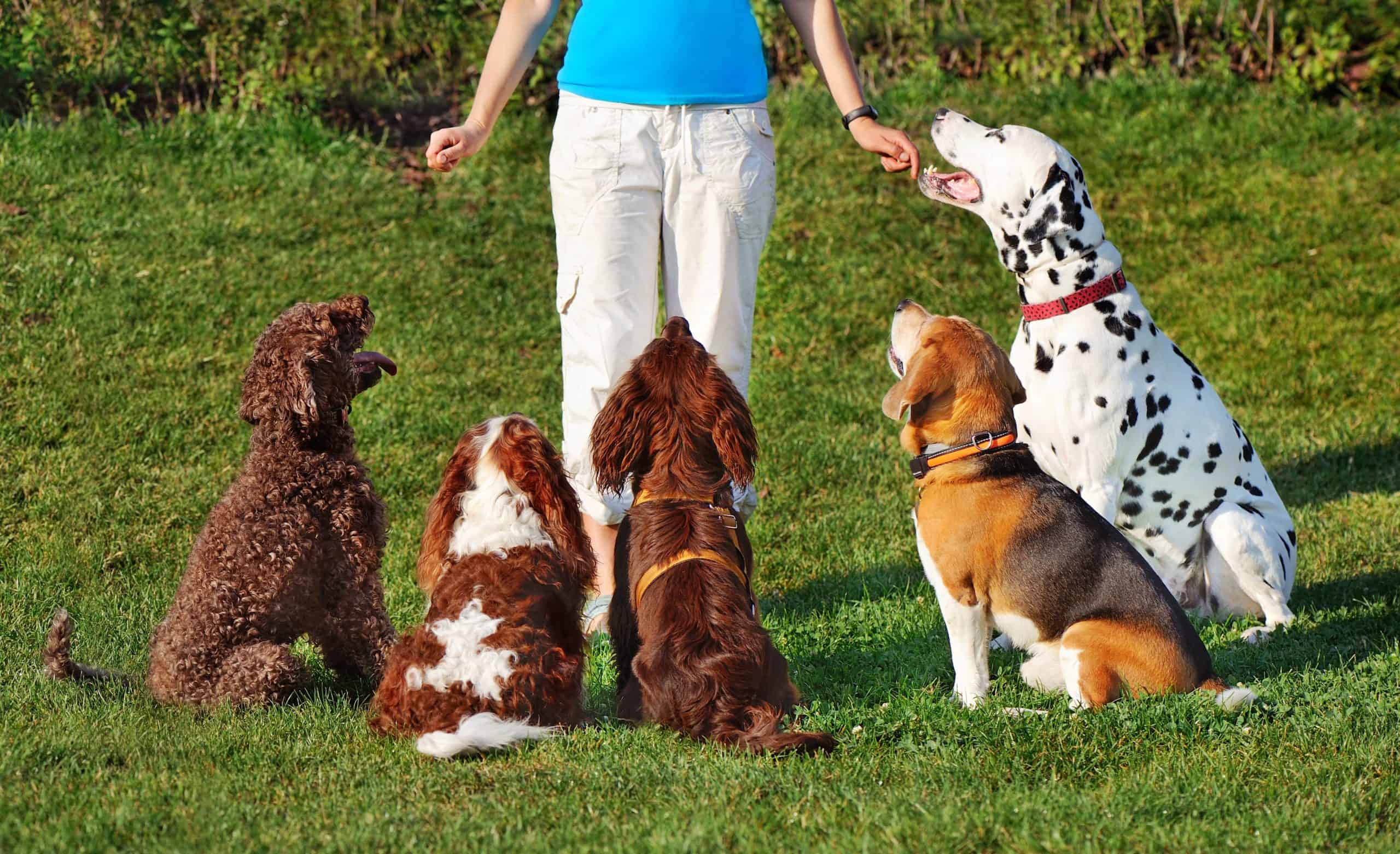
Have you ever winced when your dog misbehaves at the dog park? While owning a perfectly trained dog is ideal, achieving that goal is not always easy.
But the fact that you are determined to train your dog means you are on the right path. Don’t allow minor or common dog training mistakes to deter you.
Let’s look at some of the most common dog training mistakes people make and what you can do to mitigate them.
Not being patient
Training a dog takes time, and every dog learns at its own pace. Don’t get frustrated or stressed because your dog is taking too long to catch on to something, such as basic obedience commands.
Not only will that make matters worse, but the dog will most likely also become stressed.
If the dog struggles to master something, consider whether this might be a good time for that specific training.
Perhaps you have extended the session for too long. It’s best to keep the session short (10-15 minutes) and always end on a positive note.
Alternatively, break down the training sessions into smaller parts, each done separately.
Not correcting or rewarding immediately
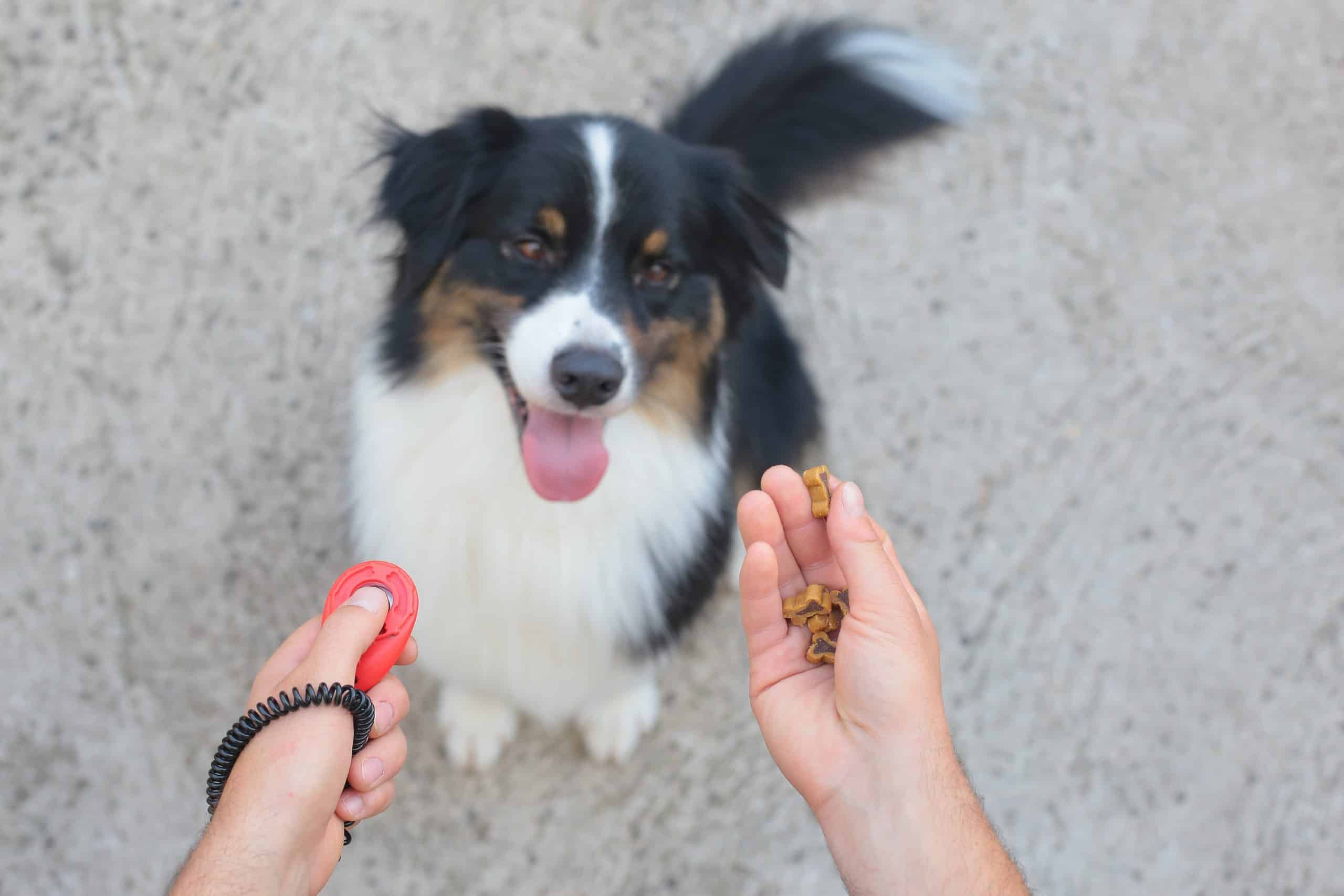
Dogs are not blessed with the same sense of time as human beings. Negative or positive behavior must be recognized immediately; otherwise, you will only be confusing the animal.
If the dog does something naughty, and you first decide to go and answer the ringing phone or doorbell, then come inside ten minutes later and scold him, the animal won’t know why it is getting punished.
Inadvertently encouraging bad habits
If you pet or touch a dog that jumps, you reward the action, teaching him that jumping for attention has a reward. Similarly, if you give in to the dinner table begging, you are making begging a habit.
Encouraging the dog to bark at strangers or cats and then punishing that same behavior later in life when he chases your new kitten or barks at the postman makes no sense.
Failing to establish a routine
Dogs love routine. When they know the times to play, walk, eat, and sleep, it creates a confidence level that builds healthy anticipation and minimizes stress.
Dogs are very clever animals and quickly pick up on many signals. Some might not be that important—leading to confusion and problems later in training.
When training puppies, it’s essential to establish a consistent schedule for playtime, walks, and meals. Whatever routine you set, try to stick to it, as this helps inspire confidence in your puppy.
It also makes the transition into adulthood much easier.
Not recognizing when your dog is anxious or scared
Learn to spot signs of fatigue, anxiety, or fear in your dog and immediately stop the training session.
Flattened ears, licking lips, and cowering with the tail between its legs are more common dog signs that indicate it is anxious or scared.
Inconsistency
One of the most common mistakes is being inconsistent with commands and rules.
If you sometimes allow a behavior and other times you don’t, your dog will be confused about what is expected.
Lack of patience
Training takes time, and expecting immediate results can lead to frustration for both you and your dog.
Be patient and celebrate small victories along the way.
Using negative reinforcement
Punishment can lead to fear and anxiety. Instead, focus on positive reinforcement by rewarding good behavior with treats, praise, or playtime.
Overusing treats
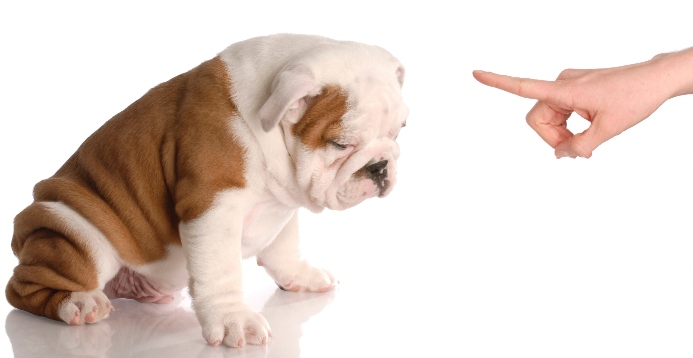
While treats are a great reward, relying solely on them can cause issues.
Gradually phase them out and use praise or toys to reinforce good behavior.
Ignoring the dog’s needs
Training should be tailored to your dog’s individual personality and needs. Failing to consider their energy level, breed traits, or temperament can hinder progress.
Not practicing enough
Just like humans, dogs need repetition to learn. Make training a consistent part of daily activities rather than a one-time session.
Understand that your dog’s attention span may be short, so plan frequent sessions.
Training with distractions
Attempting to train your dog in a chaotic environment can be overwhelming. Start in a quiet place and gradually introduce distractions as they learn.
Expecting too much too soon
Dogs may take time to grasp concepts. Set realistic expectations based on their age, breed, and previous training experience.
Neglecting socialization
Providing opportunities for your dog to interact with other dogs and people is crucial for their development. Lack of socialization can lead to behavioral issues.
Inadequate exercise
A dog that doesn’t get enough physical and mental exercise may struggle to focus during training sessions. Ensure they have plenty of outlets for their energy.
Avoid dog training mistakes
Finally, never train a dog when you are in a bad mood or tired.
Human patience tends to wear thin when tired or grumpy, and you are more likely to get mad at the dog for not getting things right on the first attempt.
To train your dog professionally, you can learn skills by joining dog trainer courses available online. These lessons are very helpful in communicating with your pet.