
Why your dog won’t stop chewing: 7 simple solutions that work
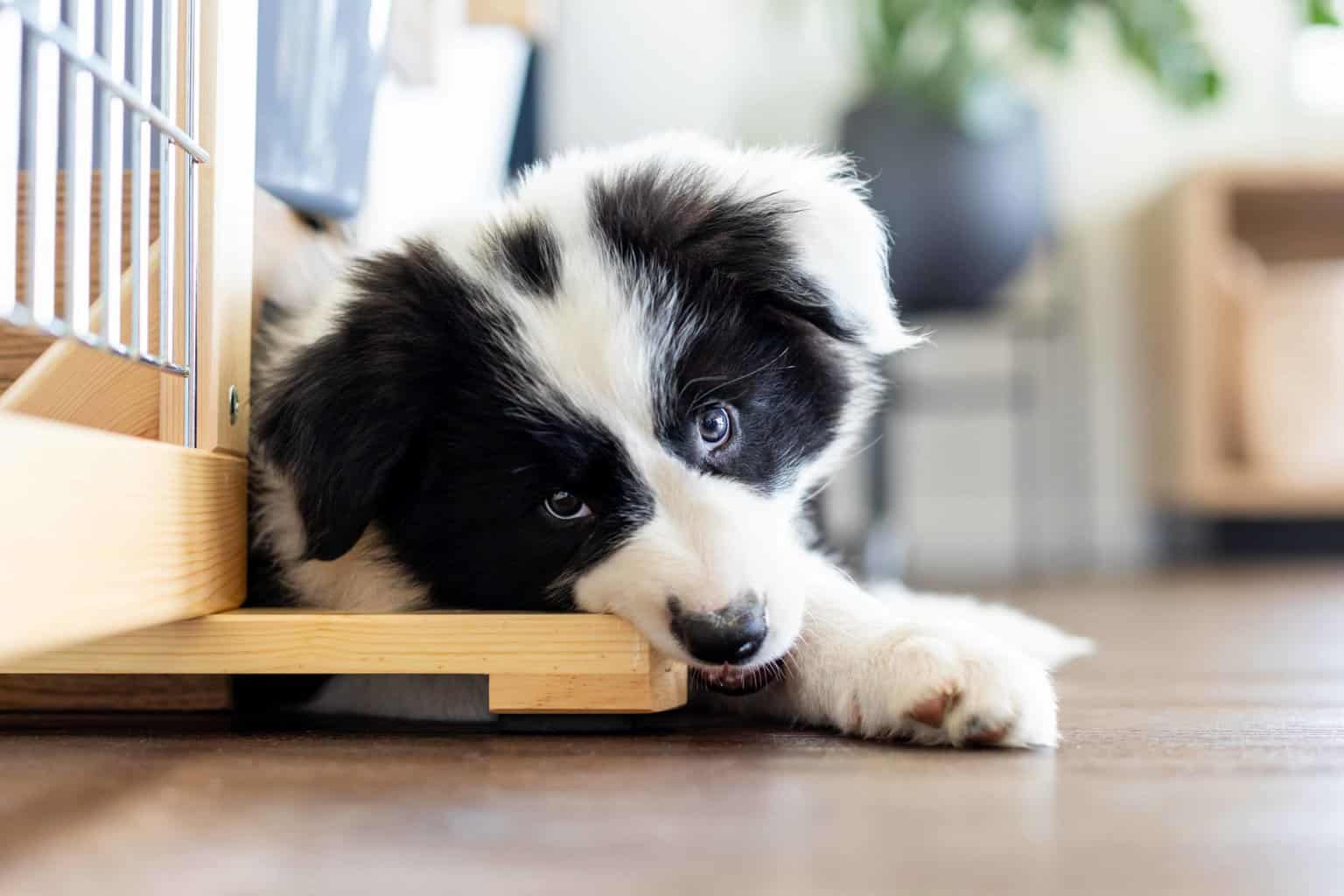
Are you struggling with your puppy’s inappropriate chewing behavior?
In this guide, we’ll explore effective strategies to help you address this common issue as your puppy gets its adult teeth.
From using deterrents and providing safe chewing substitutes to exercising and proactive supervision, we’ll cover various methods to prevent destructive chewing habits in your puppy.
Use a deterrent
If your puppy shows signs of inappropriate chewing, such as chewing on woodwork or upholstered furniture, one of the most effective ways to stop the behavior is to use a deterrent.
You can purchase bitter apple spray from pet stores and online. Then, apply it to your woodwork and furniture; the taste is so bad that it will make most dogs stop chewing on these objects.
You will need to reapply spray deterrents as necessary. It can also be used on electrical cords and other things dogs like to chew in the house.
Some people use Tabasco sauce or other hot sauce for the same purpose. While it may deter your dog from chewing on things, it also risks staining or damaging your belongings.
Be cautious not to use anything that could harm your dog as a deterrent.
Edible chewing substitutes
Another way to prevent your dog from engaging in inappropriate chewing is by providing him with plenty of toys to chew.
To prevent your dog from chewing on inappropriate items, it’s essential to provide suitable outlets for your puppy’s chewing energy.
For example, moose antlers or rawhides can be good chews for dogs. Look for sterilized rawhides from USDA beef, which are safer for your dog.
When you give your dog rawhides to chew, supervise and remove any small pieces that come off so your dog can’t choke on them.
Alternatively, you can give them probiotic chews, which would also benefit their health while curbing destructive chewing habits.
Safe chewing substitutes
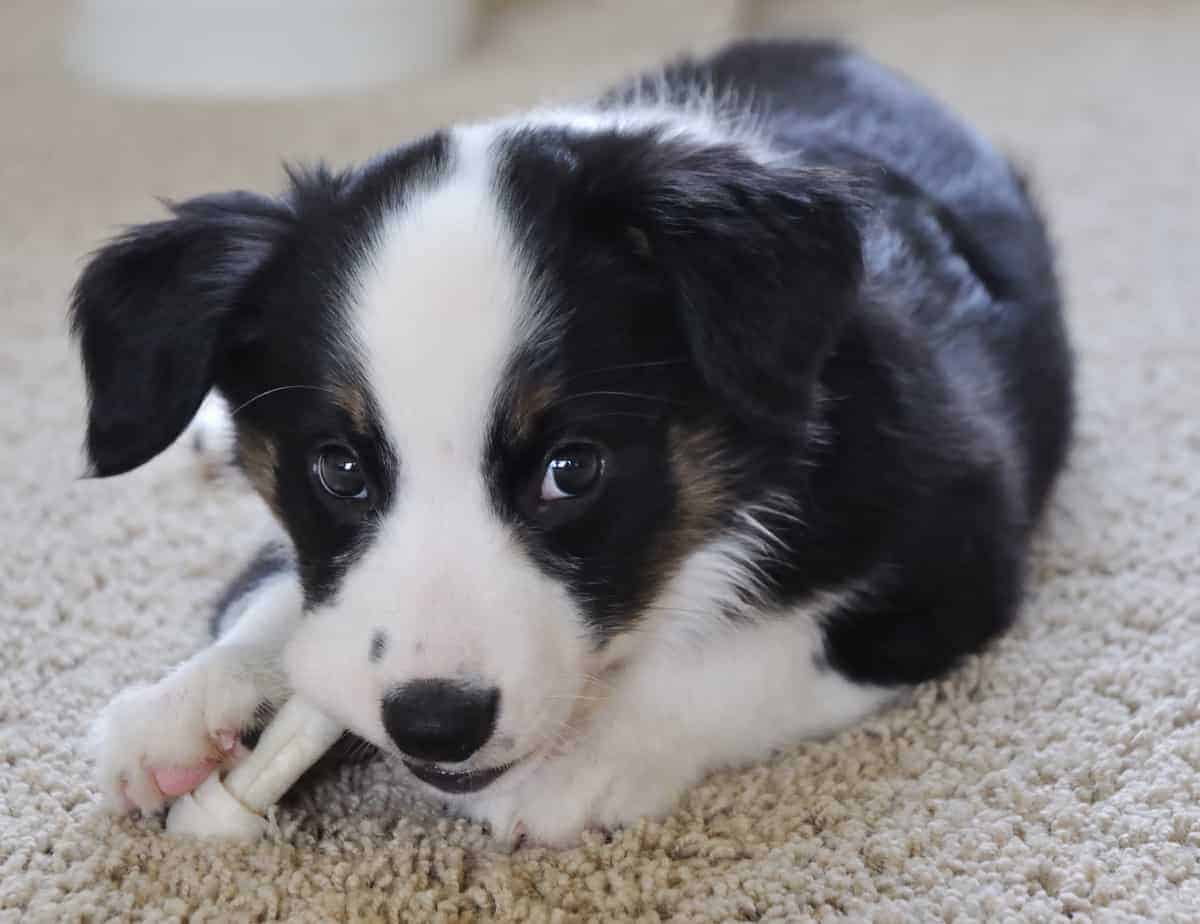
One of the best ways to prevent your dog from engaging in inappropriate chewing is to provide her with a safe toy to chew on instead.
Many good dog chew toys satisfy your dog’s urge to chew and stop inappropriate chewing.
Rope toys, as well as hard rubber toys like Kongs and Nylabones, are suitable for dogs that enjoy chewing.
If you have a puppy, be sure to provide chewing toys.
Puppies teethe from about four to 17 months old, and they have a strong urge to chew during this time.
Spending a few dollars on chews and toys for your dog is an excellent way to prevent expensive home furnishings from being damaged by inappropriate chewing.
Exercise
Another good way to deter inappropriate chewing is to ensure your dog gets plenty of exercise.
Dogs who get lots of exercise are less likely to be destructive at home.
They are more likely to spend their time sleeping when you are not home with them. Tired dogs are happy dogs.
Crating
If your dog is destructive and chews things when you are not home, consider crating him when you are away from home for a few hours. Deciding to crate train is an effective strategy to stop inappropriate behavior.
Most dogs regard their crate as a den and are happy to sleep until you return.
Don’t leave a dog unattended in a crate for more than a few hours.
Dog-proof your home
Give your pup the best chance to succeed by stowing away valuable items until they learn what is and isn’t meant for them to chew.
Keep household items, such as shoes, in a closed closet, put dirty laundry in a hamper, and store books on shelves. Keep tantalizing temptations out of reach.
Supervise and keep your puppy busy
Stay one step ahead of your pup’s chewing habits by proactively providing puzzle toys filled with something delicious when he may be most inclined to chew.
Using some of your pup’s daily food ration as a reward in the toy is a bonus for their efforts.
To ensure your furry friend won’t wander to chew on items, you should supervise them during all waking hours.
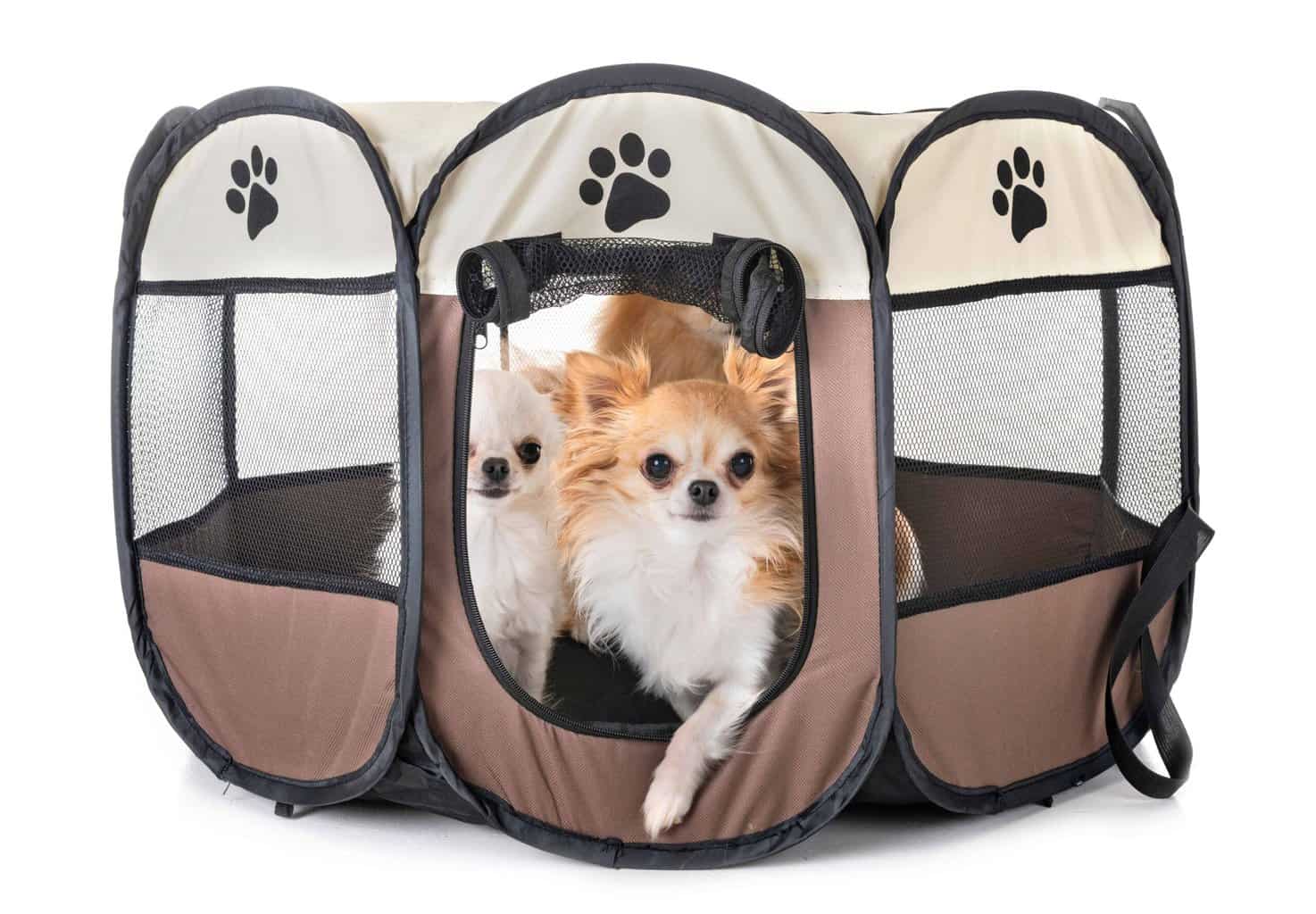
If you can’t supervise your puppy, use its crate, baby gates, or a puppy playpen to keep your dog out of trouble.
If you see your dog start to lick or chew something inappropriate, gently remove the item from its mouth and substitute it for something more suitable. For example, a Kong chew toy filled with treats and peanut butter will keep your puppy safe and busy.
Don’t forget to praise your dog to encourage good behavior.
Final thoughts on inappropriate chewing
Remember, inappropriate chewing is often a response to teething, boredom, or separation anxiety. So avoid punishment, which can inadvertently reinforce the bad behavior.
If you follow the suggestions provided here, you should be able to prevent your dog from engaging in inappropriate chewing.
You can try different suggestions or all of them. Find the solution that works best for you and your puppy.
Bitter apple and suitable chew toys often stop most chewing problems.
Nancy Cope is the owner of four rescue dogs and Pampered Dog Gifts.