
The ultimate guide to successfully managing a three dog household

Dogs have long played a vital role in people’s lives.
They have always helped people, protected them from enemies, and sacrificed their lives to save their owners.
Your dog will always be your best friend. Your bonds will only strengthen when you feel protected, respected, comfortable, and loved.
When the relationship is built on mutual respect and care, a dog shows loyalty.
Dogs understand and feel everything. When you treat them with care and kindness, your dogs will treat you the same way.
You can’t find a better friend than a dog. Having three dogs or more would be excellent.
Dog ownership is rewarding. Dogs are loyal, trustworthy, obedient, and supportive companions who will always be by your side, no matter what.
Be your dog’s best friend
We must understand that all dogs have unique personalities.
So, they may react to things in different ways. You must create your unique approach to dogs to become their faithful friend.
Show love to your dogs to repay them for their affection.
Learn to understand your pet’s communication techniques: gestures and body language.
Dogs also use facial expressions, licking, tail position, and barking to express their attitudes.
Having three or more dogs means three or more observations to make. It might be a good idea to write them down.
Encourage bonding with three dogs
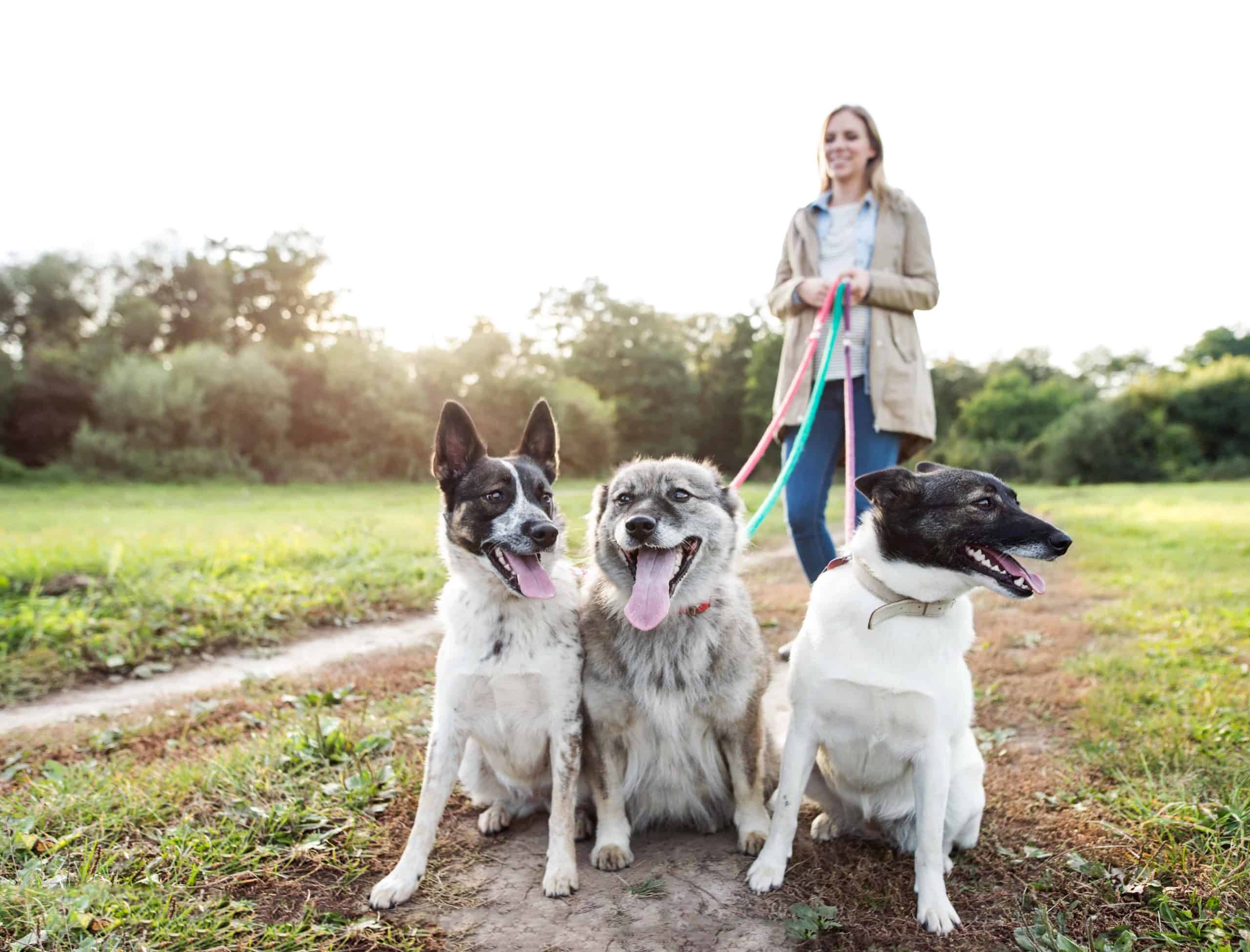
Let’s imagine that your dog has two more four-legged friends. Will they be able to make friends easily?
Of course, dogs are social animals. They only need your help to connect with a new playmate.
Pay attention to each dog
If you add a new pup, whether a second dog, third dog, or even a fourth dog, pay equal attention to them daily. While they enjoy spending time together, they also need one-on-one time with you.
Spending more time with new dogs can make your dog feel neglected. Try to give each dog equal time for playing and walking.
When adding additional dogs, consider their ages. Older dogs usually adjust to having a puppy or younger dog in the home.
Be patient
Some dogs can become loyal friends within several minutes, and others may not get along. Like people, they can experience character and personality clashes.
All dogs are different. Some may be quiet and shy, others — active and mobile.
So, the owner should give them time to build good relationships. Be patient and allow the dogs to get to know each other better.
Observe interactions between three dogs
When you give your dogs the freedom to interact with each other, keep an eye on them. Observation is essential.
If your dogs are left alone, a fight can occur at any time. Watch for posture changes to decide if your friends are calm or not.
One problem that dog owners face when introducing new dogs is that they often put them in the same room and do not allow the pets to interact independently.
There are many ways to introduce your dog to “new family members.”
Take a long walk with all your pets on neutral territory. By doing this, you allow them to sniff and greet each other.
When they become tolerant of each other, it’s time to take them home. This way, you will avoid intruder issues and any possible mess.
Benefits of having multiple dogs
Life will be full of joyous moments. There will always be friends next to you who you can hug and to whom you can tell everything.
You don’t have to leave your dog home alone. They’ll always have companions.
Write a dog blog with a catchy title
You can write a dog blog or create a social media profile and share exciting moments of your life with people.
Did you know 90.4% of millennials are active social media users? Engagement rates for pet social media are unbelievable.
We’re not saying that having a dog blog will necessarily make you famous, but if you create at least a couple of posts a week, you can add some followers to your profile.
Improve security
Now you’ll have security. With a team of bodyguards, you’ll be perfectly safe. No one wants to break into your house with multiple dogs.
Create fantastic memories
Memories are always with you throughout your life.
There will be many incredible stories about your best friends that you would like to share.
Make educational observations
Dogs can help you with your student life.
Your friends can be perfect observation subjects if you study psychology or any course connected with animals.
How do they interact with each other? What’s their psychological effect on you as the owner or your family? A lot of custom research papers are made based on empirical observations.</p>
Well-bonded dogs need less attention
If your dogs are good friends, they play with each other and need less time than you would spend on each separately.
Cons of having three dogs

All these points describe the general cons of a dog person’s life. There are many other specific issues with having multiple pets.
Often, when taking home a dog, people do not think about the obstacles that stand in the way. Many people don’t last a month and bring the dog back.&lt;/p&gt;
Consider carefully the following:
- The challenge for the owner of multiple dogs is walking them simultaneously.
- You will have to clean your home more often. And the amount of time you spend cleaning will increase.
- Living with dogs can make some changes to your family budget. Dogs cost money, and having multiple dogs will cost more. If nothing else, you’ll spend more on dog food.
- Medication. One small virus caught by just one of your dogs can quickly spread to the rest of them at home. Taking care of three sick dogs can be exhausting and emotionally demanding.
- Dogs need attention; they need more attention if you have multiple dogs. You will need to spend more time on dog training. If you don’t have time to devote to your pets, it’s better not to take on more than one dog.
Learn to budget
Caring for multiple dogs can be incredibly rewarding, but also comes with financial challenges.
Budgeting is essential to manage costs effectively.
Here are some tips to help you balance the financial aspects of caring for multiple furry friends:
Create a monthly budget
Begin by outlining all the expenses associated with dog ownership. This includes food, veterinary care, grooming, training, and pet supplies.
You can better understand your financial commitment by creating a comprehensive monthly budget.
Estimate veterinary costs
Veterinary care can be one of the most significant expenses.
Budget for routine check-ups, vaccinations, and preventive treatments like flea and tick prevention. It’s wise to set aside an emergency fund for unexpected health issues.
Research local veterinary clinics or animal hospitals for affordable options that provide good care.
Buy in bulk
Purchasing food and supplies in bulk can save you money over time. Look for bulk discounts at pet stores or consider joining a warehouse club that offers pet products.
Just ensure the food stays fresh and is used before its expiration date.
Consider insurance
Pet insurance can help offset unexpected medical costs. Research different plans to find one that works for your situation.
Look for policies that cover multiple pets, as some insurers offer discounts for insuring more than one animal.
Track expenses
Keep a detailed record of what you spend on each dog each month. This will help you identify areas where you might be overspending and allow for adjustments in your budget.
Plan for grooming
Factor in grooming costs, especially for breeds that require regular professional grooming.
If you’re comfortable doing it yourself, consider learning how to groom your dogs to save money.
Explore food options
Look into different types of food to determine what is most cost-effective. Consult with your vet for recommendations, as some brands might offer discounts or loyalty programs.
Use donations and resources
Watch for local pet food drives or organizations that assist with pet care. Donations, especially for necessary supplies, can help ease the financial burden.
Take training classes
While training classes can seem like an added expense, investing in training can prevent future behavioral issues, which might be costly to manage later.
With a multi-dog household, ensuring they are all well-behaved dogs is vital.
Stay organized
Set reminders for vet appointments and medication refills to avoid unnecessary late fees or missed doses.
Create a happy home
Living with three dogs or more can significantly influence the dynamics of a household and your family life.
Here are some key insights to consider:
Enhanced family bonding
Multiple dogs can bring families closer together as they share the responsibility of caring for their furry companions.
Walking the dogs, playing in the yard, or training them requires teamwork, fostering a sense of unity among family members.
Engaging in these activities can enhance communication and collaboration and create additional opportunities for fun and laughter.
Increased activity levels
With several dogs in the house, family members often become more active.
Daily walks, playtime sessions, and outdoor adventures encourage a more active lifestyle, which can improve physical health for everyone in the household.
This newfound routine can also benefit children, teaching them the importance of regular exercise.
Emotional support and companionship
Multiple dogs can provide emotional support for individuals and the entire family. The presence of several canine companions can create a warm, comforting atmosphere.
Cuddling with a dog or enjoying their playful antics on tough days can uplift spirits and contribute to a positive household environment.
Noise and activity considerations
While multiple dogs can enhance family life, they can also introduce more noise and activity to a home.
Barking, playing, and vying for attention can create a lively atmosphere that may not suit everyone’s preferences.
Families should be prepared for a certain level of chaos and consider how this dynamic fits into their daily routines and personal spaces.
Organizational challenges
Managing multiple dogs requires organization and time management.
Families might need to create schedules for feeding, walks, and playtime to ensure each dog receives the attention they deserve.
This can also extend to training sessions and vet visits, which may require coordinating multiple schedules.
Social opportunities
Having multiple dogs can open up new social avenues. Dog parks, training classes, and community events allow dogs and their owners to interact with others.
This can lead to new friendships and connections with fellow dog lovers, enriching the family’s social circle.
Responsibilities and commitment
It’s essential to recognize that bringing multiple dogs into the home requires a significant commitment.
Family members must be willing to share the responsibilities of feeding, grooming, and caring for each dog. This can lead to discussions about family roles and contributions, fostering a team-oriented mindset and requiring honest conversations about expectations and workloads.
Behavioral dynamics
Different dogs bring unique personalities to the household, which can lead to interesting interactions and relationships among them.
Observing these dynamics can offer valuable insights into their behaviors and how they adapt to one another.
Understanding and managing these interactions is vital for maintaining a harmonious living environment.
Manage a multi-dog household
Managing a multi-dog household can be incredibly rewarding, but it also presents unique challenges.
By implementing effective training techniques, establishing a structured schedule, and addressing behavioral issues proactively, you can create a harmonious environment for both you and your dogs.
Training techniques
Consistency is vital: Establish consistent commands and training methods for all dogs. This helps prevent confusion and reinforces good behavior.
Individual attention: Spend one-on-one time with each dog to address their specific needs. This could be through training sessions, playtime, or simply cuddling. This individualized attention can help strengthen your bond with each dog and reduce competition among them.
Group training sessions: Conduct training in a group setting to teach commands like “sit,” “stay,” and “come.” Ensure the environment is free from distractions to facilitate learning. Gradually increase the level of distractions as they become more proficient.
Positive reinforcement: Use treats, praise, and toys to reward desired behaviors. This approach encourages dogs to repeat those behaviors and fosters a positive training environment.
Scheduling
Establish a routine: Dogs thrive on consistency and structure. Create a structured daily schedule that includes feeding times, bathroom breaks, exercise, and training sessions. Consistent routines can help reduce anxiety and behavioral issues.
Staggered activities: If you have multiple dogs, consider staggering their individual activities. For example, alternate walks or play sessions to prevent overstimulation or competition for attention.
Mealtime management: Feed dogs in separate areas to minimize resource guarding or competition at feeding time. This can also help each dog feel secure and comfortable during meals.
Dedicated playtime: Schedule dedicated playtime for your dogs, either together or separately. This allows them to expend energy and engage in social interaction, which is crucial for their well-being.
Address behavioral issues
Monitoring interactions: Keep an eye on how your dogs interact with each other, especially during play or meal times. If you notice aggressive behavior or bullying, intervene immediately and redirect their focus.
Redirect negative behaviors: If one dog displays undesirable behavior (such as excessive barking or jumping), redirect their attention to a toy or command instead of scolding them. This teaches them that appropriate behaviors bring rewards.
Provide safe spaces: Ensure each dog has their own safe space within the house where they can retreat when feeling overwhelmed. This could be a crate, a bed, or a designated quiet room.
Consult professionals: If you encounter persistent behavioral issues, consider enlisting the help of a professional dog trainer or behaviorist. They can provide tailored strategies and support based on your specific situation.
The bottom line on having three dogs
Dogs aren’t just pets; they are family members. Every minute spent with them is priceless. We value dogs for their relationships with us.
But these social animals are also perfectly capable of finding friends among their kind.
Living with multiple dogs has its pros and cons. Determining whether to take this step should be a thoughtful choice.
It might sound complex, but with a positive attitude, anything is possible. The rest comes with practice.
Renee Walker is one big heart filled with creative texts and weird ideas. She’s been writing since her very first essay in the third grade. Since then, you can always find her with a book or notepad or chasing one of her three Dalmatians.
Master dog training: 30 expert tips for a perfectly behaved pup