
How to care for your new Xoloitzcuintli puppy
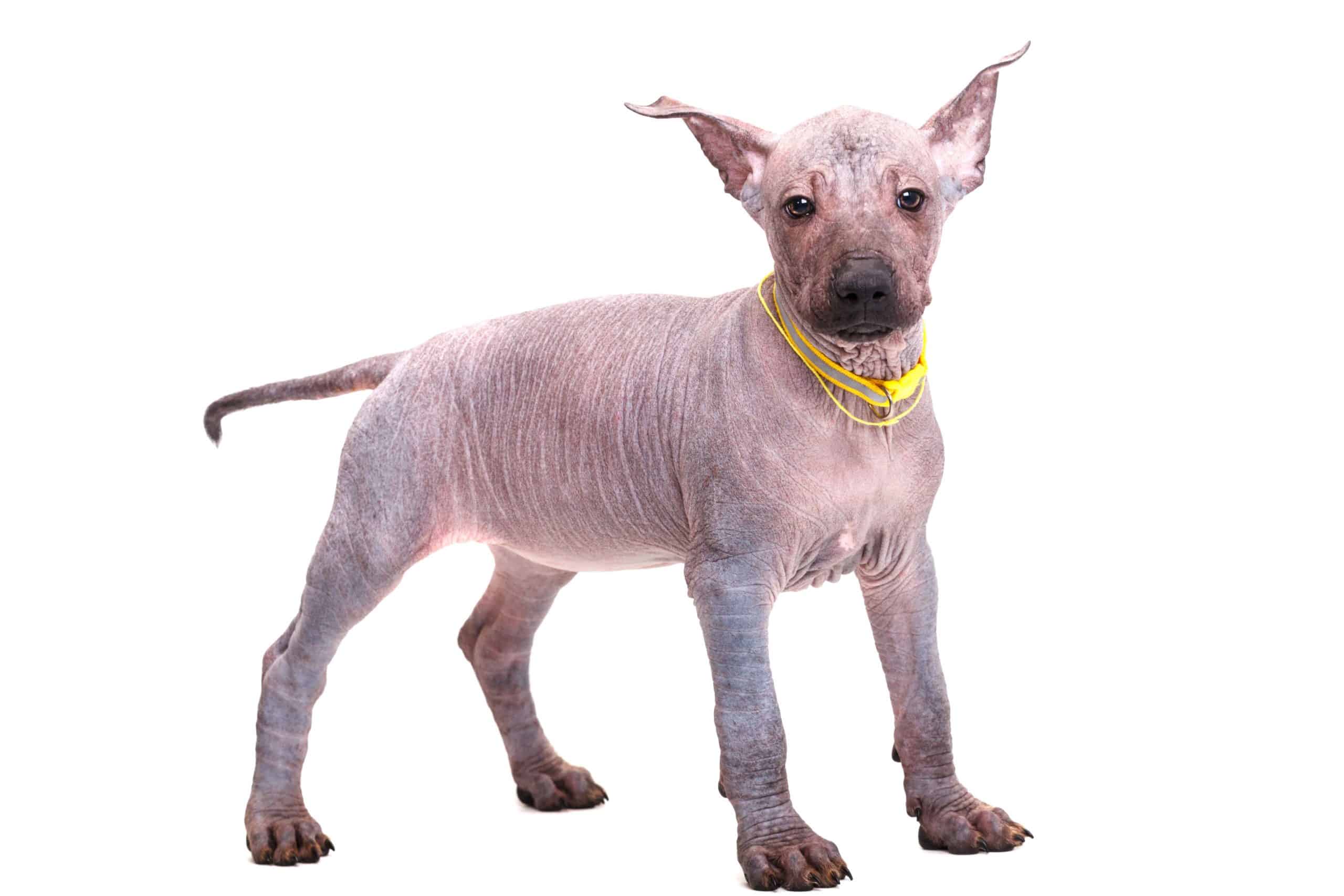
Getting a new Xoloitzcuintli puppy is both an exciting and stressful time.
You can expect to have chewed shoes, torn pillows, and broken valuables, and you should probably get a rug scrubber for all of the accidents on the carpet.
While these typical Xolo puppy behaviors are sure to upset you, your puppy’s cute quirks and playfulness will ensure that you won’t stay angry for long.
Here are some essential ways to take care of your new best friend.
Hygiene
The Xoloitzcuintli can have either a short, smooth coat or be hairless.
These Mexican hairless dogs sport mohawks on their heads and have tufts of hair on their feet and at the end of their tails.
While this sounds like a case of beauty being in the eye of the beholder, Xolos are actually a tough and sturdy breed with animated facial expressions and almond-shaped eyes.
You may be wondering what the best course of hygiene treatment is for a mostly hairless dog.
It is best to bathe your Xolo weekly to reduce too much skin oil and help with acne. Bathing more often than this can lead to clogged pores. After a bath, you should apply a pet-friendly moisturizing lotion to your Xolo’s skin.
If your Xolo is going to be in the sun, you should administer pet-safe sunscreen.
This is especially important if you and your pooch will be in the sun for long periods of time.
Since all dogs enjoy swimming, you may be interested in researching pricing for inground pools in Mobile.
This is an excellent way for your Xolo to burn some energy on a hot summer day.
Xoloitzcuintli training
Because the Xoloitzcuintli is an intelligent dog, training may be an arduous task, as they may choose not to cooperate.
However, with persistence and positive reinforcement, you will be able to tackle training. Other than housetraining your puppy, the most important thing to focus on is socialization.
Xolos are naturally cautious around strangers and have a natural desire to protect their owners. Introducing your puppy to people, other animals, and different places will help them be less timid overall.
Socializing should be an ongoing process to keep your Xolo from becoming aggressive towards strangers.
Training tips
Training this rare breed can be rewarding due to their intelligence and eagerness to please.
Start early: Begin training your Xoloitzcuintli as a puppy.
Early socialization and exposure to various environments, people, and other animals are crucial for developing a well-adjusted adult dog.
Use positive reinforcement: Reward-based training works best for the Xoloitzcuintli. Use treats, praise, and play to reinforce good behavior.
This breed responds well to positive interactions, so avoid harsh corrections.
Be consistent: Consistency is key in dog training.
Use the same commands and cues for specific behaviors, and be consistent in your responses.
This helps your Xoloitzcuintli understand what is expected of them.
Short training sessions: Keep training sessions short and engaging, ideally around 5-10 minutes for puppies and up to 15 minutes for adults.
Frequent, shorter sessions can help maintain their focus and enthusiasm.
Socialization: Expose your Xoloitzcuintli to different environments, people, and animals. This not only helps with temperament but also makes training easier as they become more adaptable and confident.
Teach basic commands: Start with fundamental commands like sit, stay, come, and down. These commands establish a foundation for good behavior and can be crucial for your dog’s safety.
Use interactive toys: Incorporating interactive toys and puzzle games can stimulate your Xoloitzcuintli’s mind and prevent boredom.
Be patient: Training takes time, and every dog learns at their own pace. If your dog struggles with a particular command or behavior, remain patient and repetitive until they understand.
Be creative: Mix up training techniques to keep your Xoloitzcuintli engaged. Try using agility equipment or incorporating tricks to make learning more fun.
Seek professional help: If you encounter behavioral issues or training challenges, consider consulting a professional dog trainer or behaviorist who has experience with the breed.
Health issues
The Xoloitzcuintli is generally a robust breed, but like all dogs, it can be prone to specific health issues:
Skin issues: Hairlessness Xolos are susceptible to sunburn, skin infections, and allergies. Protective measures like sunscreen are essential.
Dental problems: Xolos often face dental issues, including periodontal disease, necessitating regular dental care.
Hip dysplasia: This genetic condition can lead to painful mobility issues, common in larger breeds.
Legg-Calvé-Perthes Disease: This affects the blood supply to the hip joint, leading to potential degeneration and mobility problems.
Patellar luxation: A hereditary condition where the patella or kneecap slips out of place, potentially requiring surgery.

Health checkups
Dogs need routine health checkups and maintenance. You should take your dog to the vet for annual visits.
This allows the vet to address concerns before they become serious.
You can have your vet clip your Xolo’s nails, or you can do it yourself. You’ll know it’s time for trimming when you hear toenails clicking on the ground.
If you start this routine when the Xolo is young, your puppy will become accustomed to it, which will make the process much less intimidating and stressful.
While all dogs should be examined for ear mites, lumps, respiratory issues, and injury, Xolos need extra skin inspection. Check for redness, dryness, rashes, and acne.
Since their skin is sensitive, you should check with your vet before attempting to remedy skin ailments, as you don’t want to worsen the issue.
Xoloitzcuintli diet
It is best to feed your Xolo two meals per day, based on its age, weight, and activity level.
To support growth, puppies require a diet higher in protein, which is typically found in puppy food. Ensure you are feeding your Xolo puppy the proper nutrition, as adult food can actually cause harm.
While your vet will let you know if your dog needs to go on a diet, there are physical signs you can look for to determine whether your Xolo weighs too much.
These indications are as follows: oval-shaped body, swinging stomach, and fat sacs. Devise a weight loss plan before your pal develops diabetes, high blood pressure, or breathing problems.
A healthy Xolo can live for nearly 15 years.
Once you get through that initial puppy phase and your Xoloitzcuintli knows that you are the boss, you’ll develop a meaningful relationship.
Adopting a puppy is a rewarding and lifelong commitment that requires continued care, love, and attention. True animal lovers know that this isn’t an inconvenience; it’s a blessing.
Exercise and socialization
The Xolo requires a balance of physical exercise and mental stimulation to thrive.
As a breed historically used for both companionship and as a hunter, the Xolo is an energetic dog that benefits from regular physical activity.
Exercise requirements
Xolos need moderate exercise to stay healthy and happy. Daily walks, play sessions, and opportunities to run in a secure area are essential.
Aim for at least 30 to 60 minutes of exercise each day. Activities such as fetch, agility training, or swimming can also provide great outlets for their energy.
Due to their athletic build and natural agility, they excel in various dog sports, making these activities exciting for both the dog and the owner.
Mental stimulation needs
Xolos require significant mental stimulation.
They are intelligent dogs that thrive on problem-solving and mental challenges.
Engaging your Xolo in activities like puzzle toys, obedience training, or scent games can keep their minds sharp.
Training sessions can be a great way to bond while also providing stimulation; teaching new tricks or commands utilizes their intelligence and helps prevent boredom.
Social interaction is also crucial for Xolos, as they are social creatures. Regular playdates with other dogs, trips to the dog park, or engaging in training classes can provide valuable mental and social enrichment.
This stimulation helps curb behavioral issues that may arise from boredom or pent-up energy.
Common questions
Q: How much do Xoloitzcuintli dogs cost?
A: The cost of an Xoloitzcuintli can vary widely depending on factors such as the dog’s size, breeder reputation, and pedigree. Typically, prices range from $1,000 to $3,000.
Q: What does Xoloitzcuintli mean in Aztec?
A: The term “Xoloitzcuintli” is derived from the Nahuatl language, where “xolotl” refers to the god of lightning and death, and “itzcuintli” means dog. Thus, it translates to “the dog of the god Xolotl.”
Q: How do you pronounce Xoloitzcuintli phonetically?
A: Xoloitzcuintli is pronounced as “show-low-eez-kwint-lee.
Q: Are Xoloitzcuintli related to Chihuahuas?
A: Yes, Xoloitzcuintli and Chihuahuas are related as they both share ancestry with ancient Mesoamerican dog breeds. However, they are distinct breeds with different characteristics and appearances.
Q: Why are Xoloitzcuintli hairless?
A: The hairlessness of Xoloitzcuintli is a natural genetic trait that has been developed over centuries.
This unique feature was believed to have practical purposes, such as reducing the risk of skin disorders and making them easier to keep warm in their native climates.
Final thoughts on adopting a Xoloitzcuintli
To adopt an Xoloitzcuintli, check Petfinder.com. To find an American Kennel Club-registered breeder, visit the AKC Marketplace.
Paisley Hansen is a freelance writer and expert in pets and pet health. When she isn’t writing, she can usually be found reading a good book or hitting the gym.