
Time to say goodbye? A compassionate guide for dog parents
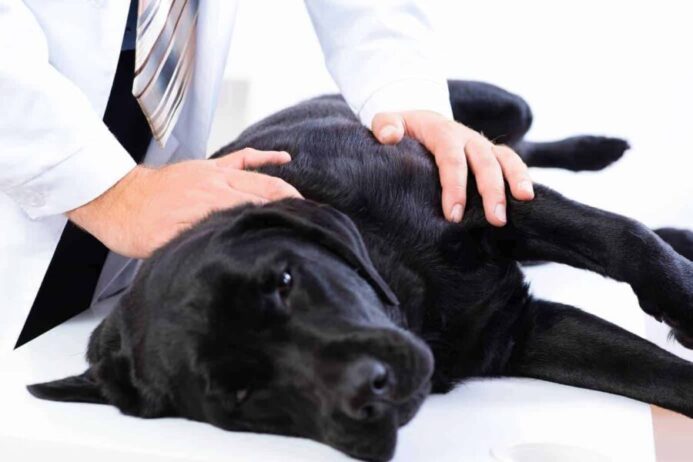
The bitter reality of keeping a pet is that it will pass away either from old age, illness, or an accident. There are even moments when you have to face the difficult choice of knowing when to say goodbye and euthanize it.
Some dogs may pass on peacefully. However, there are those motivated by the will to survive who continue living despite how painful their lives have become.
It is common for pet owners to try to prolong the life of their aging pets. They could be using sophisticated veterinary treatments, but the question is, is this in your dog’s best interest, or are you doing it for yourself?
Factors like aging and death are beyond human control. But one of the best things you can do for your pet is to prevent it from unnecessary pain and suffering. A pet dog should be kept alive for as long as it is experiencing a quality of life.
Not sure how to determine that? Consider using this checklist. If your dog experiences constant discomfort and no longer has a good quality of life, you should consider euthanizing your pet.
It may be a difficult choice to make, but it is in the dog’s best interest.
When to say goodbye
Euthanasia is a medical process wherein veterinarians deliberately take an animal’s life. It’s usually done to relieve an animal’s suffering, prevent uncontrollable behavior or diseases, or control an animal population.
But when it comes to your pet family member, is there a best time to say goodbye to them?
The truth is that saying goodbye to our pet dogs is never easy.
But no matter how difficult it is, the signs tell you to let go of your dog and know you are letting them go to a much better place.
Here are five indications telling you it’s time to say goodbye to your dog.
Terminal illness
Medicines can no longer treat a terminal illness.
The cost to euthanize a pet dog suffering from an incurable disease is much cheaper than keeping the dog alive and spending so much on treatments. Keeping it alive is only adding misery to the poor thing.
Pain
If your dog is in so much pain that even medication can’t help, it is only fair to let it go. Some signs that your dog is in pain include:
- Excessive noises of groaning and grunting
- Panting excessively
- Trembling
- Limping
- Restlessness
- Confusion
- Incontinence
- Not able to eat or drink
- Excessive licking or scratching of a particular part of the body
Low quality of life
If the life quality is not good enough, it’s about time to consider pet euthanasia. The following signs show whether the dog still enjoys a quality of life:
- Feeding – The dog is fed well, and you can see a good appetite.
- Hydration – A healthy dog should be able to drink sufficient water to avoid dehydration. If it is not drinking water, there is something wrong with the dog.
- Hygiene: A dog leading a quality life should be able to go to the bathroom by itself. Be keen on observation if you realize your dog has started lying on its mess or developing sores.
- Happiness is a significant determinant of a healthy dog. Note how your dog responds to his favorite toys and family members. If it used to be happy and jumping around the house, but suddenly it starts isolating itself, then you know that its quality of life is deteriorating.
- Mobility – A dog living a quality life can move around on its own and get excited about going for walks.
- Finally, the dog should have more good days than bad days. If it experiences nausea, frustration, and vomiting more often than usual, then it does not have a good life.
Loss of vital bodily functions
If your pet can no longer perform some bodily functions, like urinating and defecating, on its own, you know it is time to say goodbye.
Such dogs will remain in one position until you move them because they are too sickly or tired.
Breathing difficulties
The most painful experience that anyone could go through is having breathing problems.
Now, imagine the same happening to your dear pet dog. Would you rather watch it endure such pain or give it permanent rest?
Do not keep the pet alive for your own interest. If you love it, ease its misery and let it go.
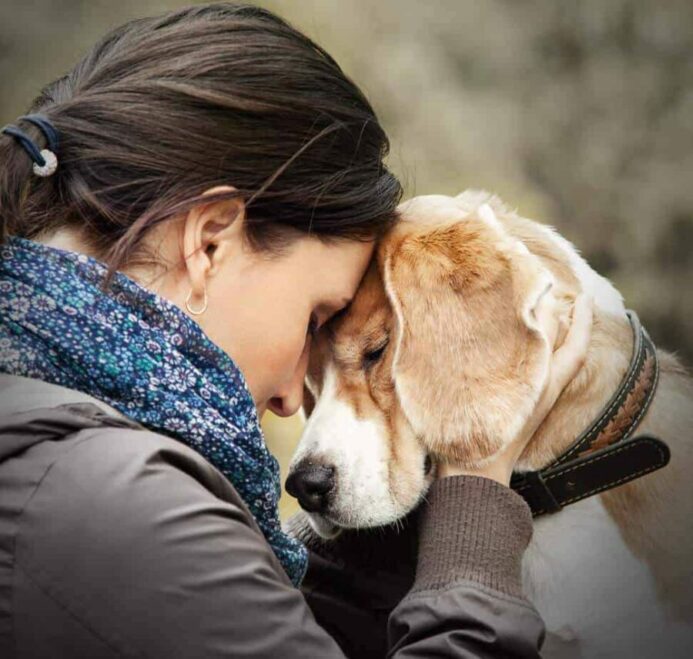
Understand euthanasia
Understanding the euthanasia process can help you prepare for this difficult decision, ensuring that your dog receives compassionate care during their final moments.
Consultation with the veterinarian
The first step is to have an open conversation with your veterinarian about your dog’s condition and setting up your dog’s end of life.
Discuss any signs of suffering or declining quality of life. Your vet can provide guidance on whether euthanasia is the most humane option.
Preparation
If you decide to proceed, your veterinarian may offer to perform the euthanasia in the clinic or, in some cases, in the comfort of your home. Some pet owners prefer the latter to help reduce their dog’s stress and anxiety.
Calming the pet
When the time comes, your veterinarian will usually begin by administering a sedative to help calm your dog. This step allows your pet to relax and feel comfortable, minimizing any anxiety or fear before the procedure.
The injection
After your dog is sedated, the veterinarian will give an injection of a euthanasia solution, commonly containing an overdose of a barbiturate.
This medication will cause your dog to fall asleep peacefully. Within a few minutes, your pet will stop breathing, and its heart will cease to beat.
Say goodbye
It’s essential to take your time saying goodbye. Many pet owners choose to stay with their dogs to provide comfort and love during their final moments.
It can be a deeply emotional experience and an opportunity to express your gratitude and love.
Aftercare options
Once your dog has passed, you can discuss aftercare options with your veterinarian.
Choices typically include cremation or burial. Some veterinary clinics also offer memorial services to honor your pet’s life.
Euthanasia is a compassionate choice to end suffering and allow your beloved pet to pass peacefully.
Let yourself grieve
Coping with the loss of a pet can be one of the most challenging experiences for a pet owner.
Our pets are special in our hearts, often becoming cherished family members.
When they pass away, it’s completely natural to experience a profound sense of grief.
Here are some ways to help you navigate this difficult time:
Allow yourself to grieve
Acknowledge your sadness and understand that feeling a deep sense of loss is normal. Give yourself permission to cry, reminisce, and feel whatever emotions arise.
Talk about your feelings
Share your feelings with friends, family, or support groups who understand what you’re going through. Sometimes, just talking about your pet and your memories can bring comfort.
Create a memorial
Consider creating a memorial for your pet. This could be anything from a photo album and a scrapbook to a special garden spot. Lighting a candle in their memory or planting a tree in their honor can also be healing.
Reflect on the good times
Celebrate the joy and happiness your pet brought into your life. Remember the good times, the funny quirks, and the unconditional love they provided.
Focusing on the positive can help ease the pain of loss.
Establish a routine
Maintaining a routine can provide a sense of normalcy. Keep yourself busy with daily activities, whether exercise, work, or hobbies, to help distract from the grief.
Seek professional help if needed
If you find the grief overwhelming and it impacts your daily functioning, consider reaching out to a counselor or therapist who specializes in pet loss. They can provide coping strategies and support.
Consider adopting again
When you feel ready, consider adopting another pet. While it doesn’t replace your lost companion, loving another needy animal can be a rewarding experience.
Join a support group
Look for local or online support groups for pet loss. Connecting with others who have experienced a similar loss can help you feel less alone in your grief.
Everyone copes differently, and finding what works best for you is essential. Your bond with your pet was unique, and it’s okay to take your time in the healing process.
Final thoughts on knowing when to say goodbye
Facing the possibility of euthanasia for your beloved dog is one of the most challenging experiences a pet owner can endure.
It’s essential to assess your pet’s quality of life honestly and compassionately, considering their well-being above all else.
By recognizing the signs of suffering and understanding the euthanasia process, you can make informed decisions that prioritize your dog’s comfort.
After saying goodbye, allow yourself the time and space to grieve.
Coping with the loss of a pet is a deeply personal journey, and seeking support from friends, family, or pet loss resources can help ease the pain.
Remember, the love and joy your dog brought to your life will always hold a special place in your heart.