
Discover 5 natural solutions to treat crystals in dog urine
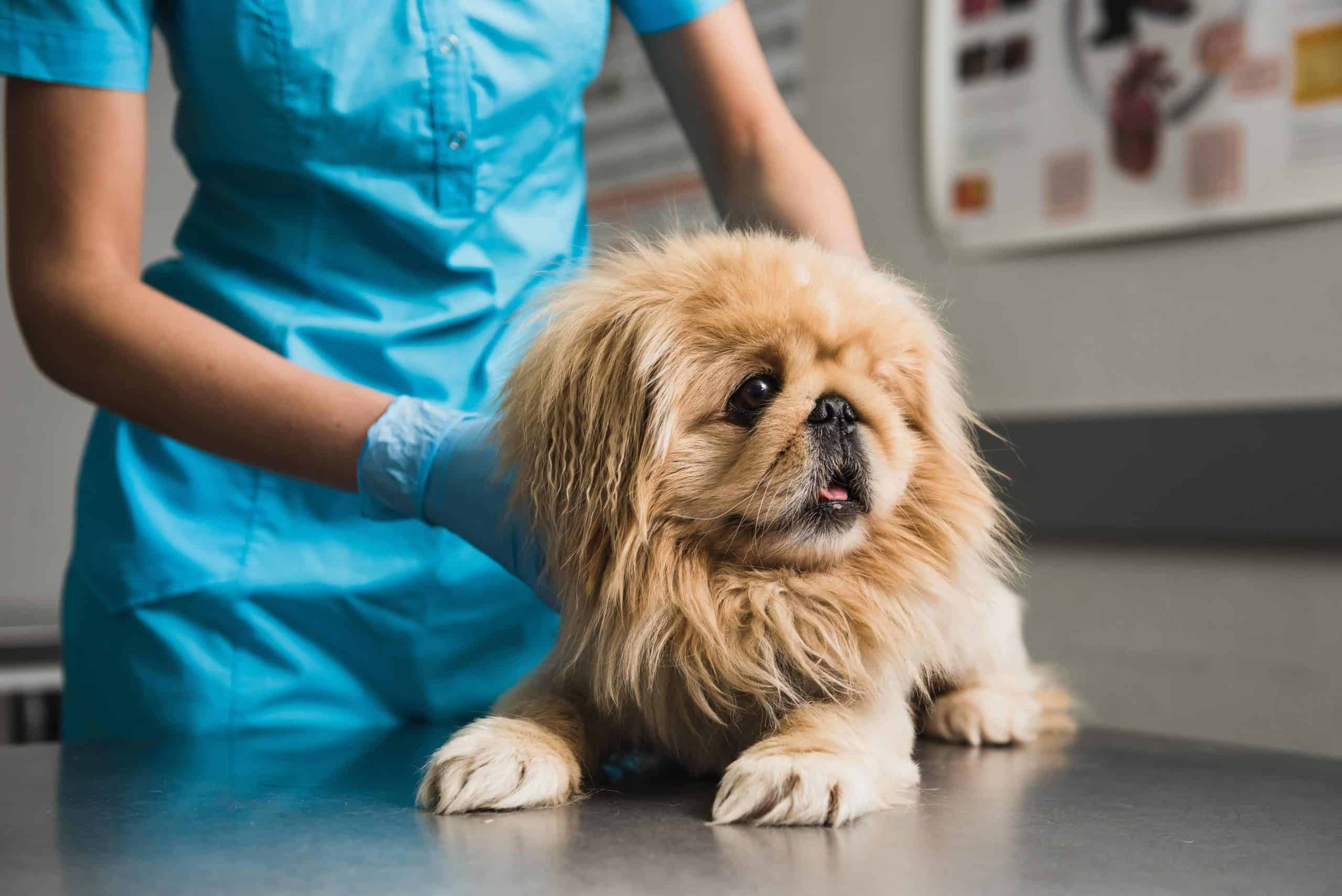
It can be frustrating when your dog’s bladder becomes inflamed, and a significant amount of blood is in your dog’s urine. Crystals in dog urine can cause excruciating pain.
And, yes, crystals in dog urine are dangerous.
So, it is essential to monitor the situation and address potential causes of this condition.
You also should know how to naturally treat crystals in dog urine to prevent this condition from recurring.
This article has everything you need to know about crystals in dog urine or bladder stones in dogs.
The information and advice come from expert veterinarians who have been treating animals for years.
Types of urine crystals in dogs
A common urinary tract disorder in dogs, crystals are “stones” or “staghorn calculi.” Crystal formation occurs when the urine becomes concentrated and forms solid minerals, either acidic or alkaline. This causes the urine to appear cloudy.
Various crystal forms can result in different types of bladder stones, including magnesium ammonium phosphate (struvite), calcium oxalate, ammonium urate or uric acid, cysteine, calcium phosphate, and silica.
These substances comprise the main components of bladder stones; however, their presence does not necessarily guarantee the development of bladder stones. Healthy dogs can experience crystals. Because crystals can be a risk factor for kidney stones, it is essential to identify urine crystals, as they can indicate underlying diseases and help detect conditions that make dogs more prone to kidney stones.
Your vet can check for these conditions with a urine sample.
Here are the primary types of urinary crystals in dogs:
Struvite
There are various causes of bladder stones in dogs, but struvite stones are the most common. Struvite stones form when the urine pH becomes too alkaline.
This causes minerals like magnesium and ammonium to combine with ammonia to form struvite crystals.
Dogs with struvite bladder stones need a diet high in calcium and phosphate levels to reduce their chances of developing more stones.
Treatment options for Struvite urine crystals may include dietary management, antibiotic therapy, and, in some cases, surgical removal of the crystals.
Calcium Oxalate
The most common symptom of calcium oxalate stones in dogs is recurrent, painful urination.
Dogs with calcium oxalate bladder stones may also experience difficulty or straining to urinate, blood in the urine, and the need to urinate more often than usual.
Treatment for calcium oxalate crystals in urine usually involves dietary changes to reduce oxalate intake, increasing fluid intake to dilute urine, and possibly medication to decrease oxalate levels in the urine.
The dog breeds most likely to develop calcium oxalate bladder stones are:
- Tibetan Terrier
- Shih Tzu
- Pekingese
- Maltese
- Affenpinscher
- Miniature Schnauzer
- Bichon Frise
- Lhasa Apso
- Miniature Poodle
- Cocker Spaniel
- Yorkshire Terrier
- English bulldogs
Urate (Ammonium Biurate)
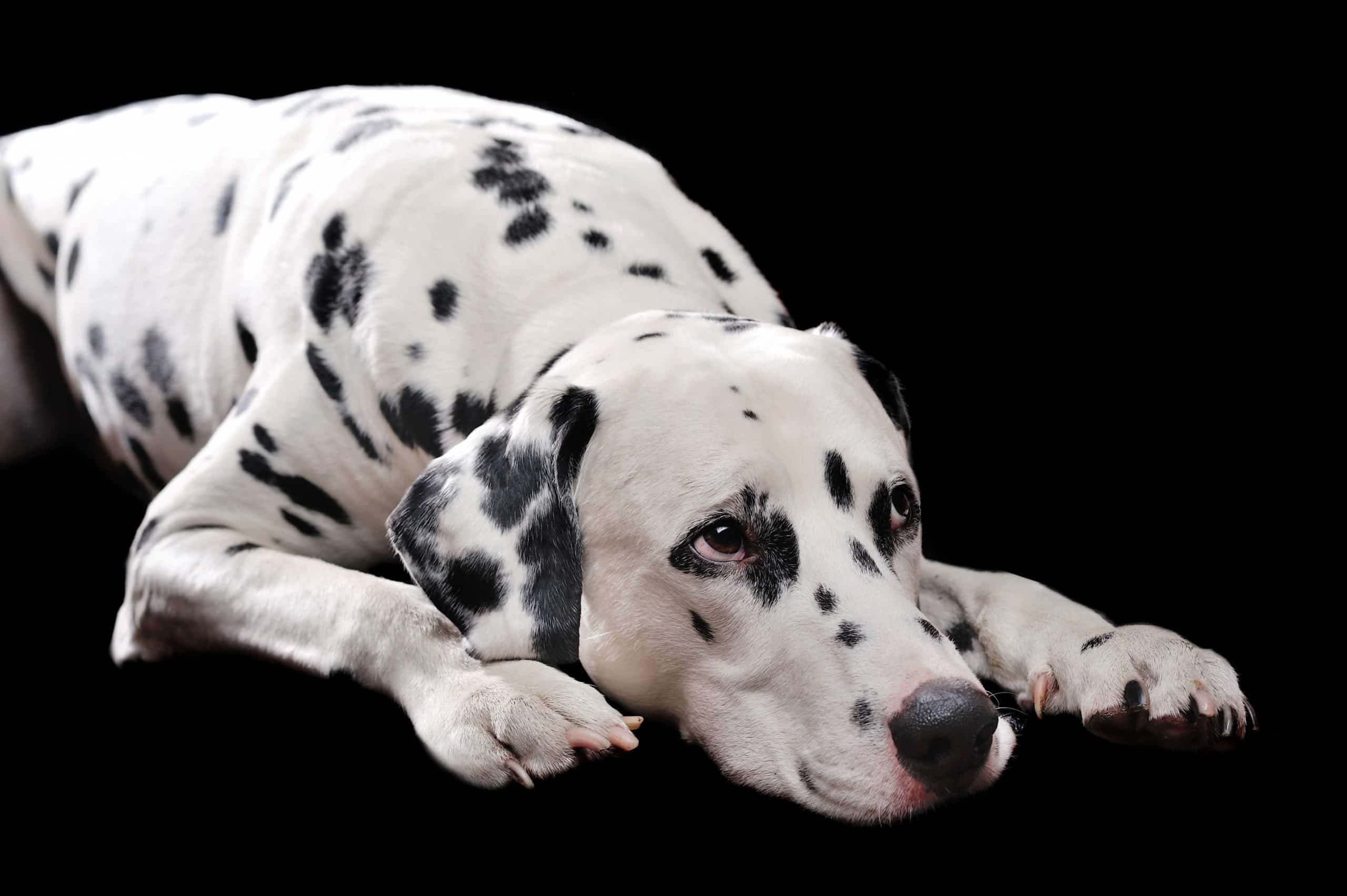
Due to a genetic condition, Dalmatians, Jack Russel Terriers, and Bulldogs experience urate crystals. Ammonium urate stones are composed of compounds called purines found in DNA. Liver shunts often produce this type of stone, with liver disease prevalent among dogs and cats.
The purines found in meat, organs such as the liver and heart, fish, and seafood can be dissolved if pet owners put their animals on a low-purine diet combined with medication.
Treatment may involve addressing the underlying cause, such as adjusting diet or medication, as well as ensuring proper hydration. It’s crucial to follow the guidance of a medical professional for appropriate management.
What causes urine crystals in dogs
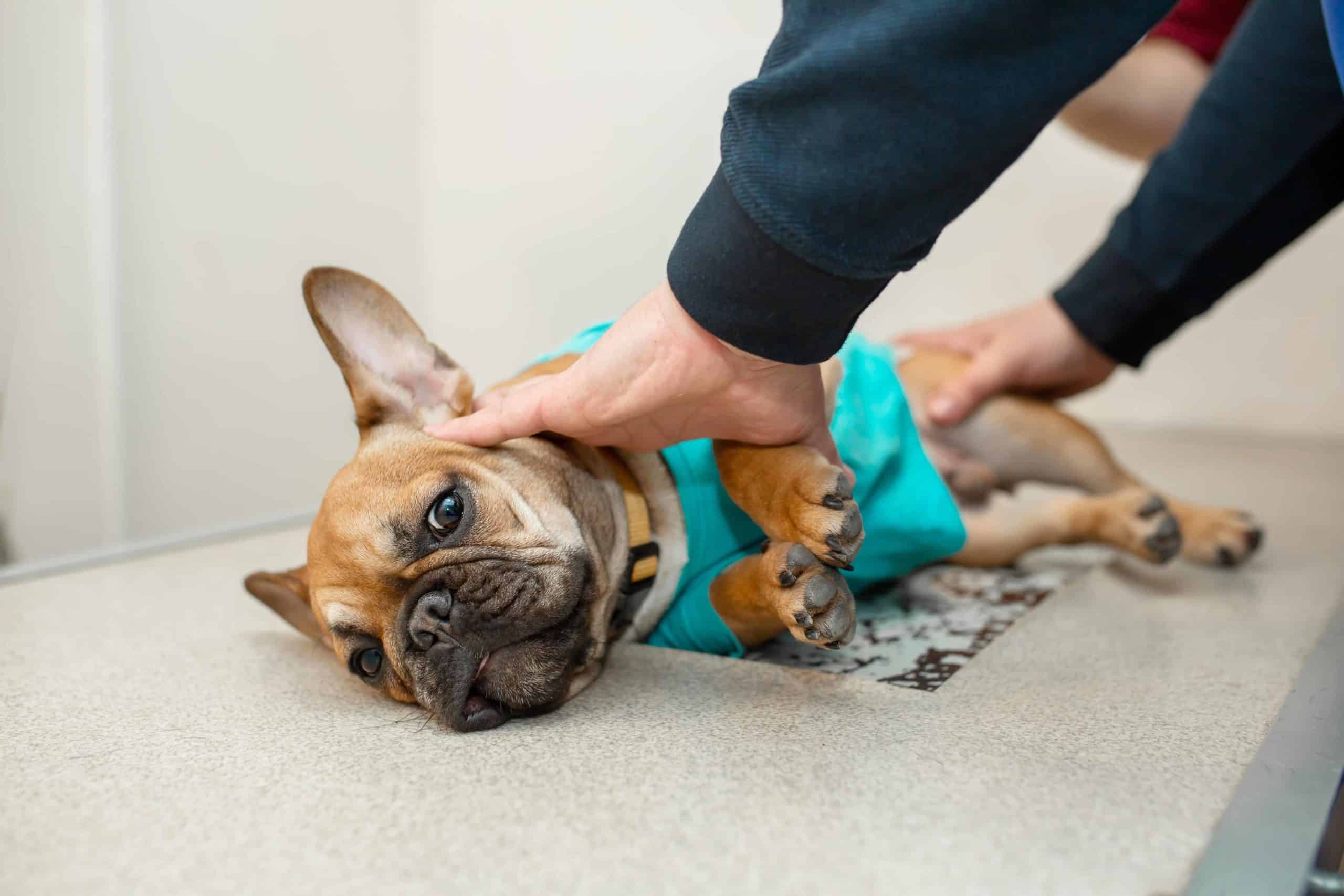
Male dogs are more likely to develop calcium oxalate crystals, while female dogs are more likely to develop struvite crystals. Urine crystals can form at any age.
Help your dog with a healthy diet, including plenty of fresh, clean water.
Many reasons can cause bladder stones in dogs.
- Lack of water intake
- Kibble-only diet
- Lack of liquid in food
- Low magnesium intake
- High phosphorus intake
- Continuous high-protein meals
- Current health diseases
- Excessive consumption of commercial food
Signs of urine crystals in dogs
Dog owners need to know what urine crystals are and the importance of detecting them in their pets.
Crystals comprise urine salts and water, forming needle-like particles that are concentrated in the bladder or the urinary tract.
Here are a few symptoms that can confirm your dog has urine crystals.
- Your dog will experience discomfort and whine while urinating or stop peeing halfway
- You will notice small particles in your dog’s urine
- When your dog urinates, the urine might seem cloudy or whitish
- Your dog will often lick its genitals
- The area surrounding your dog’s genitals might seem abnormal
How to treat crystals in dog urine naturally
If you spot any warning signs, consult a vet immediately. Your vet will likely use X-rays, ultrasounds, and urinalysis to diagnose your dog.
UTIs and kidney stones are not complicated, but can be fatal if left untreated.
However, there are many ways to prevent the formation of urine crystals naturally.
Feed a healthy diet
Do you know how long it takes a dog to digest food? It matters to improve your canine’s health. A healthy diet plays a significant role in keeping your dog healthy and active.
Many people buy a big bag of dry dog food and call it good. The reality is that commercial food does not fulfill the nutrition your dog requires.
If your dog is prone to crystals, dietary therapy may be necessary, and you may need to switch to a prescription diet.
Give healthy treats
Choose the best healthy snacks for your puppy, in addition to a nutritious diet. Some pet owners love spoiling their pups with treats.
There are hundreds of brands to avoid because they manufacture treats high in sodium, protein, and other fats, which can cause bladder stones.
If you’re worried about what to feed your dog? Talk to your vet.
Consider a raw diet
Some studies show that raw diets are best for dogs. However, you have to talk to your vet if you plan to give your dog a raw diet.
Some kibble or dry dog food lacks nutrition and hydration, which are the primary culprits of urine crystals in dogs. Make sure your dog gets enough water.
Hydration
The average dog drinks about 2 cups of water per day. If your dog doesn’t drink enough water, it may be more likely to develop bladder stones.
Dehydration is the most common cause of bladder stone development in dogs. Provide your dog with plenty of fresh, clean water.
If your dog seems to struggle to drink enough water, ask your veterinarian about options to increase their daily fluid intake.
Spay or neuter
More dog owners choose to neuter or spay their pets to reduce the risk of bladder stones.
Neutered or spayed dogs have a lower risk of developing bladder stones. This is why many veterinarians recommend getting your pet neutered or spayed.
Preventive care tips
Prevent urine crystals with daily habits and routine care that reduce your dog’s risk of bladder stones.
Daily hydration habits
Keep fresh water available in multiple locations and change it twice daily. Add ice cubes on hot days or use a pet water fountain to encourage drinking. Monitor intake daily and contact your vet if it decreases.
Optimal feeding schedule
Feed at consistent times to establish regular urination patterns. Split portions into 2-3 smaller meals to maintain a steady urine pH and prevent mineral concentration. Avoid free-feeding.
Regular bathroom breaks
Take your dog outside 4-5 times daily—morning, after meals, and before bedtime. Never make your dog hold urine for extended periods. If you work long hours, hire a dog walker or use doggy daycare.
Environmental factors
Reduce stress, which affects urination habits and urine pH. Provide easy outdoor access or pee pads for senior or mobility-limited dogs. Maintain comfortable temperatures to prevent dehydration.
Weight management
Maintain a healthy weight through diet and exercise, as obesity increases the risk of bladder stones. Limit treats to 10% of daily calories and consult your vet about ideal weight.
Routine veterinary care
Schedule annual wellness exams that include urinalysis, even if your dog appears healthy. Early detection of crystal formation enables intervention before stones form. For breeds predisposed to bladder stones, discuss more frequent urine testing with your veterinarian. Keep records of your dog’s urinalysis results to track changes over time.
Diet quality
Choose high-quality food appropriate for your dog’s age, size, and breed. Avoid frequent diet changes that alter urine pH. For dogs with crystal history, use vet-recommended prescription diets.
Monitoring and early detection
Watch for warning signs like increased urination, straining, or discolored urine. Keep a journal of bathroom habits and report changes to your vet immediately for early intervention.
Can bladder stones kill dogs?
Urine crystals can be a significant health risk for dogs. Stone formation can develop from not drinking enough water and urinating too often.
When these urine crystals form, they can harm the kidneys.
In extreme cases of urinary obstruction, surgical removal may be required.
This condition can be life-threatening. If your dog’s kidneys are damaged, they will not function properly. If left untreated, kidney damage can lead to kidney failure and death.
Tips for dogs with urine crystals
If your dog suffers from urine crystals, here are some tips to help.
- If your dog hates drinking water, try buying those flowing water bowls for dogs. Those bowls can make your dog more interested in drinking water.
- Give your dogs baths on hot days. Doing so will help your dog cool down its body faster.
- Apple cider vinegar works like a charm for dogs with a UTI. Try adding a little apple cider vinegar to their water. Caution: Do not leave the apple cider vinegar water for more than 5 hours.
- If you struggle with giving your dog medication to treat the condition, try hiding the pill in their favorite treat.
Common questions about urine crystals
Is pumpkin suitable for dogs with bladder stones?
In season, a pumpkin can make a great snack for your dog, but are they suitable for dogs with bladder stones? Too many pumpkin seeds can cause kidney stones, so limit them to one or two.
Dogs with bladder stones should not eat pumpkins, as they are high in purines, which may exacerbate the issue.
Is watermelon good for dogs with bladder stones?
A common misconception is that watermelon is safe for dogs with bladder stones. Watermelon contains high levels of citrulline, which can contribute to the formation of bladder stones.
Veterinarians say dogs with bladder stones should not eat watermelon.
Are carrots good for dogs with urinary problems?
Are carrots good for dogs with urinary problems? Yes, you read that correctly. Carrots can help your dog’s urinary system stay healthy and function well.
This is because carrots contain Vitamin A. The vitamin helps relieve bladder spasms and soothe irritation. So, the next time your pet gets a bladder infection, give them a carrot to chew on.
Can exercise impact urine crystals?
How often should I have my dog’s urine tested?
Can stress cause urine crystals in dogs?
How long does it take for urine crystals to dissolve?
Are certain dog breeds more prone to urine crystals?
Can tap water cause urine crystals in dogs?
Understand crystals in dog urine
Make your dog drink plenty of water to help flush the crystals from the body, and apple cider vinegar helps break them down and relieve urinary tract infections.
When treating crystals naturally with crystals in dog urine, ensure you do not feed your dog anything salty or acidic.
Constantly monitor what your canine eats and drinks. Keep your pup on a healthy diet and monitor its daily water intake.
Checklist
Emma Rosy has extensive experience writing about pets. She’s been a freelance writer for over three years and runs the Mesdog Lover website with her younger brother. As a dog owner, she wants to share her experience as a responsible dog parent with other dog lovers.